
Uncategorized
FG, states urged to harness flooding for ranching, others with technology – Agbaje


The Federal and States Governments have been urged to utilise satellite technology and other available technologies to harness disasters such as flooding to positive and economic uses.
The Executive Director, Centre for Space Science and Technology Education (CSSTE) Dr Ganiyu Agbaje, made this known in an interview with our correspondent in Abuja on Wednesday.
Agbaje made the call on the sidelines of the ongoing three-day Online Regional Training on Flood Monitoring and Forecasting Modelling organised specifically for Disaster Management Organisations.
”The use of new technologies will make it easy to predict flood and harness the water for many economic activities including ranching which he noted had become topical in Nigeria,” he said.
He explained that with technology such as satellite technology which the CSSTE will partner with disaster management agencies on, patterns, timing and volume of flood can be predicted early and preparation made to utilise the water.
“We need to support our rural communities on how best to use flood when it occurs because at times if it coming far away from this country, you can harness the water overflowing for many other things in agriculture.
“When you know that the flood will last for three months or five months for instance, you can use the water to plant rice, or you can gather it into a reservoir that can be used during the dry season.
“There are so many things that can be done with this, and if you know that certain places are lacking water, you can channel it to those farms that need those water.
“Like all these ranches that we have been talking about, that river is coming from the north, if you have a ranch there, when the water is coming, you will channel it and store it .
“You can purify the water and it becomes drinking water, so why are we not using the flood water to make life easier?” he queried.
Speaking on the training which held simultaneously in four other West African Countries, Agbaje, said the training is aimed at equipping participants with skills and requisite tools to enable them identify flood-hotpot areas.
He said the tool would further equip them to make quick flood damage assessment, identify flood monitoring and forecast model as well as hydrological and hydraulic modelling.
He, therefore, advised governments again to embrace technology for creative solutions and consider stronger laws to control the indiscriminate dumping of refuse which he said was a major cause of flooding in Africa.
“Human beings are somehow meant to be unruly. So, the society needs to be guided by law, else I can go to your house and just mess it up. If there are no laws to say ‘you cannot dump refuse here’ then everywhere will be messy. We need to abide by the regulations and rules.
“Also, it has been said that the whole of Netherlands is on a flood plain but they use engineering and other means to ensure that they stay afloat most of the time.
“We lose millions of dollars every year to flooding in Africa, forcing ECOWAS to make a policy on disaster risk reduction but more has to be done to ensure that the impact is lower in Nigeria and other countries,” he said.
According to him, the training is not to teach the over 300 participants who have benefitted on how to predict but to show them how to use additional satellite data make better predictions and support other methods.
He said the technology had been on for a while around the world, adding that African leaders in collaboration with the EU initiated the training to help Africa better monitor the environment and mitigate disasters.
Agbaje said that with the data, rainfall, rivers and the environment would be better monitored, adding that in the case of Nigeria, more information on the activities of River Niger would be known using the technology.
The three-day training was backed by the African Union (AU) and the European Union (EU) under its Global Monitoring for Environment and Security and Africa (GMES & Africa) initiative.
It was conducted by the Centre for Space Science and Technology Education (CSSTE).
On his part, the GMES & Africa Programme Coordinator at the African Union Commission, Dr Tidiane Ouattara, who joined via video conferencing, expressed joy that the activities of the CSSTE consortium was able to continue despite the COVID-19 pandemic.
Emphasising on the need for constant training of young people and experts on the African continent, he described the training as a major achievement that would help Africa to build infrastructure and reduce the economic damage of flooding.
Participants at the workshop were drawn from the Nigeria Hydrological Services Agency (NIHSA), Nigerian Meteorological Agency (NIMET), Nigerian Emergency Management Authority (NEMA) and the Federal Ministry of Environment.
The opening session also featured goodwill messages from NIHSA, NIMET and NEMA.

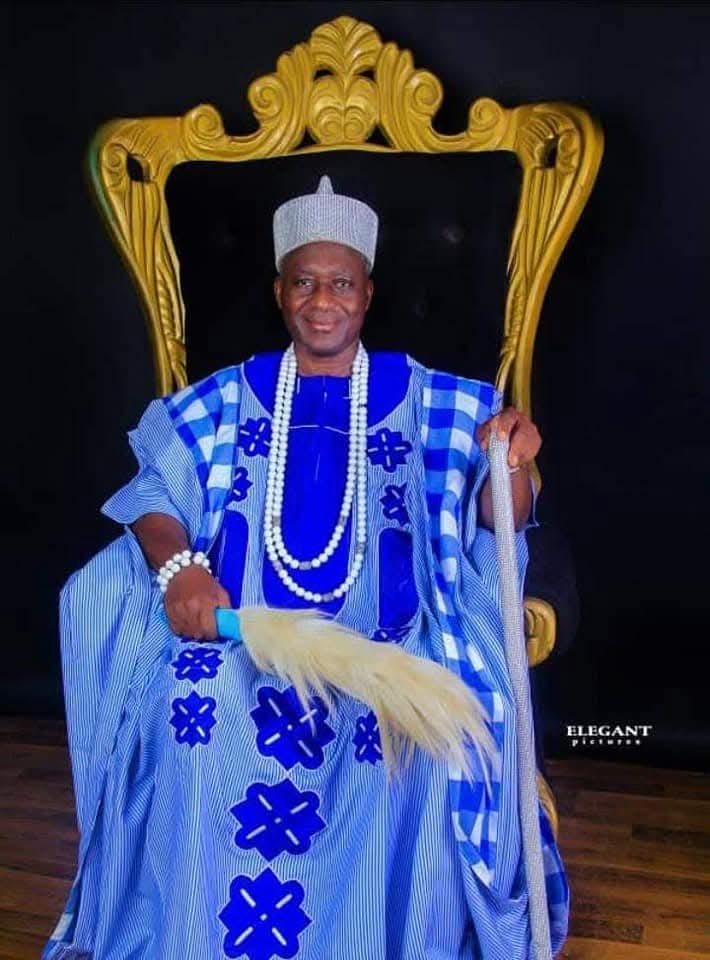
Stephen Olufemi Oni, Ilorin
The people of Oro-Ago Kingdom in the Ifelodun local government area of Kwara State have applauded Governor AbdulRahman AbdulRazaq for the elevation of their monarch, the Oloro of Oro-Ago Kingdom, His Royal Majesty Oba Johnson Olarewaju Dada Adekilutoro 1, to the First Class status.
While also commending the Deputy Governor, Mr Kayode Alabi, who is an indigene of Oro-Ago, the people described the elevation and unparalleled recognition as a major historical milestone for them, adding that both the Governor and his deputy have etched their names in the sand of history.
In a statement issued and jointly signed by the National President and National Secretary of the Oro-Ago Development Union (ODU), Geol. Joseph Ayoku Foluso Olawole, and the National Secretary, Dr. Alfred Olatayo Awoyemi, respectively, the Union was full of praises to Governor AbdulRahman AbdulRazaq for this huge honour accorded the people of Oro-Ago Kingdom through this elevation of their highly revered Monarch.
According to the Union, the elevation is a historic milestone in the history of Oro-Ago Kingdom, noting that the recognition represents an important moment of pride, honour and renewed hope for the traditional institution and the entire Oro-Ago community.
It added: “The elevation is a significant development that will further strengthen the traditional institution, promote cultural heritage and encourage unity, peace and sustainable development across Oro-Ago Kingdom and its neighbouring communities.
“In fact, this elevation and unparalleled recognition of our Monarch, His Royal Majesty, the Oloro of Oro-Ago Kingdom, Oba Evangelist Johnson Olarewaju Dada Adekilutoro 1, reflects the importance of traditional institutions in preserving cultural identity, promoting peaceful coexistence and supporting grassroots development.
“The Union expresses confidence that the elevation would further inspire collective efforts towards the social, economic and infrastructural advancement of Oro-Ago Kingdom.”
The Union specifically lauded their illustrious son, the Deputy Governor of Kwara State, Mr Kayode Alabi, for his commitment to the progress and development of Oro-Ago Kingdom, while acknowledging his goodwill towards the community, especially his support and contributions to matters concerning the dignity, recognition and advancement of Oro-Ago Kingdom.
Describing Alabi’s good relationship with the people as a source of encouragement, the Union reiterated that the development of any community requires constructive engagement, mutual understanding and the support of well-meaning leaders.
The ODU further called on all sons and daughters of Oro-Ago Kingdom, both at home and in the diaspora, to regard the elevation as a collective achievement and an opportunity to strengthen unity, deepen cooperation and pursue a common vision for the development of the kingdom, emphasising that the new status of the traditional ruler should serve as a catalyst for greater community participation, investment, youth empowerment, improved security and the provision of essential social amenities.
ODU also acknowledged the contributions of traditional chiefs, community leaders, religious leaders, elders, youths, women and other stakeholders whose prayers, efforts and commitment have continued to support the growth and development of Oro-Ago Kingdom.
The Union urged all stakeholders to sustain the spirit of cooperation that has accompanied the Monarch’s recognition and work together towards building a peaceful, prosperous and progressive community for present and future generations.
Reaffirming its commitment to the development of Oro-Ago, the Union said the elevation is a historic moment for Oro-Ago Kingdom and congratulated His Royal Majesty, Oba Johnson Olarewaju Dada Adekilutoro I, on his elevation to First-Class status and prayed for divine wisdom, sound health and a successful reign for him.
ODU also prayed for continued peace, progress and prosperity in Kwara State under the leadership of Governor AbdulRahman AbdulRazaq, urging the people to continue to support the administration to ensure more dividends of democracy for the citizenry.
The Union expressing optimism that the elevation would open up new opportunities for Oro-Ago Kingdom, strengthen its traditional institution and inspire renewed commitment to community development.
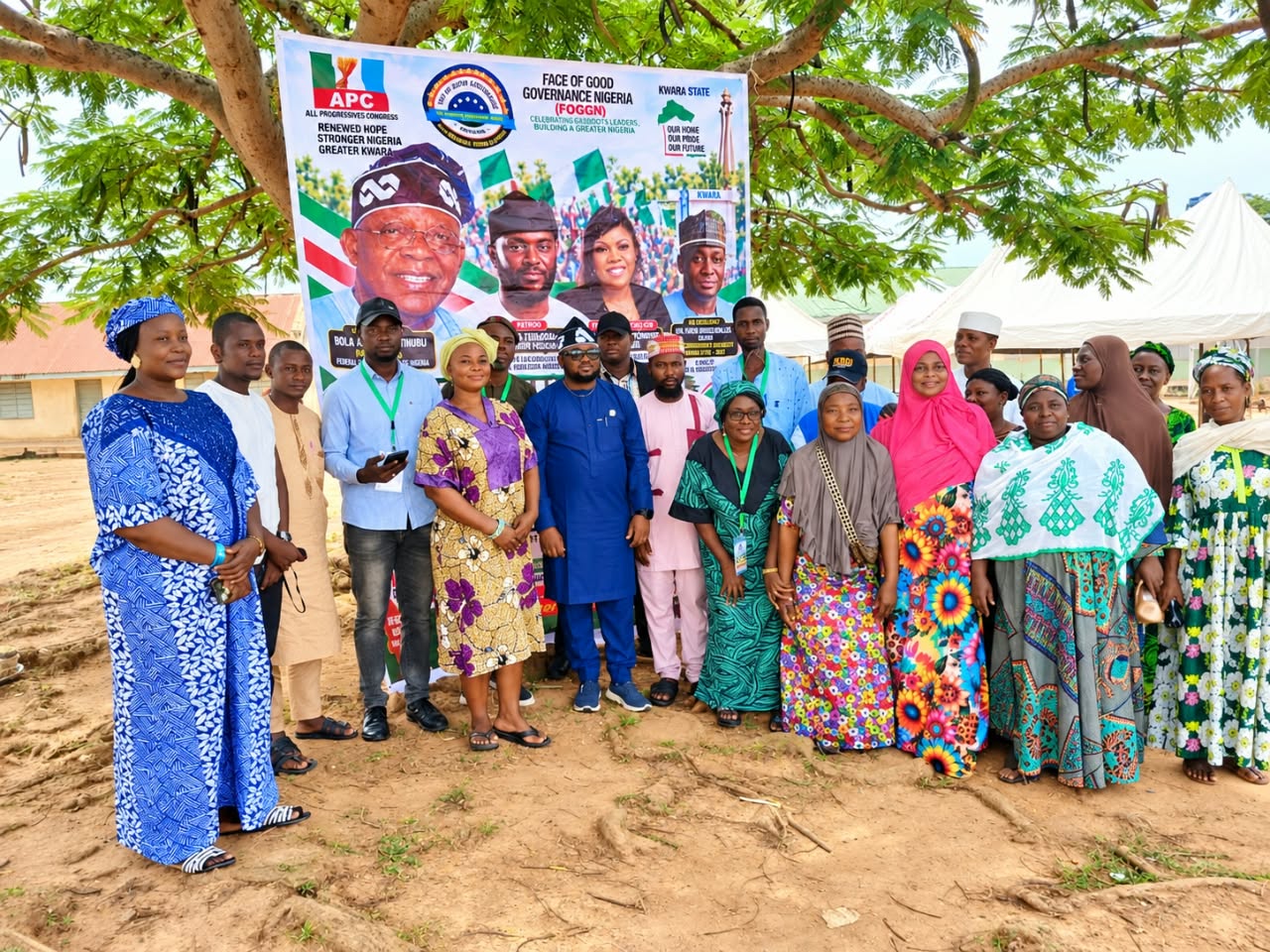
Stephen Olufemi Oni, Ilorin
The National Director of the ICT and Media 11, Face of Good Governance Nigeria (FOGGN), and a chieftain of the All Progressives Congress (APC), Hon. Adeyemi Timothy Oluwaseun, has charged the youths to prioritize technology and skills acquisition towards bridging youth unemployment gap and driving economic productivity in the country.
Adeyemi gave the charge on Saturday in Ganmo, Ifelodun local government area of Kwara State at a special grassroots mobilisation for Tinubu’s reelection bid as well as all the other APC candidates across the country and medical outreach featuring free eyes tests and treatment, adding that the youths “are not only the leaders of tomorrow but also important stakeholders in the Nigeria of today”.
He added: “Get involved. Acquire skills. Support your communities. Participate in politics peacefully and responsibly. Use technology positively and make your voice count.
“As the Director responsible for ICT and Media, I strongly believe that technology and responsible communication can help us build bridges, educate our people and promote development.
“Let us continue to work together for peace, progress and development.
Let us continue to believe in Nigeria.
Let us continue to support initiatives that bring tangible benefits to our communities. And let us continue to build a Nigeria where every citizen has an opportunity to live a better life. Together, we can build a greater Nigeria. Together, we can strengthen our communities. Together, we can promote good governance.”
The APC chieftain specifically appealed to the people of the Ifelodun local government area, particularly the people of Oro-Ago Kingdom, to continue to support the APC, and vote for all the party’s candidates across board, adding that: “Let us support Hon. Yakub Danladi Salihu for Governor of Kwara State and Hon. Seun Ogunniyi for Deputy Governor. Let us support Hon. Prince Lekan Adewoye for Senator representing Kwara South Senatorial District. Let us support Hon. Rafiu Ajakaye for the House of Representatives. And let us also support our dear brother, Hon. Benjamin Oyinloye, for the Kwara State House of Assembly.”
He added: “I urge our people to come together, remain peaceful and united, and exercise their civic responsibility by voting for the candidates of their choice. Let us continue to support leaders who we believe will represent our interests and contribute to the development of our communities and Kwara State.”
The National Director said: “We recognise that transforming a country as large and diverse as Nigeria is not an overnight task. There are challenges, but there are also opportunities, and we believe that Nigerians must continue to participate constructively in the development of our nation.
“Today is not just another political gathering. Today is a demonstration of our commitment to grassroots development, good governance, community service and the Renewed Hope Agenda of President Bola Ahmed Tinubu.
“Our organisation believes that leadership is not only about speaking to the people during elections. Leadership is also about being present in the communities, listening to the people, identifying their needs and providing meaningful support.
“That is why we have combined our grassroots mobilisation efforts with this Free Eye Medical Outreach, realising that good health is fundamental to productivity and quality of life. Many people, particularly in underserved communities, experience avoidable challenges with their eyesight but may not have the resources to access proper screening and eye care.
“Through this outreach, we are bringing free eye screening, vision checks and eye-care advice closer to our people.”
Speaking before the commencement of the eyes’ medical outreach, Dr. Soladoye spoke on two major eye ailments – cataract and glaucoma – urging the people to embrace regular medical check up of their eyes to avoid blindness.
In his goodwill message, the
Supervisory Counselor for Health in Ifelodun LGA, Hon. Taiwo Micheal Babatunde, commended FOGGN National Director for bringing the programme to the local government, saying it’s complementary of the efforts of the government, urging the people to take the medical outreach seriously by taking good care of their eyes.
Also speaking, the APC Chairman of the Oro-Ago Ward, Com. David Abidemi Oyedeji, who lauded both the mobilisation programme and the medical outreach, urged support for all the APC candidates across the country so as to enjoy more dividends of democracy.
An APC stalwart, Otunba Engr. Simeon Adebayo Daramola, whole applauding the programme, called for the support of the people to President Bola Ahmed Tinubu’s, Kwara State Governor AbdulRahman AbdulRazaq, Speaker Salihu Yakub Danladi, who is the Kwara State APC governorship candidate, and all the other APC candidates in the State and to also take good care of their eyes to avoid going blind.

- Say Gov’s gender inclusion policy, other feats will speak for him at polls
Stephen Olufemi Oni, Ilorin
Thousands of the All Progressives Congress (APC) women in the Kwara Central Senatorial District have held a mega rally in Ilorin to mobilise support for the re-election of President Bola Ahmed Tinubu and election of Governor AbdulRahman AbdulRazaq, who is the party’s flag-bearer for the Kwara Central Senatorial ticket in the forthcoming general elections.
The rally, led by the Senior Special Assistant, Women Mobilization, Hon Monsurat Abimbola Lawal, kicked off at the General Hospital Roundabout Ilorin and criss-crossed some major streets of the city, including Surulere, Agaka, Oja Oba market, Gambari, Ita-adu, Kankatu, Omoda and Alore.
The marchers, who were decked in uniform, danced to different pro-APC lyrics while also displaying their various banners.
“This public demonstration is rooted in our love, support and commitment to mobilizing votes for our hard working leader and Governor, Mall. AbdulRahman AbdulRazaq, who is contesting for the Senate,” Hon Monsurat Lawal told reporters on the sidelines of the rally.
“We also staged the rally in support of President Bola Ahmed Tinubu and other APC candidates across the state. And we believe that Kwarans are students of history, who have felt impacts of this government in positive ways. They know the difference between Kwara of yesterday and today. We are confident that they would not make moves that could bring us back. We are indeed going forward.”
She sued for continued peace and unity among party faithful and for an unwavering support for APC candidates across board.
Councilor of Warah-Oshin/Egbejila Ward and Deputy Speaker of Ilorin West Legislative Council, Hon. Sherifat Balogun, for her part, appealed to all aggrieved members of the party to join the moving train in the interest of the state, saying the Governor is doing a lot to transform Kwara.
She noted that the APC is in charge of Kwara State, given ‘the organic crowd’ and the massive support the government continues to enjoy from the residents, who she said have seen the difference.
“APC is in charge, as evident in the turnout. We didn’t hire anybody. You can see all of us in uniform. These are just a few of us who came out from Kwara Central, because it’s a voluntary rally. Nobody is paying us for anything,” she said, explaining that the purpose was chiefly to prove the Governor’s success story and the feedback from citizens, particularly the people of Kwara Central.
“We are appealing to the aggrieved members to join the moving train for the continuity of good works that the Governor is doing.”
A member from Oloje Ward, Amb. Zakariya Muminat Jumai, hailed AbdulRazaq’s commitment to gender inclusion, saying the administration continues to empower and give women and youth the opportunity to participate in decision making.
She said: “The major party we have in Kwara is APC. Others are minority and we are majority. We can beat our chest and tell the whole world that APC is 100% in Kwara State, and we guarantee that we will be the winner of the upcoming elections, Insha Allah.
“We just gathered members of APC who are here to display support and promote the candidates. We are here to canvas for them, to let them know the purpose of women, and to let them know the women are behind them.
“We are innovative and we appreciate the Governor for motivating us. We have women, who are commissioners, senior special assistants (SSAs) and special assistants (SAs), among others and they are performing creditably well.”
Hajia Falilat Saka (aka Iya Eleja) said the rally was to show solidarity for the candidacy of Governor AbdulRahman AbdulRazaq, Hon Salihu Yakubu Danladi and all other APC candidates.
“Today’s rally shows that women in Kwara Central and across the state are solidly behind Governor AbdulRahman AbdulRazaq, Hon Salihu Yakubu Danladi and other APC candidates, and they would all have the day in the 2027 general elections,” she said.


ODU Hails Gov AbdulRazaq For Their Monarch’s Elevation To First Class Status

2027: FOGGN, APC Stakeholders’ Moblise Support For Tinubu, Others

Kwara Central APC Women Hold Mega Rally For AbdulRazaq’s Senatorial Bid

-
 Headlines11 years ago
Breaking: EFCC seals Borno House of Assembly, as Hon members take to their heels
-
 News12 years ago
Nigeria Security Operatives Stage Manhunt For Homosexual Perpetrator
-
 News10 years ago
How 21-year-old Girl fled community over accusation of lesbianism
-
 News11 years ago
Yobe Gov Moves Against Deputy
-
 Opinion7 years ago
7 signs she has friend zoned you
-
Technology5 years ago
Online job placement company headhunts women
-
 Headlines10 years ago
Borno Dep Gov Abducts Another Church Leader
-
 Featured6 years ago
Northern Youths Hint of Impending Defeat of Boko Haram