
News
Japa: Six implications of UK visa restrictions on Nigerian students bringing families

The British government has banned foreign students including Nigerians from bringing family members to the country as a part of the new plan to cut immigration numbers.
Home Secretary, Suella Braverman disclosed the dependant visa ban policy on Tuesday.
While the announcement of the policy has been greeted with reactions, Vanguard spoke with stakeholders and experts to elicit responses on the effects of the new visa restrictions.
Here are some things to expect from the policy:
1. Nigerian students will still choose UK schools
The visa ban policy will mostly affect married Nigerians who want to move with their families. Meanwhile, there are Nigerian students and other immigrants that will pursue their academic programmes in the UK especially unmarried people.
Speaking to Vanguard on Thursday, a Senior Lecturer at the Nottingham Business School, UK, Dr Oyedele Martins Ogundana said it is only one-quarter of foreign students that bring their families to the UK for study programmes.
This means that the number of foreign students might reduce, but will not stop those who still have an interest in the UK as their study destination.
Dr Ogundana said, “Indeed, not all students arrive with dependents. For example, the ratio of students to dependents who migrated to the UK in 2022 was approximately 1:0.3. This indicates that contrary to popular assumptions, around one-fourth of international students bring their dependants along when coming to the UK.
“In other words, most overseas students do not migrate with their dependants. Although the government anticipates a significant decline in net migration over the medium term due to the alleviation of temporary factors, students are likely to continue to choose the UK as their
preferred destination.”
2. Nigerians will seek alternatives in other European countries
The plan of the Rishi Sunak-led government is to cut net migration and the dependant visa ban policy has been used to achieve that.
She said there are Nigerians who do not know flexible academic programmes are available in other European countries. And what the new UK policy will do is make these countries have more international foreign students.
“Definitely as this happened, a lot of European countries will jump at the opportunity. People don’t really know some countries exist. For instance, I was talking to some people and they were saying they didn’t know Luxembourg exist, they didn’t know there is a country called Sweden. Another one is Malta,” Oloruntuyi said.
“If they don’t know these countries exist, they can’t even know how to get there. Maybe with this ban, people will start opening their eyes to other opportunities in these countries, especially the ones that allow them to come with their families. I don’t want to mention them. I think people can find out on their own. But this ban will make people look elsewhere and they will also know that language is not a barrier. It will be a good business for people like us that work with EU countries.”
According to Ogundana, who is also a lecturer at Nottingham Trent University (NTU), “Nigerians might seek admission in other countries, such as Canada, not because of their inability to bring their dependants to the UK only. The change in the proportion of international students might also fall because of other requirements under the new regulation, such as restricting international students from switching their student visa routes to work routes until their studies have been completed.
He further said, “Nigerian and other international students might also be discouraged from coming to the UK because the policy change also requires a higher threshold of funds/deposits that international students must have to demonstrate they can look after themselves and their dependants in the UK.”
4. Separation and division of Nigerian families
With the policy, some Nigerians that have plans to travel to the UK in pursuing their academic programmes will go ahead and this may cause separation and division of families.
Akaniro said, “But I think it will drastically reduce the number of married female Nigerians seeking to study in the Uk. In Nigeria, we know women bear the bulk of child nurturing and upbringing. What this policy means is that females will be deprived. What the UK has succeeded in doing is creating additional barriers to education.”
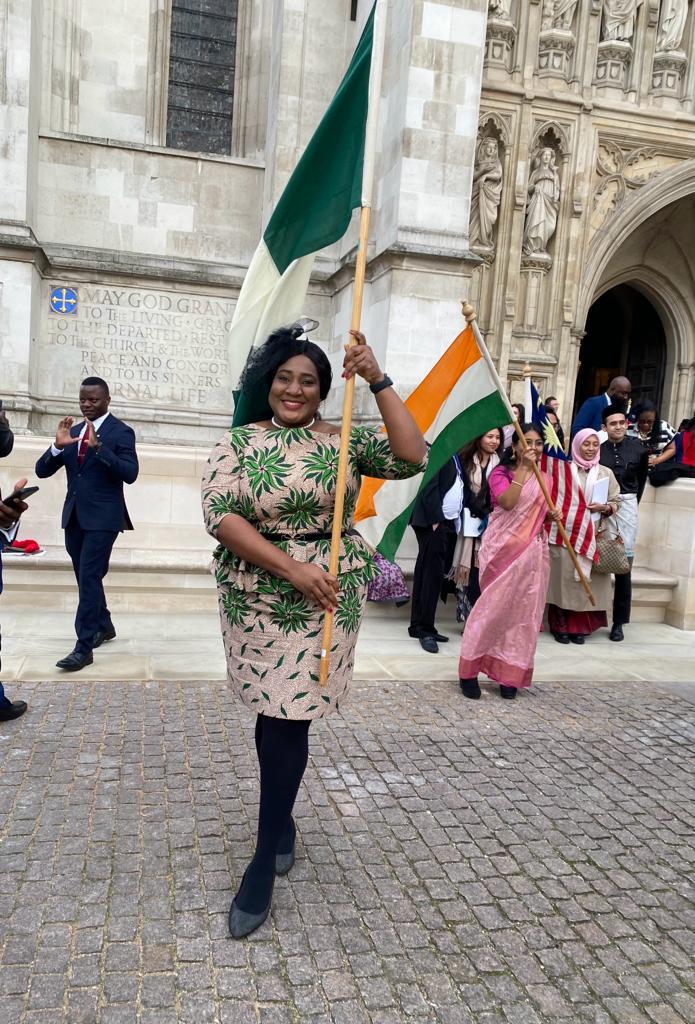
Mrs Chidinma Akaniro, M Phil student, University of Cambridge, UK
She said, “Someone told me that she separated from her spouse because she came to study in the UK at the early time of her marriage. The physical distance will cause a lot of turmoil. In fact, I dare say, that academic performance will be low because the students will no longer have the emotional and moral support of their families.
“Are you telling me I will come to the UK and leave my one-year-old at home in Nigeria and go back to meet a disoriented child? Nigerians may still be coming but it will be mostly with the single people, but married people have been barred. this a policy trying to divide families.”
Nigeria has the highest number of students in the UK from Africa. And the country is third in the number of foreign students after China and India, according to the UK education data group, Higher Education Statistics Agency (HESA).
HESA also revealed that nearly 100,000 Nigerian students enrolled in UK schools in the past five years. The figures were 99,985 to be precise. In the same manner, Nigerian students and their dependents contributed about £1.9 billion to the economy of the UK, according to SBM Intelligence.
And with this new visa restriction policy imposed on Nigerian families, the British economy will experience a financial loss.
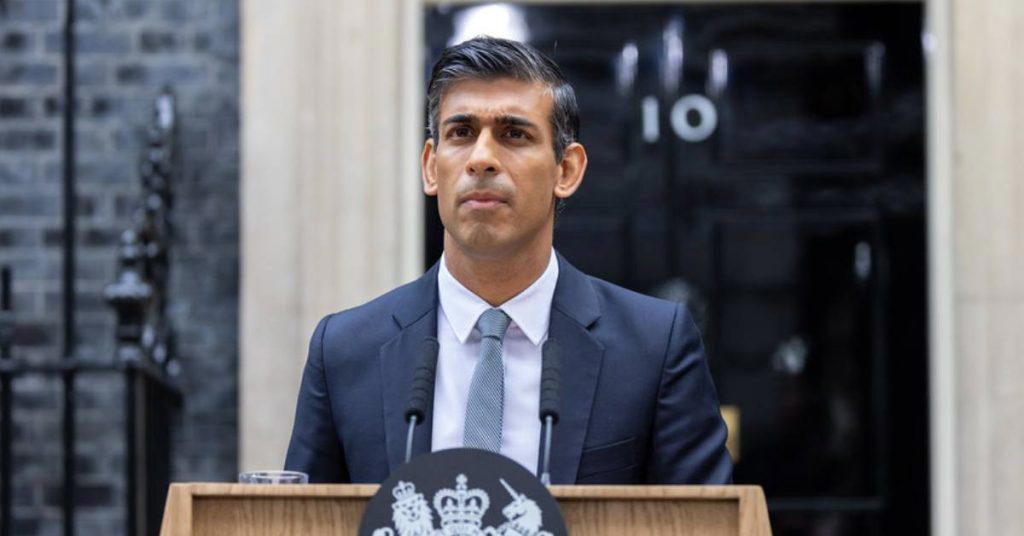
Rishi Sunak, UK PM
“However, we anticipate that the impact may not be as significant since the average age of international students typically falls within the 20-30 age range and are likely to be singles.
“Consequently, instead of observing a notable change in the proportion of international students, it is more likely that there will be a decline in the proportion of dependants accompanying them. Additionally, the UK government will experience a loss of income, including health surcharge fees.”
6. It could be temporary approach
Knowing that its economy would be adversely affected, the UK will most probably find another means to complement the policy. In other means, it could be a temporary policy to cut net migration.
Conclusion
It is greatly believed that Nigerians are assets to their host countries and the international community at large. If the UK perceives an adverse effect the reduction of Nigerian students in its schools will cause, it will come up with another policy.
“The UK needs Nigerians, and they will come up with something again in the nearest future,” Oloruntuyi added.
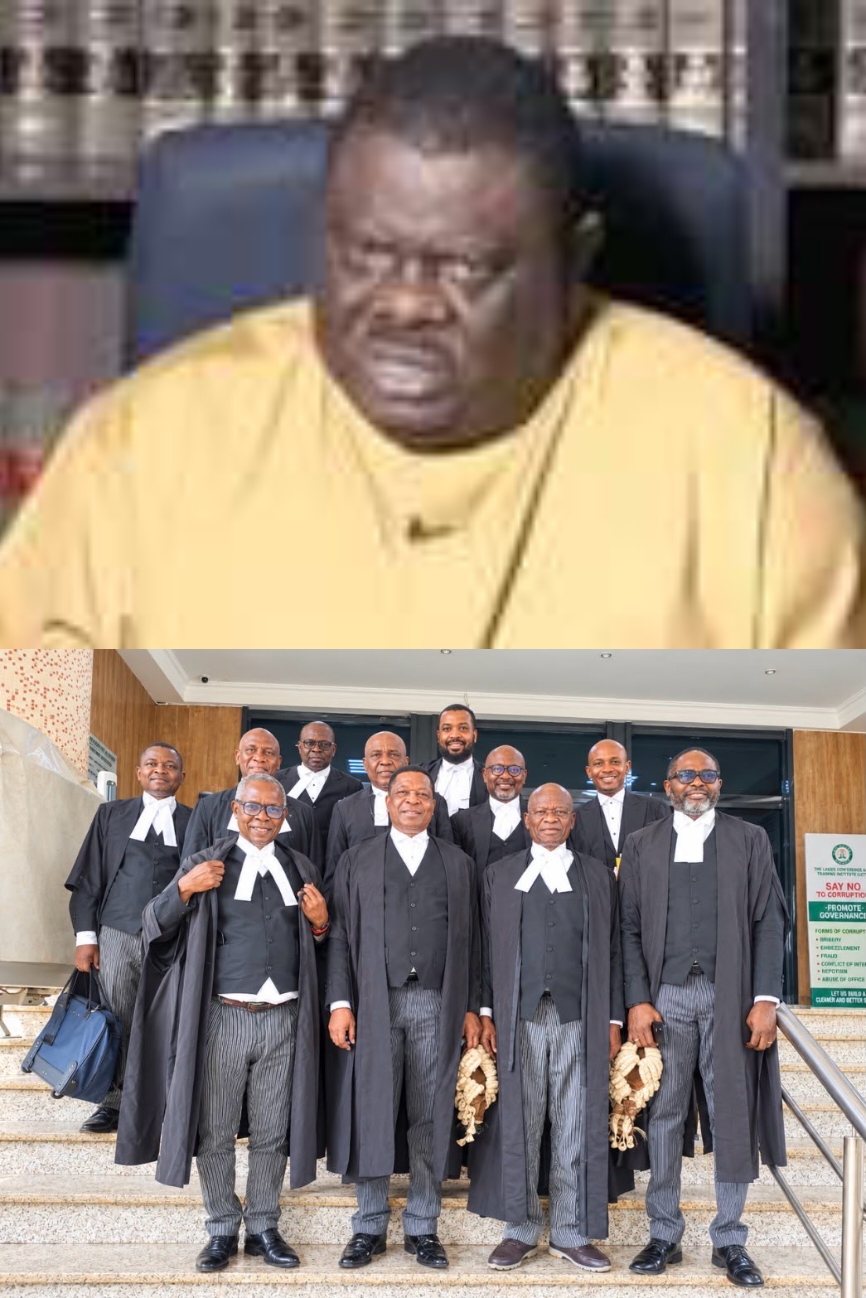
…As Court Reserves Judgment for November 16
The legal team representing the Peoples Democratic Party (PDP) governorship candidate in Benue State, Chief Michael Kaase Aondoakaa, SAN, has urged the Federal High Court, Abuja, to dismiss a suit challenging his candidacy for the 2027 governorship election for lack of competence.
Led by Prof. Anthony Ijohor, SAN, the legal team adopted Aondoakaa’s preliminary objection and urged the court to dismiss the suit in limine, arguing that it was not competent to proceed with the case.
The legal team headed by Prof. Ijohor, SAN, comprised other Senior Advocates of Nigeria, including Chiesonu I. Okpoko, SAN, Anthony A. Malik, SAN, and Mohammed Said Diri, SAN. Other members of the team were AT Kohol, Esq, Michael Gusa, Esq, Aleichenu Ogwuche, Esq, AJ Apera, Esq,
Matthew Onoja, Esq, DD Asema, Esq, and HT Ijohor, Esq.
The suit, marked FHC/ABJ/CS/2152/2026, was instituted by David Ejembi, Aondoaver Teryila, Joseph Okpanachi and Benedict Akaazua Orkume against the Independent National Electoral Commission (INEC), the PDP and Aondoakaa.
At the proceedings, counsel to the PDP, CT Mue, Esq, also adopted the party’s preliminary objection and urged the court to strike out the suit for lack of competence.
Counsel to the plaintiffs, Feng Pwajok, Esq, adopted the plaintiffs’ counter-addresses and written address in response to the preliminary objections. Prof. Ijohor subsequently adopted Aondoakaa’s further affidavit and reply on points of law, while Mue adopted the PDP’s reply on points of law.
On the substantive suit, counsel to the plaintiffs adopted their originating processes, while counsel representing the defendants adopted their respective processes. The plaintiffs’ counsel thereafter adopted further affidavits and replies on points of law filed in response to the submissions of the PDP and Aondoakaa.
Following the arguments, the court adjourned the matter to November 16, 2026, for judgment.
Aondoakaa, a former Attorney-General of the Federation and Minister of Justice, is the PDP’s duly nominated governorship candidate for the 2027 Benue State election.
News
“WIKE CANNOT CHOOSE A GOVERNOR FOR US!” — Group Rejects Alleged Rainbow Coalition Plot in Benue
The Benue Alliance for Good Governance and Accountability (BAGA) alleges secret political negotiations involving Wike, Akume and Ortom; insists Governor Alia should be allowed to complete two terms if re-elected.
BAGA has raised concerns over an alleged political arrangement involving prominent political figures, warning against any attempt to influence the outcome of the 2027 Benue State governorship election without the consent of voters.
In a statement signed by its President, Chief John Terfa, the group alleged that the Minister of the Federal Capital Territory (FCT), Nyesom Wike, was involved in discussions with the Secretary to the Government of the Federation (SGF), Senator George Akume, and former Benue State Governor Samuel Ortom over a proposed political alliance reportedly known as the “Rainbow Coalition”.
BAGA further alleged that Wike was seeking political control over five states under the Peoples Democratic Party (PDP) as part of the proposed arrangement to deliver President Bola Tinubu’s re-election in 2027, with Benue reportedly among the states being considered to hand over to Wike through the Rainbow Coalition.
The group also claimed that the alleged discussions were aimed at securing the emergence of former Attorney General of the Federation, Chief Mike Aondoakaa, as a preferred governorship candidate in Benue under the proposed coalition, despite Aondoakaa being banned from holding any political office for life by Supreme Court, due to unprecedented corruption and abuse of office when he was the Attorney General.
BAGA questioned why political actors from outside Benue should have a decisive influence over who governs the state, arguing that the choice of governor must remain with the electorate.
“Benue is not a political commodity to be traded behind closed doors in Abuja. The people of the state must have the final say on who governs them and the direction their state takes,” the group said.
The organisation alleged that Wike had held a series of meetings with Akume and Ortom in recent weeks to discuss the reported arrangement.
It further claimed that tensions arose during one of the alleged meetings at Akume’s residence in Abuja recently, where Wike was said to have questioned why Akume had allowed Governor Hyacinth Alia to become so politically powerful.
It was alleged that Wike demanded that Akume should make sure Governor Alia is not re-elected or declared winner in 2027 whether he wins or not and boast of having the judiciary under his control.
BAGA rejected what it described as an attempt to determine Benue’s political leadership through negotiations among powerful individuals, insisting that Governor Hyacinth Alia should be allowed to complete his constitutionally permitted tenure, if re-elected in 2027.
The group said it believed Alia’s administration was performing well in governance and development, adding that political alliances should not be used to undermine the democratic choices of the electorate.
It also criticised the record of Ortom’s administration and expressed concern about what it described as divisions within Benue’s political space arising from the influence of powerful political interests within and outside the state.
BAGA argued that any coalition seeking to influence the 2027 election should be based on transparent principles, competence, accountability and the interests of the people, rather than personal ambition or political bargaining in Abuja.
The group also challenged political actors seeking the support of President Bola Ahmed Tinubu to pursue their ambitions without attaching conditions that could compromise the democratic choices of the voters.
“Benue people are politically conscious. They will not surrender their future to a coalition of political interests formed without their consent,” the statement said.
The organisation called on voters, civil society groups and political stakeholders to remain vigilant and defend the state’s democratic rights ahead of the 2027 elections.
“Whatever colour it is given; Rainbow, PDP or otherwise, the people will reject any arrangement that threatens their collective interests and development,” BAGA said.
“Benue is not Rivers and we will not allow Wike from Rivers State to choose a governor for us in Benue State,” the group added.
According to BAGA, the central issue is whether political negotiations in Abuja will respect the right of Benue voters to determine their own leadership.
The group maintains that the state’s governorship should not be decided through private agreements among political power brokers, but through a democratic process in which the people have the final say.
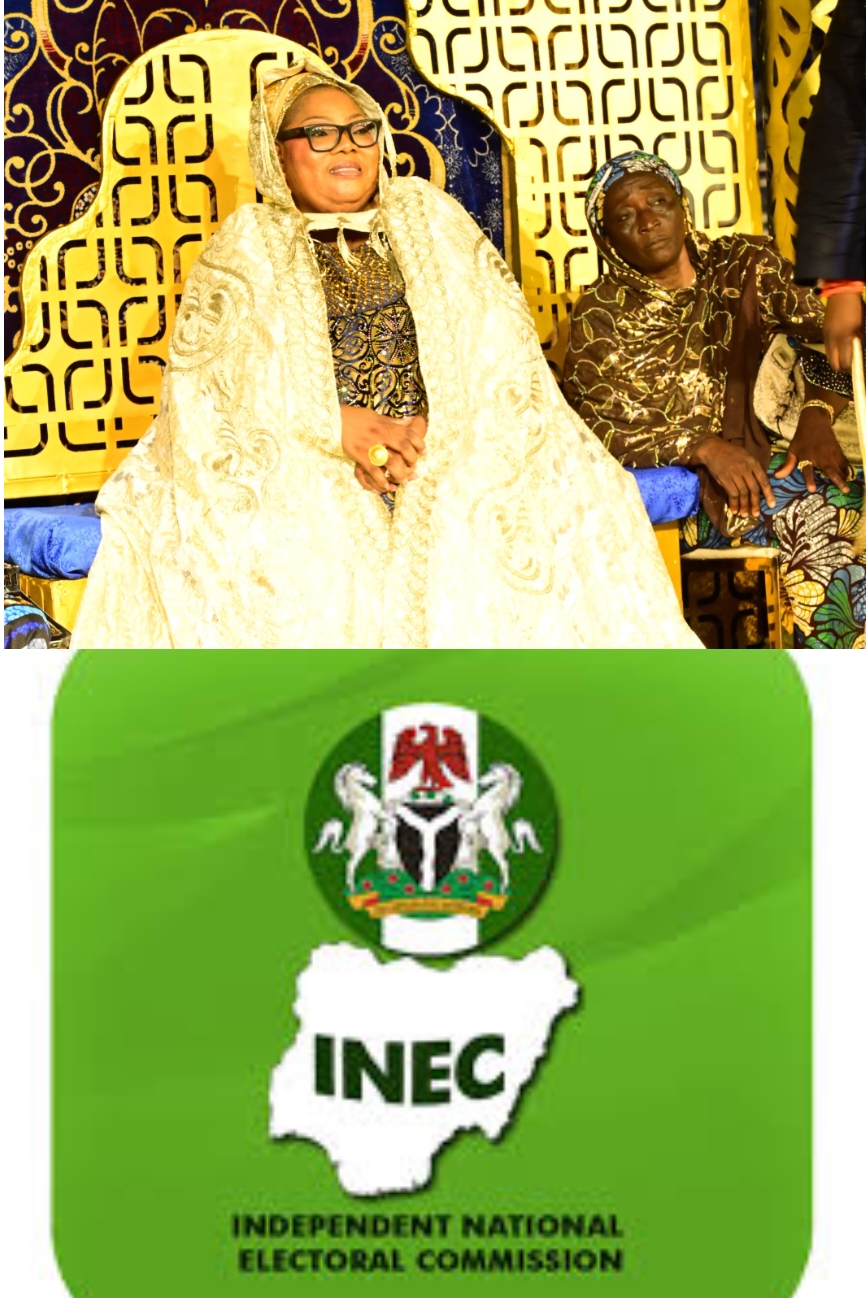
The Coalition of Civil Society Organisations Against Corruption (COCSOAC) and 33 partner civil society organisations have expressed confidence in the Independent National Electoral Commission (INEC), urging Nigerians to treat recent reports concerning the commission with caution and rely only on verified facts.
The coalition, in a statement signed and issued in Abuja on Tuesday by its President, Bola Ademola, and National Secretary, Comrade Abdulfatah Aliyu, the group said while INEC must be held accountable where necessary, criticisms of the electoral body should be based on credible evidence, due process and an opportunity for affected parties to respond.
COCSOAC was reacting to an online publication alleging questionable staff redeployments within INEC, including the reported reassignment of a Northern director and the deployment of South-West officials to key departments.
The coalition said it had not independently verified the alleged redeployments or the motives behind them, warning that claims of political interference or ethnic favouritism should therefore not be treated as established facts.
“Assuming without conceding that the redeployments occurred as reported, staff reassignment is a recognised administrative practice that may serve legitimate purposes, including operational efficiency, professional development and improved management,” the group said.
It maintained that the geographical origin or family associations of an INEC official could not, on their own, establish bias or an intention to manipulate elections.
According to the coalition, the more important questions should be whether the decisions complied with applicable rules, received proper authorisation and were based on legitimate administrative considerations.
COCSOAC consequently urged INEC to clarify the circumstances surrounding the reported redeployments where necessary, while appealing to the media and civil society organisations to avoid drawing premature conclusions from unverified reports.
The group also congratulated INEC Secretary, Dr Rose Oriaran Anthony, on her turbaning, describing institutional experience, diligence and administrative continuity as important factors in the management of elections.
It appealed to President Bola Ahmed Tinubu to consider Oriaran Anthony for reappointment as INEC Secretary when her tenure expires, subject to applicable laws and established appointment procedures.
COCSOAC said its appeal was not a demand for an appointment outside the law but was based on the need to preserve institutional knowledge and strengthen coordination ahead of the 2027 general elections.
“Where an experienced incumbent has demonstrated the requisite commitment and competence, continuity may help preserve institutional knowledge, strengthen coordination and support preparations for peaceful, credible and well-organised elections,” the coalition said.
It, however, stressed that any decision on the matter must be guided by legality, INEC’s independence and the integrity of the electoral process.
The coalition called on political actors, civil society organisations, the media and other stakeholders to protect public confidence in Nigeria’s electoral institutions through evidence-based engagement, transparency and respect for due process.
It said its position was not that INEC should be shielded from scrutiny, but that allegations against the commission must be verified and affected institutions given a fair opportunity to respond.
“As the nation approaches another critical electoral cycle, accountability, institutional stability and the rule of law must remain central to the collective pursuit of credible elections,” COCSOAC said.


ON BORNO ADC’S LAME REJOINDER: MY RESPONSE.

Alleged Human Trafficking: Two Suspects In NSCDC’s Net

Kwara: Physically challenged man, two others held for alleged arms supply to criminals

-
 Uncategorized6 years ago
FG, states urged to harness flooding for ranching, others with technology – Agbaje
-
 Headlines11 years ago
Breaking: EFCC seals Borno House of Assembly, as Hon members take to their heels
-
 News12 years ago
Nigeria Security Operatives Stage Manhunt For Homosexual Perpetrator
-
 News10 years ago
How 21-year-old Girl fled community over accusation of lesbianism
-
 News11 years ago
Yobe Gov Moves Against Deputy
-
 Opinion7 years ago
7 signs she has friend zoned you
-
Technology5 years ago
Online job placement company headhunts women
-
 Headlines10 years ago
Borno Dep Gov Abducts Another Church Leader