
News
$3tr needed to bridge infrastructural deficit in Nigeria—Osinbajo

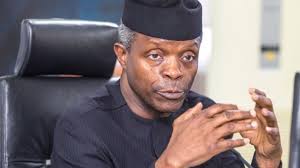
Vice President Yemi Osinbajo says three trillion dollars is needed to bridge the infrastructural deficit in Nigeria over the next 30 years.
He said that adopting new models of investments for infrastructural development in the country was imperative as reliance on public expenditure alone was no longer sufficient to meet the needs.
Osinbajo’s spokesman, Laolu Akande, in a statement on Thursday in Abuja, quoted the vice president as saying these while featuring at a webinar organised by the Bureau of Public Enterprises (BPE).
The forum was to discuss measures to deepen Nigerian infrastructure stock through Public-Private Partnership (PPP).
Osinbajo said that in spite of government’s interventions over the years, Nigeria still faces a huge infrastructural deficit which is constraining rapid economic growth.
The vice president made reference to statistics provided in the Nigerian Integrated Infrastructure Masterplan (NIIMP) and the Economic Recovery and Growth Plan.
“The Federal Government recognises this fact which is why we are considering other approaches to complement and boost financing for the development and maintenance of infrastructure in Nigeria.
“It is clear that this deficit can only be made up by private investment.
“Private sector is 92 per cent of GDP while the public sector is mere eight per cent; so, the synergy between the public and private sector through Public-Private Partnerships (PPP) is really the realistic solution,” the statement qouted him as saying.
Osinbajo said that the Federal Government would have to spend the entire revised 2020 appropriation of N10.81 trillion continuously for the next 108 years or more on capital expenditure (CAPEX) to meet that target.
” The fact that only N2.49 trillion was appropriated for capital expenditure in 2020, reflects the importance of deliberate and pragmatic action to boost infrastructural spending.
“It seems to me to be quite clear that the financial outlay and management capability required for infrastructural development and service delivery outstrip the financial and technical resources available to government.
“In other words, the traditional method of building infrastructure through budgetary allocations is inadequate and set to become harder because of increasingly limited fiscal space,” he said.
On the benefits of effectively implementing PPP arrangement for Nigeria, he said if properly designed and executed, PPP models would unlock innovative infrastructure financing and management in a transparent and more efficient manner.
According to him, Nigeria using PPP frameworks will benefit immensely from huge local and foreign private sector resources.
He said that the Federal Government was leveraging on the partnership with the private sector to bridge the huge infrastructure gap.
“The Federal Government has recently issued a circular on the administration of PPP projects in the country to provide the much-needed clarity.
” The circular re-emphasises that the BPE shall be responsible for the concession of public enterprises and infrastructure already listed in the First and Second Schedules of the Public Enterprises Act.
“The circular equally stipulates that the BPE shall act on behalf of the Federal Government as the counterparty on all infrastructure projects being developed on a PPP basis,” he said.
He said the Infrastructure Concession Regulatory Commission (ICRC) would continue to act as the regulatory agency for PPP transactions with powers to inspect, supervise and monitor projects and processes in order to ensure compliance with relevant laws, policies and regulations.
” It is expected that this new policy direction would provide clarity to stakeholders and foster the improvement of PPP programmes in the country.
” Ministries, Departments and Agencies as well as the multilateral agencies and our development partners are urged to support the PPP policy objectives and institutional arrangements already put up by government,” he said.
He said that the Federal Government through the CBN, Nigerian Sovereign Investment Authority and African Finance Corporation and other financial institutions would be creating a N15 trillion Infrastructure Fund.
According to him, the fund will help to, not only unlock investment from local sources, but also attract foreign private investment in infrastructure development.
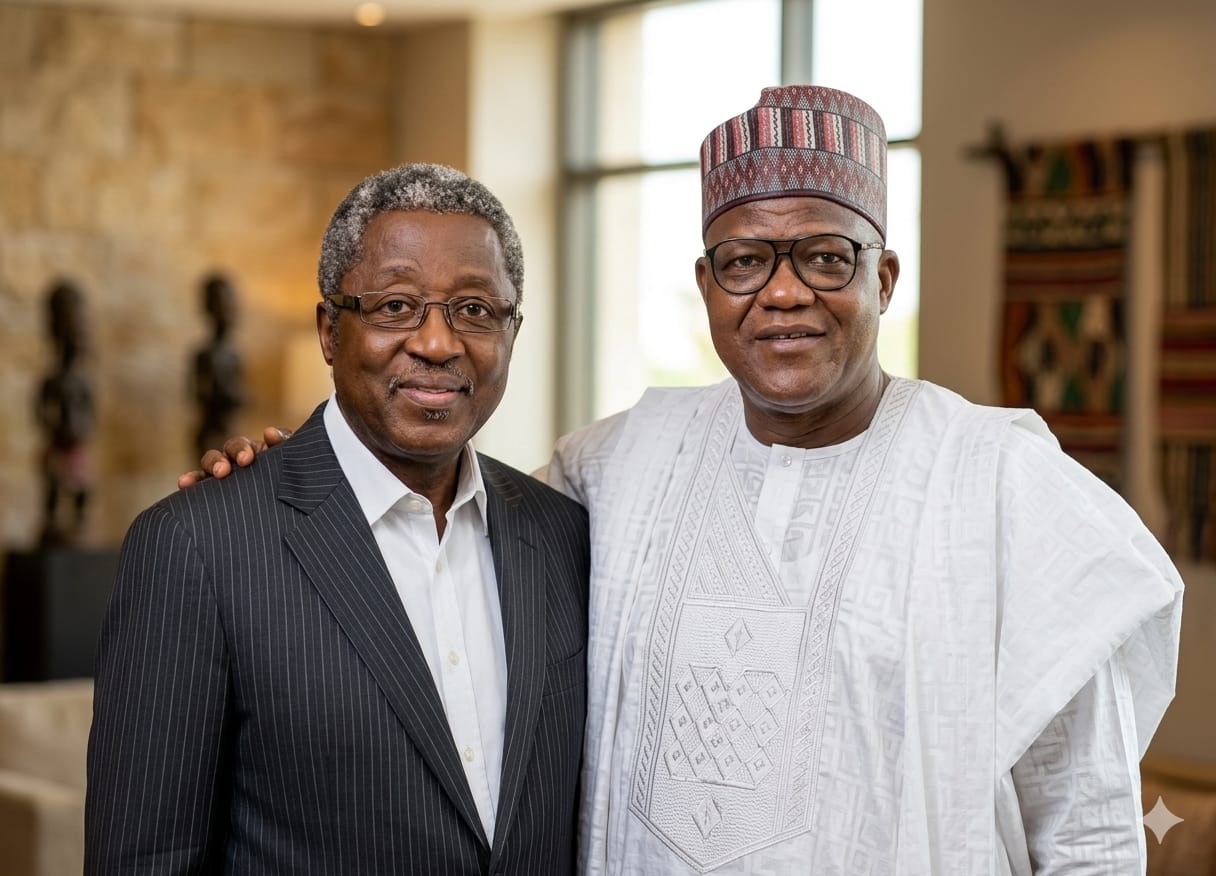
Former Speaker of the House of Representatives and Chairman, Board of Trustees of the National Credit Guarantee Company Limited (NCGC), Rt. Hon. Yakubu Dogara, has joined Nigerians in celebrating Former Governor Jonah Jang, fondly called Baba Jang, as he clocks 82 years.
In a glowing tribute, Dogara described Baba Jang as a visionary leader whose life and service remain a beacon of hope for generations. He noted that Jang’s tenure as Governor of Plateau State was marked by courage, foresight, and an unwavering commitment to peace, unity, and development.
“Baba Jang’s life is a testimony of service and sacrifice. He invested in infrastructure, strengthened institutions, and worked tirelessly to foster unity in Plateau State. His leadership was never about personal gain but about building lasting foundations for progress,” Dogara said.
He further emphasized that Jang’s integrity, resilience, and mentorship have shaped leaders across Nigeria, adding that his legacy continues to inspire beyond the boundaries of Plateau State.
“As he celebrates 82 years, we honor him not just for the offices he has held, but for the enduring impact he has made on countless lives. Baba Jang remains a statesman, a father figure, and a model of quality leadership,” Dogara added.
The tribute underscores Baba Jang’s enduring influence in Nigerian politics and governance, highlighting his role as a leader whose footprints on the sands of time cannot be erased.

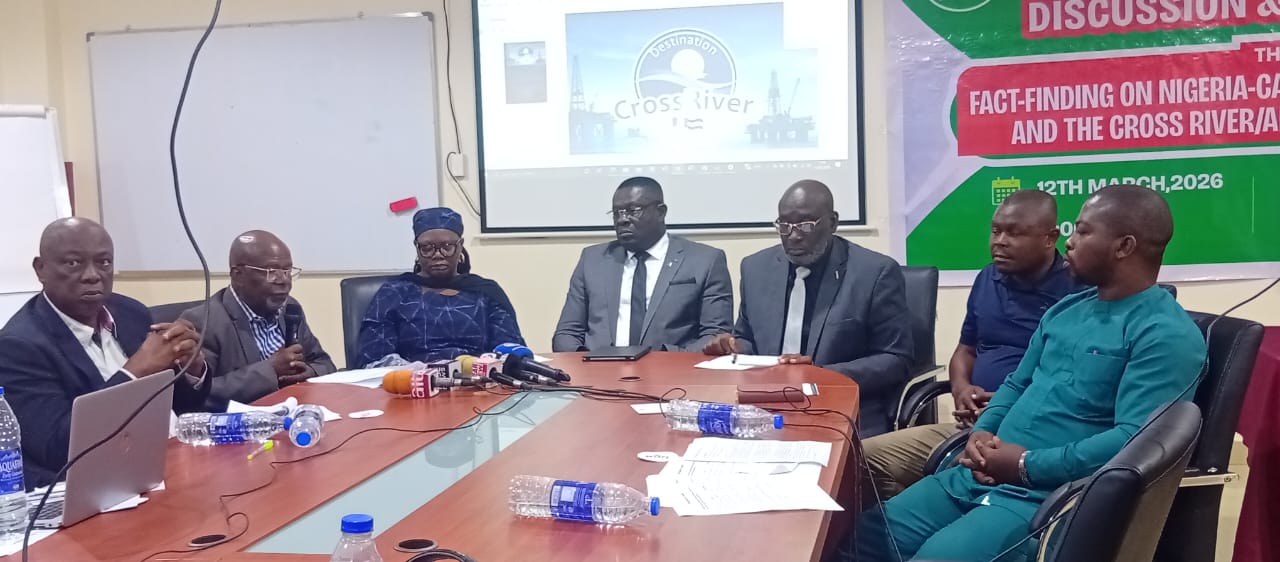
A coalition of Civil Society Organizations (CSOs), maritime experts and policy advocates has raised serious concerns over Nigeria’s maritime boundary management and the allocation of offshore oil wells, calling for urgent intervention by the Federal Government.
The concerns were presented on Thursday in Abuja during a civil society roundtable where the coalition leader, Dr. Gabriel Nwambu, addressed stakeholders and unveiled the communiqué issued after a recent verification mission to Nigeria’s offshore maritime corridor bordering Cameroon and Equatorial Guinea.
The communiqué followed a technical fact-finding and verification exercise conducted at sea on February 28, 2026, focusing on Nigeria’s offshore hydrocarbon blocks OML 114, OML 115 and OML 123 as well as the maritime boundary areas involving Nigeria, Cameroon and Equatorial Guinea.
Dr. Nwambu explained that the mission involved maritime governance stakeholders, mapping professionals and public policy experts who undertook physical observation of the maritime corridor, technical mapping verification and consultations with relevant authorities.
According to the coalition, the mission sought to independently verify the status of Nigeria’s maritime boundaries, offshore hydrocarbon entitlements and the implications of administrative and regulatory decisions affecting the Cross River maritime corridor.
ICJ Judgment Clarified
Presenting the findings, the coalition noted that the 2002 judgment of the International Court of Justice (ICJ) between Nigeria and Cameroon ceded only specific settlements in the southern Bakassi Peninsula — Atabong, Akwabana and Archibong Town — to Cameroon.
The coalition stressed that several areas often assumed to have been ceded were not included in the ruling.
“The Cross River Estuary and the western Bakassi peninsular islands of Dayspring I and II, Abana and Kwa Island were not ceded under the ICJ judgment,” the communiqué stated.
The group further emphasized that Nigeria still maintains maritime boundary continuity between the Cross River Estuary and the Akwayefe River Estuary based on the ICJ cartographic evidence and the physical geography of the region.
Dr. Nwambu also clarified that the Cross River Estuary remains Nigeria’s natural maritime gateway to the Atlantic Ocean and provides Cross River State with direct offshore access.
Questions Over Boundary Management
A major concern raised by the coalition relates to the actions of the National Boundary Commission (NBC) in implementing the Offshore/Onshore Dichotomy Abrogation Act using what it described as a temporary implementation map.
According to the communiqué, the baseline drawn from Tom Shot into the Cross River Estuary effectively closed the estuary’s mouth to the sea, thereby rendering Cross River State non-littoral.
The coalition warned that this development raises serious constitutional, economic and national security concerns.
It further criticized the NBC for failing to demarcate the Nigeria–Cameroon maritime boundary more than two decades after the ICJ ruling, stating that continued reliance on the temporary map could jeopardize Nigeria’s territorial integrity.
The report also alleged that the situation has effectively resulted in the ceding of about 780 hectares of maritime waters within the Cross River Estuary toward the Akwayefe River Estuary to Cameroon.
Oil Wells and Revenue Concerns
Beyond boundary issues, the civil society coalition raised alarm over oil revenue allocation and the management of transboundary oil fields.
According to the findings, the failure of relevant institutions to brief the President on key inter-agency reports could prevent Nigeria from exploiting 49 identified transboundary oil wells located within OML 114 in the Cross River Estuary.
The coalition also raised concerns over alleged financial irregularities relating to the Ekanga and Zafiro transboundary oil fields jointly developed by Nigeria and Equatorial Guinea.
It alleged that more than ₦33 billion may have been approved from the Federation Account in favour of Akwa Ibom State without clear presidential authorization.
The group further questioned whether revenues from the Ekanga and Zafiro fields — estimated at over $8 billion — had been properly remitted into the Federation Account.
Call for Presidential Intervention
To address the concerns, the coalition recommended several urgent measures, including a presidential review of the 2024 and 2025 inter-agency oil verification reports affecting Cross River and Akwa Ibom states.
It also called for the proper demarcation of the Nigeria–Cameroon maritime boundary in line with the ICJ judgment and the establishment of a Presidential Special Investigation Panel to probe the alleged loss of Nigerian maritime waters.
Other recommendations include a forensic audit of revenues from the Ekanga and Zafiro oil fields, investigation into the alleged ₦33 billion payment approvals, and diplomatic engagement with Cameroon to develop transboundary reservoir agreements.
The coalition also urged the Federal Government to restore and recognize Cross River State’s littoral status based on the geographic and legal status of the Cross River Estuary.
National Security Implications
In its concluding remarks, the coalition warned that the issues uncovered during the verification mission have far-reaching implications for Nigeria’s territorial integrity, maritime sovereignty, national security and oil revenue accountability.
Dr. Nwambu called on the President to treat the matter with urgency, stressing that transparent management of maritime boundaries and offshore resources remains critical to Nigeria’s economic stability and geopolitical standing.
The communiqué was jointly signed by representatives of the coalition of civil society organizations, maritime policy experts, technical observers and economic governance accountability groups.
News
Nigerian Youth Storm National Assembly Demands Access to Present Dishonourable Award to Senator

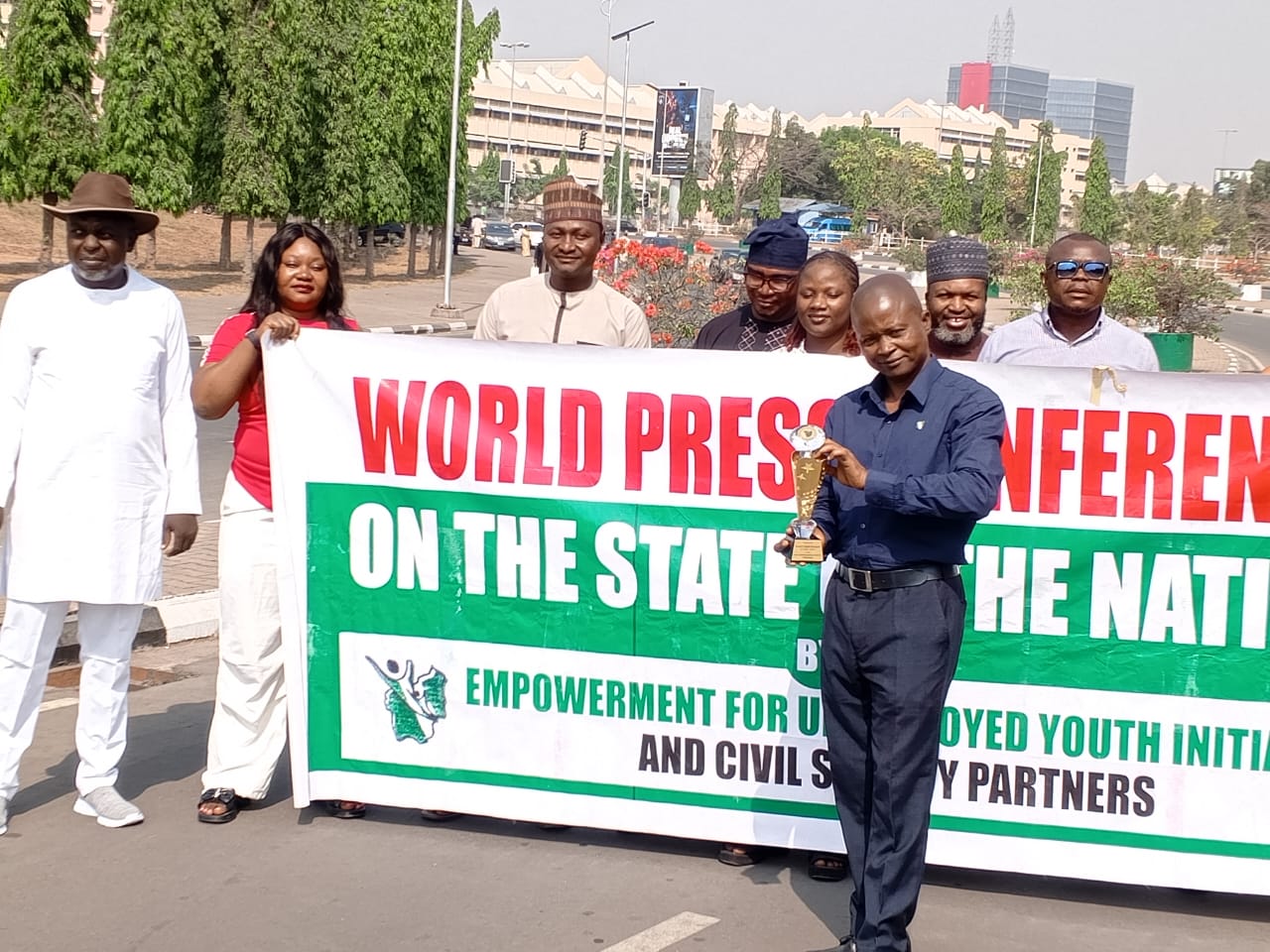
Nigerian Youth under the leadership of Empowerment for Unemployed Youth Initiative (EUYI) on Tuesday stormed the National Assembly to present Senator Olajide Ipinsagba with the Most Dishonourable Senator of the year award.
EUYI previously threatened to present the Senator with the award, citing a plethora infractions and unwholesome dealings especially with his legislative aids and associates.
The group urged the Senate President to grant them access to the hallowed chambers to make the presentation as wake up call to other public servants.
Addressing the press at the National Assembly complex, Comrade Danesi Momoh Prince disclosed that they had gathered as early as 7 am at the National Assembly gate only to discover that the Senate is not sitting and that the embattled Senator was absent despite prior information.
“We’re angry that Senator Olajide Ipinsagba has refused to show up and collect his award for his dishonourable conduct especially as it pertains the exploitation and underemployment of Nigeria youth under his office
“How can a Senator be paying his legislative aid 30,000 naira when the national minimum wage is 70,000 Naira? Is he the only one that needs money? Is it not wickedness to treat unemployed Nigerian youth like that?”, he queried.
The group vowed to go ahead and present the award to the Senator in person, be it in the Senate Chambers or his house. We shall however not give the award to anybody but the senator due to the “seriousness of his offense”


Dogara Celebrates Baba Jang at 82, Hails Him as a Visionary Statesman

I’ ll contest for Nasarawa Governor in 2027, says Ombugadu

Oborevwori Hails Traditional Rulers as Pillars of Peace, Development

-
 Uncategorized5 years ago
FG, states urged to harness flooding for ranching, others with technology – Agbaje
-
 Headlines10 years ago
Breaking: EFCC seals Borno House of Assembly, as Hon members take to their heels
-
 News12 years ago
Nigeria Security Operatives Stage Manhunt For Homosexual Perpetrator
-
 News9 years ago
How 21-year-old Girl fled community over accusation of lesbianism
-
 News10 years ago
Yobe Gov Moves Against Deputy
-
 Opinion7 years ago
7 signs she has friend zoned you
-
Technology4 years ago
Online job placement company headhunts women
-
 Headlines10 years ago
Borno Dep Gov Abducts Another Church Leader