
Politics
Asset declaration effective tool to fight corruption -NILDS D-G

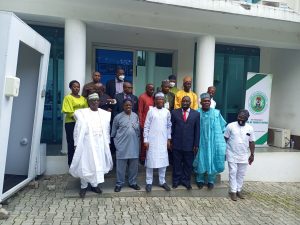
Prof. Abubakar Sulaiman, Director-General, National Institute of Legislative and Democratic Studies (NILDS), says asset declarations of public officials are a powerful tool to prevent corruption, detect illicit enrichment and conflicts of interests in public service.
Sulaiman made this known at a one-day workshop on “Strict Compliance with Asset Declarations and Code of Conduct for Public Officials” held in Abuja on Friday.
Our correspondent reports that the training was organised by Code of Conduct Bureau (CCB) in collaboration with NILDS for senior staff of the institute.
Sulaiman, while underscoring the importance of asset declarations in the prevention of corruption, said the 1999 constitution and the CCB/Code of Conduct Tribunal Act made it mandatory for public officers and civil servants across the levels of government to periodically declare their assets.
“In general, asset declarations tend to be more successful if they are available for public scrutiny.
“Effective asset declarations practice should entail publishing asset disclosure digitally on a central platform in an open data format.
“This can multiply their anti-corruption value, as civil society, the media and the general public will have access and hence, better engage in the oversight process.”
He commended the Chairman and Board of the Bureau for actively repositioning the Bureau towards actualising its mandate of maintaining a high standard of morality in the conduct of government business.
Sulaiman also noted that NILDS would undertake an amendment of the Constitution to limit the list of public officers required to declare their assets and liabilities based on defined criteria.
“We will also work to improve the funding of the Bureau by placing it on the first-line charge to improve its operations and staff welfare, undertake verifications and ensure effective enforcement.”
The director-general expressed optimism that through the training, staff of the institute would better understand the importance of the code of ethics in government business and the constitutional responsibilities of the CCB.
“As senior officers, we are stewards who must be transparent and accountable in the use of government resources to justify public trust,” Sulaiman said.
In his remarks, Chairman, CCB, Prof. Muhammed Isah said that the main function of CCB was to enforce and ensure that public officers complied with the code of conduct of public officers which were listed in Schedule Five Part One of the Constitution.
Isah, who was represented by Mr Ubolo Okpanachi, a Board Member of CCB said the bureau also had the mandate of receiving complaints from any person against any public officer as to failure to comply with the code of conduct of public officers.
“If such claims are received, we also have the mandate to investigate them and then come out with our findings.
“Where our findings warrant taking action at the Code of Conduct Tribunal (CCT), which is our own court, then the matter will be referred to the CCT for ajudication.
“It is also in the CCB mandate to ensure that when a public officer is in the office, he is not supposed to manage any other business apart from his office because he is on full time appointment.”
By Francis Wilfred
President Bola Tinubu has assured local and international investors that Nigeria remains open for business, saying his administration is implementing reforms aimed at creating a more predictable, competitive and investment-friendly environment.
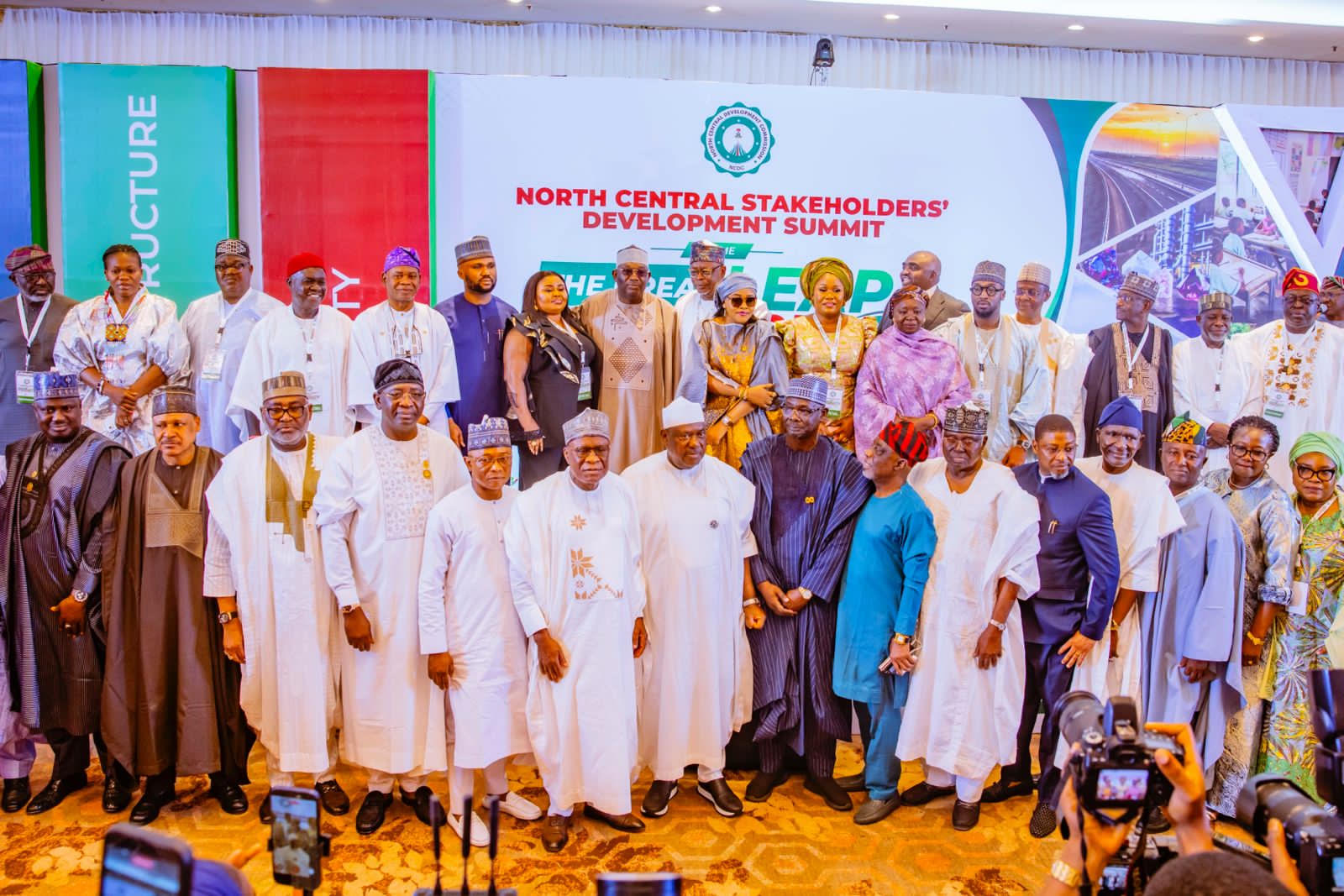
Speaking through the Secretary to the Government of the Federation (SGF), Senator George Akume, at the 75th anniversary celebration of the Nigerian Bottling Company (NBC) in Abuja on Monday, the President said the government is addressing key challenges facing businesses under the Renewed Hope Agenda.
“Our message to investors, both Nigerian and international, is clear: Nigeria is open for business,” Tinubu said,
He noted that reliable infrastructure, efficient logistics, access to foreign exchange, stable regulations and a supportive tax system are critical to attracting investment and expanding production.
According to Yomi Odunuga, the President said ongoing economic reforms are designed to build a more productive and competitive economy, reduce dependence on imports, strengthen local manufacturing and create jobs for Nigerians.
Tinubu welcomed the Coca-Cola System’s proposed $1 billion investment in Nigeria over five years, announced in 2024, describing it as a strong vote of confidence in the country’s economy.
He said the administration is focused not only on the volume of investment attracted but also on its impact on employment, skills development, technology transfer and local sourcing.
“We are interested not only in the amount of capital that comes into Nigeria, but in what that capital does here,” he said.
The President also praised NBC’s continued expansion of production capacity, including new production lines in Oyo and Kano states, describing such investments as vital to strengthening Nigeria’s industrial base.
He reaffirmed the government’s commitment to improving policies, infrastructure and regulations to support businesses, while urging the private sector to complement government efforts through investment, innovation and job creation.
Tinubu further highlighted the importance of human capital development, commending NBC’s Supply Chain Academy for training over 1,400 young Nigerians and supporting women’s empowerment and community development initiatives.
He urged investors to take advantage of opportunities across Nigeria, expressing confidence that the country can build a stronger economy driven by local production, exports and globally competitive industries.
Politics
Kano Governorship: Accord Party Governorship Candidate Gashash Getting More Endorsement From Kano Electorates.

By Jabiru Hassan.


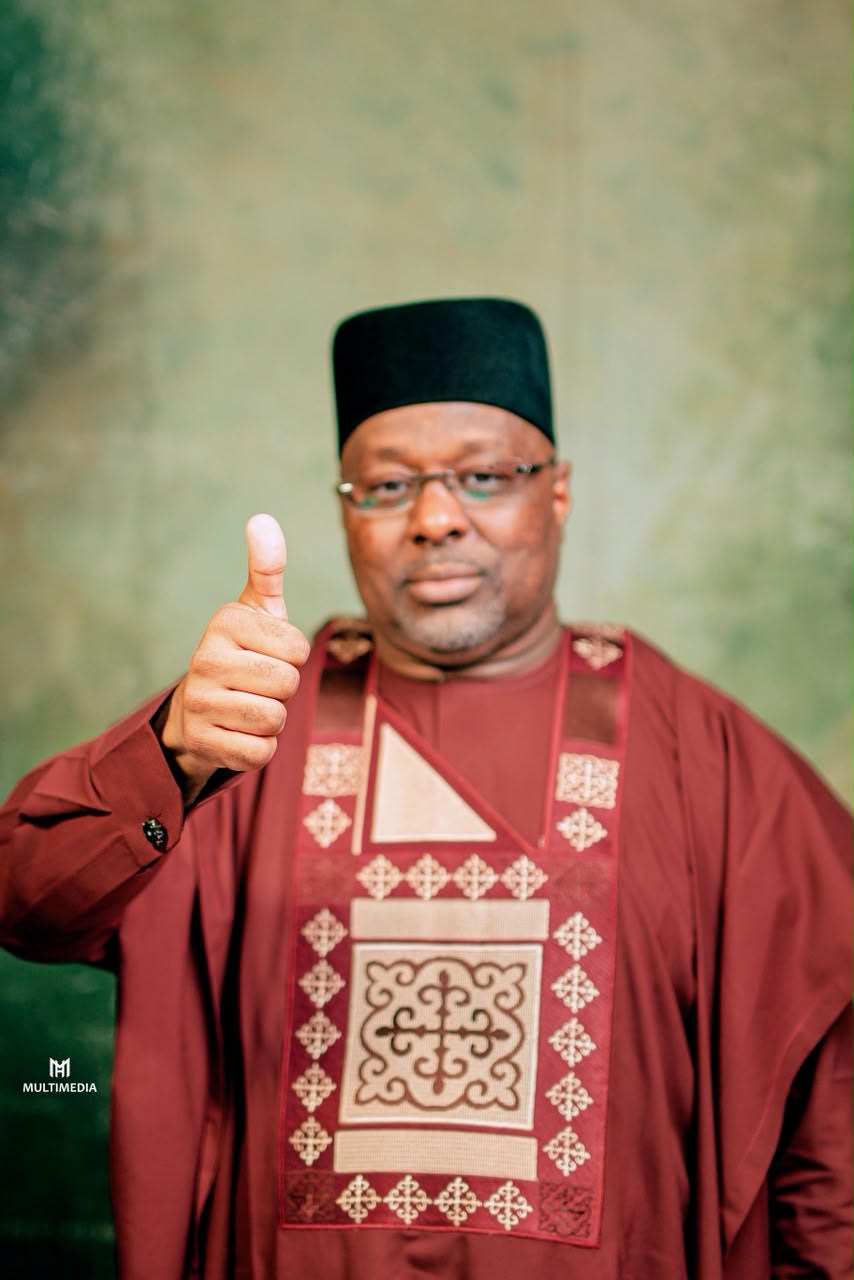
The movement for Democratic Protection and good governance (MDSG) declared it's full support to the Accord Party Governorship Candidate Ambassador Dr. Mukhtar Gashash in the forthcoming general elections.

In a chat with our correspondent in kano, the national president of the movement, Alhaji Dauda Mohammed Ali,  stated that it is time for the people of kano state to bring new steward who is seriously planning to transform the state with highest regard.

He expressed his confidence that Ambassador Dr Mukhtar Gashash will do his best to ensure that kano state becomes more examplary at both sector without bias which is the task previous administrators failed to achieve.

Alhaji Dauda Mohammed Ali reiterated that " this time around, our movement is working day and night to make sure that Kano people mostly youths remained Committed to actualize real change in the state's politics, leadership and transformation under the Accord Party government".

He called on the people of kano state especially the eligible voters to vote Ambassador Dr Mukhtar Gashash due to his Transformation plans for the progress of kano state and it's citizens at both Urban and rural settlements.

Responding to a question about Accord party's strength in kano state, Dauda Mohammed Ali disclosed that in today's democracy, competent candidates should be tipped for an elective positions not the popularity of the political parties stressing that Ambassador Dr Mukhtar Gashash has been found to be the best option for kano state due to his track record on competency, transparency as a real democrat.

There are growing questions about where Mr. Samuel Ortom, a former Governor of Benue State and a prominent figure in the People’s Democratic Party (PDP), truly stands politically ahead of 2027.
Ortom was a key figure in the divisions within the PDP before the 2023 general elections and was widely associated with support for Mr. Peter Obi, who finished third in that contest. More recently, however, he has publicly expressed support for President Bola Ahmed Tinubu’s administration.
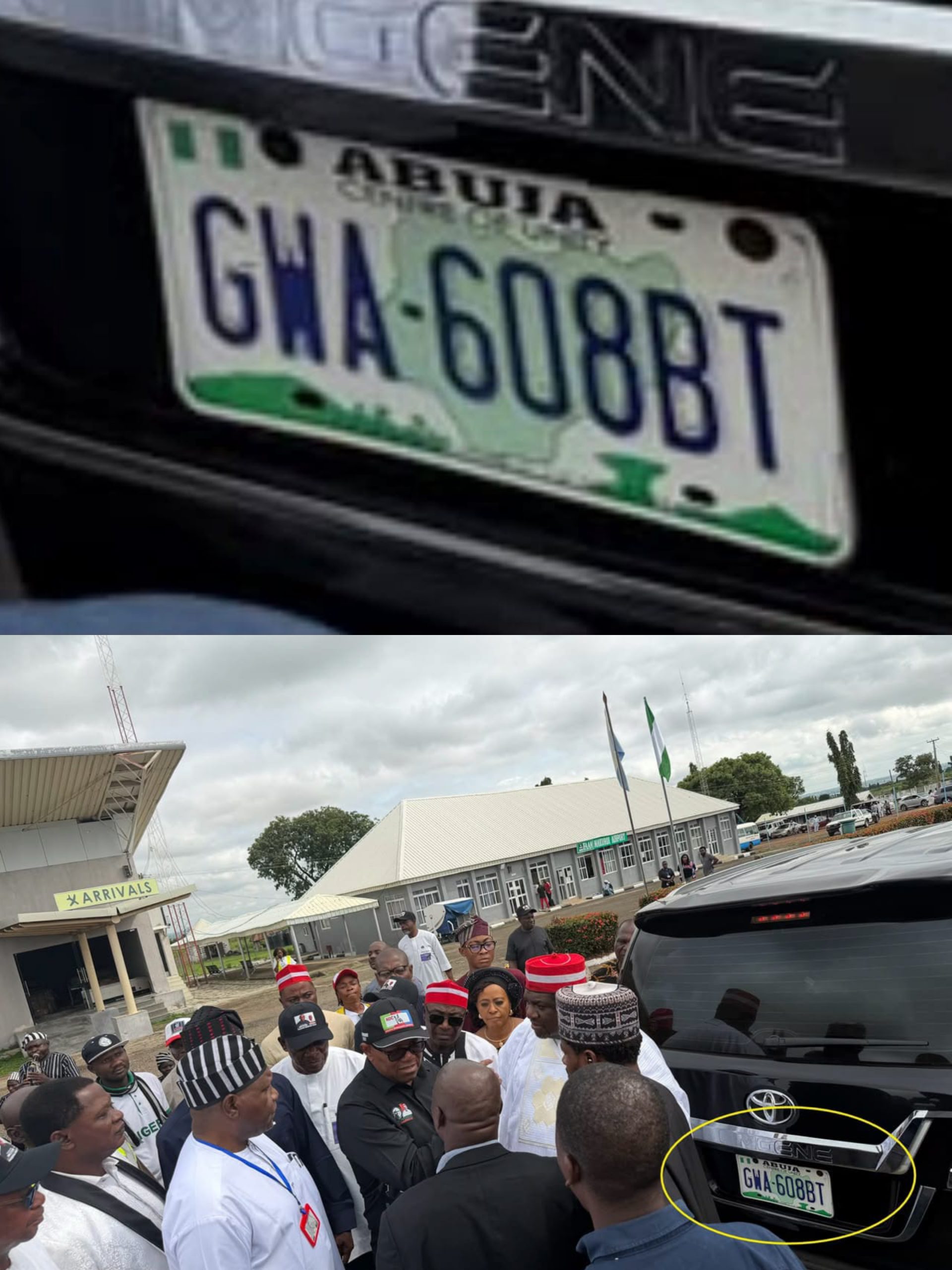
The latest discussion began after a visit by Mr. Peter Obi to Benue State. Reports indicate that a vehicle said to belong to Ortom was used to receive Obi at the Air Force Base airport in Makurdi. It is not clear who authorized the use of the vehicle, and Ortom has not commented publicly on the matter.
During the same visit, Obi was reportedly prevented from travelling to Yelewata, where he had intended to condole with families affected by violence. Obi’s team attributed the blockage to supporters of Governor Hyacinth Alia.
The Governor’s spokesman, Sir Tersoo Kula, denied any involvement by the Governor. He suggested the incident may have been staged to damage the Governor’s reputation, or that it could have resulted from disagreements within Obi’s own support base.
Ortom has not issued a statement clarifying his position on the 2027 elections or on the vehicle in question. Attempts to reach him were unsuccessful at the time of reporting.


Changsha brings millennia-old heritage into modern life

Gov AbdulRazaq Lauded Over Conferment Of Sadauna Of Ilorin Title

FG Commissions KWASU ICT Centre To Enhance Graduates Employability

-
 Uncategorized6 years ago
FG, states urged to harness flooding for ranching, others with technology – Agbaje
-
 Headlines11 years ago
Breaking: EFCC seals Borno House of Assembly, as Hon members take to their heels
-
 News12 years ago
Nigeria Security Operatives Stage Manhunt For Homosexual Perpetrator
-
 News10 years ago
How 21-year-old Girl fled community over accusation of lesbianism
-
 News11 years ago
Yobe Gov Moves Against Deputy
-
 Opinion7 years ago
7 signs she has friend zoned you
-
Technology5 years ago
Online job placement company headhunts women
-
 Headlines10 years ago
Borno Dep Gov Abducts Another Church Leader