
News
NASC partner others to review regulations, guidelines of the PVP Act

…..Says PVP Act No 82 providing IP rights to breeders, developers, owners of plants varieties, in Nigeria.
The National Agricultural Seed Council, Plant Variety Protection (PVP) Office in Collaboration with New Market Lab and Syngeta Foundation organised a two-day workshop to conduct a review and validation of the PVP regulations for Nigeria in Abuja.
The PVP Act provides the developers of new varieties of plants, the Intellectual property IP right which protects the reproduction and use of the varieties that are being produced. These varieties are protected by the PVP act which ensure that certified seeds can be sold only with the permission of the certificate holder. The PVP Act No 82 was signed into law by the President in June 2021.
The Act provides IP rights to the breeders, developers, and owners of plants varieties, the act provides protection for all species and genera crops in Nigeria.
Mr Charles Onwuka, a Senior Agric Officer, office of the Director-General NASC speaking with newsmen, disclosed that “ Programmes aim is to review the regulations and guidelines of the PVP Act in order for it to be operational in Nigeria.
He stated “Basically being an act on itself, it’s not sufficient, but we also need regulations and guidelines to implement an act, we have a draft regulation, that has been enriched and worked on by a new market lab, so we’re basically looking at that regulation and trying to domesticate it to the Nigerian situation so that’s basically what we’re doing here.”
According to him, the programme is to review the regulations that has already been developed in which multi stakeholders; people from the research institutions, the judiciary, the international research institutes and donor agencies along with partner organizations are all well presented in regards to their various expertise and experience.”
Also speaking, Technical Advisor to the Executive Secretary, Agriculture Research Institute of Nigeria, Mr. Umar Abdullahi said the Plants Variety Protection Act, is very important, coming from a Research background which includes over 16 research institutions and significant number of them are research on plants varieties.
“The PVP Act protect their intellectual property right, which have not been there. It will enable Nigerian scientists to travel outside the country to develop seed varieties which will be controlled by another international institutions.”
He noted that the varieties in the market are very expensive and appreciated the Act which will help Nigerians to develop new varieties with subsidized rate to farmers.
News
FG Borrowing Justified By Huge Investment In Infrastructure, Improvements in Security Sector – Opposition Rep Agbese

Hon. Philip Agbese, Labour Party leader in Benue State and member representing Ado/Okpokwu/Ogbadibo Federal Constituency, has strongly defended the Federal Government’s proposed $21.7 billion supplementary external borrowing plan.
According to Agbese, the funds are fully justified by the Tinubu administration’s massive investments in critical infrastructure and the gains recorded in the security sector.
The lawmaker described the borrowing as strategic financing for productive national assets rather than consumption spending.
Speaking against the backdrop of intense public debate over the 2026-2027 external borrowing proposal, the opposition figure argued that Nigerians must look beyond partisan lenses and assess the tangible returns already visible across roads, power, rail and defence.
He noted that the plan prioritises productive assets rather than consumption, aligning with the administration’s broader Renewed Hope agenda of rebuilding national capacity after years of underinvestment.
“This is not borrowing for the sake of borrowing. It is investment in the future of Nigeria,” Agbese stated.
“When you look at the allocation—over $10 billion for transport infrastructure alone, including the Lagos-Calabar Coastal Highway, Sokoto-Badagry Super Highway and key rail corridors—you see a government deliberately creating assets that will generate long-term economic value far exceeding the cost of the loans.”
He continued: “The same applies to the significant portion dedicated to defence and security. Any serious nation prioritises the safety of its citizens.
“The Federal Government is putting resources behind the men and women in uniform so they can finish the job against bandits, terrorists and kidnappers.”
Agbese further highlighted the administration’s track record of project delivery under the Ministry of Works, citing the accelerated completion of major sections of the Abuja-Kaduna-Zaria-Kano highway using durable concrete pavement, the commissioning of initial segments of the Lagos-Calabar Coastal Highway, and hundreds of other road projects completed or advanced nationwide.
He pointed to parallel progress in the power sector, including approvals for East and West Super Grids aimed at raising transmission capacity dramatically, as evidence that borrowed funds are being channelled into real, visible development.
The lawmaker stressed that states and the Federal Capital Territory stand to benefit substantially from the package, with a sizeable share earmarked for subnational projects on largely concessional terms.
According to him, this structure ensures that the borrowing strengthens the federation rather than concentrating benefits solely at the centre.
“Look at what has been achieved in just over three years: major highways moving from paper to asphalt and concrete, rail lines advancing, and power infrastructure receiving the attention it has long been denied,” Agbese said.
“That is why the borrowing is justified. On security, the Armed Forces have recorded significant operational successes—neutralising thousands of terrorists and bandits, facilitating large-scale surrenders, and rescuing abducted citizens.
“Continued investment is necessary to consolidate these gains and expand the capacity of our security agencies,” he added.
Turning to the terms of the proposed financing, Agbese noted that a substantial portion comes from multilateral and bilateral partners at concessional rates, while commercial components remain competitive relative to previous market conditions.
He dismissed critics who focus solely on the headline figure without examining the quality of the underlying projects or the improved fiscal space created by earlier reforms such as subsidy removal.
The Benue lawmaker argued that opposition to the plan on purely political grounds ignores the infrastructure deficit inherited by the current administration and the urgent need to close it if Nigeria is to achieve sustainable growth and improved living standards.
He called on colleagues across party lines to prioritise national interest when the National Assembly considers the request.
“Every progressive country borrows to build. What matters is whether the money creates lasting assets and strengthens national security. On both counts, this plan passes the test,” Agbese declared.
“We in the opposition must be honest enough to acknowledge progress where it exists. The people of Ado, Okpokwu and Ogbadibo, like Nigerians everywhere, want better roads, reliable power and safer communities.
“The Federal Government is taking concrete steps in that direction, and supporting the necessary financing is the responsible thing to do,” he concluded.
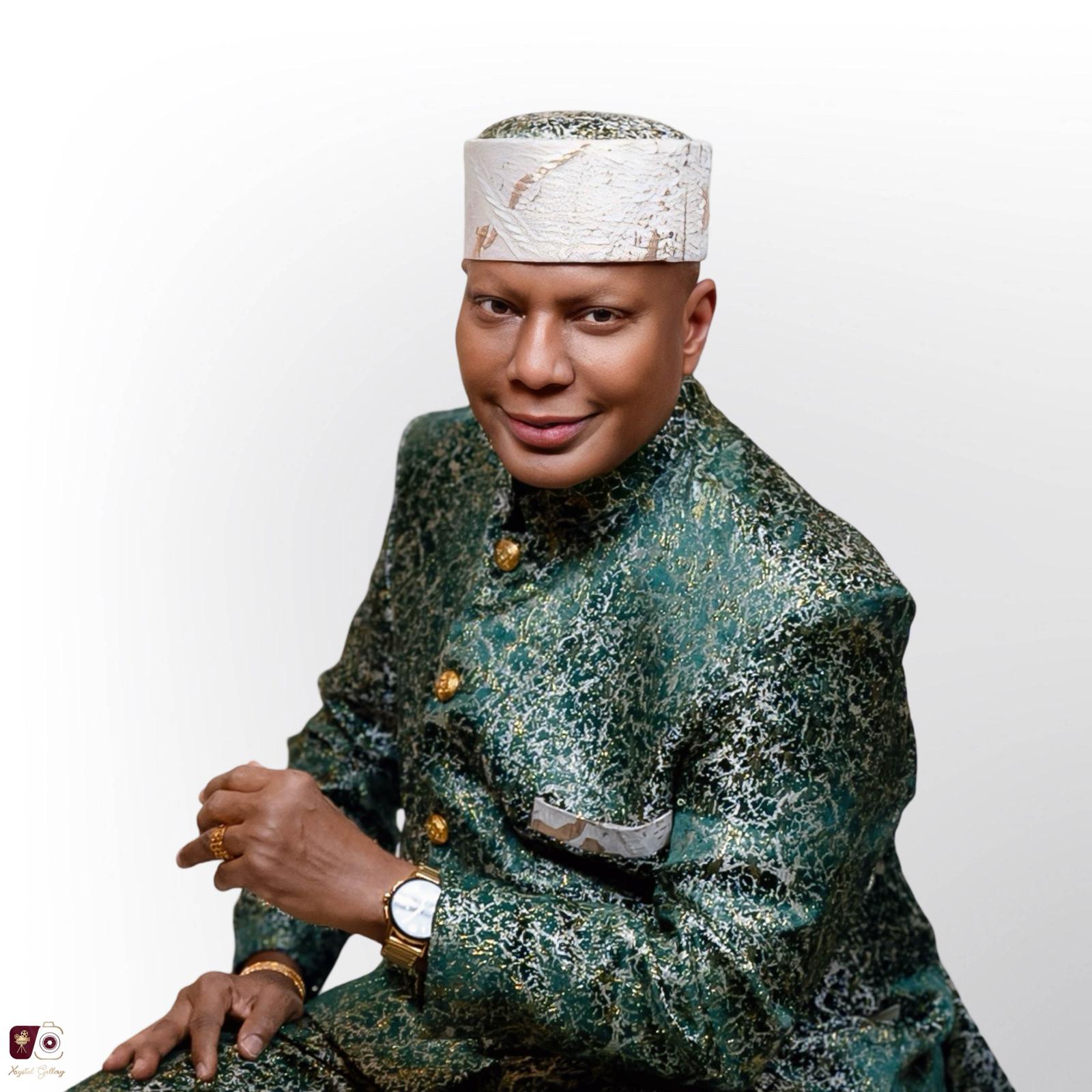
The Federal Government has honoured the Executive Chairman of Miden Systems Limited, Dr. Brendan Innocent Usoro, with the Excellence in Corporate Governance and Business Integrity Award for his commitment to ethical leadership, transparency and business development.
Usoro received the award on Wednesday at the Nigerian Press Council (NPC) National Summit on Curbing Fake News and Misinformation in the Nigerian Media Space, held at NICON Luxury Hotel, Abuja.
The summit, organised by the Nigerian Press Council under the Federal Ministry of Information and National Orientation, brought together media practitioners, policymakers, government officials, corporate executives, security agencies and other stakeholders to discuss strategies for combating misinformation and strengthening responsible journalism.
The award recognised Usoro’s contributions to corporate governance and responsible business practices, alongside other distinguished Nigerians honoured for their achievements in leadership, public service and professional excellence.
Speaking at the event, Usoro warned that fake news and misinformation had become serious threats to national security, democratic stability, business confidence and peaceful coexistence, particularly as Nigeria approaches the 2027 general elections.
He expressed concern over the growing use of artificial intelligence to generate fabricated audio recordings, manipulate videos and produce misleading reports, noting that such developments had made it increasingly difficult for the public to distinguish credible information from deliberate falsehoods.
According to him, the misuse of artificial intelligence for disinformation requires a coordinated response involving government institutions, media organisations, technology companies and citizens.
Usoro observed that misinformation had extended beyond political campaigns and electoral activities to become a tool for damaging reputations, undermining businesses and creating unnecessary tension in society.
“People use false information to de-market their political opponents, competitors’ products and services, as well as create tension in the polity,” he said.
He warned that the consequences could be far-reaching, including the erosion of public trust, the escalation of ethnic and religious tensions, and the manipulation of citizens’ democratic choices.
The Miden Systems chairman also raised concerns about the potential impact of deepfake technology and coordinated online disinformation campaigns on public confidence in political leaders and democratic institutions ahead of the 2027 elections.
On the business implications of misinformation, Usoro disclosed that Miden Systems Limited had experienced what he described as the damaging effects of false information.
He alleged that the company and its executives had been targeted following a financial dispute with a commercial bank, highlighting the potential consequences of misinformation for corporate reputation and business operations.
To address the challenge, Usoro urged Nigerians to verify information before sharing it, particularly sensational messages, photographs and videos circulated on social media platforms.
He recommended the use of independent fact-checking organisations, including Dubawa, to establish the authenticity of reports before they are disseminated.
He also called for improved training for journalists and fact-checkers, as well as greater access to artificial intelligence-assisted verification tools to help identify and debunk false information more quickly.
Usoro further urged technology companies and relevant regulatory agencies, including the National Information Technology Development Agency (NITDA) and the Nigerian Communications Commission (NCC), to strengthen collaboration against malicious synthetic media.
He, however, stressed that efforts to combat misinformation must not undermine press freedom, freedom of expression or legitimate criticism.
Speaking on the company’s operations, Usoro said Miden Systems Limited was established in 1997 and had evolved from providing safety and equipment maintenance services into a diversified business offering marine services, logistics, offshore and onshore facility upgrades, maintenance and management.
He said the company had expanded its operations to undertake major term contracts in the oil and gas industry, providing services to several organisations, including the Pipelines and Products Marketing Company, Renaissance Africa Energy Company, ExxonMobil, Nigeria LNG Limited, Warri Refinery and Petrochemical Company, Port Harcourt Refinery Company, Addax Petroleum and Nigerian Agip Oil Company.
According to him, the company’s growth has been driven by its commitment to service delivery and the maintenance of long-standing relationships with clients.
Expressing appreciation to the Federal Government and the Nigerian Press Council for the recognition, Usoro said the award reflected the values underpinning the company’s operations.
He reaffirmed Miden Systems Limited’s commitment to ethical conduct, transparency and integrity in its business dealings both in Nigeria and internationally.
“We remain committed to ethical, honest and transparent business transactions at all levels of our operations,” he said.
Earlier, the Executive Secretary and Chief Executive Officer of the Nigerian Press Council, Dr. Dili Ezughah, said the summit was designed to strengthen Nigeria’s media ecosystem, promote responsible journalism and improve the capacity of media professionals to combat misinformation.
Ezughah said the initiative was particularly important as the country prepares for the 2027 general elections, warning that fake news, propaganda and misinformation could undermine democratic processes if left unchecked.
He explained that the summit provided a platform for media practitioners, policymakers, lawmakers, corporate organisations, civil society groups, security agencies and development partners to examine the challenges posed by misinformation and develop practical solutions.
He added that the award ceremony was intended to recognise outstanding contributions to ethical journalism, media leadership, corporate governance and responsible business practices.
Also speaking, the Minister of Defence, General Christopher Musa, represented by his Special Adviser on Intelligence, Musa Likita, described fake news and misinformation as serious threats to national security, democratic governance and peaceful coexistence.
Musa noted that the rapid spread of information through traditional media, digital platforms and social networks had expanded opportunities for public participation and accountability but had also created avenues for manipulating public opinion, inciting hostility and spreading falsehoods.
He warned that fabricated reports, manipulated photographs, deceptive audio recordings and misleading videos could trigger confusion, provoke violence and weaken public confidence in legitimate institutions.
The minister called on media organisations, government institutions and citizens to work together to curb the spread of false information.
Similarly, the Minister of Information and National Orientation, Alhaji Mohammed Idris, represented by Dr. Haruna Suleiman, emphasised the importance of timely, accurate and transparent public communication in preventing speculation and countering false narratives.
Idris urged media organisations to strengthen editorial oversight, verify information sources and promptly correct errors.
He also called on technology companies to address the misuse of their platforms, while advocating increased media and information literacy across schools, universities, communities and public institutions.
According to him, equipping citizens with the skills to question sensational claims, verify sources and recognise manipulated content would help build a more informed society.
The minister reaffirmed the Federal Government’s commitment to credible public communication, responsible information sharing and the promotion of an informed citizenry.
He urged participants to develop practical recommendations that would protect press freedom, strengthen professional standards and encourage cooperation in confronting misinformation.
Other recipients of awards at the summit included Nasarawa State Governor, Abdullahi Sule; Minister of Defence, General Christopher Musa; Minister of Information and National Orientation, Alhaji Mohammed Idris; Barrister Obioma Success Akagburuonye; Senator Emmanuel Bwacha; and Dr. Yakubu Barde, Federal Commissioner for Salaries, Income and Wages, among others.
The summit ended with a call for stronger collaboration among government institutions, media organisations, businesses and citizens to promote credible information, safeguard reputations and strengthen public trust.
Participants stressed the need for collective action to address the growing threat of misinformation while protecting press freedom and professional standards as Nigeria prepares for the 2027 general elections.
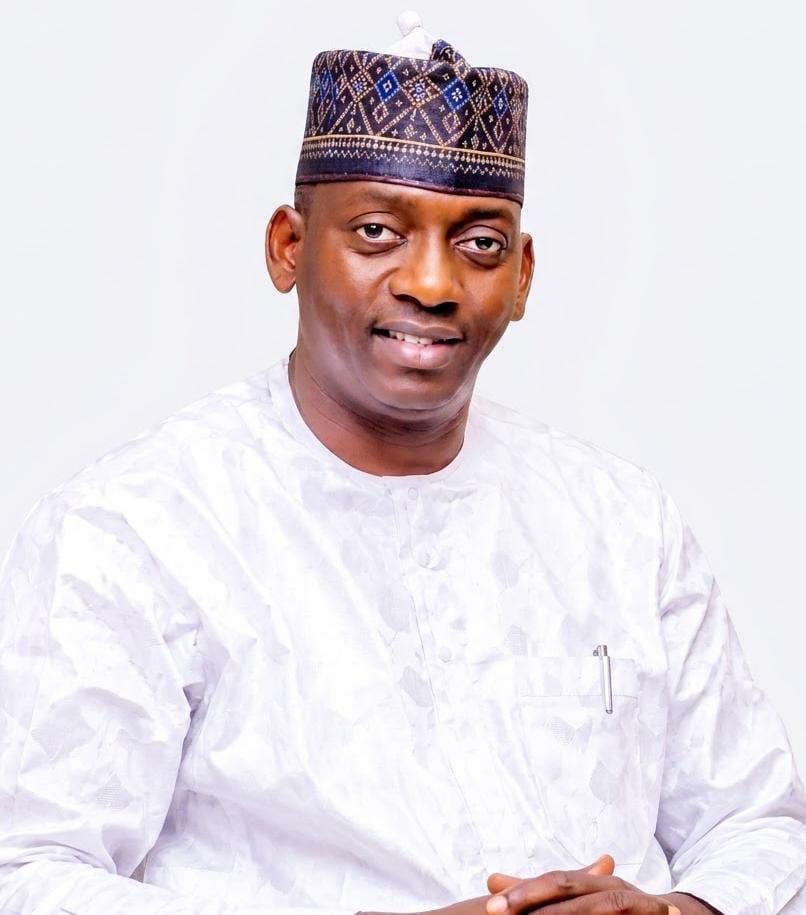
Chairman of the House of Representatives Committee on China-Nigeria Parliamentary Relations, Hon. Jaafaru Yakubu, has applauded the Chinese Government’s expanded zero-tariff policy for African countries, describing it as a catalyst for Nigeria’s economic transformation and a major opportunity for export growth, industrialisation and job creation.
In a statement, Yakubu said China’s decision to extend its zero-tariff policy to 53 African countries, including Nigeria, demonstrates Beijing’s commitment to supporting Africa’s economic development and strengthening South-South cooperation.
He noted that the policy offers Nigerian businesses unprecedented access to one of the world’s largest consumer markets and provides a platform for expanding exports, attracting investment and enhancing economic competitiveness.
“China’s zero-tariff initiative represents a strategic opportunity for Nigeria to accelerate economic growth, strengthen domestic industries and deepen our economic cooperation with one of the world’s most important trading partners,” Yakubu said.
According to the lawmaker, early indicators suggest that the policy is already producing positive outcomes. He disclosed that Chinese imports from Nigeria rose significantly during the first half of 2026, while total trade volume between both countries reached approximately $18 billion, reflecting growing economic engagement.
Yakubu said the encouraging figures demonstrate the enormous potential of the Nigeria-China partnership and highlight the importance of improved market access in driving economic prosperity.
He stressed that Nigeria must seize the opportunity by expanding production capacity, improving product quality and strengthening export-oriented industries capable of competing in the international marketplace.
The committee chairman noted that Nigerian products such as liquefied propane, sesame seeds, nuts, hides and skins are already benefiting from improved access to the Chinese market. However, he emphasized that the country’s long-term objective should be to move beyond the export of raw materials and focus on value-added products.
“We must leverage this opportunity to promote domestic manufacturing, industrialisation and job creation. Increased market access should translate into stronger local industries and greater economic opportunities for Nigerians,” he stated.
Yakubu urged Nigerian manufacturers and exporters to take advantage of the tariff-free regime by improving standards, certification processes, packaging and supply chain efficiency in order to meet the demands of Chinese consumers.
He also called on relevant government agencies to strengthen the infrastructure and institutional support necessary to help local businesses compete effectively in international markets.
The lawmaker further encouraged Chinese investors to expand their presence in Nigeria through investments in manufacturing, agro-processing, technology development and logistics infrastructure.
According to him, increased Chinese investment would support industrial growth, facilitate technology transfer and create much-needed employment opportunities for Nigeria’s growing youth population.
While welcoming the growth in trade relations, Yakubu acknowledged the need to address the trade imbalance between Nigeria and China, stressing that efforts must be made to increase the country’s export capacity and diversify its export basket.
“Our goal should not merely be to trade more, but to trade better. Nigeria must become a producer and exporter of more finished and semi-finished goods if we are to fully benefit from our relationship with China,” he said.
Yakubu also expressed appreciation to the Government of the People’s Republic of China for its RMB200 million grant to support Nigeria’s development projects, describing the gesture as further evidence of the strong friendship and cooperation between both nations.
He said the grant would contribute to efforts aimed at improving infrastructure, strengthening public services and advancing national development priorities.
The chairman commended China’s longstanding support for Nigeria through infrastructure cooperation, technical assistance, capacity building and other development initiatives, noting that such partnerships have contributed significantly to the country’s growth.
Looking ahead, Yakubu called for greater collaboration in key sectors including manufacturing, agriculture, technology, logistics and industrial development.
He reaffirmed his commitment to strengthening parliamentary engagement and promoting policies that will advance the mutual economic interests of Nigeria and China.
“As Nigeria and China continue to deepen their partnership, our focus must remain on translating opportunities into tangible economic benefits for our people. Together, we can build a relationship that is mutually beneficial, economically productive and supportive of sustainable development,” he added.
Yakubu concluded by expressing gratitude to the Chinese Government and the Chinese Ambassador to Nigeria, His Excellency Yu Dunhai, for their continued friendship, support and commitment to Nigeria’s development aspirations.


FG Borrowing Justified By Huge Investment In Infrastructure, Improvements in Security Sector – Opposition Rep Agbese

2026: Atiku Bagudu Grassroots Group Dismisses ‘Tinubu Must Go’ Campaign

Usoro Wins FG Award for Excellence in Corporate Governance

-
 Uncategorized6 years ago
FG, states urged to harness flooding for ranching, others with technology – Agbaje
-
 Headlines11 years ago
Breaking: EFCC seals Borno House of Assembly, as Hon members take to their heels
-
 News12 years ago
Nigeria Security Operatives Stage Manhunt For Homosexual Perpetrator
-
 News10 years ago
How 21-year-old Girl fled community over accusation of lesbianism
-
 News11 years ago
Yobe Gov Moves Against Deputy
-
 Opinion7 years ago
7 signs she has friend zoned you
-
Technology5 years ago
Online job placement company headhunts women
-
 Headlines10 years ago
Borno Dep Gov Abducts Another Church Leader