
News
Over 100 Million Nigerians Cannot Afford Treatment In Public Hospitals- Dogara

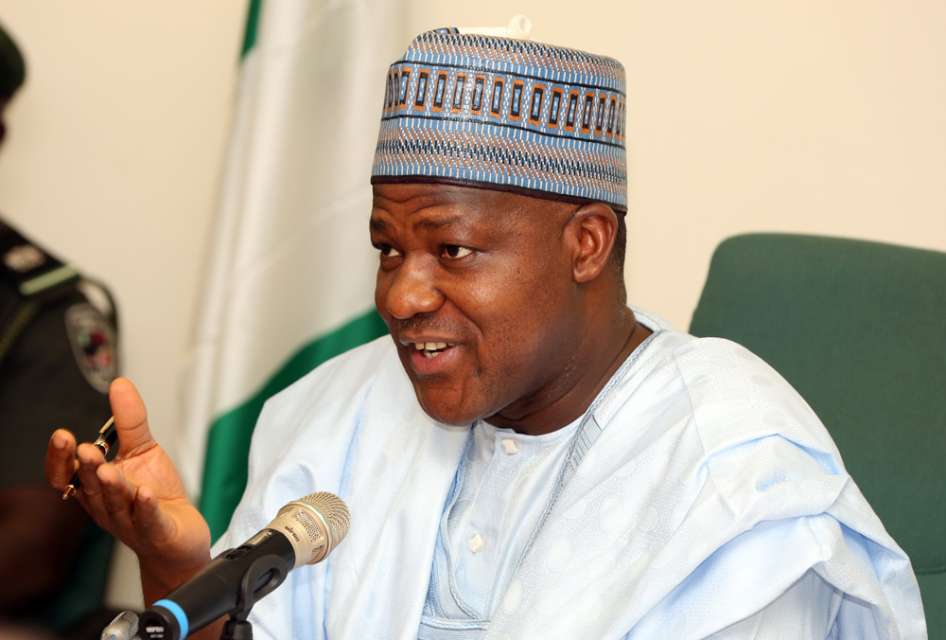
By Aaron Ossai
Over 67 percent of Nigerians, which amounts to over a hundred million poor families, cannot afford to pay hospital bills for treatment of illnesses such as malaria in public health facilities, Speaker Yakubu Dogara has disclosed.
He added that if Nigeria must achieve its national health objective of providing health for all, a situation where poor and vulnerable families in Nigeria do not have access to basic health services must be addressed by extending the coverage of national health insurance to them.
Dogara, who was speaking while declaring an investigative hearing to examine the compliance rate of Health Maintenance Organisations to the NHIS contributions and utilization of funds by the healthcare providers and alleged inhuman treatment of enrollers open at the National Assembly on Wednesday, also called for creativity and innovation by actors in the health insurance sector to bring in more participants in the scheme.
He said, “Regrettably, there is no mechanism to protect vulnerable families from the catastrophic effects of the exorbitant cost of healthcare services in Nigeria. Poor families, who constitute over 67% of our population, (well in excess of 100 million Nigerians), cannot afford to pay hospital bills even for treatment of malaria in public health facilities, nor for routine ante-natal services.
“If we must achieve desired outcomes and changes, there is a compelling need to expand the coverage levels of NHIS, currently estimated to be about 4-5% of Nigerians, mostly in the formal sector. A scenario where even this abysmally low coverage is attributable to those in paid employment and other types of formal sector creates suspicion of lack of creativity and innovation on the part of key actors in the Health insurance industry in Nigeria, especially HMOs.”
The hearing was organised by the House Committee on Healthcare Services
He noted that the importance of the National Health Insurance Scheme (NHIS), which was established in 1999 with the overall purpose of securing universal coverage and access to adequate and affordable health care in order to improve the health status of all Nigerians, cannot be overemphasized as no nation can achieve a healthy milestone in the health sector without having such a health finance scheme mandated to check health emergency, reduce out-of-pocket spending for health services and avert what would otherwise be a national health crisis.
Calling for a repositioning of the National Health Insurance Scheme, he said NHIS and the delivery partners have been subjected to various criticisms, challenges and complaints ranging from untimely payment by Healthcare Providers from the HMOs to unsatisfactory health services to enrollers.
However, he added that selection of adequate and efficient methods of financing, in addition to organisational delivery structure for health services, is essential if a country is to achieve its national health objective of providing health for all and the way a country finances its health care system is a key determinant of the health of its citizenry.
“Health care in Nigeria is financed by tax revenue, out-of-pocket payments, donor funding, and health insurance (social and community),” he said, while calling on relevant stakeholders to make contributions towards achieving the goal of the National Assembly to address the challenges, and proffer ideas towards resolving areas of concern so that drastic changes can be made for a better healthcare delivery system in Nigeria.
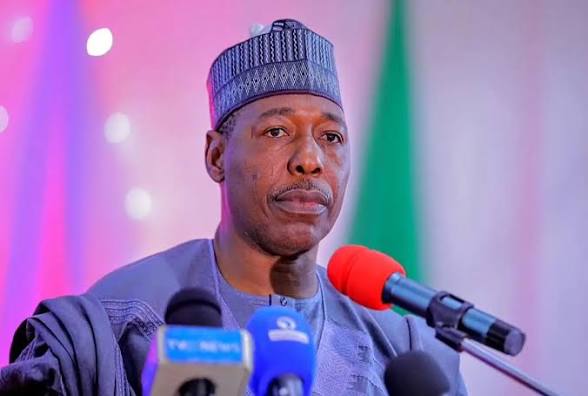
By: Inuwa Bwala.
I have read a lot of tributes to Borno state Governor, Professor Babagana Umara Zulum on his 57th birthday anniversary.
In most, Nigerians celebrate many things about Professor Babagana Umara Zulum.
To many, his unique leadership style, to others, his developmental strides and yet to others his many ventures into danger zones, the rebuilding of schools, his sleepless nights on duty and many other things.
I want to celebrate something quieter, and maybe more rare: seeing him as the teacher that he is, using
Borno as a big lecture hall, in which he deploys his teaching technique.
I dare say that, Governor Zulum goes to schools unannounced, not for photo shots, but to check attendance, to ask pupils questions, to see if the teacher is teaching. That is a lecturer’s habit.
He commissions hospitals and ask about drug inventory and rosters. That is a supervisor’s habit.
He stands in the rain with displaced families, not to make a speech, but to take notes. That is a researcher’s habit.
Most politicians campaign on promises, but he he is not seeking any position and does not need to campaign. He does things out of passion for true development.
At 57, Zulum reminds me that leadership is not about sitting in the office of power. It’s about sitting on the floor with students, under a tree with farmers, and in the dust with people who have lost everything, and then going back to “prepare the next lesson plan” for Borno redemption.
People often say a leader must choose between the office and the field, the book and the gun, and between the seminar and the street. Governor Zulum seems to have broken that rule by chosing both. And ir is working for Borno.
For me, today, I do not just celebrate a governor turning 57, I celebrate a teacher who took his entire state as his assignment, and refused to submit it half-done.
As the only Governor in Nigeria, who foes not aspire for any other political office after this, he may be retiring into a future only God know about, but one must not fail to state, that, Governor Zulum’s strength lies, not in the paraphenilia of governance but in the dedication of a leader who work, teach to graduate Borno into peace, dignity, and pride.
Happy 57th Birthday, Proffessor Babagana Umara Zulum.
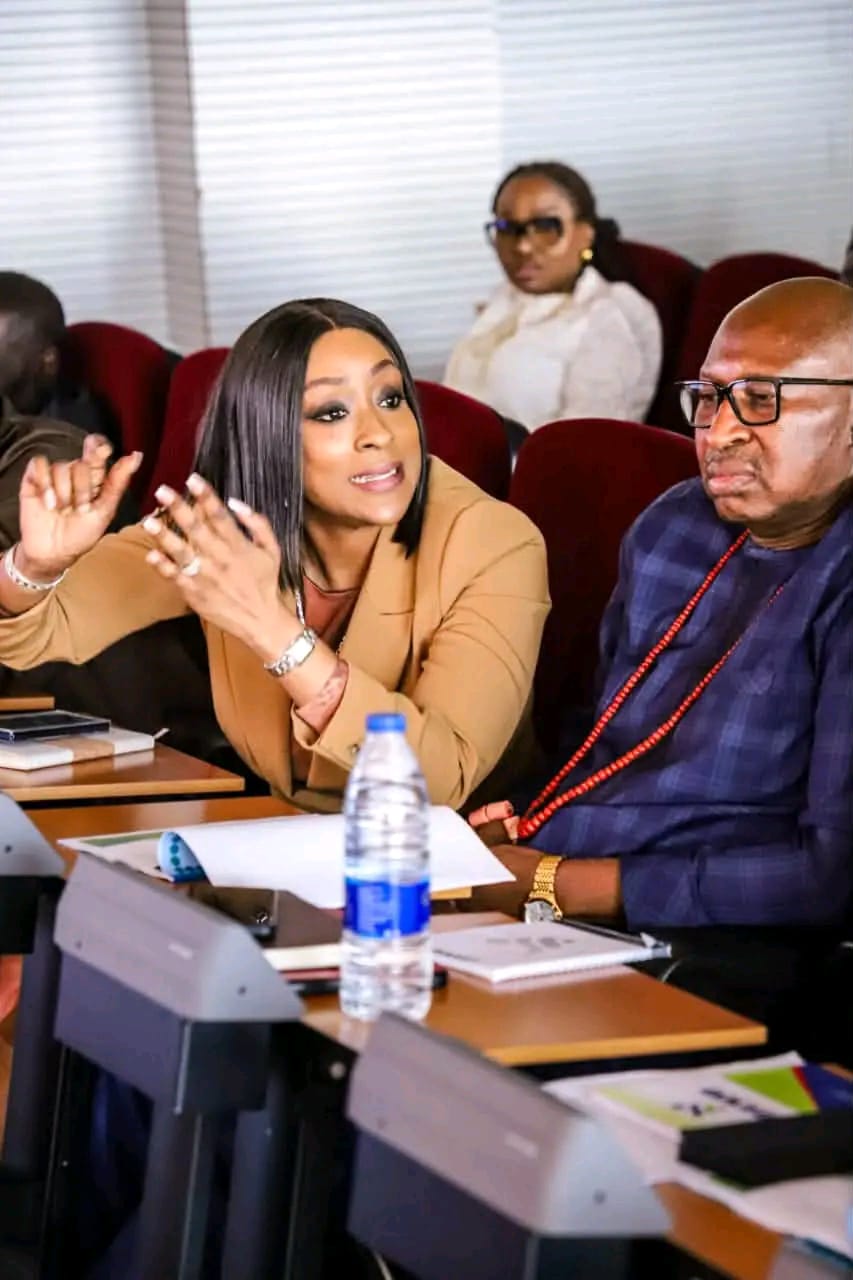
The Niger Delta Power Holding Company (NDPHC) has reaffirmed its commitment to transparency, accountability, and efficiency in project delivery by hosting a high-level refresher and sensitization training for its management team, staff, and stakeholders.Organized by the Human Resources Department at the company’s headquarters, the programme was designed to strengthen institutional capacity, refresh knowledge, and promote greater effectiveness in the discharge of responsibilities.The training was anchored on the theme “Operationalizing by Way of Experimenting the Procurement Processes While Navigating the Pre-Bidding Stage Through to Post Bidding”, and facilitated by DEVD Integrated Project Ltd. Discussions focused on procurement processes, emphasizing due process, compliance, and optimization in power sector project execution.Participants were guided through the critical stages of procurement, from pre-bidding to post-bidding, with facilitators stressing the importance of adherence to established procedures. The session also provided a platform for robust engagement on stakeholder collaboration, highlighting how effective partnerships can drive efficiency and accountability in project delivery.The initiative enjoyed strong backing from the NDPHC Executive Management (EXCO), led by Engr. Jennifer Adighije, FNSE, FINEEE, Managing Director/CEO. She was joined by her team: Engr. Bello Babayo Bello, FNSE, FINEEE, Executive Director (Networks); Engr. Abdullahi Kassim, Executive Director (Generation); Hon. Dr. Steven Andzenge, Executive Director (Legal Services); Hon. Chukwuma Umeoji, Executive Director (Corporate Services); Hon. Omololu Agoro, Executive Director (Finance & Accounts); and Hon. Patrick Obahiagbon, Executive Director (Strategy and Commercial). Their collective presence underscored the importance of the training to the company’s strategic vision and operational goals.Facilitators encouraged participants to apply the knowledge gained to improve operational efficiency and foster stronger collaboration across departments and with external stakeholders. They noted that the lessons learned would help strengthen the company’s institutional framework and ensure that projects are delivered in line with global best practices.The event brought together management staff and other relevant stakeholders, creating an opportunity to exchange ideas and refresh their understanding of procurement processes. It also reinforced NDPHC’s commitment to professional development, transparency, and accountability in its operations.By investing in capacity-building programmes such as this, NDPHC continues to demonstrate its resolve to enhance professional standards and institutional effectiveness. The company emphasized that the training reflects its broader vision of building a stronger, more accountable institution capable of delivering sustainable power solutions to Nigeria.The sensitization exercise forms part of NDPHC’s ongoing efforts to ensure that its workforce remains equipped with the skills and knowledge required to meet the demands of the power sector. It underscores the company’s belief that continuous learning and adherence to due process are essential for achieving its corporate objectives and delivering value to stakeholders.
News
Hon. Jafaru Yakubu Commends President Tinubu’s Approval of Mutum Biyu–Garba Chede Road Reconstruction
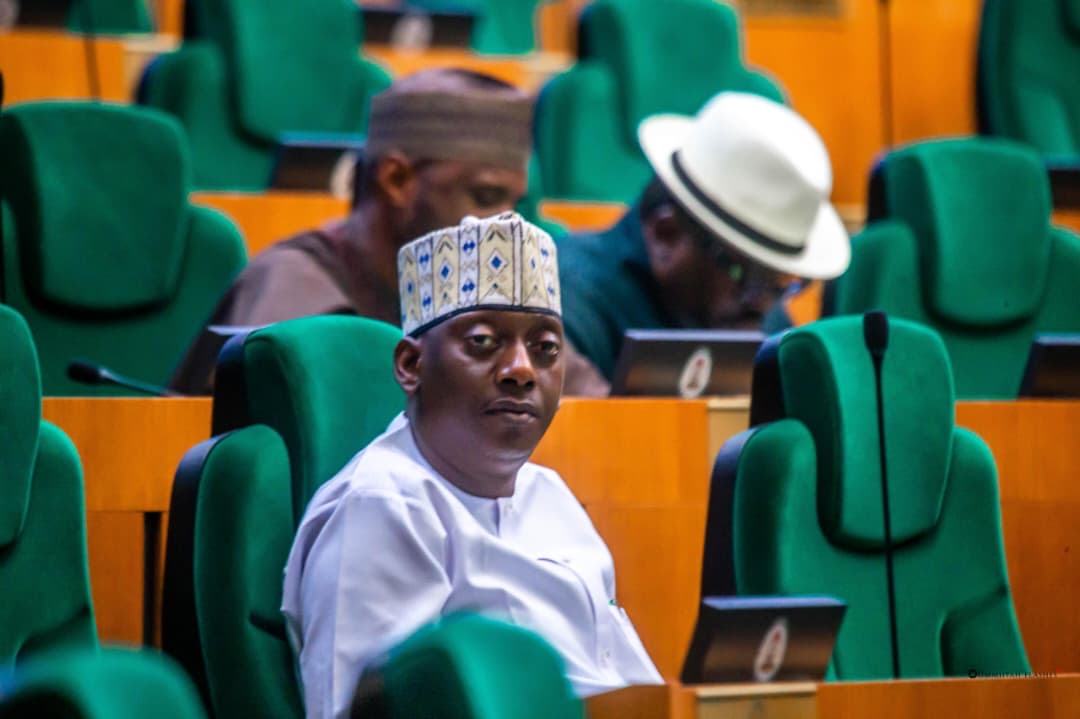
Hon. Jafaru Yakubu, Member of the House of Representatives and Chairman, House Committee on Nigeria–China Friendship Group, has commended President Bola Ahmed Tinubu GCFR for granting approval for the urgent rehabilitation and total reconstruction of the Mutum Biyu–Garba Chede Road, a 48km stretch in Taraba State.
Yakubu, who sponsored the motion in the House of Representatives calling for immediate intervention on the road, said the President’s approval is a bold and strategic response to the plight of commuters and communities along the corridor. He explained that the motion, which was debated and adopted by the House, underscored the dangers of continued neglect, including accidents, economic disruption, and the risk of total collapse.
He further acknowledged the National Security Adviser (NSA) Mallam Nuhu Ribadu for adopting a non-kinetic approach in addressing the crisis. According to Yakubu, the NSA’s intervention elevated the urgency of the project, treating infrastructure development as a vital instrument of peace, security, and stability. By drawing national attention to the road’s deterioration, the NSA highlighted the grave risks posed to lives, trade, agriculture, and access to healthcare.
The Mutum Biyu–Garba Chede Road, constructed in the early 1980s, has deteriorated severely due to age and lack of maintenance. With the collapse of the Namnai Bridge along the Jalingo–Wukari highway, the road became the sole alternative route for heavy-duty trucks, worsening its condition and exposing communities to untold hardship.
Hon. Yakubu assured his constituents that he will continue to work closely with the Federal Ministry of Works, FERMA, and the North East Development Commission to ensure the project’s swift execution. He emphasized that the House Committee on Works has already been mandated to conduct oversight and report back within four weeks, a step he believes will guarantee transparency and accountability in the delivery of the project.
“As Chairman of the Nigeria–China Friendship Group, I am deeply conscious of the importance of strategic partnerships in advancing national development. This reconstruction is not merely about infrastructure—it is about saving lives, strengthening commerce, and reaffirming government’s duty to serve its people. On behalf of my constituency, I extend profound gratitude to President Bola Ahmed Tinubu GCFR and the NSA for their steadfast commitment,” Yakubu declared.
The approval of this project, following Yakubu’s sponsored motion, is widely seen as a demonstration of leadership that listens and acts decisively. For communities in Mutum Biyu, Garba Chede, and adjoining areas, the reconstruction represents hope for safer travel, renewed economic activity, and restored dignity after years of neglect.
Analysts note that the development is not just about fixing a road but about reconnecting people, boosting agriculture, and reinforcing national cohesion at a time when infrastructure remains central to Nigeria’s growth agenda.


Zulum @57: Tribute to a Trailblazing Teacher.

Bandits Kidnap Kwara Community’s Monarch

Kwara APC Assembly Candidate, Oyinloye, Engages Constituents

-
 Uncategorized6 years ago
FG, states urged to harness flooding for ranching, others with technology – Agbaje
-
 Headlines11 years ago
Breaking: EFCC seals Borno House of Assembly, as Hon members take to their heels
-
 News12 years ago
Nigeria Security Operatives Stage Manhunt For Homosexual Perpetrator
-
 News10 years ago
How 21-year-old Girl fled community over accusation of lesbianism
-
 News10 years ago
Yobe Gov Moves Against Deputy
-
 Opinion7 years ago
7 signs she has friend zoned you
-
Technology5 years ago
Online job placement company headhunts women
-
 Headlines10 years ago
Borno Dep Gov Abducts Another Church Leader