
News
$2.2 Billion Loan: CSOs back FG’s request for funds as a necessity for development

…laud Tinubu’s administration for judicious application of resources.
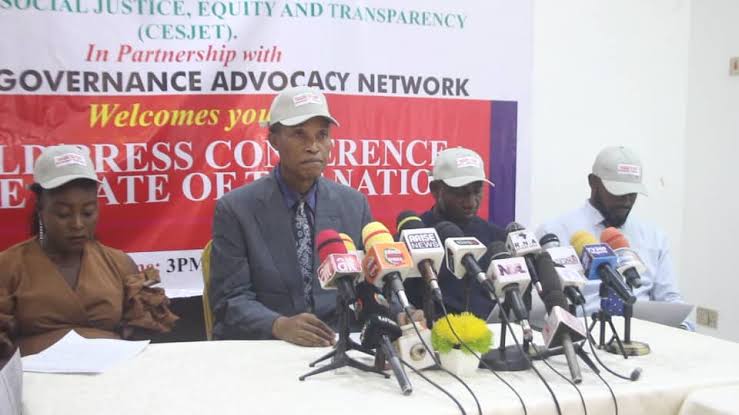
The Centre for Social Justice, Equity, and Transparency (CESJET) has backed Federal Government’s request to borrow $2.2 billion to capital projects.
The Convener of the Group, Emeka Theodore while addressing journalists on Thursday in Abuja, said the funds are essential to the advancement of revenue-generating plans and institutional improvements.
He said rejecting this proposal is not a sincere concern for the national interest; rather, it is populist posturing that goes against logic and same reasoning.
“We are gathered here today, to discuss a matter of vital importance to the development and prosperity of our country: the Federal Government’s planned loan request of $2.2 billion. This initiative has seen a lot of pushback in recent weeks, most of it being misguided and uninformed.
“Evidently, it is important to understand that the oppositions to the borrowing plan is obviously unwarranted and counterproductive to Nigeria’s development. In Setting the record straight, it requires us to address the baseless complaints made of this loan while emphasizing its benefits and justification it would do to our great country”, he said.
Theodore noted that Nigeria is one of the few countries that have continuously fulfilled its financial commitments to foreign creditors.
“Through a strategic and structural plan in executing loan servicing, the President Tinubu led-administration has maintained repayment schedules and built confidence with foreign lenders.
“For example, income generating reforms have been used to carefully control the 2023 debt service-to-revenue ratio, despite the fact that it is still worrisome.
“It is noteworthy stating that fulfilling these responsibilities has not only maintained Nigeria’s reputation, but it has also increased foreign financial institutions’ trust in our capacity to carefully manage borrowed money. Nigeria continues to benefit from favorable rates on development funding and concessional loans because of this confidence”, he stated.
He reminded critics of the loan that the money collected in the past have been used for important development initiatives, infrastructure growth, and institutional changes.
CESJET further noted that the judicious use of borrowed monies to promote economic growth and address infrastructure deficiencies is demonstrated in projects like the Second Niger Bridge, the Lagos-Ibadan railway, and the ongoing Mambilla Hydropower Project.
“ This proposed $2.2 billion loan is no unusual; its goal is to fund vital industries that would help Nigerians in the long run”, the group said.
“In dispelling the myth on the borrowing-to-federal budget ratio, we wish to state categorically that, Nigeria’s borrowing plans are clearly in line with international best practices and do not impose an excessive cost.
“For example, a fiscal deficit of about ₦8 trillion is expected in the 2025 budget, which is estimated to be around ₦34 trillion. A manageable portion of current budget, the $2.2 billion loan fits the government’s fiscal policy to strike a balance between development requirements and long-term financial viability.
“Comparatively, the International Monetary Fund (IMF) recommends that developing economies have a debt-to-GDP ratio of not more than 55%. Nigeria’s debt ratio of about 35% puts the country in a better situation than that of other African peers, such as Ghana and Kenya, whose debt ratios are more than 60%. Nigeria has the financial capacity to borrow responsibly, as these numbers demonstrate.
“However, some critics have attempted to sabotage this important project. It is depressing to observe that their ideas frequently lack basic economic reasoning and instead rely on populist hyperbole. To propagate false information, some organizations have been enlisted to paint Nigeria’s borrowing as irresponsible and unsustainable.
“These organizations lack a thorough grasp of the economic forces at work and are frequently supported by anti-progress elements. 9. Opposing politicians should give up their populist stance and accept the realities of government for the benefit of the country.
“It will be in the good interest of the Nation for opposing lawmakers to abandon their populist approach and embrace the realities of governance. Clearly, their opposition runs the risk of sabotaging Nigeria’s growth, delaying the country’s advancement and leaving important projects underfunded.
“It is crucial to emphasize that denying the loan request will have disastrous effects on ongoing programs and projects. If the necessary funding is not obtained, infrastructure development, healthcare expansion, and educational changes might all be shelved. In addition to being a waste of money, abandoned projects often represent missed chances for economic diversification, job growth, and higher living standards.
“For example, lowering transportation costs and boosting regional trade depend on the completion of ongoing rail projects. The provision of sufficient money is critical to the viability of these projects. Therefore, the $2.2 billion loan is essential to securing Nigeria’s future and advancing its economic program, and not to be seen as a luxury, which a misguided thought and speculations occupying the mind of many.
“Cases just like the Investments in digital technologies and infrastructure, would increase the effectiveness of tax collection, diversifying Nigeria’s revenue streams and lowering its need on oil earnings. Likewise, financing agricultural changes will increase output, guaranteeing food security and boosting exports. The government intends to use a portion of the loan for mechanized farming and irrigation projects, which will greatly increase agricultural productivity, provide employment, and promote rural development.
“This said loan is an additional source to strengthen diverse empowerment, and further upgrade many of our sectors in maintaining their global reputation amongst other nations. It is clear that the loan is more than just a financial tool; it is a driving force behind revolutionary change in several important economic sectors.
“Additionally, President Tinubu led-administration continuous initiatives to increase non-oil earnings and diversify the economy would strengthen Nigeria’s ability to service its debt in no time unlike when the country was solely dependent on revenues from oil for its mega operations. These actions demonstrate the government’s dedication to fiscal restraint and judicious borrowing.
“Evidently, public support is crucial for the successful implementation of development projects. By highlighting the benefits of the proposed loan and addressing concerns transparently, we can build consensus and ensure the smooth passage of the loan request by the National Assembly (NASS).
“In conclusion, the $2.2 billion loan proposal is clearly a necessity for Nigeria’s progress. Rejecting this proposal would be self-defeating, compromising current initiatives and endangering the future of the country. In light of this, we urge National Assembly members to put the interests of the country above populist digressions. A better future for all Nigerians is at stake when the loan is approved; it is not just an economic choice, but a mission to save generations”, the group added.
By: Inuwa Bwala.
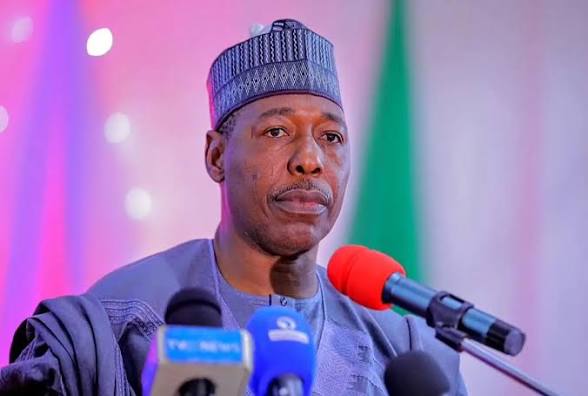
I have read a lot of tributes to Borno state Governor, Professor Babagana Umara Zulum on his 57th birthday anniversary.
In most, Nigerians celebrate many things about Professor Babagana Umara Zulum.
To many, his unique leadership style, to others, his developmental strides and yet to others his many ventures into danger zones, the rebuilding of schools, his sleepless nights on duty and many other things.
I want to celebrate something quieter, and maybe more rare: seeing him as the teacher that he is, using
Borno as a big lecture hall, in which he deploys his teaching technique.
I dare say that, Governor Zulum goes to schools unannounced, not for photo shots, but to check attendance, to ask pupils questions, to see if the teacher is teaching. That is a lecturer’s habit.
He commissions hospitals and ask about drug inventory and rosters. That is a supervisor’s habit.
He stands in the rain with displaced families, not to make a speech, but to take notes. That is a researcher’s habit.
Most politicians campaign on promises, but he he is not seeking any position and does not need to campaign. He does things out of passion for true development.
At 57, Zulum reminds me that leadership is not about sitting in the office of power. It’s about sitting on the floor with students, under a tree with farmers, and in the dust with people who have lost everything, and then going back to “prepare the next lesson plan” for Borno redemption.
People often say a leader must choose between the office and the field, the book and the gun, and between the seminar and the street. Governor Zulum seems to have broken that rule by chosing both. And ir is working for Borno.
For me, today, I do not just celebrate a governor turning 57, I celebrate a teacher who took his entire state as his assignment, and refused to submit it half-done.
As the only Governor in Nigeria, who foes not aspire for any other political office after this, he may be retiring into a future only God know about, but one must not fail to state, that, Governor Zulum’s strength lies, not in the paraphenilia of governance but in the dedication of a leader who work, teach to graduate Borno into peace, dignity, and pride.
Happy 57th Birthday, Proffessor Babagana Umara Zulum.
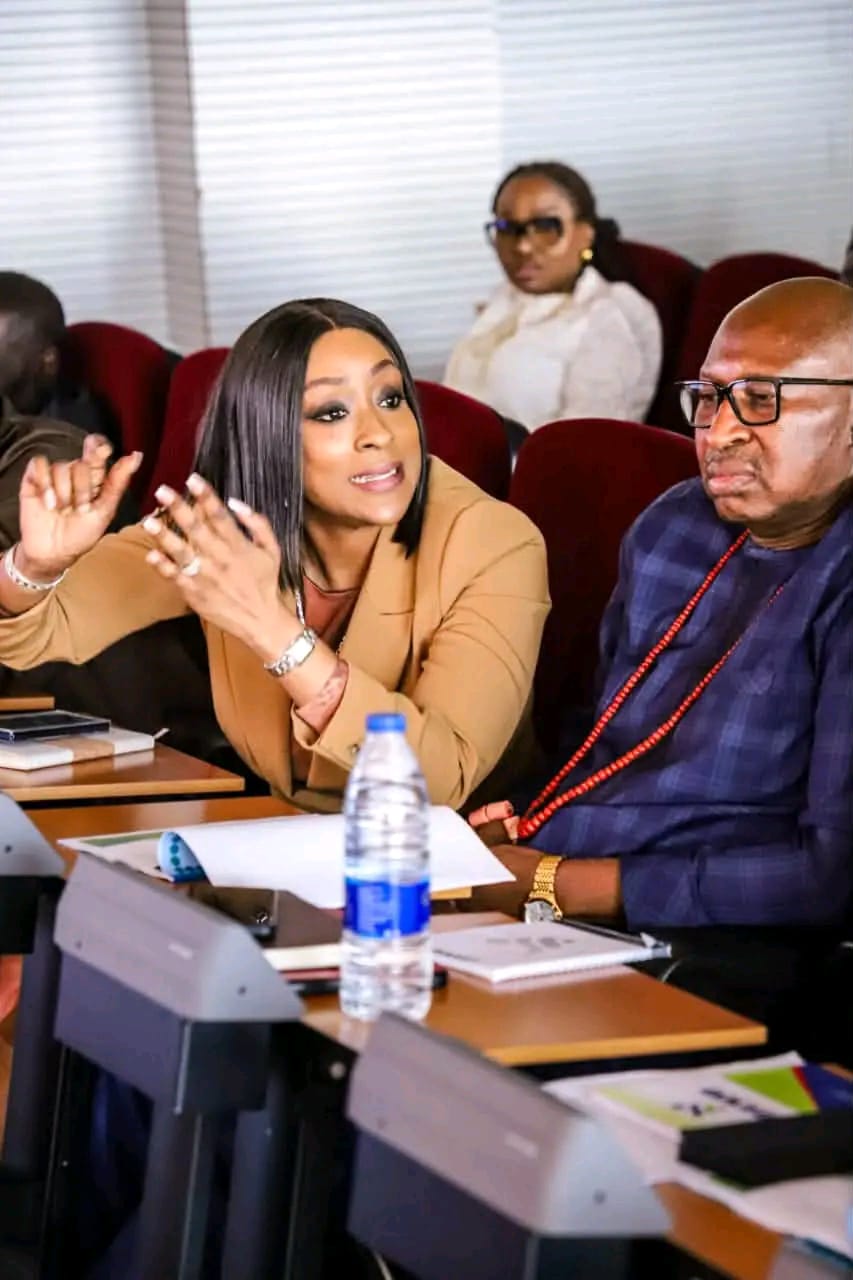
The Niger Delta Power Holding Company (NDPHC) has reaffirmed its commitment to transparency, accountability, and efficiency in project delivery by hosting a high-level refresher and sensitization training for its management team, staff, and stakeholders.Organized by the Human Resources Department at the company’s headquarters, the programme was designed to strengthen institutional capacity, refresh knowledge, and promote greater effectiveness in the discharge of responsibilities.The training was anchored on the theme “Operationalizing by Way of Experimenting the Procurement Processes While Navigating the Pre-Bidding Stage Through to Post Bidding”, and facilitated by DEVD Integrated Project Ltd. Discussions focused on procurement processes, emphasizing due process, compliance, and optimization in power sector project execution.Participants were guided through the critical stages of procurement, from pre-bidding to post-bidding, with facilitators stressing the importance of adherence to established procedures. The session also provided a platform for robust engagement on stakeholder collaboration, highlighting how effective partnerships can drive efficiency and accountability in project delivery.The initiative enjoyed strong backing from the NDPHC Executive Management (EXCO), led by Engr. Jennifer Adighije, FNSE, FINEEE, Managing Director/CEO. She was joined by her team: Engr. Bello Babayo Bello, FNSE, FINEEE, Executive Director (Networks); Engr. Abdullahi Kassim, Executive Director (Generation); Hon. Dr. Steven Andzenge, Executive Director (Legal Services); Hon. Chukwuma Umeoji, Executive Director (Corporate Services); Hon. Omololu Agoro, Executive Director (Finance & Accounts); and Hon. Patrick Obahiagbon, Executive Director (Strategy and Commercial). Their collective presence underscored the importance of the training to the company’s strategic vision and operational goals.Facilitators encouraged participants to apply the knowledge gained to improve operational efficiency and foster stronger collaboration across departments and with external stakeholders. They noted that the lessons learned would help strengthen the company’s institutional framework and ensure that projects are delivered in line with global best practices.The event brought together management staff and other relevant stakeholders, creating an opportunity to exchange ideas and refresh their understanding of procurement processes. It also reinforced NDPHC’s commitment to professional development, transparency, and accountability in its operations.By investing in capacity-building programmes such as this, NDPHC continues to demonstrate its resolve to enhance professional standards and institutional effectiveness. The company emphasized that the training reflects its broader vision of building a stronger, more accountable institution capable of delivering sustainable power solutions to Nigeria.The sensitization exercise forms part of NDPHC’s ongoing efforts to ensure that its workforce remains equipped with the skills and knowledge required to meet the demands of the power sector. It underscores the company’s belief that continuous learning and adherence to due process are essential for achieving its corporate objectives and delivering value to stakeholders.
News
Hon. Jafaru Yakubu Commends President Tinubu’s Approval of Mutum Biyu–Garba Chede Road Reconstruction
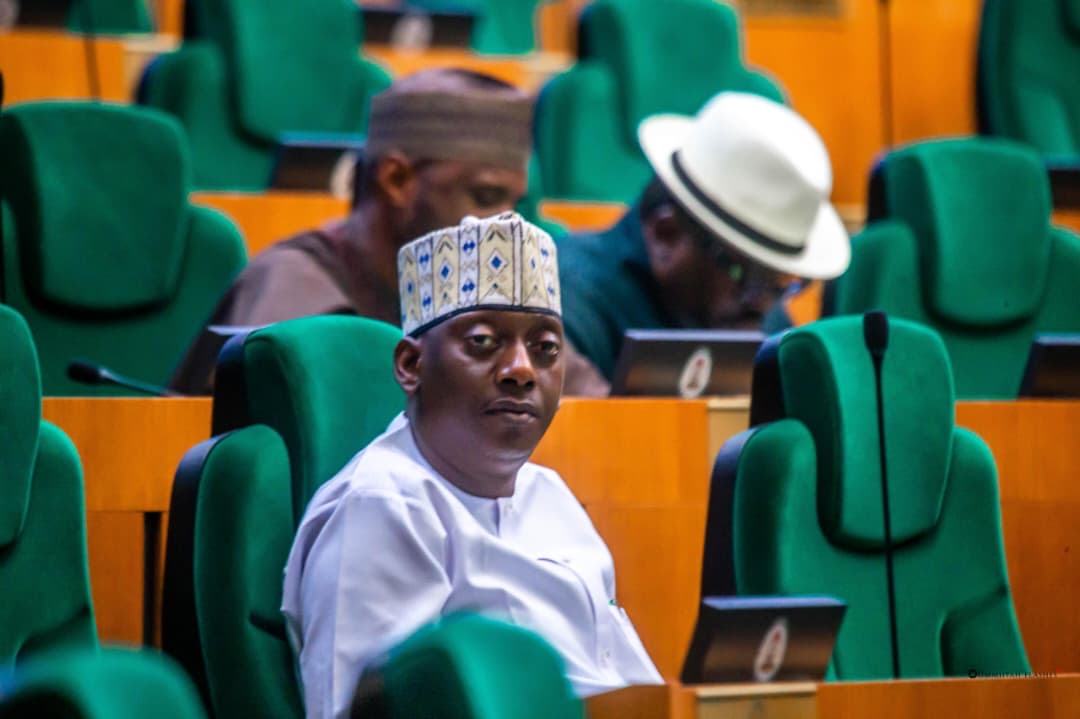
Hon. Jafaru Yakubu, Member of the House of Representatives and Chairman, House Committee on Nigeria–China Friendship Group, has commended President Bola Ahmed Tinubu GCFR for granting approval for the urgent rehabilitation and total reconstruction of the Mutum Biyu–Garba Chede Road, a 48km stretch in Taraba State.
Yakubu, who sponsored the motion in the House of Representatives calling for immediate intervention on the road, said the President’s approval is a bold and strategic response to the plight of commuters and communities along the corridor. He explained that the motion, which was debated and adopted by the House, underscored the dangers of continued neglect, including accidents, economic disruption, and the risk of total collapse.
He further acknowledged the National Security Adviser (NSA) Mallam Nuhu Ribadu for adopting a non-kinetic approach in addressing the crisis. According to Yakubu, the NSA’s intervention elevated the urgency of the project, treating infrastructure development as a vital instrument of peace, security, and stability. By drawing national attention to the road’s deterioration, the NSA highlighted the grave risks posed to lives, trade, agriculture, and access to healthcare.
The Mutum Biyu–Garba Chede Road, constructed in the early 1980s, has deteriorated severely due to age and lack of maintenance. With the collapse of the Namnai Bridge along the Jalingo–Wukari highway, the road became the sole alternative route for heavy-duty trucks, worsening its condition and exposing communities to untold hardship.
Hon. Yakubu assured his constituents that he will continue to work closely with the Federal Ministry of Works, FERMA, and the North East Development Commission to ensure the project’s swift execution. He emphasized that the House Committee on Works has already been mandated to conduct oversight and report back within four weeks, a step he believes will guarantee transparency and accountability in the delivery of the project.
“As Chairman of the Nigeria–China Friendship Group, I am deeply conscious of the importance of strategic partnerships in advancing national development. This reconstruction is not merely about infrastructure—it is about saving lives, strengthening commerce, and reaffirming government’s duty to serve its people. On behalf of my constituency, I extend profound gratitude to President Bola Ahmed Tinubu GCFR and the NSA for their steadfast commitment,” Yakubu declared.
The approval of this project, following Yakubu’s sponsored motion, is widely seen as a demonstration of leadership that listens and acts decisively. For communities in Mutum Biyu, Garba Chede, and adjoining areas, the reconstruction represents hope for safer travel, renewed economic activity, and restored dignity after years of neglect.
Analysts note that the development is not just about fixing a road but about reconnecting people, boosting agriculture, and reinforcing national cohesion at a time when infrastructure remains central to Nigeria’s growth agenda.


Zulum @57: Tribute to a Trailblazing Teacher.

Bandits Kidnap Kwara Community’s Monarch

Kwara APC Assembly Candidate, Oyinloye, Engages Constituents

-
 Uncategorized6 years ago
FG, states urged to harness flooding for ranching, others with technology – Agbaje
-
 Headlines11 years ago
Breaking: EFCC seals Borno House of Assembly, as Hon members take to their heels
-
 News12 years ago
Nigeria Security Operatives Stage Manhunt For Homosexual Perpetrator
-
 News10 years ago
How 21-year-old Girl fled community over accusation of lesbianism
-
 News10 years ago
Yobe Gov Moves Against Deputy
-
 Opinion7 years ago
7 signs she has friend zoned you
-
Technology5 years ago
Online job placement company headhunts women
-
 Headlines10 years ago
Borno Dep Gov Abducts Another Church Leader