
News
UK-Based Governance Report Lists Zamfara, Kwara, Benue Among Nigeria’s Poorest Managed States

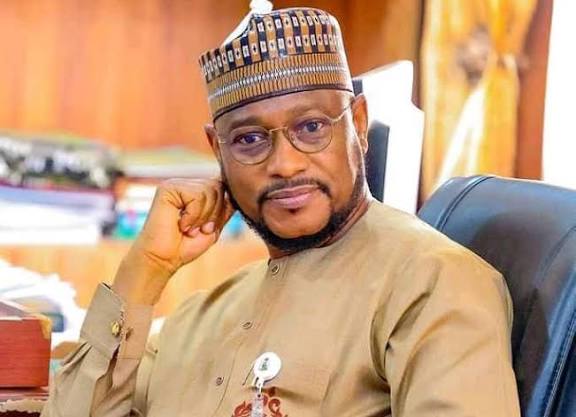
A new governance performance review has ranked Zamfara, Kwara, and Benue as the worst-performing states in Nigeria between 2023 and 2025.
The ranking was contained in a midterm report released on Monday in London by the Good Governance Rating Index (GGRI), a UK-based organisation that tracks and evaluates leadership quality, service delivery and accountability in developing democracies.
According to the report, the three states, under the leadership of Governors Dauda Lawal of Zamfara, AbdulRahman AbdulRazaq of Kwara, and Hyacinth Alia of Benue, performed abysmally across major governance indicators such as health, education, infrastructure, economic opportunities, transparency, and security.
GGRI said its findings were based on data gathered from official government reports, independent audits, field surveys, and citizen feedback mechanisms between May 2023 and August 2025.
“The performance of Zamfara, Kwara, and Benue falls well below the national average across all measurable indicators. These states have consistently demonstrated weak leadership, poor policy choices, and a lack of transparency that have compounded the hardships of their citizens,” the report stated.
Zamfara ranked bottom overall, with GGRI citing the deepening insecurity crisis in the state, where armed banditry and mass abductions continue to thrive.
According to the organisation, “Zamfara has no clear developmental agenda despite the governor’s rich manifesto at inception. Corruption and the activities of government agents and non-state actors have continued to fuel insecurity even with billions regularly allocated as security votes. The state’s infrastructure is collapsing, workers’ welfare remains poor, and the vast revenues received from the Federation Account are not translating into meaningful development.”
The report further noted that “Zamfara’s education sector is in ruins, with over 60 percent of school-age children in rural areas either out of school or attending poorly equipped classrooms. Health facilities are chronically underfunded, and maternal mortality rates remain among the highest in the country. Instead of institutional reforms, the government has prioritised political patronage, worsening the plight of ordinary citizens.”
Kwara, under Governor AbdulRazaq, ranked second-worst. GGRI observed that despite heavy rhetoric on reforms, the state’s economy and social indicators have stagnated.
The organisation stated that “poverty is deepening in Kwara, while economic activities remain largely stagnant. The state capital and surrounding towns are plagued with dirty streets and environmental decay, symptomatic of corruption and ineptitude in governance. Infrastructure continues to crumble, with Ilorin suffering from bad roads, unreliable water supply, and inadequate public housing.”
It added that “the education sector has deteriorated, with many schools lacking qualified teachers and learning materials. Health outcomes are similarly poor, with rural health centres understaffed and ill-equipped. Governor AbdulRazaq has mastered the art of lofty promises and public relations, but the reality is that his citizens are not feeling the impact of government on their daily lives.”
Benue State, led by Governor Alia, ranked third-worst, with GGRI warning that insecurity, poverty and governance failures have combined to push the state deeper into crisis.
“Benue has witnessed a collapse in rural infrastructure, with primary schools in many local government areas reduced to ghost structures and hospitals either abandoned or non-functional,” the report noted.
It added that “the governor has shown little willingness to confront insecurity, leaving thousands of internally displaced persons without hope of resettlement. Poverty levels are climbing, economic activities are stagnant, and corruption among state officials is rife. The surroundings in both rural and urban centres are dirty and neglected, with no major infrastructure projects to inspire confidence. What exists is the entrenchment of despair and a government adrift without a clear development agenda.”
GGRI warned that the poor performance of Zamfara, Kwara, and Benue carries national implications, particularly for Nigeria’s human development index and overall democratic consolidation.
“The tragedy is not only that citizens are being denied the dividends of democracy, but also that these failures erode public trust in governance. If unchecked, the long-term consequence will be the deepening of poverty, instability, and disillusionment,” the report stated.
The organisation called on the federal government, civil society, and international partners to intensify oversight and support for reforms in these states.
It recommended urgent interventions in the education and health sectors, stronger accountability frameworks for public expenditure, and targeted security strategies tailored to each state’s challenges.
GGRI further urged citizens in the affected states to demand accountability from their leaders rather than accept excuses.
“Governors are elected to lead, not to explain away failures. The people of Zamfara, Kwara, and Benue must insist on good governance as a right, not a favour,” it concluded.
The Good Governance Rating Index is widely regarded as an independent evaluator of governance quality across Africa. Its reports are often used by donor agencies, development institutions, and investment partners as reference for engagement strategies.

By Emmanuel Kuza
A chieftain of the Peoples Democratic Party (PDP) in Nasarawa State, Abuga Ovie, has described the name Ombugadu as a political brand, saying the popularity and wide acceptance of the name have made David Emmanuel Ombugadu a major force in the state’s political landscape.
Ovie, who stated this in an interview on Tuesday, said what started as opposition from some of Ombugadu’s biological brothers and people he described as fathers and uncles who betrayed him for personal political interests had now assumed a wider dimension, with political parties allegedly joining the battle against him.
According to him, the latest development was an attempt to undermine the political value of the Ombugadu name by presenting another person with the same surname, describing it as an indication of how far some political actors were prepared to go to weaken the PDP governorship candidate.
“Ombugadu is a brand, not a title. The people are not fools. They know their own. You cannot simply bring another person bearing the same name and expect the people to forget the political identity that Ombugadu has built over the years,” he said.
He further alleged that a former governor was working to introduce a political associate who had served as Accountant-General of Nasarawa State into the political equation, with the alleged objective of destabilising the PDP and weakening its chances by ensuring that the party fields a less competitive candidate in 2027.
“The plan, as we understand it, is to destabilise the PDP and make sure the party presents a weak candidate, thereby creating an advantage for the former governor’s preferred candidate. But all those efforts have proved abortive because the national leadership of the PDP stood its ground and refused to lose its best bet for the 2027 governorship election,” Ovie said.
The PDP chieftain said the resolve of the national leadership to retain Ombugadu had demonstrated the confidence the party had in his capacity to win the governorship election, despite what he described as attempts by some political actors to frustrate his ambition.
Ovie urged political parties and their leaders to resolve their internal differences instead of concentrating their efforts on Ombugadu, whom he compared to David in the Bible, saying he remained focused despite betrayal and opposition from those close to him.
“Ombugadu is like David in the Bible. Even when his brothers forsook him, he remained focused. Today, despite the people who have betrayed him, he remains focused and has a blueprint that can rescue Nasarawa State,” he said.
He said political parties should concentrate on presenting their programmes and convincing voters about how they intend to address the challenges confronting the state rather than expending their energy on attempts to stop Ombugadu.
“Political parties should fix their problems instead of wasting their strength fighting Ombugadu. Let everybody bring their blueprint before the people and explain what they intend to do for Nasarawa State,” he said.
Ovie maintained that the 2027 election should be about ideas, competence and the future of Nasarawa State, rather than attempts to manipulate political structures or undermine individuals perceived to enjoy strong grassroots support.
He urged the people of the state, particularly the Eggon community, to remain politically vigilant and resist what he described as efforts to make them settle for less, insisting that voters would ultimately determine who enjoys their confidence at the polls.
Reduce repeated references to Ombugadu
By Israel Adamu, Jos
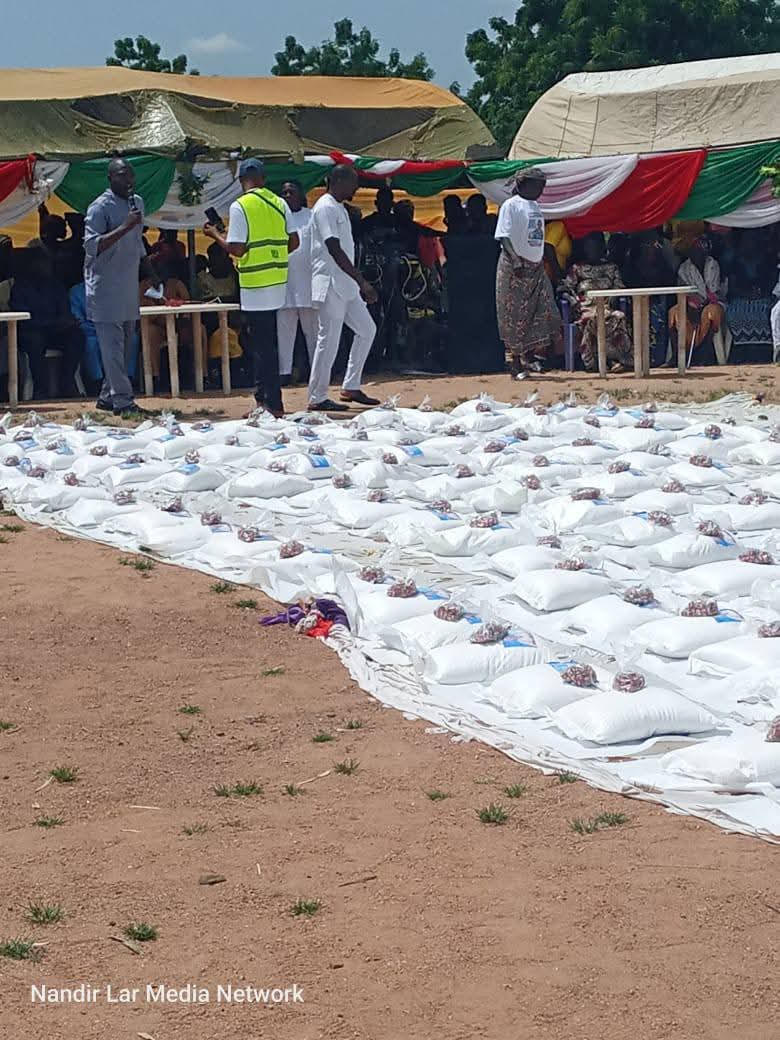
Two hundred widows from communities across Langtang North Central State Constituency of Plateau State have benefited from an empowerment outreach organised by Gimbiya Gani Nandir Lar under the Jagoran Talakawa movement.
The outreach, held at Pilgani in Langtang North Local Government Area, was aimed at supporting vulnerable women and drawing attention to the challenges faced by widows, particularly those struggling to provide food, pay school fees and meet other basic needs for their families.
The organiser, Nandir Lar, who is the All Progressives Congress, APC, candidate for Langtang North Central State Constituency, said the gesture was motivated by compassion and concern for vulnerable members of the society.
She stressed that the outreach was not a political programme but an expression of love and support for humanity.
Nandir Lar said: “The plight of widows may not always make headlines, but their struggles are real, painful and deserving of our collective attention.
“This is simply an expression of compassion and love for humanity. It is not a political programme.
“Our constituency is home to people with diverse needs, including mothers, widows and young people who are seeking opportunities to improve their lives.”
Former Provost of the Federal College of Education, Pankshin, Amos Chirfat, commended the initiative, saying it had brought smiles to the faces of vulnerable women in the constituency.
Minority Leader of the Langtang North Legislative Council, Dirya Sheni, also commended Nandir Lar for supporting widows and other vulnerable members of the community.
At the end of the outreach, each of the 200 beneficiaries received a 10-kilogramme bag of corn flour, seasoning and N10,000 cash
By Francis Wilfred
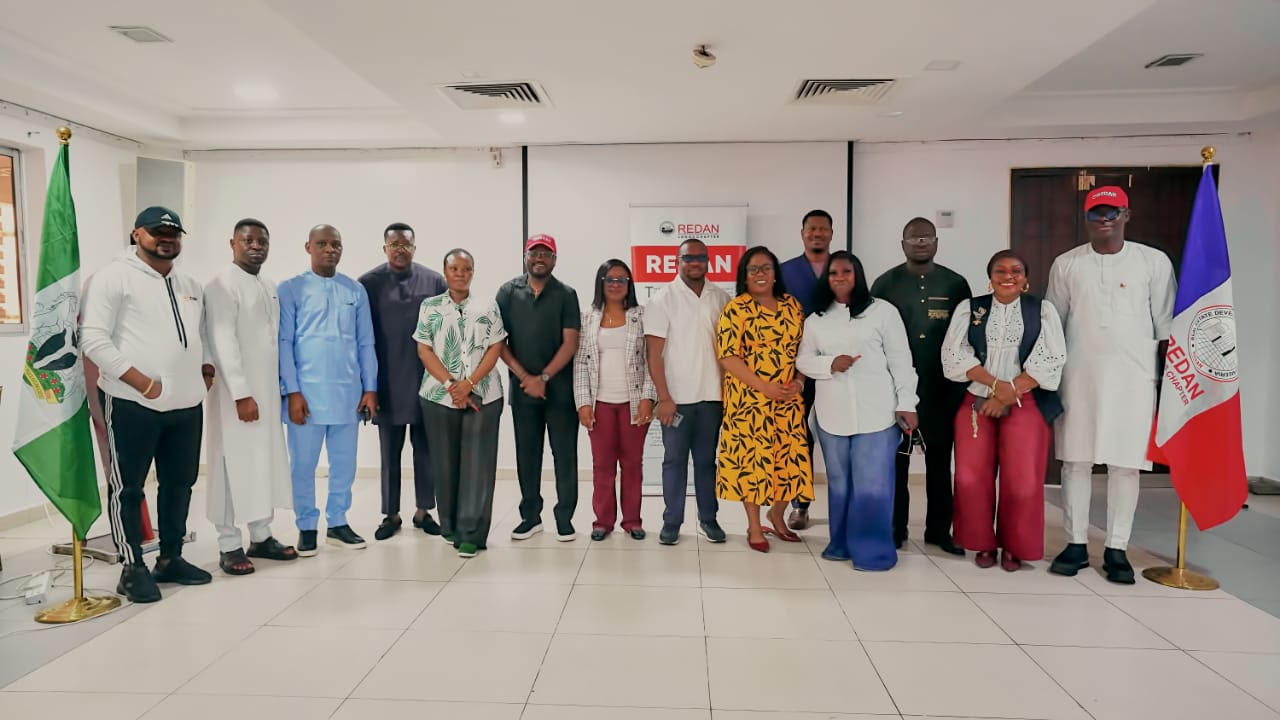
The Special Control Unit against Money Laundering (SCUML), and the Real Estate Developers Association of Nigeria (REDAN) have expressed commitment to ensure a full compliance with the Anti Money Laundering/Counter Finance on Terrorism/Counter Proliferation Financing, (AML/CFT/CPF) laws within the Nigeria’s real estate sector.
They made the resolve during a stakeholders’ engagement held on Thursday, September 10, 2026
The engagement focused on Mutual Evaluation readiness, risk-based supervision, beneficial ownership transparency, customer due diligence, internal controls and stronger collaboration between SCUML and the real estate sector.
Assistant Commander of the EFCC, ACE 1 Ibinabo Amachree, speaking on behalf of SCUML highlighted the strategic role of real estate operators in protecting the integrity of Nigeria’s financial system, particularly given the sector’s vulnerability to money laundering and other financial crime risks.
Amachree encouraged REDAN members to move beyond registration to ensure that compliance is embedded in their day-to-day operations. He mentioned the areas to include: understanding institutional risks, knowing customers and beneficial owners, identifying politically exposed persons, conducting appropriate sanctions screening, maintaining effective internal controls and meeting applicable reporting obligations
He, therefore, reaffirmed readiness to working closely with REDAN and other stakeholders to improve compliance, build capacity and promote a stronger culture of accountability across the real estate sector
“The message is clear: effective compliance is not just about meeting regulatory requirements; it is about protecting businesses, strengthening the real estate sector and safeguarding the integrity of Nigeria’s financial system”, she said.
In his remarks, the Chairman of REDAN, Lagos state, Mr Tony Kolawole pledged readiness to partner with SCUML in ensuring compliance with AML/CFT/CPF in the real estate sector to uphold financial integrity.
The engagement also provided an opportunity for REDAN members to share practical regulatory and operational challenges affecting the sector, reinforcing the importance of continuous dialogue between regulators and industry stakeholders.


Changsha brings millennia-old heritage into modern life

Gov AbdulRazaq Lauded Over Conferment Of Sadauna Of Ilorin Title

FG Commissions KWASU ICT Centre To Enhance Graduates Employability

-
 Uncategorized6 years ago
FG, states urged to harness flooding for ranching, others with technology – Agbaje
-
 Headlines11 years ago
Breaking: EFCC seals Borno House of Assembly, as Hon members take to their heels
-
 News12 years ago
Nigeria Security Operatives Stage Manhunt For Homosexual Perpetrator
-
 News10 years ago
How 21-year-old Girl fled community over accusation of lesbianism
-
 News11 years ago
Yobe Gov Moves Against Deputy
-
 Opinion7 years ago
7 signs she has friend zoned you
-
Technology5 years ago
Online job placement company headhunts women
-
 Headlines10 years ago
Borno Dep Gov Abducts Another Church Leader