
Politics
Political Analysts Describe Maikaya as Nasarawa’s Emerging Consensus Bridge Ahead of 2027

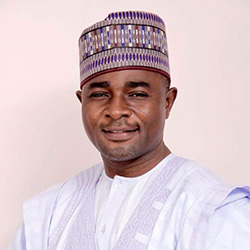
As the political temperature in Nasarawa State gradually rises ahead of the 2027 governorship contest, political analysts are increasingly pointing to Dr. Muhammed Musa Maikaya as an emerging “consensus bridge” whose steady consultations are reshaping the state’s pre-election landscape in unexpected ways.
Though Maikaya has yet to make a formal declaration, the pattern of his engagements and the reactions trailing them have become subjects of analysis among scholars, journalists, political watchers, and even party elders within the All Progressives Congress (APC).
One of the arguments analysts repeatedly highlight is Maikaya’s ability to attract goodwill from constituencies that rarely align behind a single aspirant this early in the political cycle.
Public affairs analyst Ibrahim Dan-Musa describes him as “a unique political figure whose appeal cuts across demographics that typically move in different directions.”
“Maikaya is resonating with two powerful blocs women and youths while earning the confidence of elders. This triangular balance is unusual, especially when no official declaration has been made,” he notes.
For many analysts, it is this triangular base of support that hints at the making of a consensus figure.
Political observers say women’s organisations across Awe, Karu, Lafia, Keffi, and Nasarawa LGAs have grown increasingly vocal about their admiration for Maikaya. Their reasons vary from his humanitarian interventions to his reputation for supporting widows, orphans, and cooperative groups even outside election seasons.
A Keffi-based gender development researcher, Hauwa Isa, notes that women are becoming more politically assertive in Nasarawa, and they gravitate toward leaders who demonstrate accessibility and empathy.“Women see Maikaya as someone who listens. His visits are not transactional; he engages sincerely. Analysts would be wrong to underestimate the weight of this,” she says.
Beyond women, analysts highlight a stronger force the youths. Whether in Toto, Obi, Lafia, or Karu, youth coalitions have begun forming volunteer structures in anticipation of his possible entry into the race.
A political communication researcher at FULafia, Dr. Musa Akoshile, attributes the youth mobilisation to Maikaya’s “soft power.”“Young people are tired of aggressive politics. Maikaya’s calmness, modern thinking, and track record of community projects speak to them. That silent credibility is becoming loud,” he explains.
Social media trends, community town halls, and spontaneous youth solidarity meetings are becoming regular occurrences around his movements a fact analysts say cannot be ignored.
Political historians in the state point out that no governorship bid gains real traction without elders’ blessings. Interestingly, stakeholders in several local governments including traditional council members and senior party figures have privately and publicly encouraged Maikaya to “stay on the path.”
A retired civil servant and elder statesman from Awe, who preferred anonymity, describes him as “the calmest aspirant in the race so far.” “He consults with respect. He is not divisive. Elders are watching closely, and many are quietly leaning toward him,” he says.
Analysts note that elders’ openness toward a younger, less controversial aspirant is part of what strengthens the “consensus bridge” narrative.
Perhaps the most compelling aspect of the analyst debates is the manner in which Maikaya’s consultations are unfolding. Instead of the typical political spectacle, his engagements have been modest but deeply effective meeting stakeholders, visiting community leaders, and listening quietly.
Yet, after every visit, new volunteer groups emerge. New coordinators appear. Communities begin hosting solidarity meetings without prompting. Analysts say this organic structure-building is reminiscent of political movements that eventually shape primaries.
Dr. Nanfa Auta, a political sociologist, describes the pattern as “pre-consensus momentum.”
“He is becoming a comfortable middle ground — trusted by elders, embraced by youths, energised by women. This is how consensus candidates quietly form,” Auta explains.
Inside the APC, the field remains broad, with many aspirants testing their strengths. But analysts argue that few have been able to generate the type of grassroots-led momentum surrounding Maikaya.
His acceptability across the three senatorial zones pointing to a non-ethnic, non-sectional appeal is another factor scholars believe may influence internal party calculations as the primaries draw closer.
While 2027 is still some distance away, analysts broadly agree on one thing: Maikaya has secured a strategic position in the unfolding political equation. His cross-generational acceptance, modest style, and growing structure have placed him at the centre of discussions about possible consensus-building within the party.
For now, he remains on the consultation trail. But if the current pattern continues, analysts believe Nasarawa may soon witness the full emergence of a “consensus bridge” a candidate quietly connecting the old and new political order.
By Francis Wilfred
President Bola Tinubu has assured local and international investors that Nigeria remains open for business, saying his administration is implementing reforms aimed at creating a more predictable, competitive and investment-friendly environment.
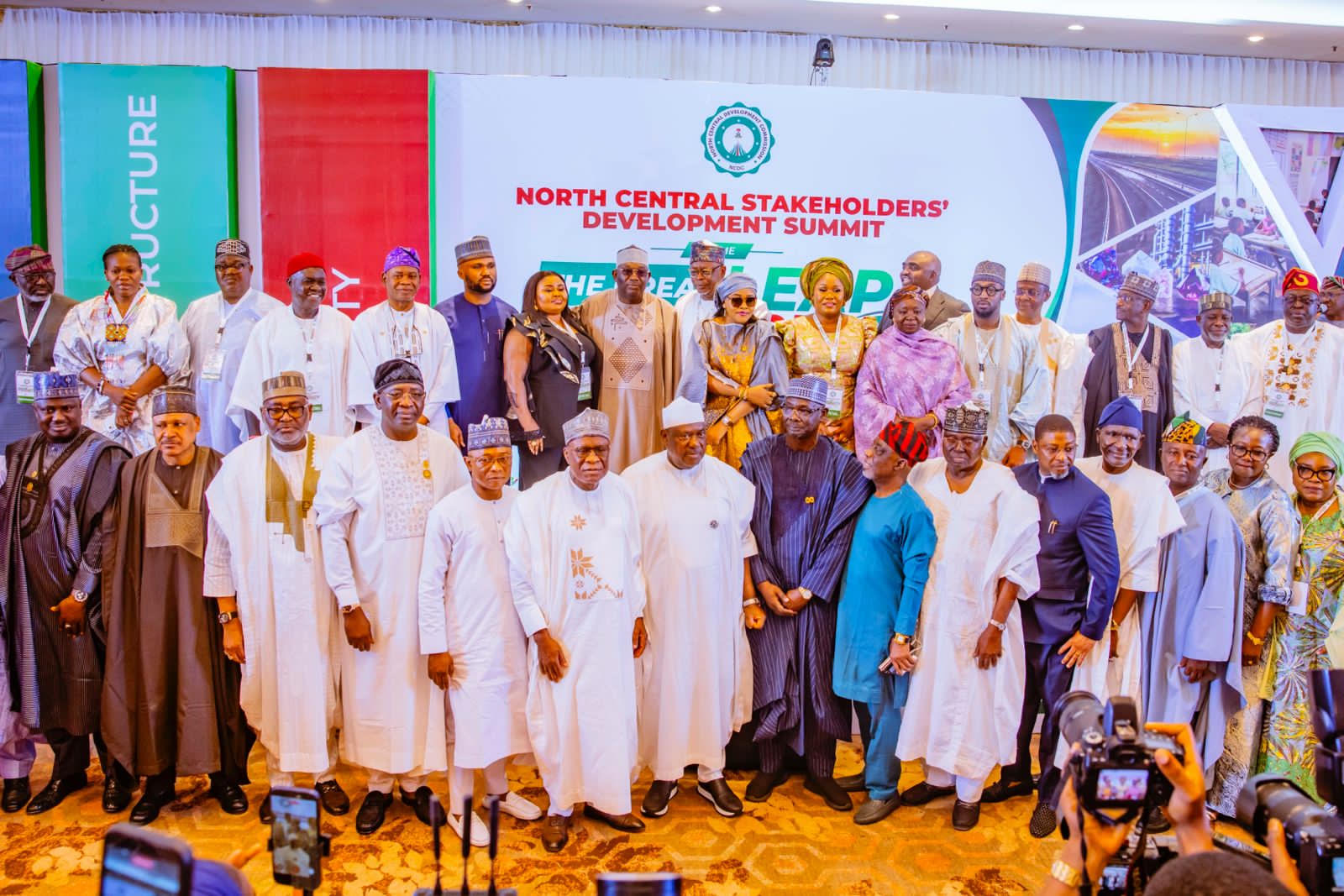
Speaking through the Secretary to the Government of the Federation (SGF), Senator George Akume, at the 75th anniversary celebration of the Nigerian Bottling Company (NBC) in Abuja on Monday, the President said the government is addressing key challenges facing businesses under the Renewed Hope Agenda.
“Our message to investors, both Nigerian and international, is clear: Nigeria is open for business,” Tinubu said,
He noted that reliable infrastructure, efficient logistics, access to foreign exchange, stable regulations and a supportive tax system are critical to attracting investment and expanding production.
According to Yomi Odunuga, the President said ongoing economic reforms are designed to build a more productive and competitive economy, reduce dependence on imports, strengthen local manufacturing and create jobs for Nigerians.
Tinubu welcomed the Coca-Cola System’s proposed $1 billion investment in Nigeria over five years, announced in 2024, describing it as a strong vote of confidence in the country’s economy.
He said the administration is focused not only on the volume of investment attracted but also on its impact on employment, skills development, technology transfer and local sourcing.
“We are interested not only in the amount of capital that comes into Nigeria, but in what that capital does here,” he said.
The President also praised NBC’s continued expansion of production capacity, including new production lines in Oyo and Kano states, describing such investments as vital to strengthening Nigeria’s industrial base.
He reaffirmed the government’s commitment to improving policies, infrastructure and regulations to support businesses, while urging the private sector to complement government efforts through investment, innovation and job creation.
Tinubu further highlighted the importance of human capital development, commending NBC’s Supply Chain Academy for training over 1,400 young Nigerians and supporting women’s empowerment and community development initiatives.
He urged investors to take advantage of opportunities across Nigeria, expressing confidence that the country can build a stronger economy driven by local production, exports and globally competitive industries.
Politics
Kano Governorship: Accord Party Governorship Candidate Gashash Getting More Endorsement From Kano Electorates.
By Jabiru Hassan.


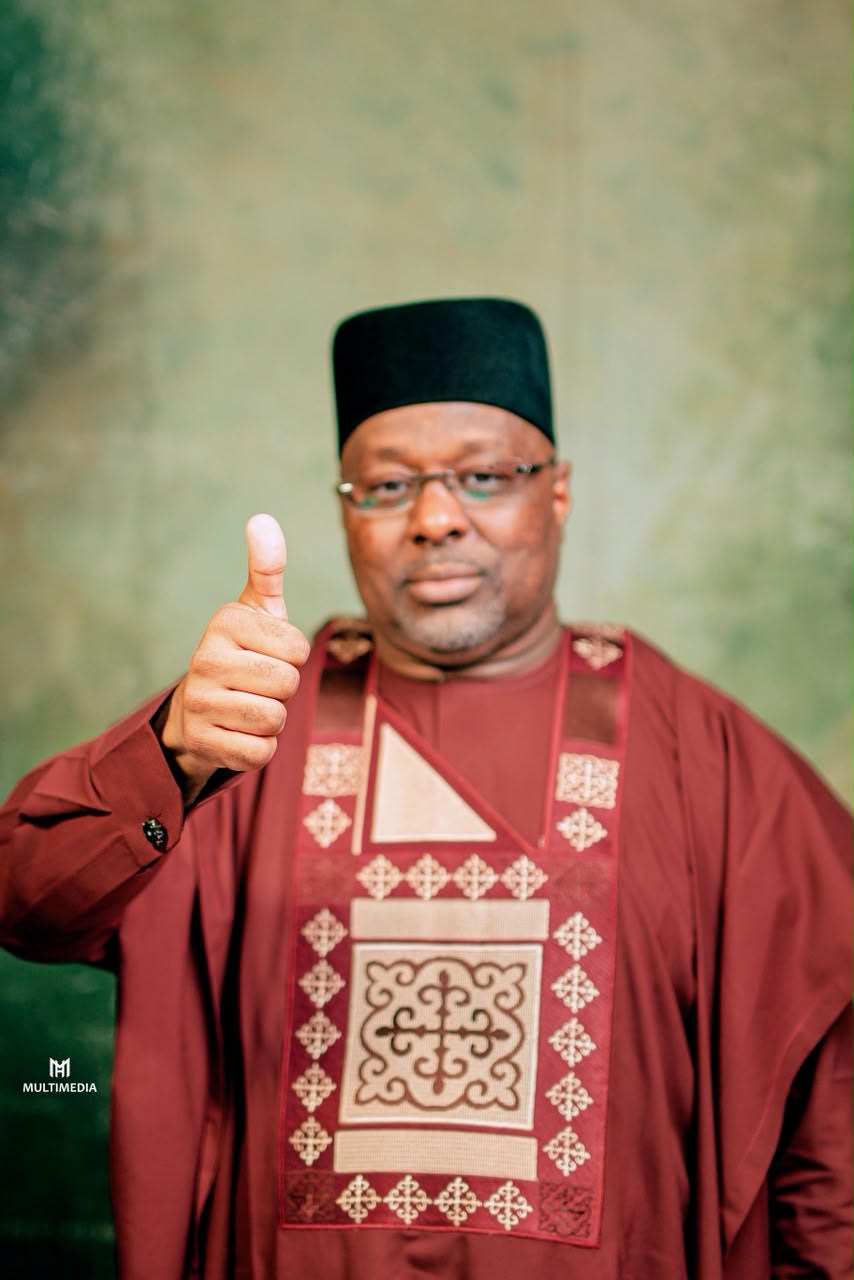
The movement for Democratic Protection and good governance (MDSG) declared it's full support to the Accord Party Governorship Candidate Ambassador Dr. Mukhtar Gashash in the forthcoming general elections.

In a chat with our correspondent in kano, the national president of the movement, Alhaji Dauda Mohammed Ali,  stated that it is time for the people of kano state to bring new steward who is seriously planning to transform the state with highest regard.

He expressed his confidence that Ambassador Dr Mukhtar Gashash will do his best to ensure that kano state becomes more examplary at both sector without bias which is the task previous administrators failed to achieve.

Alhaji Dauda Mohammed Ali reiterated that " this time around, our movement is working day and night to make sure that Kano people mostly youths remained Committed to actualize real change in the state's politics, leadership and transformation under the Accord Party government".

He called on the people of kano state especially the eligible voters to vote Ambassador Dr Mukhtar Gashash due to his Transformation plans for the progress of kano state and it's citizens at both Urban and rural settlements.

Responding to a question about Accord party's strength in kano state, Dauda Mohammed Ali disclosed that in today's democracy, competent candidates should be tipped for an elective positions not the popularity of the political parties stressing that Ambassador Dr Mukhtar Gashash has been found to be the best option for kano state due to his track record on competency, transparency as a real democrat.

There are growing questions about where Mr. Samuel Ortom, a former Governor of Benue State and a prominent figure in the People’s Democratic Party (PDP), truly stands politically ahead of 2027.
Ortom was a key figure in the divisions within the PDP before the 2023 general elections and was widely associated with support for Mr. Peter Obi, who finished third in that contest. More recently, however, he has publicly expressed support for President Bola Ahmed Tinubu’s administration.
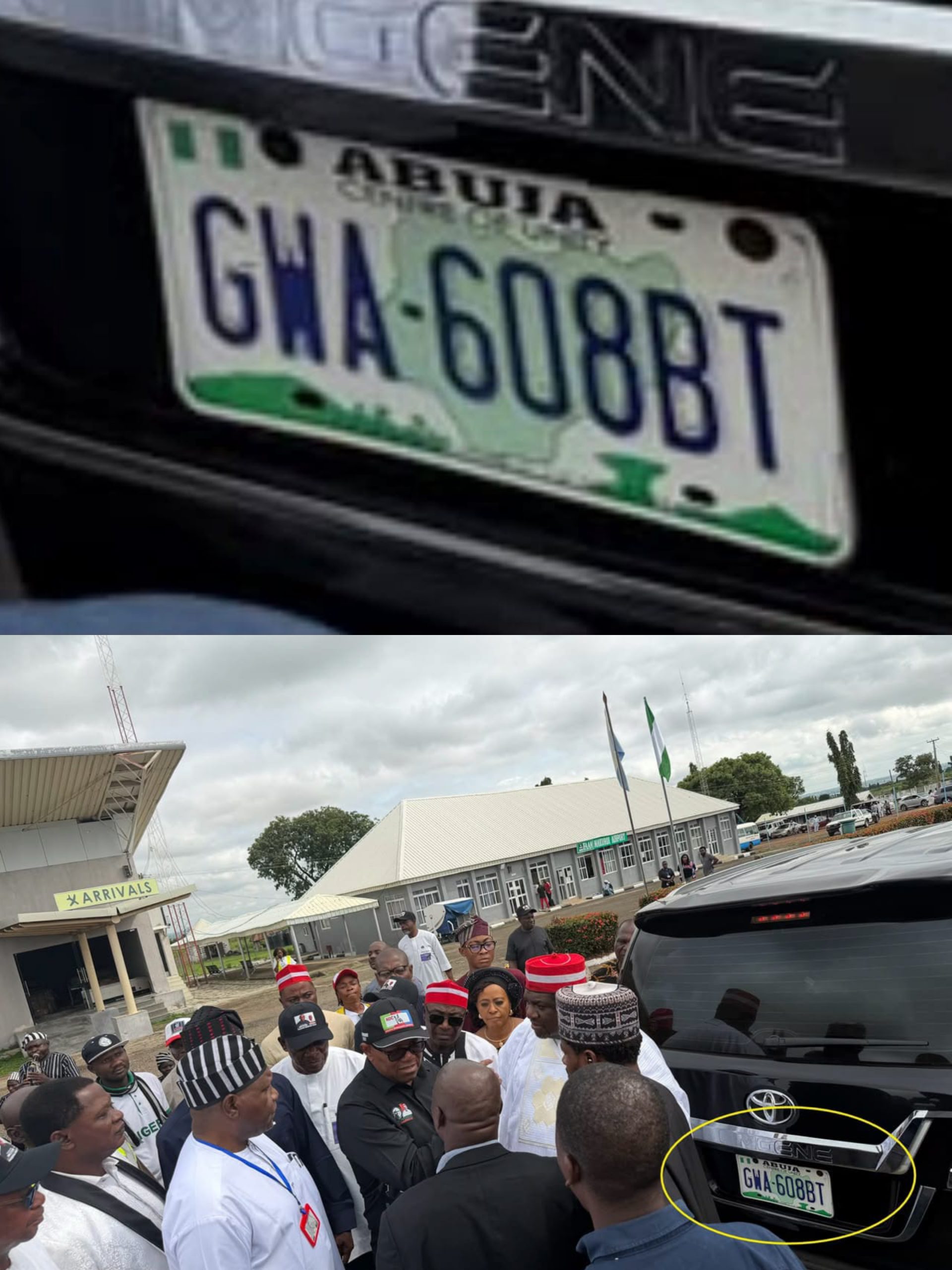
The latest discussion began after a visit by Mr. Peter Obi to Benue State. Reports indicate that a vehicle said to belong to Ortom was used to receive Obi at the Air Force Base airport in Makurdi. It is not clear who authorized the use of the vehicle, and Ortom has not commented publicly on the matter.
During the same visit, Obi was reportedly prevented from travelling to Yelewata, where he had intended to condole with families affected by violence. Obi’s team attributed the blockage to supporters of Governor Hyacinth Alia.
The Governor’s spokesman, Sir Tersoo Kula, denied any involvement by the Governor. He suggested the incident may have been staged to damage the Governor’s reputation, or that it could have resulted from disagreements within Obi’s own support base.
Ortom has not issued a statement clarifying his position on the 2027 elections or on the vehicle in question. Attempts to reach him were unsuccessful at the time of reporting.


Changsha brings millennia-old heritage into modern life

Gov AbdulRazaq Lauded Over Conferment Of Sadauna Of Ilorin Title

FG Commissions KWASU ICT Centre To Enhance Graduates Employability

-
 Uncategorized6 years ago
FG, states urged to harness flooding for ranching, others with technology – Agbaje
-
 Headlines11 years ago
Breaking: EFCC seals Borno House of Assembly, as Hon members take to their heels
-
 News12 years ago
Nigeria Security Operatives Stage Manhunt For Homosexual Perpetrator
-
 News10 years ago
How 21-year-old Girl fled community over accusation of lesbianism
-
 News11 years ago
Yobe Gov Moves Against Deputy
-
 Opinion7 years ago
7 signs she has friend zoned you
-
Technology5 years ago
Online job placement company headhunts women
-
 Headlines10 years ago
Borno Dep Gov Abducts Another Church Leader