
Uncategorized
OPINION:TRUMP, NOSTALGIA AND NIGERIA’S CAPACITY FOR NATION BUILDING

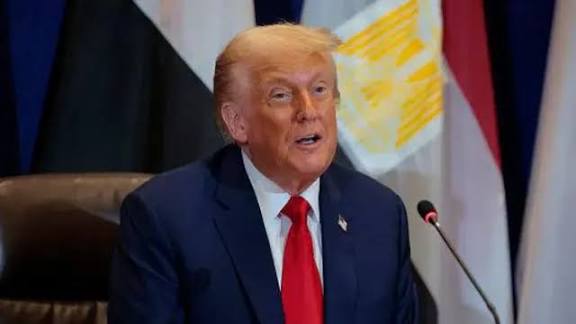
Times and words are powerful weights. Just a few lines from him—“If we attack, it will be fast, vicious, and sweet”—and suddenly Nigeria’s sluggish attention to matters of public concern, especially security of life and property, began to stir. What was Nigeria’s crime? Genocide—against its own people. Nigeria’s descent from promise to something of a disgrace took barely five and a half decades. Precisely from 1970 to 2025, if one discounts the first decade after independence as a natural teething period most countries endure after the departure of colonial masters.
By the turn of the 21st century, national decay had reached its peak. Most indices of development collapse: infrastructure, industry, research capacity, citizens’ well-being, and security. The good old days simply vanished—to the astonishment of the pre-independence generation, who, though not without fault, could clearly tell the difference. That generation—both individuals and institutions—experienced a simpler Nigeria. Life was slow and uncomplicated. Few were educated, yet many were reliable. Nigerians were religious, but without the chronic bigotry of today. Churches and mosques were fewer, but people were morally upright.
The issue should not be twisted. The honest living of that era was not unrelated to the presence of a colonial system that sought to clone Nigerians—and indeed all colonial subjects—into a European lifestyle shaped by the early industrial revolution. Law, order, and accountability were the tools through which the colonialists colonised, governed, and controlled. European legal, economic, and administrative systems became the guiding principles. Early local colonial officers and, later, politicians were schooled and programmed accordingly. They were “white” internally, superintending over their fellow black communities. And it worked—at least administratively.
Things changed after independence. The further society drifted from the colonial experience, the weaker the assimilated values of orderliness, honouring time, public good, and accountability became. Because these behaviours were imposed rather than organically developed, they were difficult to sustain. Worse still, little effort was made to evolve local alternatives grounded in indigenous values. Education was not adapted to local realities. It’s neither labour-market linked, nor did it speak to entrepreneurial motivation. Institutions were not built, either. Thus, giving rise to massive structural unemployment where jobs to done/opportunities to be exploited, exist side-by-side with pools of unemployable labour. And so, as the colonial scaffolding faded, chaos and confusion rushed in to fill the vacuum. The more Nigeria moved away from 1960, the more entrenched the dysfunction became.
No one longs for colonialism—it was exploitative. But the experience, nonetheless, offered some nations a foundation on which to build. In some places, it produced “strong men.” In others, “strong institutions.” In a few, both. These two ingredients accelerated post-colonial development in many societies. Most of sub-Saharan Africa—especially Nigeria—missed out. Society became vacuous, with nothing to guide or shape it. And as Malcolm X (or Alexander Hamilton) put it, “If you stand for nothing, you fall for anything.” Nigeria’s failure to cultivate a shared national philosophy left it vulnerable to every divisive wind.
With no shared vision and weak institutions, Nigerians turned on one another in difficult times. Everyone looked for culprits. Sectarianism exploited social cracks and mental emptiness to mislead vulnerable believers. Some did so through distorted spirituality; others through toxic rhetoric. Ethnic and tribal chauvinists joined in. Before long, communities that once respected each other became sworn enemies. Relationships fractured. The idea of nationhood crumbled. As Achebe, quoting Yeats, captured: “Things fall apart; the centre cannot hold… The best lack all conviction, while the worst are full of passionate intensity.”
Today, honest conversation has become perilous. Speaking freely with friends, colleagues, or old acquaintances in Nigeria feels like navigating a minefield. Gone are the days when people debated religion, culture, marriage, or political ideology openly. Every word now carries ethnic or religious connotations. People judge each other more by what they didn’t say than by what they said. Every sentence has triple meaning—what was said, what wasn’t said, and why. Paradoxically, what is unsaid is what people hear the loudest.
Under collective hypocrisy and silence, impunity rose and took the driver’s seat. Governance weakened, and society scattered like sheep without a shepherd. Insurgents, terrorists, bandits, and secessionists filled the vacuum. They grew and matured within the same communities that eventually became their victims. Yet Nigerians could not engage in open, honest discussions when these threats were still nascent. The result is a nation soaked in blood, tears, and avoidable misery.
When Boko Haram ravaged Borno, Yobe, and Adamawa, many dismissed it as “their problem”—a distant Muslim-on-Muslim or Muslim-on-Christian conflict. Then armed herders began rustling livestock in the Northwest—Zamfara, Kebbi, Sokoto, Katsina—and Nigerians again looked away. The phenomenon escalated into mass killings and industrial-scale kidnappings. Criminals reasoned that instead of stealing cattle and struggling to sell them, it was easier to kidnap the owner and make the family sell the cattle and bring the money. “Smart economics”—but drenched in the blood of tens of thousands of innocents.
Not done. The terrorists moved into the Middle Belt—Niger, Plateau, Benue, Nasarawa, and Kwara. Here, criminality is fused with ethnic and religious undertones. Jihadist groups exploited these cracks. Natives and farmers fought back with whatever means they could. After decades, the outcome remains the same: death, displacement, and sorrow. In the Southeast, the ghost of the Civil War still lingers. IPOB’s armed struggle to revive the Biafra dream has been chequered but destructive, grounding the regional economy and inflaming tensions.
Discussing these crises openly has become taboo. Everything is dressed in religion, region, tribe, or culture. Nigerians discuss these matters internally within groups, but not across groups. People who can not share collective grief can not agree on causes. Even existential threats are reframed into ethnic talking points. Nigerians have become prisoners of their own narratives, transmitting doom from generation to generation.
As a consequence, Nigeria, with over 220 million people, becomes the only nation on earth with such a size to be economically impotent. It can’t genuinely invent, innovate, or improve. It’s a nation with a highly defficient capacity to manufacture or mechanise processes, except for low-tech activities such as bottling, packaging, and assembling, while mid-tech projects, are usually executed on turnkey bases. A nation that manages to put infrastructure like highways, power transmission, and public buildings but hardly maintains and/or routinely service them. A nation that at best could be said to be on the path of growth but certainly not development. For, no economy gets developed or transformed without the existence of given levels of applied engineering technology, innovation, and commercialisation capacity, and infrastructure. The Nigerian economy is defficient in all these, and as such vulnerable to imminent collapse – maybe within a twelve calendar months – in the event of an internationally coordinated economic sanctions.
Then Trump entered the scene. His allegation of genocide may be exaggerated, but it achieved what Nigerians had refused to do for decades—it forced the nation to talk. To accuse openly and to respond openly. Trump reminded Nigerians that nature equipped them with mouths. Problems can not be solved through silent groaning in enclaves. They must be confronted squarely. Whether or not Trump’s motives are clear, there is a silver lining: Nigerians are finally speaking. No more pretence. No more sweeping issues under the carpet—at least not if Nigeria plans to remain one country.
The way forward is for governments at all levels to treat the U.S. allegation not as an attack but as an opportunity for honest, open, and constructive national engagement. Civil society organisations like the Christian Association of Nigeria (CAN), Supreme Council of Islam Affairs (SCIA), and Jamma’at Nasirul Islam (JNI) must rally their followers toward common ground rather than divisive accusations. The same applies to major cultural and regional organisations—ACF, Ohanaeze, Afenifere. Through action or inaction, these groups, along with successive governments, have been part of the failure to stem Nigeria’s steady decline.
It is instructive and incumbent on all to know that the history of US interventions around the world rarely delivered the envisaged peace and stability. Instead, such nations were recessed decades back in terms of peace, harmony, and stability, from Somalia, Iraq, Libya, Philippines, Israel, Syria, and Afghanistan to cite a few. Nigeria is too fragile to gamble with US interventions even if it chooses mutual dissolution. Suffering and deprivation are “colourblind” when to it comes to tribe, religion, culture, or creed – the very achilles heels of Nigeria. Social upheaval, too, affects both the oppressed and oppressor, to varying degrees. In the final analysis, people largely may not only end up in the same boat but also face the same storm.
Now that Trump has lifted the lid over the bottled up frustrations, mutual prejudice, and attendant emotions, among Nigerians, the engagement should extend to why the nation and indeed Sub-saharan Africa are finding it difficult to evolve good governance. Why should a nation be in a constant state of lamentations and trading blame for over half a century? Granted that historical experiences (colonialism, neocolonialsm, neoliberalism, imperialism, globalism, etc) may have a part to play in a nation’s predicaments, why should some like Nigeria remain perpetually trapped. Nations make conscious and deliberate efforts to overcome them by cultivating the right attitude.
What is inside Nigerians that allow them to know the right thing but never prepared to do the right thing, just to go on extolling the virtues of those doing the right thing? Why doesn’t the consciousness stick? Nations work and walk out of “-isms” through hard work and justice systems and not lamentation and impunity. It is delusional to think that Nigeria could sidetrack good governance and still become a great nation. After getting over the allegations of genocide, the next logical dialogue should be to interrogate why Nigerians are the way they are. Could it be nature, nurture, or both? Let the interrogations begin.
A.G.Abubakar
agbarewa@gmail.com
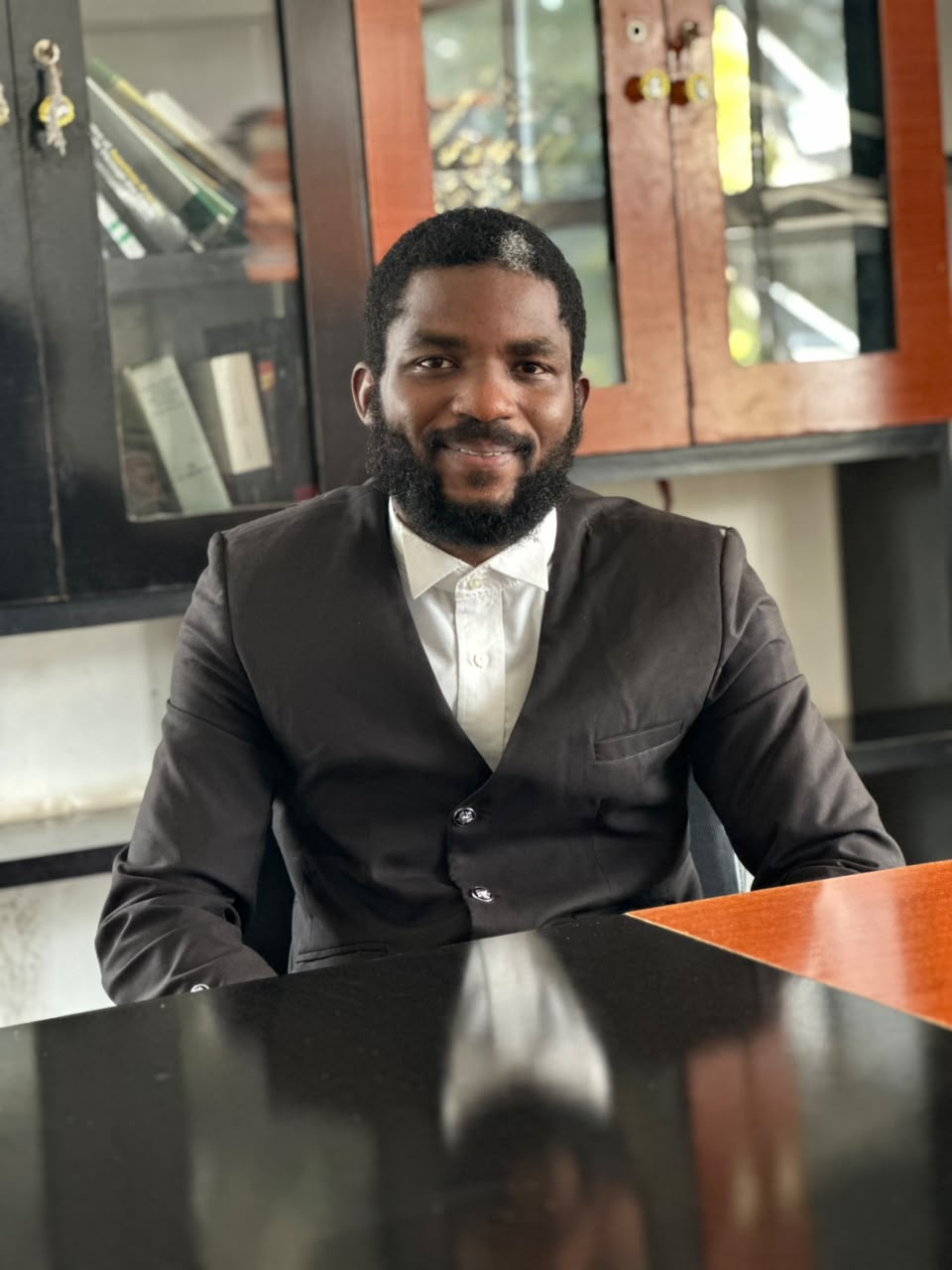
A legal practitioner, Mr M. D. Zarewa, has said that a bank cannot freeze or restrict a customer’s account without a valid court order.
Zarewa said it was prevalent in the society for law enforcement agencies to give directives to banks to freeze customers’ accounts whenever there was a pending case before them, adding that banks often complied with such directives.
He, however, said such practice was alien to Nigeria’s jurisprudence, stressing that banks were enjoined not to interfere with or restrict the activities of any customer’s account without a valid court order.
According to him, it is trite law and settled beyond argument that a bank cannot freeze a customer’s account without a valid court order.
He said the position was entrenched in the case of GTB Plc v. Olachi & Anor (2025) LPELR-81833(CA), where the Court of Appeal held that “whether frozen or restricted, neither can be done without the valid order of a Court of Law.”
Zarewa further cited GTBank v. Adedamola (2019) 5 NWLR (Pt. 1664) 30 at 43, Paras. E-F, where the court held:
“Before freezing customer’s account or placing any form of restraint on any account, the bank must be satisfied that there is an Order of Court.
“By the provisions of Section 34 of the Economic and Financial Crimes Commission Act 2004, the Economic and Financial Crimes Commission has no power to give direct instructions to banks to freeze the account of a customer without an Order of Court. So doing, constitutes a flagrant disregard and violation of the rights of a customer.”
The lawyer said any customer whose account had been frozen or restricted without a valid court order could institute a suit against the bank for grossly violating his or her rights.
He said such a customer could particularly seek redress for the violation of the right to own movable and immovable property and seek compensation from the court.
Furthermore, Zarewa said the law was trite that where there was a wrong, there was a remedy, as captured in the Latin maxim, Ubi jus ibi remedium.
Stephen Olufemi Oni, Ilorin
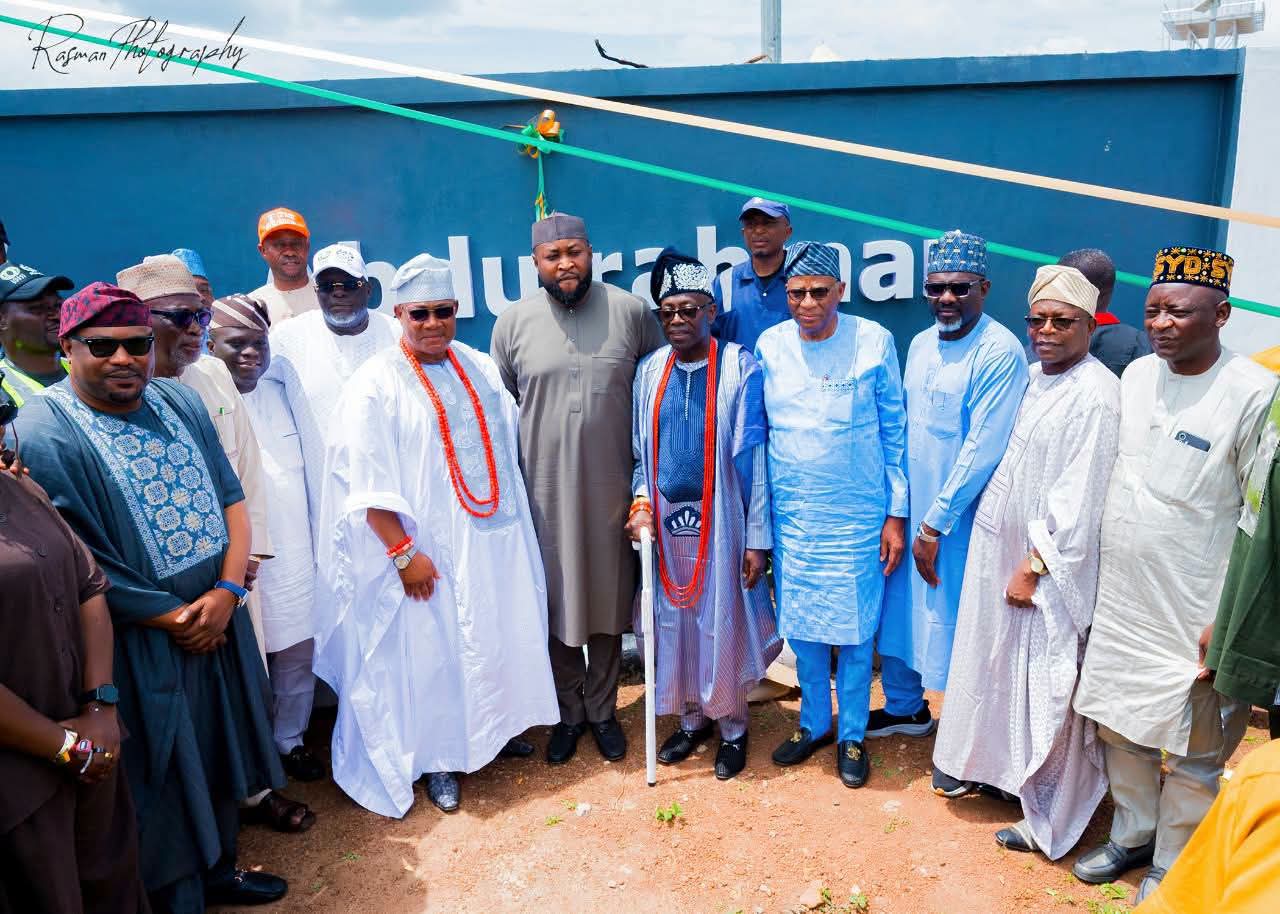
Kwara State Governor AbdulRahman AbdulRazaq has inaugurated the ‘AbdulRahman AbdulRazaq Morire Housing Estate’ in Ijagbo, Oyun Local Government Area of the State.
Speaking at the groundbreaking of the housing estates, which included 210 units of two-bedroom terrace apartments, 200 units of three-bedroom units and 54 units of four-bedroom terrace duplexes, the
Governor, noted that housing should not be seen or regarded as a luxury, but rather as a fundamental human requirement and cornerstone of dignity, security, and family stability, lamenting the daunting challenge of addressing housing deficits across the country.
He said: “Dear Kwarans, housing is not a luxury. Basic housing is a
fundamental human need and a cornerstone of dignity, security,
and family stability. Yet, across Nigeria and indeed in Kwara State,
the challenge of addressing housing deficit is daunting.
“This administration believes that inadequacy of proper shelter
for Nigerians is not merely a problem of not building enough
houses. Indeed, several studies have attributed the housing deficit in Nigeria to a complex mix of causes, key among them being high costs and rising costs of building materials, weak finance, difficult land systems, infrastructure gaps, institutional limitations, among others.
“On behalf of the people of Kwara, I thank the management of ISHI
Homes Limited for this partnership and for choosing Kwara State
as the location for this important development.”
Represented by the Commissioner for Housing and Urban Development, Dr Segun Ogunsola, the Governor applauded the developer for recognising his administration’s contributions to mass housing development in the State.
“The administration has consistently placed housing development high on its agenda. The government recognises access to decent and affordable housing as essential to the wellbeing of the people.
“The State Government has also been in active collaboration with
institutional partners including the Federal Ministry of Housing
with a view to increasing housing stock in the State.
“Recently, we acquired a housing estate with over 130 flats at
Ogbondoroko in Asa LGA of the State. Government has approved
that the estate be onboarded onto the administration’s social
support scheme,” he disclosed.
AbdulRazaq said the commitment was reflected in the development of the Kwara Smart City and other mass housing initiatives across the State.
The Governor disclosed that his reforms in land administration have reduced the processing time for Certificate of Occupancy (C of O) from 180 days to 35 days.
AbdulRazaq said the improved turnaround time demonstrated the administration’s commitment to making land administration more transparent, efficient and investor-friendly.
Earlier in his remarks, the Chief Executive Officer (CEO) of ISHI Homes, Dr Olayinka Ilufoye, said the project was intended to democratise home ownership and make decent and affordable housing accessible to the people of Kwara South senatorial district.
Ilufoye said the estate was meant for civil servants, traders and other Nigerians who can access it through the National Housing Fund (NHF).
“The name AbdulRahman AbdulRazaq Morire, which translates to ‘I have seen goodness’, is a deliberate expression of our faith, hope and expectation.
“We believe this estate will become a testimony of prosperity, progress and abundance in Kwara South,” he said.
Ilufoye pledged that the company would remain committed to transparency, accountability, quality construction and timely delivery.
The Executive Chairman of the Kwara State Geographic Information Service (KWGIS), Alhaji Sulyman Abdulkareem said the state government has consistently placed housing development high on its development agenda.
He commended the state government for ensuring access to land, facilitating the prompt issuance of titles and certificate of occupancy.
Abdulkareem pointed out that by providing timely approval for mortgage transactions, the Governor is creating the conditions necessary for housing development to thrive in Kwara State.
Stephen Olufemi Oni, Ilorin
Nigeria, and the world at large, are in dire need of exemplary leaders like the late Founder of the Ansarul Islam Society of Nigeria, Sheik Muhammad Kamalu-deen al- Adabbiy.
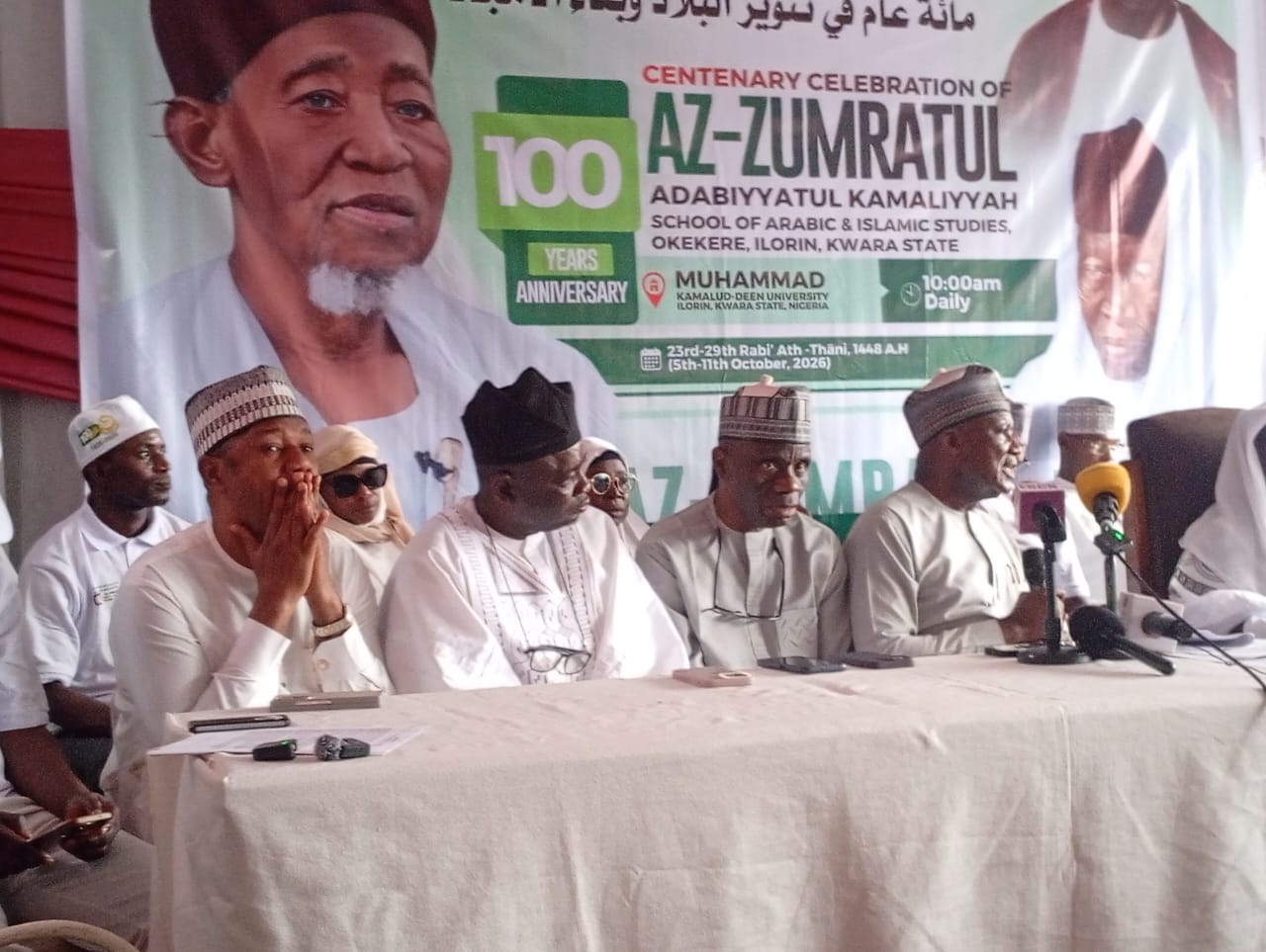
This was the submission of various scholars at a media briefing in ilorin, the Kwara State capital, to usher in the Society’s week-long activities to commemorate the 100 years of the establishment of the Az-Zumratul Adabiyatul Kamaliyyah School of Arabic and Islamic Studies, in Okekere, Ilorin.
The school was fouded by the late Sheik Kamalu-deen in 1942.
Born in 1905, the late Sheik Kamalu-deen was one of Nigeria’s foremost Islamic scholars and educational piooneers who transformed deep Islamic religoius learning into education and also advocated the acquisition of western education .
He also served as a Councillor and Member of the Ilorin Native Authority Transition Committee between 1958 and 1961and was appointed as the first grand mufti of Ilorin by the Emir of Ilorin.
The late Kamalu-deen al- Adabbiy died in 2005 at the aged of 100 years, leaving behind impactful legacies in the propagation of Islamic religion, scholarship, education and leadership.
Addressing journalists at the ancient hall of the Az-Zumratul Adabiyatul Kamaliyyah School of Arabic and Islamic Studies in Okekere, Ilorin, the spokesperson, Prof Kamil Kamaldeen, said the late sheikh was “non discriminatory” in all his policies, a virtue he said was lacking in most leaders today.
“We are here to celebrate the legacies of the late Sheikh Muhammad Kamalu-deen al-Adabbiy not to tell his history, at a time when the world continues to need what he stood for. We are in a world today that we are looking for leaders who will serve without puting themselves first, no matter where we come from,” he said
The Registrar was flanked by the Vice Chancellor of the Muhammad Kamalu-deen University, Prof AbdulRasheed Jimoh, General Overseer of the Az-Zumratul school, Sheik Mustapha Kamalu-deen al- Adabby, Grand Khadi of the Kwara State Sharia Court of Appeal, Justice Abdulateef Kamaldeen, National Missioner of Ansarul Islam Society of Nigeria, Sheik Abdulmumini Ayara, retired Grand Khadi of the Kwara state Sharia Court of Appeal, Justice Idris Haroon and a foremost islamic Scholar, Sheik Sharafadeen Ajara .
Others included the President of Az-Zumratul alumni association, Ustaz Abdullahi Oni-Tolotolo, and the Principal of the School.
They noted that the late Sheikh Kamalu-deen had through his preachings, established educational structures and selfless leadership qualities, produced worthy ambassadors in all spheres of disciplines, urging leaders at all levels to invest heavily in education .
“No society loses from investing in education, it can only gain, no society loses when you build skills, you can only gain,” they added.
The Scholars also charged leaders to take a cue from the late Sheikh Kamalu-deen whom they said was always willing to collaborate with scholars and leaders of like minds in a bid to bring advancement and progress to his community, citing his link with Al-Ahhar University, Cairo, as beneficial in advancement of higher Islamic studies in Ilorin.


Bank Cannot Freeze Customer’s Account Without Valid Court Order — Zarewa

Gov AbdulRazaq Inaugurates 464-Unit Housing Estate In Kwara

Scholars Hail Late Sheik Kamalu-deen’s Legacies iN Education, Leadership

-
 Uncategorized6 years ago
FG, states urged to harness flooding for ranching, others with technology – Agbaje
-
 Headlines11 years ago
Breaking: EFCC seals Borno House of Assembly, as Hon members take to their heels
-
 News12 years ago
Nigeria Security Operatives Stage Manhunt For Homosexual Perpetrator
-
 News10 years ago
How 21-year-old Girl fled community over accusation of lesbianism
-
 News11 years ago
Yobe Gov Moves Against Deputy
-
 Opinion7 years ago
7 signs she has friend zoned you
-
Technology5 years ago
Online job placement company headhunts women
-
 Headlines10 years ago
Borno Dep Gov Abducts Another Church Leader