
News
Constitution Amendment: Electoral Reform Tops Agenda


By Aaron Ossai
The Senate Committee on the Review of the 1999 Constitution, SCRC, has assured that the amendment would be concluded in earnest to further reform the nation’s electoral system.
The alteration will also reposition the local government system, devolve more powers to the States, and reform the judicial system.
The hints were given by the Chairman of the SCRC, Senator Ike Ekweremadu, at the end of the Committee’s meeting at the National Assembly on Wednesday.
Ekweremadu, who also doubles as the Deputy President of the Senate, said experts working with the House of Representatives and the Senate Committees on the Constitution amendment project had already harmonised the positions of the two Committees ahead of their joint retreat to vote and adopt the proposals before presenting them to both chambers of the National Assembly for approval and subsequently to the State Assemblies for ratification.
Among the key electoral reform efforts, according to him, is a proposed amendment to Section 285 of the Constitution to set a timeline for the conclusion of pre-election matters. He explained that such timeline was successfully set for election petitions during the 6th Senate.
Ekweremadu said: “The idea is for every pre-election matter to be filed not later than 14 days from the date of the occurrence of the event, decision or action being complained of in the suit.
“We are also looking at ensuring that judgment in every pre-election matter is delivered in writing within 180 days from the date of filing of the suit, while the appeal from a decision in a pre-election matter shall be filed within 14days from the date of delivery of the judgment that is being appealed. An appeal from a decision of a Court in a pre-election matter shall be heard and disposed of within 60 days from the date of filing of the appeal.
“Again, we seek to alter the Section to provide that where a preliminary objection or any other interlocutory issue touching on the jurisdiction of the tribunal or court or on the competence of the petition itself is raised by a party, the tribunal or court shall suspend ruling thereon and deliver same at the stage of final judgment. This is to ensure that no court stays proceedings on account of an interlocutory issue”.
He also explained that Sections 134(4) and (5), 179 (4) and (5) as well as Section 225 of the 1999 Constitution were proposed for amendment to extend the time for conducting presidential and Governorship re-run elections from seven to 21 days to allow the Independent National Electoral Commission (INEC) adequate time to prepare.
Ekweremadu added that “the proposed amendments will also empower INEC to de-register political parties, which breach registration requirements or failure to win at least one of presidential, governorship, Local Government chairmanship elections or a seat in the National or State Assembly elections”.
Also, the proposed amendment to Section 65 would allow independent candidacy in order to expand the electorate’s choices.
Concerning the Local Governments, the Senator said the Committees were proposing “to strengthen governance at the grassroots by amending Section 7 of the Constitution to properly situate the Local Governments as a third tier of government of the Federation with elaborate provisions for their funding, tenure, and elections, and also to clearly delineate their powers and responsibilities”.
Ekweremadu explained that this would include the abolition of the Joint State-Local Government Account and increased autonomy to ensure effective service delivery and insulation from undue and unhealthy interferences from State Governments.
Other expected amendments, Ekweremadu said, include alteration of Sections 82 and 122 of the Constitution to reduce the period within which the President and Governor may authorise withdrawals from the Consolidated Revenue Fund in the absence of an Appropriation Act from six months to three months.
“We are also proposing an end to the prevailing share-all attitude by amending Section 162 of the Constitution to make provisions for 10% of any amount, which is paid into the Federation Account, to be compulsorily saved for the future before any distributions to the respective levels of government; and such savings must not be tampered with for at least five years”, he said.
On the nation’s federalism, Ekweremadu stated that there were plans to amend the Second Schedule, Part I of the Constitution, to restructure the Legislative Lists and ensure proper devolution of powers to allow the States the needed leverage and room to take initiatives for competitive development.
He said Pensions, Prisons, Railways, Stamp Duties, and Wages would be moved from the Exclusive Legislative List, while Arbitration, Environment, Healthcare, Housing, Prisons, Railways, Road Safety, Land and Agriculture, Youths, Public Complaints, and Aviation would be added to them to constitute the Concurrent List.
On Judicial reforms, he said they were proposing, amongst others, amendments to Section 233 of the Constitution to provide for the disposal of applications for leave to appeal to the Supreme Court by three Justices sitting in Chambers if they believe an oral hearing of the application is not required.
Also up for amendment is Paragraph Twelve, Third Schedule dealing with the Federal Judicial Service Commission.
Senator Ekweremadu said the proposal here was to alter the composition of the Commission by removing the Attorney-General of the Federation from its membership, while the next most senior Justice of the Supreme Court is to become the Deputy Chairman of the commission.
Also, membership of the Nigerian Bar Association in the Commission is to be increased from two to four, while the tenure of members of the Commission would become non-renewable.


From a plethora of achievements and milestones—despite daunting challenges and shortcomings—the foresight, vision, and focused leadership of the present administration have transformed and repositioned the Service like never before in its history. In spite of limited funding and other grey areas yet to be addressed, the leadership has successfully turned around the narrative through deliberate rebranding efforts since assuming office.
Staff welfare remains paramount to the Commandant-General, who has consistently prioritized boosting esprit de corps and high personnel morale through the prompt payment of salaries, allowances, and other official entitlements as and when due. The leadership has also entrenched core values of integrity, intelligence-based security response systems, and professionalism across all operations. These measures have significantly reduced the activities of criminals, vandals, kidnappers, herdsmen, and illegal miners across the country.
In a press release signed by Mahmud Bello, Director of Media and Stakeholders Engagement of the Citizen Watch Advocacy Initiative (CWAI) in Kaduna State, the organization stated that the paramilitary agency has demonstrated genuine commitment to the interest of Nigerians through its open-door policy and robust engagement with its various publics. This approach has greatly reduced threats and disaster incidences nationwide through professional intelligence gathering, investigation, information sharing, manpower development, and strong collaboration with sister agencies—leading to remarkable improvement in disaster management as first responders.
Accordingly, transparency, accountability, and good governance have remained at the forefront of the present administration’s transformational philosophy. This has resulted in far-reaching reforms, including the regulation of private security companies, the introduction of Mining Marshals to secure strategic mining sites nationwide, containment of vandalism of critical national assets, reduction of oil theft in the Niger Delta region, and the assumption of VIP protocol protection responsibilities. These achievements surpass those of previous administrations and mark a significant milestone in the Service’s evolution.
CWAI authoritatively confirmed that the present management has introduced comprehensive institutional reforms that have repositioned the Service for greater productivity, efficiency, and effectiveness in delivering its mandate of safeguarding lives, property, and critical national assets—thereby reducing criminal activities and enhancing national security.
The Commandant-General, Professor Abubakar Ahmad Audi, reiterated that the reforms introduced align with his vision to upgrade the operational machinery of the Corps. He noted that the reorganization and revitalization of the training department are aimed at sharpening the skills and competencies of personnel to effectively address contemporary security challenges posed by hoodlums, bandits, kidnappers, and insurgents.
The establishment of the Mining Marshals and the Special Female Squad (SFS) are novel initiatives and the first of their kind in the history of the Corps. In response to the Federal Government’s Safe Schools Initiative, the NSCDC conducted audits and surveys of schools nationwide and developed a framework for proactive security measures to address the persistent attacks on educational institutions. These squads, like the Mining Marshals, are strengthening partnerships with local communities and stakeholders while prioritizing surveillance and monitoring to curb violent attacks and criminal activities.
The statement further emphasized that the Directorate of Legal Services has been reinvigorated and strengthened with enhanced prosecutorial competence, improving law enforcement and accountability. Similarly, the Anti-Vandal Unit has undergone major reforms and has been strategically deployed across the South-South geopolitical zone to curb pipeline vandalism, crude oil theft, and destruction of critical national assets. Over 2,500 suspects have been arrested since the beginning of the year for offences ranging from vandalism and attacks on national infrastructure to cattle rustling, banditry, attacks on farmers and farmlands, and illegal mining.
The Commandant-General attributed these successes to effective inter-agency collaboration, synergy, and partnerships, calling for comprehensive manpower development within the national security architecture.
Sports have also received significant attention under the present leadership, with officers and men of the NSCDC winning numerous laurels and trophies in various sporting engagements. All personnel, regardless of rank, have been provided with insurance cover against accidents, disability, or death in the course of duty. The Commandant-General views sports as a unifying platform that promotes wellness, camaraderie, information sharing, and mutual trust among paramilitary agencies.
CWAI further noted that the crackdown on illegal mining activities has saved the economy substantial revenue losses, while the destruction of over 450 illegal refineries has reduced oil theft. Additionally, the arrest of suspects and recovery of critical assets and railway materials valued at over ₦5 billion represent major milestones of the Service.
The organization therefore endorsed the change mantra of the Audi-led management and expressed confidence in the present leadership, noting that Nigerians are proud of its achievements despite prevailing challenges.
CWAI urged personnel to remain good ambassadors of the Corps—incorruptible and aligned with international best security practices wherever they serve. Nigerians were also encouraged to support the management in strengthening efforts against vandals and criminals nationwide.
The organization appealed to corporate bodies and public-spirited individuals to support President Bola Ahmed Tinubu’s Renewed Hope Agenda, particularly efforts to modernize the NSCDC through funding, partnerships, manpower development, capacity building, and the acquisition of modern security equipment.
Finally, CWAI emphasised the need for increased national budgetary allocation to the NSCDC in view of its critical role in the nation’s security architecture, including its added responsibility of VIP protocol protection. It also called for the entrenchment of a standard training curriculum to enhance career progression, effective supervision, and transparent regulation of Private Guard Companies across the country.
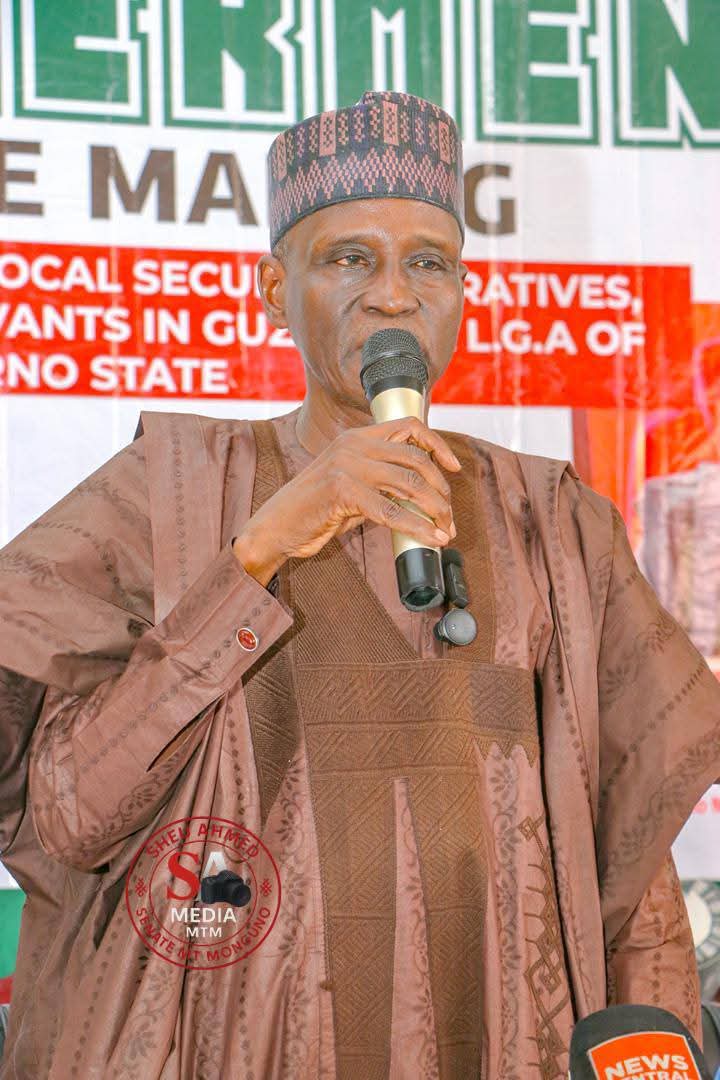
The Senator representing Borno North Senatorial District, Chief Whip of the Senate and Vice Chairman of the Senate Committee on Appropriation, Distinguished Senator Mohammed Tahir Monguno, has unveiled a ₦250 million Mega Empowerment Programme designed to strengthen grassroots economic development through skills acquisition and financial support. The initiative, targeting 2,500 constituents, commenced with the disbursement of ₦125 million to 1,250 beneficiaries in the first batch, each receiving ₦100,000 as start-up capital. The second batch of 1,250 beneficiaries is scheduled to receive the remaining ₦125 million next week, ensuring equitable coverage across the constituency. Ahead of the disbursement, participants underwent a four-day intensive training in Tie and Dye, Cake Making, Tailoring, Entrepreneurship, Soap Making, Groundnut Cake Production, and Hairdressing. The programme deliberately focused on youths and women, equipping them with practical skills to foster self-reliance, productivity, and sustainable livelihoods. Prominent stakeholders, including Alhaji Kallah Maina Monguno, Hon. Mohammed (M-Gas), and APC Local Government Chairmen, commended Senator Monguno’s people-focused leadership. They described the initiative as timely and impactful, urging beneficiaries to apply the support responsibly as a strategic investment in human capital development. Speaking on behalf of the organisers, Mr. Suleiman reaffirmed their commitment to transparency and sustainability, advising participants to remain disciplined and dedicated to their chosen trades. The event drew wide attendance from political leaders, religious figures, and youth and women group representatives, underscoring its significance. Senator Monguno emphasized that the programme is not a one-off intervention but a long-term strategy to strengthen skills acquisition, promote entrepreneurship, and create sustainable sources of livelihood. He noted that the initiative complements Governor Babagana Zulum’s human capital development agenda and aligns with the broader vision of reducing unemployment and fostering inclusive economic growth in Borno State.
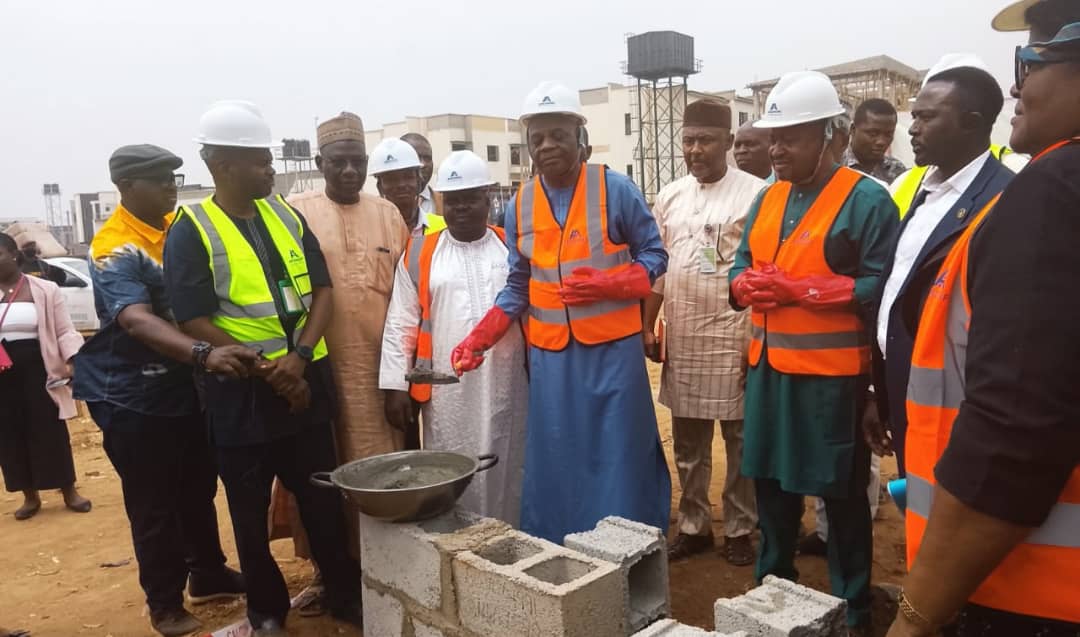
The Tertiary Education Trust Fund (TETFund) has initiated the construction of the Abuja Leadership Centre of Excellence in Public Governance at Yakubu Gowon University, formerly known as the University of Abuja.
The Executive Secretary of TETFund, Sonny Echono, officially launched the project alongside the Vice-Chancellor of the University of Abuja, Professor Hakeem Babatunde Fawehinmi, and the Director of the Centre, Professor Philip Dahida, during a ceremony held on Tuesday in Jahi, Abuja.
During the event, Echono emphasized the goal of making the Abuja Leadership Centre “a stopping point for every leader visiting the country.” He described leadership as a crucial element of national development, noting that the success or failure of nations often hinges on the quality of leadership they cultivate.
He highlighted that effective leadership relies on a collective effort to utilize intellectual, human, and material resources, which, when efficiently coordinated, can drive national development aspirations.
Echono disclosed that TETFund plans to commission approximately 467 projects across tertiary institutions nationwide between now and October. “It is my prayer and hope that this centre will become a stopping point for every leader visiting our country. Its location in the nation’s capital is not accidental,” he remarked.
The TETFund boss expressed optimism that the Abuja Leadership Centre would develop into a world-class facility capable of nurturing leaders across various sectors of the economy and hosting globally recognized speeches, conventions, and declarations.
The TETFund Executive Secretary urged the contractors responsible for the project to meet expectations, emphasizing that the goal is to create a facility of international standard. He assured that TETFund would provide funding not only for construction but also for high-quality furniture and equipment.
According to him, the Centre is envisioned as more than just a conference hall or auditorium; it aims to be a top-tier leadership facility where visiting heads of state and their delegations will feel at home, comparable to similar facilities worldwide.
Echono praised the leadership of the University of Abuja and the Centre for the stability and direction they have brought to the institution, reaffirming TETFund’s commitment to collaborating in order to realize the vision of the university’s founders. He emphasized that, by its name and mandate, the university must continue to promote national unity, integration, and excellence, particularly in leadership and governance.
Regarding the commissioning of projects, he noted that it would not be feasible for the agency to inaugurate all projects directly, but at least 50 iconic projects would be selected across the states, with a minimum of two to three in each state.
Earlier, in his remarks, Vice-Chancellor Professor Fawehinmi stated that the groundbreaking ceremony marks a new phase in the university’s collaboration with TETFund. He noted that the Abuja Leadership Centre would function as a center of excellence for public governance and leadership, serving as a national hub for training future leaders who will significantly impact policy formulation and national development.
The Vice-Chancellor commended Echono’s leadership at TETFund, pointing out that under his guidance, the agency has transformed tertiary education not only through physical infrastructure but also in staff development, libraries, and other essential facilities.
He expressed confidence that TETFund would ensure the timely completion and proper furnishing of the Abuja Leadership Centre so that it can be fully utilized to achieve its objectives. Fawehinmi assured that the university would maximize the use of the facility, describing the project as a historic intervention that would be remembered for years to come.
“Today, we further strengthen our long-standing partnership, and we are delighted to announce that this Abuja Leadership Centre will be a center of excellence for public governance and leadership. It will serve as a national hub for training future leaders who will be involved in policy decisions for the development of their country. We extend our gratitude to you and your team, as we recognize the importance of nurturing our relationship into the future. Executive Secretary, you have done exceptionally well over the years. You have led one of the most impactful intervention agencies for tertiary education in the country, and we are very proud of your achievements,” he added.
The Director of the Abuja Leadership Centre, Professor Dahida, praised TETFund for commencing the construction of its permanent site, stating that the development signifies the realization of a vision rooted in the belief that leadership is the most vital resource for good governance, institutional excellence, and national development.
Dahida revealed that the Centre was established to serve as a hub for thought leadership, capacity development, policy dialogue, and ethical reorientation, not only for the University of Abuja but for Nigeria and the wider African region. Adding that the Centre is also designed to bridge the gap between theory and practice, academia and policy, and leadership ideals with real-world application.
He charged the contractor to execute the project strictly in line with the approved specifications, timelines, and agreed standards. Stressing that the facility must reflect world-class quality, professionalism, and durability, while public funds entrusted to this project must translate into tangible value, accountability, and excellence.
“Today marks far more than the commencement of a construction project. It signifies the physical birth of a vision, one rooted in the conviction that leadership is the most critical resource for good governance, institutional excellence, and national development.
“The Abuja Leadership Centre, TETFund Centre of excellence, was established to serve as a hub for thought leadership, capacity development, policy dialogue, and ethical reorientation, not only for the University of Abuja but for Nigeria and the wider African region.
“At a time when nations are confronted with complex governance challenges, evolving public expectations, and rapid socio-economic change, the need for principled, competent, and forward-looking leaders has never been more urgent.
“I wish to express our deepest and most sincere appreciation to the Tertiary Education Trust Fund (TETFund), and in particular to the Executive Secretary- Dr. Sunday Echono, for the approval and support that made this project possible.
“I also wish to specially commend the Vice-Chancellor of the University of Abuja, Prof. Hakeem Babatunde for his exemplary leadership, swift action, and unwavering support. From assumption of office, the Vice-Chancellor has demonstrated uncommon commitment to institutional growth and innovation.
“As we formally break ground today, I take this opportunity to enjoin the contractor to execute this project strictly in line with the approved specifications, timelines, and agreed standards. This facility must reflect world-class quality, professionalism, and durability. Public funds entrusted to this project must translate into tangible value, accountability, and excellence,” Dahida warned.


Audi: Trajectory of Success and Changing the Narrative

We’ve Known Each Other Since the 90s; I’m Qualified to Call Him a Scumbag – El-Rufai

Electronic Transmission: This Is Just a Warning Protest, We’ll Wait Till Tomorrow – Isaac Fayose

-
 Uncategorized5 years ago
FG, states urged to harness flooding for ranching, others with technology – Agbaje
-
 Headlines10 years ago
Breaking: EFCC seals Borno House of Assembly, as Hon members take to their heels
-
 News12 years ago
Nigeria Security Operatives Stage Manhunt For Homosexual Perpetrator
-
 News9 years ago
How 21-year-old Girl fled community over accusation of lesbianism
-
 News10 years ago
Yobe Gov Moves Against Deputy
-
 Opinion7 years ago
7 signs she has friend zoned you
-
Technology4 years ago
Online job placement company headhunts women
-
 Headlines10 years ago
Borno Dep Gov Abducts Another Church Leader