
News
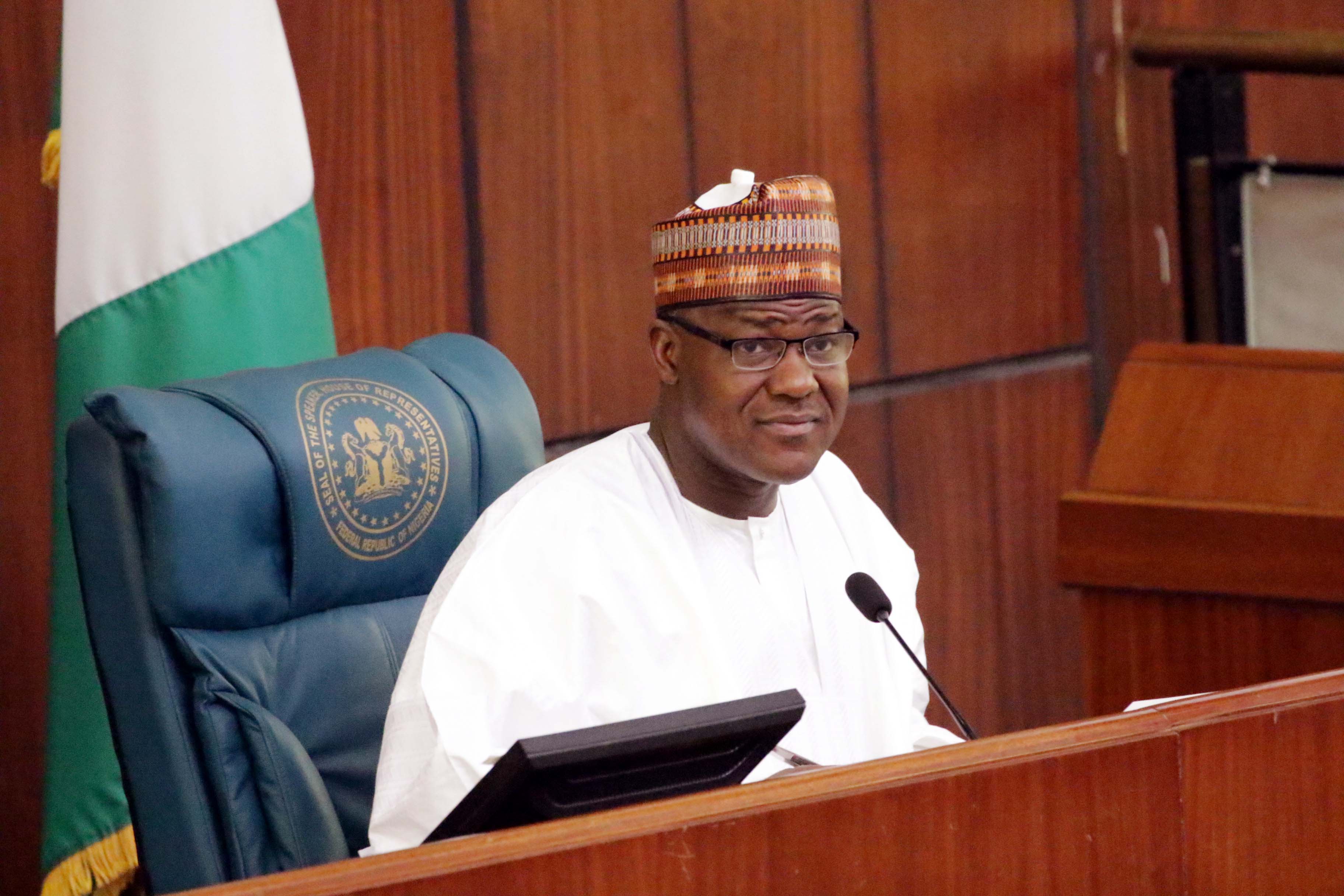
Dogara calls for Private Sector Participation to Tackle Housing Deficit

By Aaron Ossai
Speaker of the House of Representatives, Hon. Yakubu Dogara, has called for increased private sector participation in order to address the national housing deficit, and pledged the commitment of the House towards enacting the required legislation.
Speaking at a public hearing by the House Committee on Housing on a motion and four bills related to the National Housing Fund and the Federal Mortgage Bank of Nigeria, Dogara stated that citizens’ welfare should be of utmost importance to any government and shelter should therefore be considered a foremost priority.
“The government of the Federal Republic of Nigeria has a duty and responsibility to carter for the welfare of its people. Housing or shelter is one of the most important and fundamental needs of man. The very concept of human dignity requires that a man should have a roof over his head. This is why the Fundamental Objectives and Directive Principles of State Policy of the 1999 Constitution of Nigeria provides, inter alia, that the “state shall direct its policy towards ensuring that suitable and adequate shelter, suitable and adequate food, reasonable national minimum wage, old-age care and pensions, and unemployment and sickness benefits are provided for all citizens”
He further revealed that the proposed amendments would make housing laws more encompassing and introduce the necessary changes, as existing schemes have not been very successful.
“The National Housing Funds (NHF) scheme was designed to assist public servants own homes while saving a percentage of their income. The private sector employees were also captured under the Act. Similarly, the government – through mortgage institutions – is expected to provide loans to real estate developers to build low cost houses for the people. Unfortunately, both programmes have not yielded the desired results as Houses are still not within the reach of the generality of Nigerians. Indeed, the provisions of the National Housing Fund Act and Federal Mortgage Bank of Nigeria Act are observed more in breach by most stakeholders mandated to perform one responsibility or the other under the laws. The proposed amendments capture virtually everybody including self-employed persons.”
He pledged the commitment of the House to working with stakeholders towards the provision of safe and affordable housing.
“Let me assure you of the determination of the House to collaborate with all stakeholders in ensuring supply of safe and affordable homes and provision of viable legislative frameworks that will lead to private sector participation and ownership in order to reduce these deficits. The Bills being considered today will have far reaching effects on many institutions and stakeholders and these stakeholders should pay attention to the issues and offer workable solutions.”
Stakeholders in the housing sector include The Central Bank of Nigeria, The Pension Commission, Pension Fund Administrators, Commercial and Merchant Banks, the Federal Mortgage Bank, the Organised private sector, the Nigerian Labour Congress, the National Insurance Commission of Nigeria, Employers of Labour both private and public, NSITF, among others.
The motion and bills considered during the public hearing are; A motion on the need to ensure full compliance with the National Housing Fund Act for effective housing delivery in Nigeria (HR.59/2017); A Bill for an Act to repeal the National Housing Fund Act Cap. N45, Laws of the Federation of Nigeria, 2004 and Re-enact a National Housing Fund and for related matters (HB.1077); A Bill for an Act to repeal the National Housing Fund Act Cap. N45, Laws of the Federation of Nigeria, 2004 and Establish the National Housing Trust Fund Act, and for related matters (HB.891); A Bill for an Act to Repeal the Federal Mortgage Bank of Nigeria Act, Cap. F16 Laws of the Federation of Nigeria, 2004 to make comprehensive provisions for the re-establishment of the Federal Mortgage Bank of Nigeria and its Board of Directors and for related matters (HB.911); and A Bill for an Act to establish the Institute of Mortgage Brokers and Lenders of Nigeria to regulate the activities and ensure professionalism in the system and for related matters (HB.465).
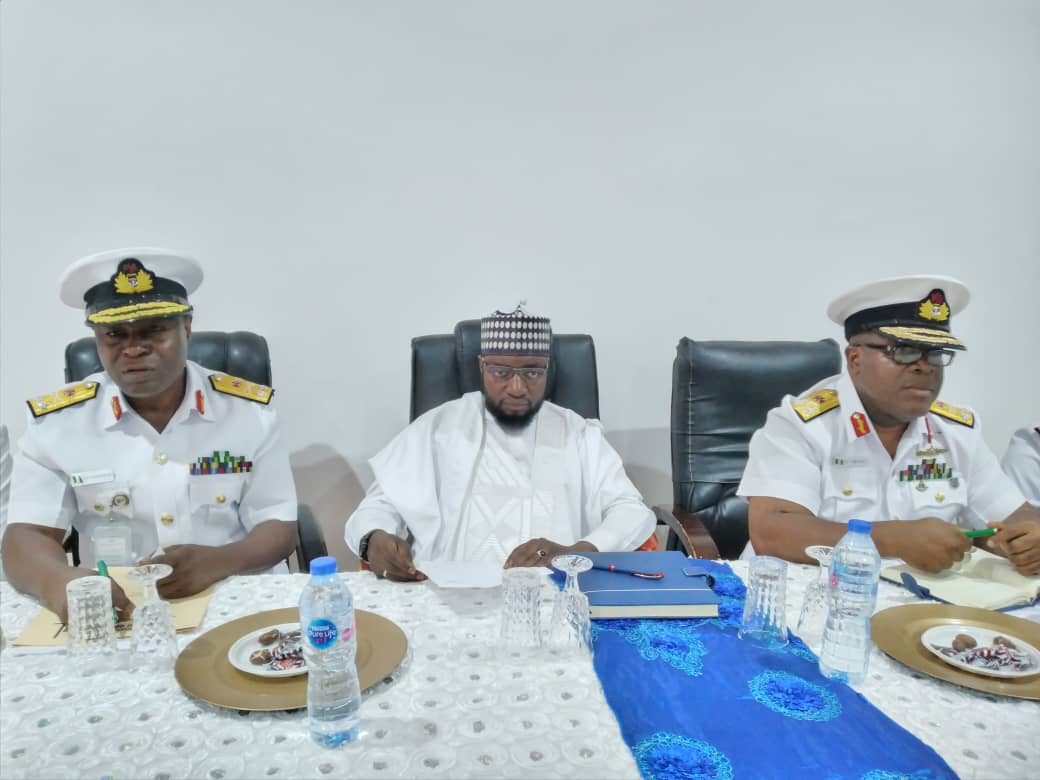

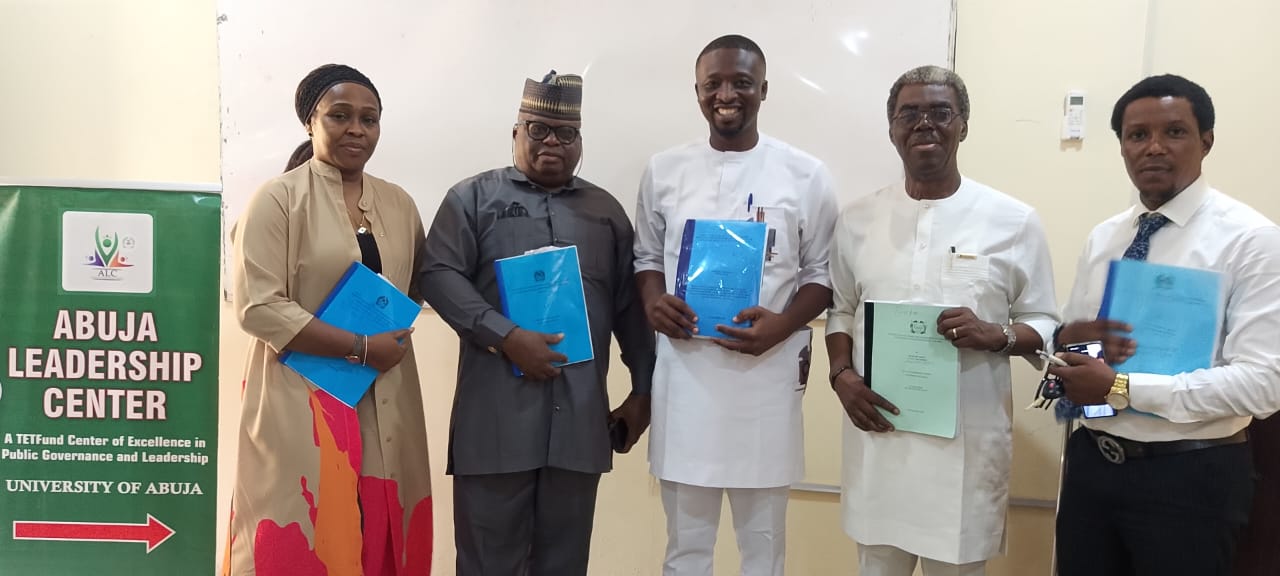
Former Chief of Staff to the Imo State Government and ex-governorship candidate, Uche Nwosu, along with Sir Richard Odibo, a former Federal Commissioner on the Board of the Nigeria Population Commission, Barr. Freedom Friday Ibritam, a Senior Legislative Aide to Senate President Godswill Akpabio, and three others have been awarded Master’s degrees (MSc) in Public Governance and Leadership, as well as in Policy and Strategic Studies. These degrees were conferred by the Abuja Leadership Centre (ALC) at Yakubu Gowon University, previously known as the University of Abuja.
Professor Philip Dahida, the Director of the Centre, disclosed that these achievements were awarded after the recipients completed all requirements, including the successful external defense of their dissertations on Monday, March 16, 2026.
Nwosu, who previously served as Deputy Chief of Staff to the Imo State Government, Ibritam—a former senior police officer—and Odibo received their MSc degrees alongside real estate developer Egbe Oloche Daniel and Gila Ibiere Dikko. Additionally, Dr. Success Tosin Ademeso, a lecturer at the University of Abuja, earned an MSc in Policy and Strategic Studies.
After the event, Professor Dahida praised the external examiner, Professor Charles Nwekeaku from Nasarawa State University, for his thorough and professional evaluation of the MSc candidates. He urged the graduates to strictly adhere to the examiner’s counsel and ensure all suggested corrections are implemented. Dahida also encouraged them to apply the knowledge they gained for the betterment of society.
Reacting to this academic achievement, Sir Richard Odibo explained that he chose the programme (public governance and leadership) because of his interest in the subject. He noted that his research on the census in Nigeria could help the country plan more effectively and take its rightful place among nations. Odibo emphasized that the findings from his academic work could motivate scholars and citizens to advocate for the depoliticization of the census process.
He advised the Federal Government to conduct a new national census, recalling that the last one occurred in 2006. Odibo stated, “For Nigeria to have a good development plan, reliable census data is essential. Without accurate figures, planning becomes impossible. You can’t develop evenly.”
He further explained, “The need for a census is critical for us; it’s like oxygen. Without it, we’ll continue to make misguided plans, and if you fail to plan, you plan to fail.”
Odibo expressed that one major challenge Nigeria faces is obtaining reliable and acceptable census data, a problem that has persisted since before independence. As a former Federal Commissioner, he felt a personal responsibility to investigate these challenges, stating, “This became a challenge that drove me to look deeper into the reasons behind our difficulties with censuses. I believe my research will help persuade citizens and scholars alike that we must remove politics from the census process. If we can achieve that, Nigeria will benefit greatly.”
The Abuja Leadership Centre at the University of Abuja is recognized as a TETFUND Centre of Excellence for Public Governance and Leadership, dedicated to enhancing public governance and leadership in Nigeria and beyond.

.
☆☆As Reports inficate Possible Insurgent Threats.
By: Special Correspondent.
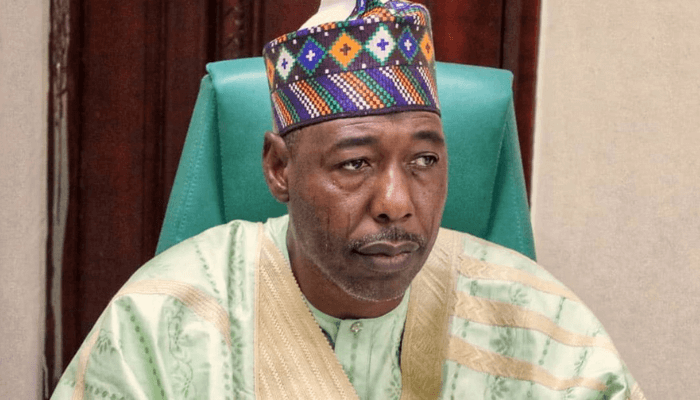
In apparent response to recent security developments relating to insurgent movements and emerging operational concerns within the Maiduguri, the Borno State Capital and surrounding areas, security operatives have been placed on red alert.
Our correspondent gathered over the past few days indicate that insurgent elements have been attempting to regroup and reorganise their activities in across the state, especially around Maiduguri metropolitan axis.
This is even as the Borno State Government have assured of adequate security arrangements to ward off any possible security threat.
According to findings, these developments have generated growing concern among local communities and security observers, who in turn called the attention of the Borno state government..
Although intelligence monitoring over the last three days,indicates reduction in their vissible activities, owing to patrols by security personnel and frontline defence groups, the city remains under intense watch..l
Further reports available to us indicate that some of the insurgent elements were sighted operating around Duwari village under Konduga Local Government Area, where they appear to be attempting to regroup and reposition themselves, for possible mischief during the upcoming Eid prayer gatherings, which they may perceive as opportunities to exploit large public gatherings.
Highly placed security source told our correspondent that, the current surveillance and intelligence monitoring across the state by soldiers, members of the Civilian Joint Task Force (CJTF), and other frontline defenders remains a capable check against any mischief.
“Our level of preparedness against any mischief remains on high and we are prepared to confront any insurgent threat should the situation call for it”.
“Only a few days ago, insurgent elements made an attempt to regroup in some areas around Maiduguri Metropolitan and Konduga, and upon receiving credible intelligence regarding their presence and movements, we immediately moved in with our swift operational response team”, the source added.
While reassuring that available security assets, including soldiers and members of the Civilian Joint Task Force (CJTF), are capable of confronting any insurgent group, our source, said, any attempt by any group to come into Maiduguri, will amount to “a suicide mission”, on their part.
Our correspondent further reports that, the Borno state Government has in the last few weeks provided enormous logistics and equipment to security operatives in what looks like a renewed fight against Boko Haram and ISWAP elements, who have been attempting a resurgence in activities.
Reports across Borno state indicate that, Boko Haram and ISWAP terrorists, who have been fleeing their enclaves following intense attacks on them by troops, have in the process been attacking vulnerable communities in search of food and other logistics.
Reports say most of their camps have been destroyed, and they are desperately making attempts at re-entering Maiduguri.
Camps around the notorious Sambisa forest are said to have been vacated ahead of oncomming onslaughts and the terrorists have retreated and fled into the Mandara mountains close to Nigeria’s border with Cameroun.
Subsequent surveillance checks conducted through intelligence monitoring channels confirmed that the fleeing elements were attempting to regroup in nearby locations, suggesting a continued attempt to maintain an operational presence within some areas.
Borno state Governor, Professor Babagana Umara Zulum, who recently concluded a statewide tour has expressed concerns about the operational coordination among community-based security groups, with a promuse to ginger them up for more action.
As a result, several community defence formations operate simultaneously, including, the Civilian Joint Task Force (CJTF), Hunters,Vigilante groups
and other local frontline defenders.
He has vowed to flush out, what inteligence observers, described as certain individuals within these formations, who may have indirect alignments or may be responsible for information leakages that could potentially compromise ongoing security operations.
The inteligence circle in Borno has often complained that, insurgent elements appear to have prior knowledge of local security movements and response patterns, even as it raised concerns about possible infiltration or operational compromise within these community security structures.
Governor Zulum, during his recent tour promised to remedy the situation, after a careful institutional review and restructuring in order to strengthen operational discipline and reduce vulnerabilities within the community defence architecture.
Information available to us indicate that, certain
security measures are being contemplateded for Maiduguri during the Eid celeberations, which may include strict monitoring of vehicular and human movements to minimize potential vulnerabilities that hostile elements could exploit to infiltrate the city.
While physical security alert remains in place, this medium gathered that, intelligence gathering is being strengthened and early warning mechanismsactivated across Maiduguri.
In the face of these, uneasy calm still pervade the citizenry as they prepare for the oncoming celeberations.
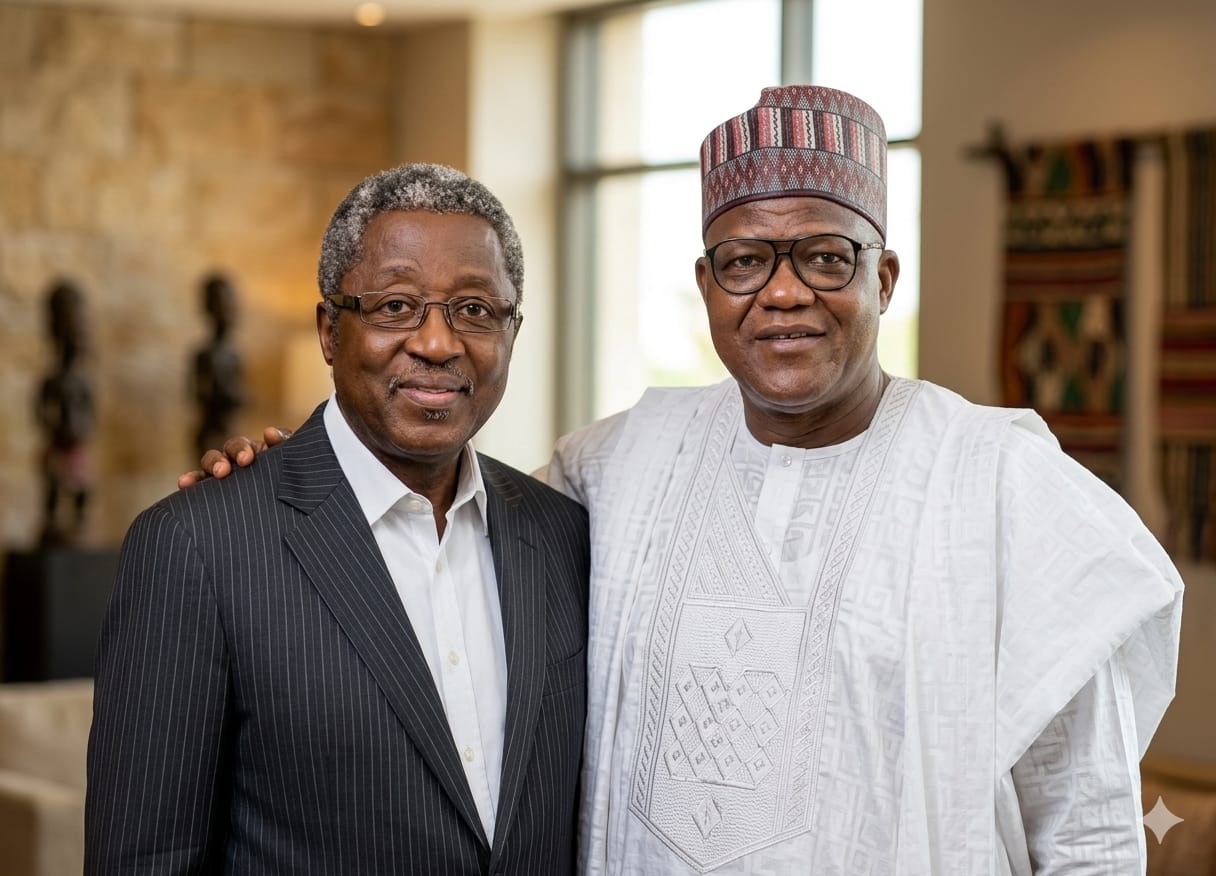
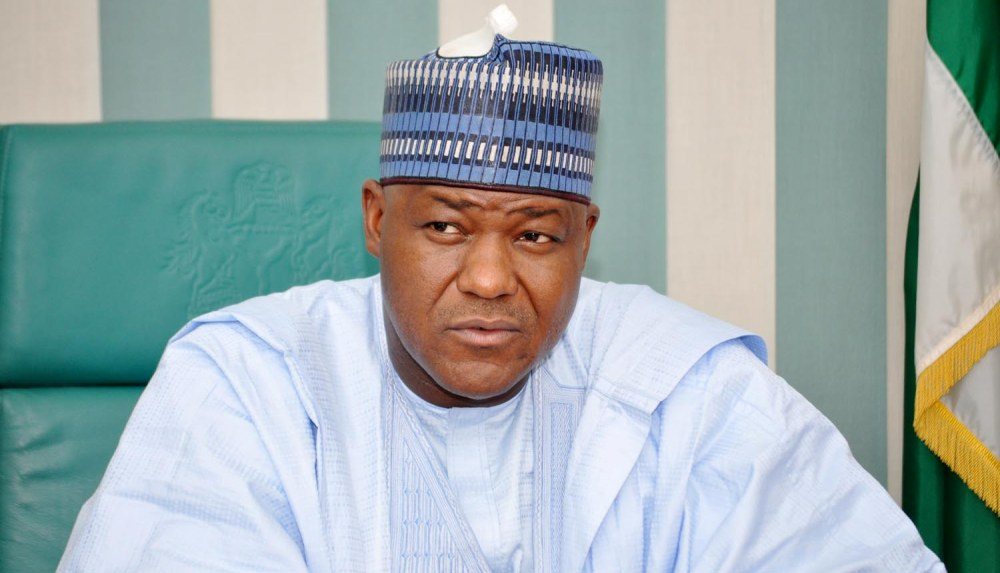
Former Speaker of the House of Representatives and Chairman, Board of Trustees of the National Credit Guarantee Company Limited (NCGC), Rt. Hon. Yakubu Dogara, has joined Nigerians in celebrating Former Governor Jonah Jang, fondly called Baba Jang, as he clocks 82 years.
In a glowing tribute, Dogara described Baba Jang as a visionary leader whose life and service remain a beacon of hope for generations. He noted that Jang’s tenure as Governor of Plateau State was marked by courage, foresight, and an unwavering commitment to peace, unity, and development.
“Baba Jang’s life is a testimony of service and sacrifice. He invested in infrastructure, strengthened institutions, and worked tirelessly to foster unity in Plateau State. His leadership was never about personal gain but about building lasting foundations for progress,” Dogara said.
He further emphasized that Jang’s integrity, resilience, and mentorship have shaped leaders across Nigeria, adding that his legacy continues to inspire beyond the boundaries of Plateau State.
“As he celebrates 82 years, we honor him not just for the offices he has held, but for the enduring impact he has made on countless lives. Baba Jang remains a statesman, a father figure, and a model of quality leadership,” Dogara added.
The tribute underscores Baba Jang’s enduring influence in Nigerian politics and governance, highlighting his role as a leader whose footprints on the sands of time cannot be erased.

Odua People’s Assembly defends NSA Ribadu, criticizes Ishola Williams’ call for removal

75 ISWAP Fighters Killed in Borno Town.

SAN urges collective efforts to tackle societal vices

-
 Uncategorized5 years ago
FG, states urged to harness flooding for ranching, others with technology – Agbaje
-
 Headlines10 years ago
Breaking: EFCC seals Borno House of Assembly, as Hon members take to their heels
-
 News12 years ago
Nigeria Security Operatives Stage Manhunt For Homosexual Perpetrator
-
 News9 years ago
How 21-year-old Girl fled community over accusation of lesbianism
-
 News10 years ago
Yobe Gov Moves Against Deputy
-
 Opinion7 years ago
7 signs she has friend zoned you
-
Technology4 years ago
Online job placement company headhunts women
-
 Headlines10 years ago
Borno Dep Gov Abducts Another Church Leader