
Politics
Federal High Court Dismisses PDP’s Forgery Allegation Against Governor Inuwa


Federal High Court Dismisses PDP’s Forgery Allegation Against Governor Inuwa
By Lateef Taiwo
The Federal High Court sitting in Abuja, on Tuesday, struck out a case instituted before it by the the opposition Peoples Democratic Party, PDP, and its Governorship Candidate, Muhammed Jibrin Barde against Governor Muhammadu Inuwa Yahaya, INEC and two (2) others.
The court, in a ruling delivered by Justice Binta Nyako, dismissed the allegation that the governor submitted forged documents to the Independent National Electoral Commission, INEC, in aid of his qualification.
The suit marked FHC/ABJ/CS/1301/2022, was brought before the court by PDP, Mohammed Jibrin Barde and Timothy Danlele.
Cited as 1st to 3rd defendants in the matter were the INEC, the All Progressives Congress, APC, and governor Inuwa Yahaya, respectively.
Specifically, the plaintiffs, through their lawyer, Mr. Johnson Usman, SAN, alleged that the governor lied on oath in documents he presented before the INEC.
However, both the APC and governor Inuwa Yahaya, through their lawyer, Mr. Marshall Abubakar, challenged the allegation and the competence of the suit, even as they urged the court to dismiss it for want of jurisdiction.
The defendants argued that PDP and its members lacked the locus standi (legal right) to institute an action to challenge the nomination of candidate by another political party.
According to the defendants, only members of a party and its aspirants can challenge the outcome of a primary election or the nomination of a candidate.
They argued that the plaintiffs failed to establish any reasonable cause of action, stressing that the suit had become statute barred since it was instituted after INEC published governor Inuwa Yahaya’s name as a candidate for the election.
In her ruling, Justice Nyako upheld the defendants’ preliminary objection and struck out the suit for want of competence.

An independent investigation by Nigerian Concord Newspaper has found no evidence linking a former Minister of Justice and Attorney General of the Federation, Chief Michael Kaase Aondoakaa, SAN, to the Utan Bran compensation case or other alleged scandals at the Federal Ministry of Justice.
The investigation, conducted at the Federal Ministry of Justice, followed reports in sections of the media alleging misconduct by the former chief law officer of the federation.
Documents obtained through the Freedom of Information Act indicate that Chief Aondoakaa was not involved in the legal firms that handled the Utan Bran compensation matter. Findings further show that the judgement debt related to the case was reportedly paid in 2006 under the tenure of a former Attorney General of the Federation, Chief Bayo Ojo, SAN, during the administration of former President Olusegun Obasanjo.
Multiple officials at the Federal Ministry of Justice, who spoke on condition of anonymity, described Chief Aondoakaa’s tenure as one marked by adherence to the rule of law. The sources said court orders were generally complied with during his time in office.
They also questioned claims portraying the former Attorney General as emblematic of alleged institutional failings within the legal system, stating that no specific instance had been cited in which he abused public office or undermined court judgements.
Regarding reports suggesting that Chief Aondoakaa interfered with court processes during the post-election period of the 2007 National Assembly elections, sources within the ministry said available records do not support claims that he acted to obstruct court orders or delay the swearing-in of elected officials.
On questions surrounding eligibility to hold public office, legal practitioners pointed to established Supreme Court jurisprudence, which holds that concurrent judgements carry equal legal weight with lead judgements. A concurring opinion by Justice Mary Odili, JSC, was cited as stating that the issue of disqualification from public office did not arise in the matter concerning Aondoakaa.
The case is reportedly the subject of further judicial proceedings, following claims that earlier judgements were obtained through misrepresentation. The matter remains pending before the courts.
Sources also said documents generated during the administration of former President Muhammadu Buhari, and signed by senior officials of the Ministry of Justice, support the position that Chief Aondoakaa was not implicated in the Utan Bran case. Nigerian Concord Newspaper said it would publish the documents after concluding its investigation.
Further findings indicate that the former Attorney General was not linked to major cases such as the Halliburton scandal, the OPL 245 (Malabu) oil deal, or the recovery of Abacha-era assets.
Supporters of Aondoakaa also note that he was cleared by his party to participate in the 2023 governorship primary election, arguing that this further demonstrates that no court order barred him from holding public office.
Legal experts reaffirm that qualifications and disqualifications for elective office are constitutionally defined, citing the Supreme Court’s decision in Attorney-General of Abia State v. Attorney-General of the Federation, which established that constitutional provisions on eligibility cannot be expanded or restricted by implication.
An independent investigation by Nigerian Concord Newspaper has found no evidence linking a former Minister of Justice and Attorney General of the Federation, Chief Michael Kaase Aondoakaa, SAN, to the Utan Bran compensation case or other alleged scandals at the Federal Ministry of Justice.
The investigation, conducted at the Federal Ministry of Justice, followed reports in sections of the media alleging misconduct by the former chief law officer of the federation.
Documents obtained through the Freedom of Information Act indicate that Chief Aondoakaa was not involved in the legal firms that handled the Utan Bran compensation matter. Findings further show that the judgement debt related to the case was reportedly paid in 2006 under the tenure of a former Attorney General of the Federation, Chief Bayo Ojo, SAN, during the administration of former President Olusegun Obasanjo.
Multiple officials at the Federal Ministry of Justice, who spoke on condition of anonymity, described Chief Aondoakaa’s tenure as one marked by adherence to the rule of law. The sources said court orders were generally complied with during his time in office.
They also questioned claims portraying the former Attorney General as emblematic of alleged institutional failings within the legal system, stating that no specific instance had been cited in which he abused public office or undermined court judgements.
Regarding reports suggesting that Chief Aondoakaa interfered with court processes during the post-election period of the 2007 National Assembly elections, sources within the ministry said available records do not support claims that he acted to obstruct court orders or delay the swearing-in of elected officials.
On questions surrounding eligibility to hold public office, legal practitioners pointed to established Supreme Court jurisprudence, which holds that concurrent judgements carry equal legal weight with lead judgements. A concurring opinion by Justice Mary Odili, JSC, was cited as stating that the issue of disqualification from public office did not arise in the matter concerning Aondoakaa.
The case is reportedly the subject of further judicial proceedings, following claims that earlier judgements were obtained through misrepresentation. The matter remains pending before the courts.
Sources also said documents generated during the administration of former President Muhammadu Buhari, and signed by senior officials of the Ministry of Justice, support the position that Chief Aondoakaa was not implicated in the Utan Bran case. Nigerian Concord Newspaper said it would publish the documents after concluding its investigation.
Further findings indicate that the former Attorney General was not linked to major cases such as the Halliburton scandal, the OPL 245 (Malabu) oil deal, or the recovery of Abacha-era assets.
Supporters of Aondoakaa also note that he was cleared by his party to participate in the 2023 governorship primary election, arguing that this further demonstrates that no court order barred him from holding public office.
Legal experts reaffirm that qualifications and disqualifications for elective office are constitutionally defined, citing the Supreme Court’s decision in Attorney-General of Abia State v. Attorney-General of the Federation, which established that constitutional provisions on eligibility cannot be expanded or restricted by implication.

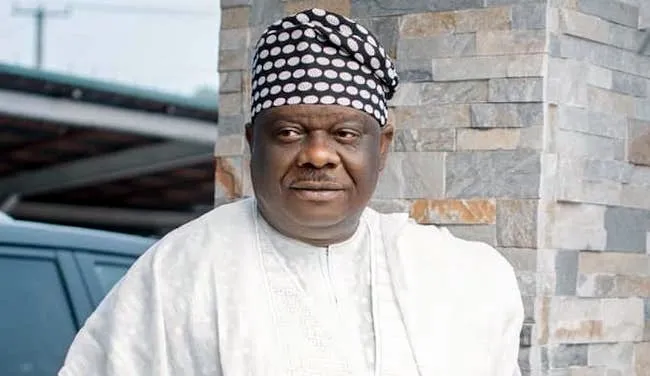
An independent investigation by Nigerian Concord Newspaper has found no evidence linking a former Minister of Justice and Attorney General of the Federation, Chief Michael Kaase Aondoakaa, SAN, to the Utan Bran compensation case or other alleged scandals at the Federal Ministry of Justice.
The investigation, conducted at the Federal Ministry of Justice, followed reports in sections of the media alleging misconduct by the former chief law officer of the federation.
Documents obtained through the Freedom of Information Act indicate that Chief Aondoakaa was not involved in the legal firms that handled the Utan Bran compensation matter. Findings further show that the judgement debt related to the case was reportedly paid in 2006 under the tenure of a former Attorney General of the Federation, Chief Bayo Ojo, SAN, during the administration of former President Olusegun Obasanjo.
Multiple officials at the Federal Ministry of Justice, who spoke on condition of anonymity, described Chief Aondoakaa’s tenure as one marked by adherence to the rule of law. The sources said court orders were generally complied with during his time in office.
They also questioned claims portraying the former Attorney General as emblematic of alleged institutional failings within the legal system, stating that no specific instance had been cited in which he abused public office or undermined court judgements.
Regarding reports suggesting that Chief Aondoakaa interfered with court processes during the post-election period of the 2007 National Assembly elections, sources within the ministry said available records do not support claims that he acted to obstruct court orders or delay the swearing-in of elected officials.
On questions surrounding eligibility to hold public office, legal practitioners pointed to established Supreme Court jurisprudence, which holds that concurrent judgements carry equal legal weight with lead judgements. A concurring opinion by Justice Mary Odili, JSC, was cited as stating that the issue of disqualification from public office did not arise in the matter concerning Aondoakaa.
The case is reportedly the subject of further judicial proceedings, following claims that earlier judgements were obtained through misrepresentation. The matter remains pending before the courts.
Sources also said documents generated during the administration of former President Muhammadu Buhari, and signed by senior officials of the Ministry of Justice, support the position that Chief Aondoakaa was not implicated in the Utan Bran case. Nigerian Concord Newspaper said it would publish the documents after concluding its investigation.
Further findings indicate that the former Attorney General was not linked to major cases such as the Halliburton scandal, the OPL 245 (Malabu) oil deal, or the recovery of Abacha-era assets.
Supporters of Aondoakaa also note that he was cleared by his party to participate in the 2023 governorship primary election, arguing that this further demonstrates that no court order barred him from holding public office.
Legal experts reaffirm that qualifications and disqualifications for elective office are constitutionally defined, citing the Supreme Court’s decision in Attorney-General of Abia State v. Attorney-General of the Federation, which established that constitutional provisions on eligibility cannot be expanded or restricted by implication.


Audi: Trajectory of Success and Changing the Narrative

We’ve Known Each Other Since the 90s; I’m Qualified to Call Him a Scumbag – El-Rufai

Electronic Transmission: This Is Just a Warning Protest, We’ll Wait Till Tomorrow – Isaac Fayose

-
 Uncategorized5 years ago
FG, states urged to harness flooding for ranching, others with technology – Agbaje
-
 Headlines10 years ago
Breaking: EFCC seals Borno House of Assembly, as Hon members take to their heels
-
 News12 years ago
Nigeria Security Operatives Stage Manhunt For Homosexual Perpetrator
-
 News9 years ago
How 21-year-old Girl fled community over accusation of lesbianism
-
 News10 years ago
Yobe Gov Moves Against Deputy
-
 Opinion7 years ago
7 signs she has friend zoned you
-
Technology4 years ago
Online job placement company headhunts women
-
 Headlines10 years ago
Borno Dep Gov Abducts Another Church Leader