
Politics
FG Recovers Over $763m, N248bn In Stolen Assets—AGF

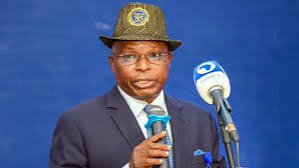
From Lateef Taiwo
The Attorney-General of the Federation and Minister of Justice, Prince Lateef Fagbemi (SAN), has disclosed that Nigeria recovered over $763 million and N248 billion in stolen assets between 2017 and 2024 as part of ongoing efforts to combat corruption and enforce financial accountability.
Speaking on Tuesday at the Asset Recovery Summit held at the Abuja Continental Hotel, the Minister said the summit, themed “Synergizing Towards Effective Assets Recovery and Management,” was a strategic platform to consolidate gains in asset recovery and address lingering challenges in transparency and cross-border cooperation.
According to Fagbemi, in 2024 alone, the Economic and Financial Crimes Commission (EFCC) recovered more than N248 billion, $105 million, and 753 duplexes.
The Independent Corrupt Practices and Other Related Offences Commission (ICPC) also reclaimed N29.7 billion and $966,900, while the National Drug Law Enforcement Agency (NDLEA) intensified its seizures of assets linked to narcotics trade.
He added that Nigeria’s efforts with international partners, including the United States, the United Kingdom, Ireland, Switzerland, and the Bailiwick of Jersey, yielded the repatriation of $763.7 million and £6.47 million.
From 2024 alone, the Ministry of Justice recovered $102.88 million and £2.06 million through negotiations and fines, including from entities such as Galactica and Glencore.
“These efforts reflect our unwavering commitment to the principles of accountability and the rule of law. Effective recovery and management of stolen assets is not only about justice but also about restoring public trust and promoting sustainable development,” he stated.
Fagbemi noted that a portion of the recovered funds has been channeled into critical infrastructure projects such as the Lagos-Ibadan Expressway, the Second Niger Bridge, and the Abuja-Kano Road, as well as conditional cash transfer initiatives.
The deployment of these assets was monitored by civil society organizations like ANEEJ and CLEEN Foundation, whose periodic reports are publicly accessible.
To deepen transparency, the Minister announced the launch of the National Central Database of Forfeited Assets and the 2024 Regulations on Proceeds of Crime (Standardized Automated Asset Forfeiture Management System).
Under the new rules, all relevant agencies must update the database monthly with forfeiture records.
Despite the successes, Fagbemi acknowledged persisting hurdles such as the complexity of cross-border asset recovery and the need for stronger international cooperation.
He urged stakeholders to embrace innovative strategies and reaffirm their commitment to justice and national development.
He concluded: “Let us ensure that recovered assets are not only reclaimed but also reinvested in sectors that matter most to our people—education, healthcare, and infrastructure.”
The summit drew participants from government agencies, the legal community, law enforcement, and international development partners, all working to strengthen Nigeria’s asset recovery architecture.
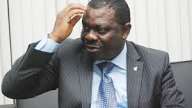
An independent investigation by Nigerian Concord Newspaper has found no evidence linking a former Minister of Justice and Attorney General of the Federation, Chief Michael Kaase Aondoakaa, SAN, to the Utan Bran compensation case or other alleged scandals at the Federal Ministry of Justice.
The investigation, conducted at the Federal Ministry of Justice, followed reports in sections of the media alleging misconduct by the former chief law officer of the federation.
Documents obtained through the Freedom of Information Act indicate that Chief Aondoakaa was not involved in the legal firms that handled the Utan Bran compensation matter. Findings further show that the judgement debt related to the case was reportedly paid in 2006 under the tenure of a former Attorney General of the Federation, Chief Bayo Ojo, SAN, during the administration of former President Olusegun Obasanjo.
Multiple officials at the Federal Ministry of Justice, who spoke on condition of anonymity, described Chief Aondoakaa’s tenure as one marked by adherence to the rule of law. The sources said court orders were generally complied with during his time in office.
They also questioned claims portraying the former Attorney General as emblematic of alleged institutional failings within the legal system, stating that no specific instance had been cited in which he abused public office or undermined court judgements.
Regarding reports suggesting that Chief Aondoakaa interfered with court processes during the post-election period of the 2007 National Assembly elections, sources within the ministry said available records do not support claims that he acted to obstruct court orders or delay the swearing-in of elected officials.
On questions surrounding eligibility to hold public office, legal practitioners pointed to established Supreme Court jurisprudence, which holds that concurrent judgements carry equal legal weight with lead judgements. A concurring opinion by Justice Mary Odili, JSC, was cited as stating that the issue of disqualification from public office did not arise in the matter concerning Aondoakaa.
The case is reportedly the subject of further judicial proceedings, following claims that earlier judgements were obtained through misrepresentation. The matter remains pending before the courts.
Sources also said documents generated during the administration of former President Muhammadu Buhari, and signed by senior officials of the Ministry of Justice, support the position that Chief Aondoakaa was not implicated in the Utan Bran case. Nigerian Concord Newspaper said it would publish the documents after concluding its investigation.
Further findings indicate that the former Attorney General was not linked to major cases such as the Halliburton scandal, the OPL 245 (Malabu) oil deal, or the recovery of Abacha-era assets.
Supporters of Aondoakaa also note that he was cleared by his party to participate in the 2023 governorship primary election, arguing that this further demonstrates that no court order barred him from holding public office.
Legal experts reaffirm that qualifications and disqualifications for elective office are constitutionally defined, citing the Supreme Court’s decision in Attorney-General of Abia State v. Attorney-General of the Federation, which established that constitutional provisions on eligibility cannot be expanded or restricted by implication.
An independent investigation by Nigerian Concord Newspaper has found no evidence linking a former Minister of Justice and Attorney General of the Federation, Chief Michael Kaase Aondoakaa, SAN, to the Utan Bran compensation case or other alleged scandals at the Federal Ministry of Justice.
The investigation, conducted at the Federal Ministry of Justice, followed reports in sections of the media alleging misconduct by the former chief law officer of the federation.
Documents obtained through the Freedom of Information Act indicate that Chief Aondoakaa was not involved in the legal firms that handled the Utan Bran compensation matter. Findings further show that the judgement debt related to the case was reportedly paid in 2006 under the tenure of a former Attorney General of the Federation, Chief Bayo Ojo, SAN, during the administration of former President Olusegun Obasanjo.
Multiple officials at the Federal Ministry of Justice, who spoke on condition of anonymity, described Chief Aondoakaa’s tenure as one marked by adherence to the rule of law. The sources said court orders were generally complied with during his time in office.
They also questioned claims portraying the former Attorney General as emblematic of alleged institutional failings within the legal system, stating that no specific instance had been cited in which he abused public office or undermined court judgements.
Regarding reports suggesting that Chief Aondoakaa interfered with court processes during the post-election period of the 2007 National Assembly elections, sources within the ministry said available records do not support claims that he acted to obstruct court orders or delay the swearing-in of elected officials.
On questions surrounding eligibility to hold public office, legal practitioners pointed to established Supreme Court jurisprudence, which holds that concurrent judgements carry equal legal weight with lead judgements. A concurring opinion by Justice Mary Odili, JSC, was cited as stating that the issue of disqualification from public office did not arise in the matter concerning Aondoakaa.
The case is reportedly the subject of further judicial proceedings, following claims that earlier judgements were obtained through misrepresentation. The matter remains pending before the courts.
Sources also said documents generated during the administration of former President Muhammadu Buhari, and signed by senior officials of the Ministry of Justice, support the position that Chief Aondoakaa was not implicated in the Utan Bran case. Nigerian Concord Newspaper said it would publish the documents after concluding its investigation.
Further findings indicate that the former Attorney General was not linked to major cases such as the Halliburton scandal, the OPL 245 (Malabu) oil deal, or the recovery of Abacha-era assets.
Supporters of Aondoakaa also note that he was cleared by his party to participate in the 2023 governorship primary election, arguing that this further demonstrates that no court order barred him from holding public office.
Legal experts reaffirm that qualifications and disqualifications for elective office are constitutionally defined, citing the Supreme Court’s decision in Attorney-General of Abia State v. Attorney-General of the Federation, which established that constitutional provisions on eligibility cannot be expanded or restricted by implication.

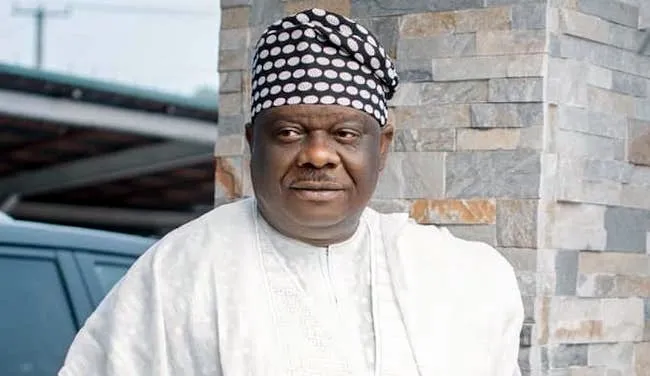
An independent investigation by Nigerian Concord Newspaper has found no evidence linking a former Minister of Justice and Attorney General of the Federation, Chief Michael Kaase Aondoakaa, SAN, to the Utan Bran compensation case or other alleged scandals at the Federal Ministry of Justice.
The investigation, conducted at the Federal Ministry of Justice, followed reports in sections of the media alleging misconduct by the former chief law officer of the federation.
Documents obtained through the Freedom of Information Act indicate that Chief Aondoakaa was not involved in the legal firms that handled the Utan Bran compensation matter. Findings further show that the judgement debt related to the case was reportedly paid in 2006 under the tenure of a former Attorney General of the Federation, Chief Bayo Ojo, SAN, during the administration of former President Olusegun Obasanjo.
Multiple officials at the Federal Ministry of Justice, who spoke on condition of anonymity, described Chief Aondoakaa’s tenure as one marked by adherence to the rule of law. The sources said court orders were generally complied with during his time in office.
They also questioned claims portraying the former Attorney General as emblematic of alleged institutional failings within the legal system, stating that no specific instance had been cited in which he abused public office or undermined court judgements.
Regarding reports suggesting that Chief Aondoakaa interfered with court processes during the post-election period of the 2007 National Assembly elections, sources within the ministry said available records do not support claims that he acted to obstruct court orders or delay the swearing-in of elected officials.
On questions surrounding eligibility to hold public office, legal practitioners pointed to established Supreme Court jurisprudence, which holds that concurrent judgements carry equal legal weight with lead judgements. A concurring opinion by Justice Mary Odili, JSC, was cited as stating that the issue of disqualification from public office did not arise in the matter concerning Aondoakaa.
The case is reportedly the subject of further judicial proceedings, following claims that earlier judgements were obtained through misrepresentation. The matter remains pending before the courts.
Sources also said documents generated during the administration of former President Muhammadu Buhari, and signed by senior officials of the Ministry of Justice, support the position that Chief Aondoakaa was not implicated in the Utan Bran case. Nigerian Concord Newspaper said it would publish the documents after concluding its investigation.
Further findings indicate that the former Attorney General was not linked to major cases such as the Halliburton scandal, the OPL 245 (Malabu) oil deal, or the recovery of Abacha-era assets.
Supporters of Aondoakaa also note that he was cleared by his party to participate in the 2023 governorship primary election, arguing that this further demonstrates that no court order barred him from holding public office.
Legal experts reaffirm that qualifications and disqualifications for elective office are constitutionally defined, citing the Supreme Court’s decision in Attorney-General of Abia State v. Attorney-General of the Federation, which established that constitutional provisions on eligibility cannot be expanded or restricted by implication.


Audi: Trajectory of Success and Changing the Narrative

We’ve Known Each Other Since the 90s; I’m Qualified to Call Him a Scumbag – El-Rufai

Electronic Transmission: This Is Just a Warning Protest, We’ll Wait Till Tomorrow – Isaac Fayose

-
 Uncategorized5 years ago
FG, states urged to harness flooding for ranching, others with technology – Agbaje
-
 Headlines10 years ago
Breaking: EFCC seals Borno House of Assembly, as Hon members take to their heels
-
 News12 years ago
Nigeria Security Operatives Stage Manhunt For Homosexual Perpetrator
-
 News9 years ago
How 21-year-old Girl fled community over accusation of lesbianism
-
 News10 years ago
Yobe Gov Moves Against Deputy
-
 Opinion7 years ago
7 signs she has friend zoned you
-
Technology4 years ago
Online job placement company headhunts women
-
 Headlines10 years ago
Borno Dep Gov Abducts Another Church Leader