
News
ICRC provides a holistic re-integration of amputees in North East

(A NEWS ANALYSIS)
By Cecilia Ologunagba
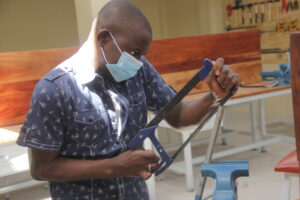
Abba Bukar, an amputee, is one of the beneficiaries of the Physical Rehabilitation Programme of the International Committee of the Red Cross (ICRC), aimed at rehabilitating amputees from bomb blasts and other explosions.
Bukar, a 300 level student of Mathematic/Statistics at the University of Maiduguri (UNIMAD), like other amputees, has a story to tell about his survival and re-integration into the society.
For him, his story is that of loss, gratitude to God and the ICRC for rehabilitating him and sending him to work as an Assistant Technician at the newly inaugurated Physical Rehabilitation Centre (PRC) in Maiduguri.
“I lost my left leg during a bomb blast that happened on Jan, 17, 2017 at UNIMAD staff quarters; four days after the blast, my left leg was amputated.
“It was a sad memory because I lost my younger brother in the bomb blast, but I thank God that I am still alive.
“ I got an artificial leg (prosthesis) in the ICRC’s PRC after 10 months without a left leg and series of surgeries to save my right hand.
“My condition is an opportunity to help people who have gone through my experience so I am planning to study Prostheses and Orthoses to help amputees get back their mobility and integrity,’’ he said.
The journey of rehabilitating a patient starts with the the ICRC Mobile Surgical Team at the surgical ward of the State Specialist Hospital before being referred to Kano’s Physical Rehabilitation Programme, domiciled at the National Orthopaedic Hospital, Dala.
Dr Bhavna Chawia, a surgeon at the ICRC Surgical Ward said the primary goal of the surgical programme was to treat victims of armed conflicts and other situations of violence.
“The programme is aimed at treating the war-wounded, offer life and limb saving surgeries; we also do emergencies for care from the Internally Displaced Persons (IDPs) camps around the region.
“Some of the surgeries would involve amputation of limbs and that there was the need to rehabilitate such amputees. We have a PRC in Kano where we used to refer the amputees to have access to mobility aids.
“With the inauguration of the new PRC at the University of Maiduguri Teaching Hospital (UMTH), it is going to be easier to refer our patients there.
“They don’t need to travel almost seven hours to get to Kano,’’ the surgeon said.
Mr Aliyu Dawabe, ICRC Public Relations Officer, said no fewer than 7,700 patients received surgical care from the ICRC surgical team in 2019, and in the first half of 2020, they received more than 350 surgical admissions and carried out more than 1,450 surgical interventions.
At the recent inauguration of the PRC, the ICRC Head of Delegation in Nigeria, Mr Eloi Fillion said the centre was established in collaboration with the UMTH to provide the much-needed physical rehabilitation services for people with disabilities to regain their mobility.
“It is expected that the centre will receive 90 patients per month during the first months and should have attended to some 2,000 patients by 2022. ICRC will fully support the centre for two years and then hand it over to UMTH.”
According to him, the centre will provide artificial limbs – prostheses and orthosis – physiotherapy sessions and walking aids, such as the zimmer frame, and wheelchairs.
The ICRC, he said, began assisting people living with disability in Nigeria since 1979, but “before now, physically challenged people from Borno and surrounding states, had to undertake long and often difficult journeys to Kano for physical rehabilitation services”.
No fewer than 314 people were fitted with artificial limbs through the ICRC Physical Rehabilitation Programme in Kano in 2019 alone.
“Thankfully, with the establishment of PRC in Maidguri, we will be reaching a lot more amputees here,’’ he said.
Daniel Ngota, ICRC Team Leader at the PRC, said the centre would provide one-stop rehabilitation services for people living with disabilities in the North East.
“We have all the machineries required to produce artificial limbs, from medium level technology to high level technology.
“Secondly, we have a production unit, equipped with all the materials that are important to rehabilitate people living with disability.
“We also have a physiotherapy section, where training is done for people who have received their services and require training on how to use them,’’ he said, adding that after signing an MoU with the UMTH, the ICRC would support the staff of UMTH technically and after two years hand over the centre to the hospital.
“We are two from ICRC– a Prosthetist and a physiotherapist – we will continue to mentor these staff for the first two years because they just completed their training,’’ Ngota said.
He said ICRC had trained six orthopedic technologists in Tanzania to provide services at the PRC, adding that three technologists are currently undergoing training at the Federal college of Orthopaedic Technology, Lagos.
Some of the trained technologists and technicians, that are living with disability, are grateful to ICRC for employing them to work at the PRC in line with the inclusion policy of the federal government to provide employment opportunities to people with disabilities.
“ I feel so happy, word is not enough to express my appreciation to ICRC for the support”, says Hannatu Holma, an amputee Assistant technician, who lost her left leg to cancer at age six but got an artificial leg through the support of ICRC.
Also, Muhammed Dalori, a Prothesist/ Orthotist at UMTH, who benefitted from an ICRC scholarship to Tanzania, said, he had acquired skills to fabricate devices, help patients and rehabilitate them.
Dalori, a graduate of the Tanzania Centre for Orthopaedic Technologists after three years, said that the training was all about fabricating devices for amputees.
“It is really appreciating when you see people who are not able to walk and you are the reason they are able to walk now. It is an amazing experience!’’ he said.
In all, the amputees of the rehabilitation programme thanked the ICRC for going further to support them by providing them a source of livelihood.
For them, physical rehabilitation without social and economic empowerment would amount to frustration and bitterness. But, with total rehabilitation through care, treatment, socio-psycho support, assistance with artificial limbs, counselling and skills acquisition; they can be effectively integrated into the society.
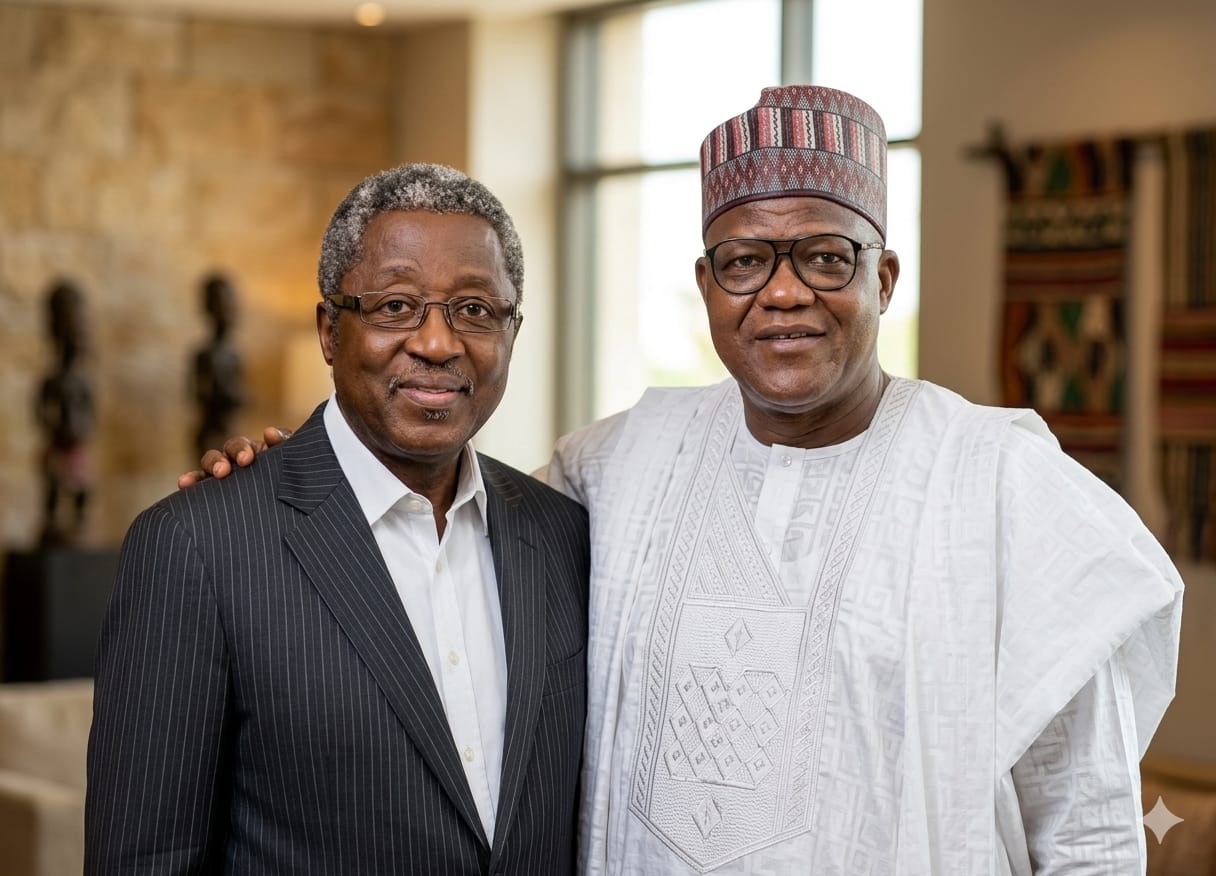
Former Speaker of the House of Representatives and Chairman, Board of Trustees of the National Credit Guarantee Company Limited (NCGC), Rt. Hon. Yakubu Dogara, has joined Nigerians in celebrating Former Governor Jonah Jang, fondly called Baba Jang, as he clocks 82 years.
In a glowing tribute, Dogara described Baba Jang as a visionary leader whose life and service remain a beacon of hope for generations. He noted that Jang’s tenure as Governor of Plateau State was marked by courage, foresight, and an unwavering commitment to peace, unity, and development.
“Baba Jang’s life is a testimony of service and sacrifice. He invested in infrastructure, strengthened institutions, and worked tirelessly to foster unity in Plateau State. His leadership was never about personal gain but about building lasting foundations for progress,” Dogara said.
He further emphasized that Jang’s integrity, resilience, and mentorship have shaped leaders across Nigeria, adding that his legacy continues to inspire beyond the boundaries of Plateau State.
“As he celebrates 82 years, we honor him not just for the offices he has held, but for the enduring impact he has made on countless lives. Baba Jang remains a statesman, a father figure, and a model of quality leadership,” Dogara added.
The tribute underscores Baba Jang’s enduring influence in Nigerian politics and governance, highlighting his role as a leader whose footprints on the sands of time cannot be erased.

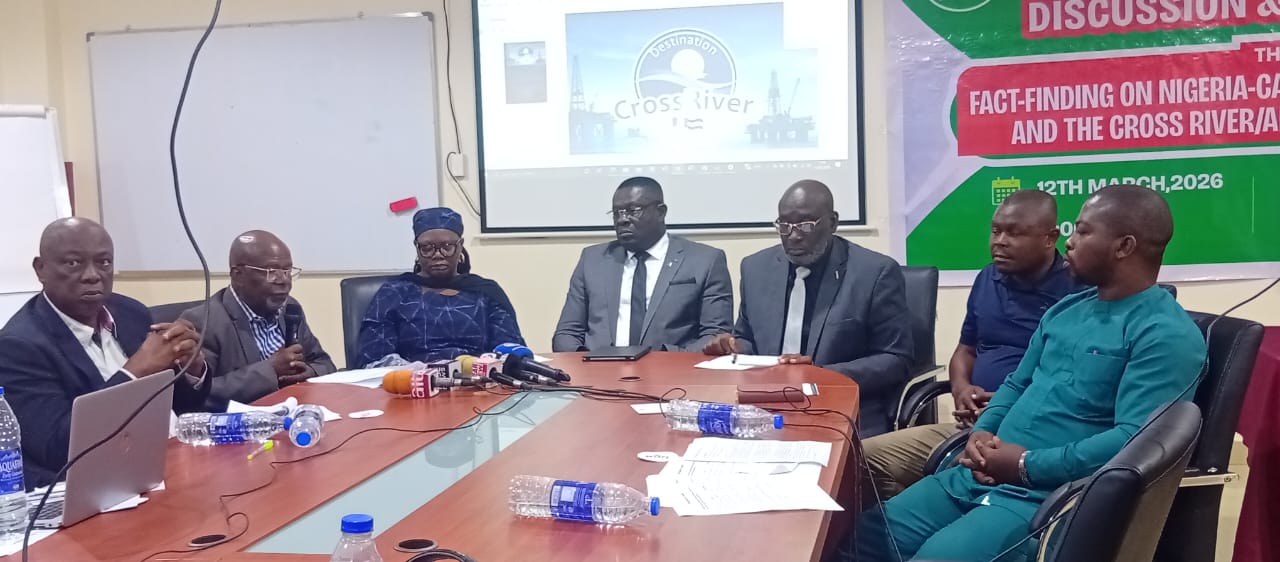
A coalition of Civil Society Organizations (CSOs), maritime experts and policy advocates has raised serious concerns over Nigeria’s maritime boundary management and the allocation of offshore oil wells, calling for urgent intervention by the Federal Government.
The concerns were presented on Thursday in Abuja during a civil society roundtable where the coalition leader, Dr. Gabriel Nwambu, addressed stakeholders and unveiled the communiqué issued after a recent verification mission to Nigeria’s offshore maritime corridor bordering Cameroon and Equatorial Guinea.
The communiqué followed a technical fact-finding and verification exercise conducted at sea on February 28, 2026, focusing on Nigeria’s offshore hydrocarbon blocks OML 114, OML 115 and OML 123 as well as the maritime boundary areas involving Nigeria, Cameroon and Equatorial Guinea.
Dr. Nwambu explained that the mission involved maritime governance stakeholders, mapping professionals and public policy experts who undertook physical observation of the maritime corridor, technical mapping verification and consultations with relevant authorities.
According to the coalition, the mission sought to independently verify the status of Nigeria’s maritime boundaries, offshore hydrocarbon entitlements and the implications of administrative and regulatory decisions affecting the Cross River maritime corridor.
ICJ Judgment Clarified
Presenting the findings, the coalition noted that the 2002 judgment of the International Court of Justice (ICJ) between Nigeria and Cameroon ceded only specific settlements in the southern Bakassi Peninsula — Atabong, Akwabana and Archibong Town — to Cameroon.
The coalition stressed that several areas often assumed to have been ceded were not included in the ruling.
“The Cross River Estuary and the western Bakassi peninsular islands of Dayspring I and II, Abana and Kwa Island were not ceded under the ICJ judgment,” the communiqué stated.
The group further emphasized that Nigeria still maintains maritime boundary continuity between the Cross River Estuary and the Akwayefe River Estuary based on the ICJ cartographic evidence and the physical geography of the region.
Dr. Nwambu also clarified that the Cross River Estuary remains Nigeria’s natural maritime gateway to the Atlantic Ocean and provides Cross River State with direct offshore access.
Questions Over Boundary Management
A major concern raised by the coalition relates to the actions of the National Boundary Commission (NBC) in implementing the Offshore/Onshore Dichotomy Abrogation Act using what it described as a temporary implementation map.
According to the communiqué, the baseline drawn from Tom Shot into the Cross River Estuary effectively closed the estuary’s mouth to the sea, thereby rendering Cross River State non-littoral.
The coalition warned that this development raises serious constitutional, economic and national security concerns.
It further criticized the NBC for failing to demarcate the Nigeria–Cameroon maritime boundary more than two decades after the ICJ ruling, stating that continued reliance on the temporary map could jeopardize Nigeria’s territorial integrity.
The report also alleged that the situation has effectively resulted in the ceding of about 780 hectares of maritime waters within the Cross River Estuary toward the Akwayefe River Estuary to Cameroon.
Oil Wells and Revenue Concerns
Beyond boundary issues, the civil society coalition raised alarm over oil revenue allocation and the management of transboundary oil fields.
According to the findings, the failure of relevant institutions to brief the President on key inter-agency reports could prevent Nigeria from exploiting 49 identified transboundary oil wells located within OML 114 in the Cross River Estuary.
The coalition also raised concerns over alleged financial irregularities relating to the Ekanga and Zafiro transboundary oil fields jointly developed by Nigeria and Equatorial Guinea.
It alleged that more than ₦33 billion may have been approved from the Federation Account in favour of Akwa Ibom State without clear presidential authorization.
The group further questioned whether revenues from the Ekanga and Zafiro fields — estimated at over $8 billion — had been properly remitted into the Federation Account.
Call for Presidential Intervention
To address the concerns, the coalition recommended several urgent measures, including a presidential review of the 2024 and 2025 inter-agency oil verification reports affecting Cross River and Akwa Ibom states.
It also called for the proper demarcation of the Nigeria–Cameroon maritime boundary in line with the ICJ judgment and the establishment of a Presidential Special Investigation Panel to probe the alleged loss of Nigerian maritime waters.
Other recommendations include a forensic audit of revenues from the Ekanga and Zafiro oil fields, investigation into the alleged ₦33 billion payment approvals, and diplomatic engagement with Cameroon to develop transboundary reservoir agreements.
The coalition also urged the Federal Government to restore and recognize Cross River State’s littoral status based on the geographic and legal status of the Cross River Estuary.
National Security Implications
In its concluding remarks, the coalition warned that the issues uncovered during the verification mission have far-reaching implications for Nigeria’s territorial integrity, maritime sovereignty, national security and oil revenue accountability.
Dr. Nwambu called on the President to treat the matter with urgency, stressing that transparent management of maritime boundaries and offshore resources remains critical to Nigeria’s economic stability and geopolitical standing.
The communiqué was jointly signed by representatives of the coalition of civil society organizations, maritime policy experts, technical observers and economic governance accountability groups.
News
Nigerian Youth Storm National Assembly Demands Access to Present Dishonourable Award to Senator

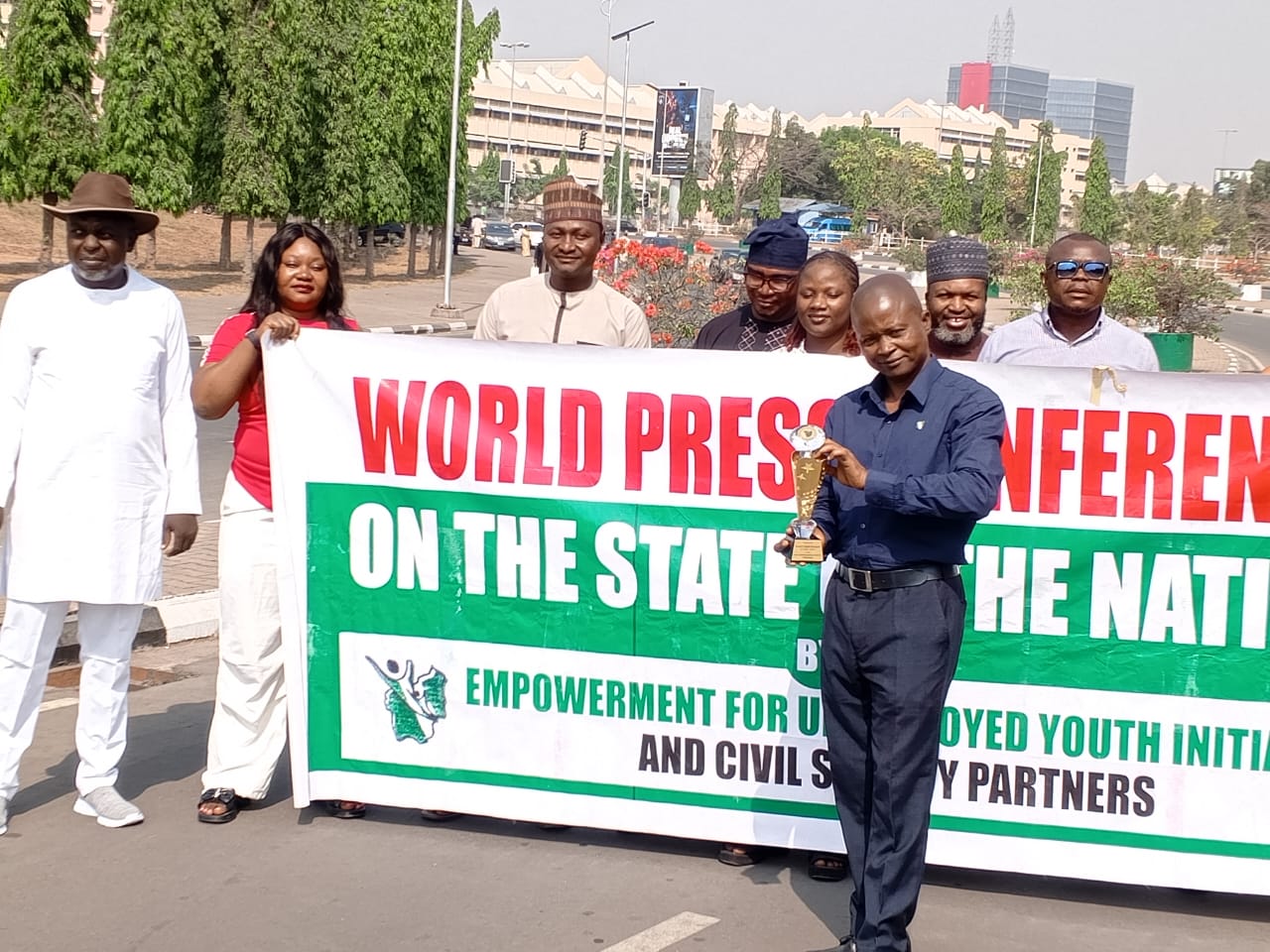
Nigerian Youth under the leadership of Empowerment for Unemployed Youth Initiative (EUYI) on Tuesday stormed the National Assembly to present Senator Olajide Ipinsagba with the Most Dishonourable Senator of the year award.
EUYI previously threatened to present the Senator with the award, citing a plethora infractions and unwholesome dealings especially with his legislative aids and associates.
The group urged the Senate President to grant them access to the hallowed chambers to make the presentation as wake up call to other public servants.
Addressing the press at the National Assembly complex, Comrade Danesi Momoh Prince disclosed that they had gathered as early as 7 am at the National Assembly gate only to discover that the Senate is not sitting and that the embattled Senator was absent despite prior information.
“We’re angry that Senator Olajide Ipinsagba has refused to show up and collect his award for his dishonourable conduct especially as it pertains the exploitation and underemployment of Nigeria youth under his office
“How can a Senator be paying his legislative aid 30,000 naira when the national minimum wage is 70,000 Naira? Is he the only one that needs money? Is it not wickedness to treat unemployed Nigerian youth like that?”, he queried.
The group vowed to go ahead and present the award to the Senator in person, be it in the Senate Chambers or his house. We shall however not give the award to anybody but the senator due to the “seriousness of his offense”


Dogara Celebrates Baba Jang at 82, Hails Him as a Visionary Statesman

I’ ll contest for Nasarawa Governor in 2027, says Ombugadu

Oborevwori Hails Traditional Rulers as Pillars of Peace, Development

-
 Uncategorized5 years ago
FG, states urged to harness flooding for ranching, others with technology – Agbaje
-
 Headlines10 years ago
Breaking: EFCC seals Borno House of Assembly, as Hon members take to their heels
-
 News12 years ago
Nigeria Security Operatives Stage Manhunt For Homosexual Perpetrator
-
 News9 years ago
How 21-year-old Girl fled community over accusation of lesbianism
-
 News10 years ago
Yobe Gov Moves Against Deputy
-
 Opinion7 years ago
7 signs she has friend zoned you
-
Technology4 years ago
Online job placement company headhunts women
-
 Headlines10 years ago
Borno Dep Gov Abducts Another Church Leader