Connect with us

Health

Mental Health: Teenagers blame excessive use of social media

Published

on

Students deliberating on a task, during a Mental Health Awareness Conference organized by Inspire Minds Education Foundation.

By Folasade Akpan

Some teenagers have said that excessive and uncontrolled use
of social media by teenagers can lead to mental health issues.
They mentioned this on Wednesday in Abuja at a conference on Mental Health Awareness for Teenagers,
organised by Inspire Minds, an education foundation.
According to the teenagers, addiction to social media can lead to no or less time for them to study
or do other things that are beneficial to them or lead them to pornographic sites.
Drawn from different secondary schools in Abuja, the participants also said that depression
could come as a result of seeing things on social media that they could not attain.
They added that depression could also come from seeing the fake lives some people live
that they would want to have at all costs.
They, however, said that reduced time on social media to focus on studying, engaging with
their peers and others constructively and parental guidance could help teenagers to avoid the
pitfalls of mental health issues.
Miss Victory Ekong, teenage ambassador for the foundation said anxiety, depression, constant
pressure on a teenager are things that can lead to mental health for teenagers.
She also said that apart from social media, issues from homes, school and the society at large could
lead to mental health issues.
She, however, said that through interventions and workshops by the foundation, she had been made to
understand that having a stable mental health is paramount to a teenager’s wellbeing.
She added that “I have also been made to understand that teenagers need attention and mental health
is not something you joke with; it is actually a more serious matter than people think it is.
“I am more stable in my mental health now because I am aware that it is a natural condition and I try to
avoid issues that may lead to mental health breakdown.”
Mrs Constance Egwuatu, a professional Child and Adolescent Counsellor and one of the facilitators at the
conference, said many young people now battle with mental health issues.
She added that they could not talk about the mental health issues for fear of stigma or being perceived as having spiritual issues.
She said that many did not even know what exactly was wrong with them because they did not seek help for depression.
“Some isolate themselves and begin to have suicidal thoughts or engage in vices.
“Some are being raped or abused and they go through a lot of things. So, these mental health issues should be
a concern, especially for all our young people, children and teenagers.
“We should mind what we say or what we do around them and what we do to them and we should also encourage
the children to begin to talk to us or talk to counsellors who can help them.
“However, it should start from home so the awareness really should start from home so parents can know what
to look out for in the children to detect if something is wrong with them.”
About social media, she said contents being created should be responsible so that teenagers could learn from
them rather than causing them harm.
Egwuatu said that social media should not just be about getting followers but should also serve as veritable tool
to guide them appropriately.
She advised parents to give the needed attention to the young ones to encourage them, adding that attention
broken at home could make them run to others to get it which might be disastrous.
“That is why I tell teachers and parents that they should not aggravate the problems of the children. They need to be understood; don’t push them to the social media.
“When you don’t give them what they need, social media is there with different kinds of content.”
Mrs Rosemary Uwaleme, the Co-Founder of the foundation, said that the conference was aimed at creating awareness, reducing stigma and mitigating social vices.
According to her, mental health issues in Nigeria were not taken seriously which has led to many cases of suicide even among teenagers.
“Today we hear of different cases of suicide, they started from somewhere.
“So we need to create awareness for people to know what these issues are, know when they need to speak to someone about problems that they have, so that they can avoid getting into such problems.
“Now bringing teenagers into this, many teenagers don’t like to talk about their problems, so you have to make talking about mental health with them be like a normal language, just like you speak English.
“In Nigeria when you say mental health people think you are talking about madness.
“So the aim of this organisation is to create mental health awareness so that we can cope with cases like depression, abuse, and all sorts of mental health issues.
“We want to create that awareness and help young people to be able to communicate freely about their problems.”
Uwaleme said that this could be achieved through sensitisation and counselling programmes for young people.
She said that the foundation also provided financial support for the teenagers when necessary.
She added the foundation also partners with the State Universal Basic Education Board (SUBEB) and Universal
Basic Education Commission (UBEC) to provide facilities for them.
Rep. Nsikak Ekong, Member representing Ikot Ekpene Federal Constituency in the House of Representatives, said that the
conference was impactful because it addressed issues that have to do with social media and teenagers.
“So this kind of workshop is very good because it educates the young ones, you catch them young; you tried to change your attitude towards life, try to change their mentality.
“You try to make them believe and know that whatever you want to be depends on you, no procrastination.
“In terms of laws, we are getting there somehow. Most states have domesticated the Child Rights Act, which is a law that protects the child from bad experiences, trauma and child abuse, so I think we will get there.”
Another parent, Mr Abubakar Ndaputu, said that giving children an opportunity to be themselves was very important because it was the best way to know how they feel about certain issues.
He, however, said that the government has a role to play by creating an enabling environment for them to be able to express themselves.
He added that the government could facilitate trainings and workshops for teachers on mental health issues so they could in turn give the necessary help to the children when needed.
Continue Reading
Click to comment

Leave a Reply

Your email address will not be published. Required fields are marked *

Health

KWSG flags off measle-rubella, polio vaccination campaign

Published

on

  • First Lady says it’s life-saving initiative, urges active participation

Stephen Olufemi Oni, Ilorin

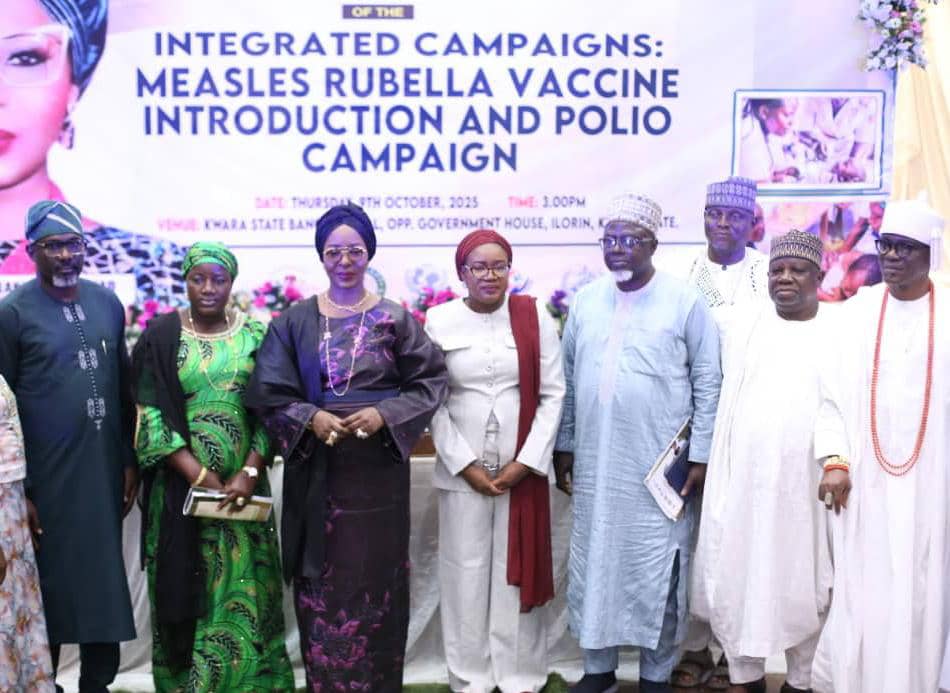
Kwara State Government has launched an integrated vaccination campaign to prevent Measles Rubella and Polio diseases among vulnerable groups in the state.

The exercise, which will last for 10 days – beginning from Saturday 11th October 2025 — is expected to cover at least 1.8 million children whose ages range between 9 months and 14 years (for Measles Rubella vaccine) and zero to 5 years for oral polio vaccine.

The programme was organised by the Kwara State Primary Healthcare Development Agency in collaboration with UNICEF and World Health Organisation (WHO), among other development partners.

At the flag off ceremony in Ilorin, the state capital, Kwara’s First Lady, Ambassador Prof. Olufolake AbdulRazaq, said the initiative is not just a policy milestone but a life-saving intervention for Kwara children and families.

She called on all parents and guardians to present their children within the age range for the vaccination.

“I commend the Kwara State Primary Healthcare Development Agency and all development partners for the efforts that culminated in the launch of the roll out of Measles Rubella Vaccine in the state,” First Lady Ambassador Olufolake AbdulRazaq said.

She said the introduction of the measles-rubella (MRV) vaccine is essential and timely, considering the outbreaks of measles in some parts of the country.

According to her, Nigeria now contends with a reality in which only about 60 percent of children receive the first dose of measles vaccine, while the second dose coverage is as low as 38 percent, noting that this coverage gap is responsible for the outbreaks.

By launching MRV, the country, Kwara inclusive, stands the chance of closing a long-standing gap towards protecting every child, mother, and family, she added.

The First Lady enjoined relevant stakeholders, including traditional and religious leaders, community heads, and the media, to complement government’s efforts in propagating the benefits of measles rubella and polio vaccines.

Commissioner for Health, Dr Amina Ahmed El-Imam, said the campaign is a transformative public health initiative to save lives across the communities.

El-Imam, who was represented by the Permanent Secretary, Ministry of Health, Dr Abdullahi Taoheed, urged all stakeholders to commit resources and attention to raising awareness, mobilising communities, and overcoming any logistical or cultural barriers to vaccination.

Executive Secretary, State Primary Healthcare Development Agency, Prof Nusirat Elelu, said the agency is deploying 8,657 trained personnel, including health workers, supervisors, and security personnel to carry out the campaign.

“Measles remains one of the most contagious and fatal viral diseases affecting young children globally, despite the availability of a safe and highly effective vaccine,” she said.

“Between years 2000 and 2023, it is estimated that measles vaccination alone averted over 60 million deaths globally. Yet, the disease remains endemic in many developing countries, particularly Africa and Asia.”

Prof Elelu said Rubella poses a serious risk to pregnant women, such as miscarriage, fetal death, or the birth of infants with Congenital Rubella Syndrome (CRS).

Assuring that the agency will not rest on its oars to safeguard the people’s health, Elelu said immunization, ante-natal and all non-complicated delivery are given free of charge across primary healthcare centres (PHCs) in the state.

The Executive Secretary commended Governor AbdulRazaq for his huge investments in the health sector, and his Deputy, Mr Kayode Alabi, who is the
Chairman of the State Task Force on Immunization and PHC, for the untiring support.

“We are extremely grateful to Her Excellency, Amb. (Prof.) Olufolake AbdulRazaq, whose relentless advocacy for maternal and child health has been a beacon of hope for our communities,” she added.

Dr. Adeola-Musa of the National Primary Healthcare Development Agency enjoined community leaders and parents to embrace the exercise by mobilising children for vaccination.

Surveillance Officer for World Health Organization (WHO), Mrs Abdulkadir Rashidat, said the vaccines are safe, effective and suitable to protect the children, calling on all parents and community leaders to accord the vaccination teams the needed support to function.

Ibrahim Tsado Mohammed, a Social and Behaviour Change Specialist at
UNICEF, warned that measles, rubella, and polio continue to pose significant health threats to children despite global progress.

He implored the media and civil society organisations to help counter misinformation in some quarters and reduce hesitancy surrounding the vaccination campaign.

Some of the dignitaries at the event were the Deputy Chief Whip, Kwara House of Assembly, Hon. Mariam Yusuf Aladi; Chairman House Committee on Health, Hon. Seun Oguniyi; Cabinet members; Acting Head of Service, Kwara State, Mrs Shittu Olufunke Mercy; Chairman, State Civil Service Commission, Hajia Habibat Yusuf; Permanent Secretaries; Emir of Shonga, Dr Haliru Yahaya; Olupako of Share, Oba Olawale Haruna Ilufemiloye; and Balogun Alanamu of Ilorin, Dr Usman Abubakar Jos, represented by Alhaji Bolaji Ibrahim Alanamu.

Others were wife of the State Chief Judge, Mrs Olufunke Adebara; spouses of Chairmen of the 16 Local Governments; and wife of the State APC Chairman, Princess Ayodele Fagbemi.

End

Continue Reading

Health

World Sight Day 2025: FG Urge to Prioritize Eye Health as 1.3m Nigerians estimated to be blind

Published

on

From our Correspondent

The Chairman, National Eye Health Committee, Prof Afekhide Ernest Omoti has stressed the need for individuals, communities, and governments to prioritize vision care as a vital part of overall health and national development.

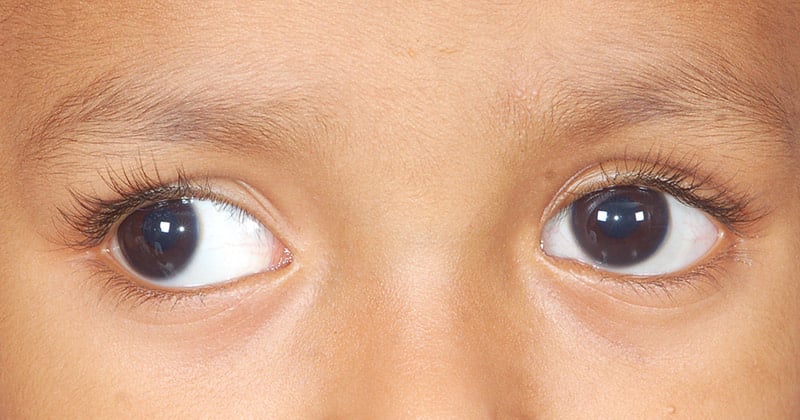
The medical expert disclosed that findings revealed that 1.3 million Nigerians are estimated to be blind with over 80% of these cases being preventable or treatable.

Prof. Omoti who is a consultant ophthalmologist and also the Chairman, Eye Health Committee of the Nigerian Medical Association (NMA), made the call as part of activities to commemorate the 2025 World Sight Day with theme, “Love Your Eyes”, “Love Your Eyes at work”, “Love Your Eyes Kids”, “Love Your Eyes – Protect the Future,”.

Prof. Omoti stated that the World Sight Day 2025 is a global event dedicated to raising awareness about the importance of eye health and the prevention of avoidable blindness.

Prof. Omoti also noted that in Nigeria, millions of Nigerians suffer from visual impairment, and many are at risk due to preventable causes.

“As we celebrate today, let us remember that vision is not just about sight; it is also about connection, opportunity, and the ability to navigate the world. Our eyes allow us to experience the beauty of life and our environment, from the smiles of our loved ones to the vibrant culture that surrounds us.

“This year’s theme, “Love Your Eyes”, “Love Your Eyes at work”, “Love Your Eyes Kids”, “Love Your Eyes – Protect the Future,” calls each of us – individuals, communities, and governments to action. This is because when we protect our eyes, we are not just safeguarding sight; we are securing productivity, learning, inclusion, dignity, and the future of our nation.

He emphasizes the urgent need for individuals, communities, and governments to prioritize vision care as a vital part of overall health and national development.”he said.

Speaking on the significance of the day, Prof Afekhide Ernest Omoti, a consultant Ophthalmologist, past chairman of Edo NMA and Chairman of the Eye Health Committee called on the public to take proactive steps toward protecting their vision.

He noted that eye health is not a privilege or a luxury but a human right, which, according to him, is also a cornerstone of national development.

“When we invest in eye care, we reduce poverty, boost education, and empower individuals to live full, productive lives. Little wonder that many of the sustainable development goals depend on good vision.

According to him, every Nigerian deserves access to affordable and quality eye care.

Prof. Omoti, while urging all Nigerian citizens to get their eyes tested regularly and to seek care early, especially for children and the elderly said over 1 billion people worldwide live with vision loss that could have been prevented or treated.

“Estimates in 2020 suggest that 24 million people in Nigeria were living with some form of vision loss, many unnecessarily. An estimated 4.25 million adults aged 40 and above have moderate to severe visual impairment, 1.3 million Nigerians are estimated to be blind with over 80% of these cases being preventable or treatable.

“Cataracts, glaucoma, refractive errors, tropical diseases, and diabetic retinopathy continue to rob our people both young and old of their sight, their confidence, and their economic potential. We can not afford to ignore this any longer.” Omoti said.

Continue Reading

Health

Milestone; Kwara LG Declared Open Defecation Free by FG

Published

on

Stephen Olufemi Oni, Ilorin

The Federal Ministry of Water Resources and Sanitation has officially declared Oke-Ero Local Government Area (LGA) in Kwara State as Open Defecation Free (ODF), following a comprehensive validation exercise conducted by the National Task Group on Sanitation (NTGS).

The validation exercise was carried out between 21st and 25th July, 2025 by the NTGS, during which Oke-Ero LGA was assessed in accordance with the revised national ODF protocol. Based on the findings, the LGA was found to have met all required indicators and was therefore approved for ODF status on 27th August, 2025.

The official communication of this development was conveyed to Mr. Olorunfemi Adewumi Oladipo, the General Manager of the Kwara State Rural Water Supply and Sanitation Agency (RUWASSA), through a formal letter authored by the Director of Water Quality Control and Sanitation at the Federal Ministry; Mrs. Elizabeth Ugoh. The letter was issued on behalf of the Minister of Water Resources and Sanitation.

Mrs Elisabeth Ugoh, who congratulated the Kwara State Government and the people of Oke-Ero on achieving this national milestone, noted that sanitation is a continuous activity.

The correspondence described the achievement as a significant step forward in the national effort to eradicate open defecation and commended the sustained efforts of the local government, community leaders, stakeholders, and sanitation partners.

It would be recalled that the NTGS validation team conducted detailed assessments across households, institutions, and public spaces in Oke-Ero LGA, confirming the absence of open defecation and the presence of functional sanitation facilities, hygiene awareness, and sustained behavioural change, all of which are prerequisites under the national ODF criteria.

As part of the formal process, the Minister, Prof. Engr. Joseph Terlumun Utsev, is expected to communicate this achievement in writing to Governor AbdulRahman AbdulRazaqn, as, in line with established national protocol, the Governor is expected to host an official event to commemorate the ODF declaration of Oke-Ero LGA.

Reacting to the development, the Commissioner for Water Resources, Hon. Yinusa Lade, lauded the milestone as a testament to the state’s unwavering commitment to improving sanitation and public health. He commended the people of Oke-Ero for their resilience, cooperation, and ownership of the sanitation initiatives, which he described as critical to the sustainability of this achievement.

Hon. Lade, who reiterated the State government’s commitment to scaling up similar interventions across other LGAs, noted that with Oke-Ero setting the pace, the Ministry will intensify efforts to ensure that the entire State is declared Open Defecation Free well ahead of the national 2030 target.

Responding to the announcement, Mr. Oladipo expressed appreciation for the recognition, describing it as a reflection of collaborative effort across multiple levels of governance and community participation. Mr Olorunfemi Oladipo reaffirmed RUWASSA’s continued commitment to supporting other LGAs in the State to achieve similar results.

Mr Oladipo also urged local authorities and stakeholders in Oke-Ero to ensure the sustainability of this status, by adhering to the recommendations outlined in the validation report, which has been enclosed with the official communication.

This development positions Kwara State as one of the leaders in sanitation progress and contributes meaningfully to Nigeria’s broader objective of eliminating open defecation nationwide by 2030, in alignment with the Sustainable Development Goals (SDGs).

End

Continue Reading

Trending

Copyright © 2017 Zox News Theme. Theme by MVP Themes, powered by WordPress.