
Politics
Our political parties not democratic enough, says Retired Colonel

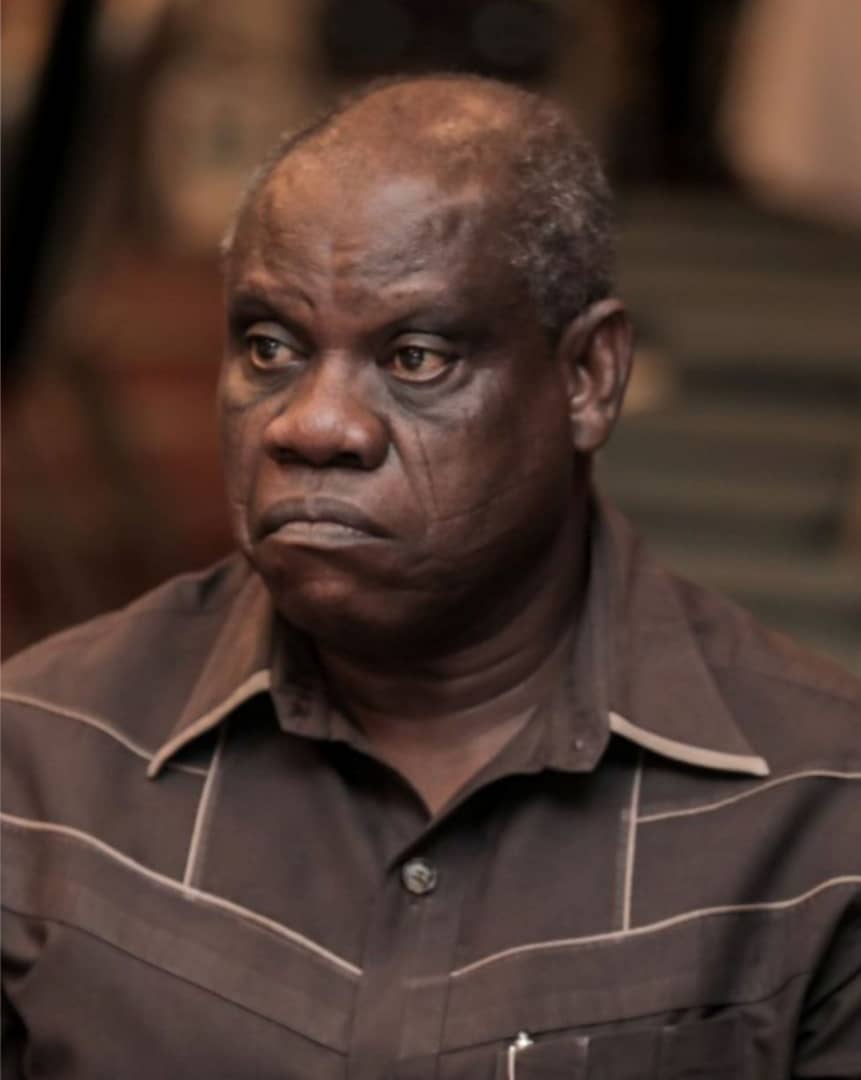
Stephen Olufemi Oni, Ilorin
A retired Colonel in the Nigerian Army, Abdulwahab Ademola Lawal, has decried the absence of internal democracy within the country’s political parties, saying that most of them are dictatorial.
Lawal, who disclosed this while fielding questions from journalists in Ilorin, the Kwara State capital, opined that lack of democratic culture in parties is antithetical to democracy, while identifying the nation’s form of democracy as “hybrid with fusion of dictatorship”.
Describing democracy as the best option for Nigeria as it fosters inclusiveness, he cautioned Nigerian leaders from straying into dictatorship.
“Democracy itself simply means
inclusion, where whatever affects you, you must be consulted in the decision making, you must be carried along, not a system where decisions are imposed on people.
“Democracy goes even beyond
government, even in your family, you can practice democracy. Because whatever decision you want to take, if you consult those who will be affected by it, that becomes democracy.
“But in our country, I think our variant is more of hybridity, which means hybrid democracy. It is a democracy which in a way means that there is too much dictatorship in it.
“Our political parties should be managed in a democratic manner. But as it is today, even our political parties are not very democratic. They are dictatorial, and it is an aberration to democracy.
“When we talk about real democracy, it must be free and there must be no imposition and you must engage in good governance, and this simply refers to transparency, openness, integrity, accountability, the rule of law”, he added.
Lawal, who is the Director of Research at Savannah Centre for Diplomacy, Democracy and Development, said the lingering insurgency in parts of the country would be solved through optimisation of good governance rather than solely relying on force.
He urged the government to prioritise solving the basic needs of the people which includes food security, stressing that the application of force only cannot end insecurity in the country.
The retired military officer said: “The armed forces, the police, and security agencies, name it. They can apply force, weapons, and all the rest of it. That is the kinetic aspect of it.
“The non-kinetic aspect that comes with good governance is another aspect. For example, we always say that a hungry man is an angry man. If he has access to guns as is free flowing in our society now, he is hungry and he is angry, how do you subdue such a person? You subdue him by providing him with food.
“You feed him, give him employment. Let him be human, let him feel proud of himself and let him know that this government sees him as a human being with integrity.
“So, the approach to security is both kinetic and non-kinetic. The non-kinetic aspect should be overwhelming and outweighing, and that is why in security, there is what we call a ‘whole of a society’ approach to security. This means me and you can contribute to solving security problems if we do things right and these are some of the things that we think we should be doing. Family role in security is crucial. We must mentor and model our family well and this impacts on the larger society.”
The retired colonel also blamed globalisation as a contributing factor preventing the military from easily winning the protracted battle against insurgency in the country.
“Globalisation has expanded so much that no nation is an island to itself. No nation is in isolation. In fact, these days, we see that there is no custom or immigration barrier that can stop and block cross-border ideas. Just as public health is globalized so is free flow of ideas without barriers. These pose national challenges.
“Because of this globalization, ideas and funds flow freely without restraint and control. The funding and financing of insurgency is much more easier, and this is one of the challenges that we have in terms of security. Second is culture. Globalization has obliterated cherished traditional values and norms. In the African tradition, your child is your child no matter the age and is accountable to you and you can summon the child. No more today. In our tradition community responsibility is pivital. No more today. Similarly is the impact of technology
“You know, the system is completely wide open in a way that restriction is quite difficult and challenging. Wherever you are in your remotest area, you can connect to anybody around the world. These are some of the challenges that security agencies have”, he said.

An independent investigation by Nigerian Concord Newspaper has found no evidence linking a former Minister of Justice and Attorney General of the Federation, Chief Michael Kaase Aondoakaa, SAN, to the Utan Bran compensation case or other alleged scandals at the Federal Ministry of Justice.
The investigation, conducted at the Federal Ministry of Justice, followed reports in sections of the media alleging misconduct by the former chief law officer of the federation.
Documents obtained through the Freedom of Information Act indicate that Chief Aondoakaa was not involved in the legal firms that handled the Utan Bran compensation matter. Findings further show that the judgement debt related to the case was reportedly paid in 2006 under the tenure of a former Attorney General of the Federation, Chief Bayo Ojo, SAN, during the administration of former President Olusegun Obasanjo.
Multiple officials at the Federal Ministry of Justice, who spoke on condition of anonymity, described Chief Aondoakaa’s tenure as one marked by adherence to the rule of law. The sources said court orders were generally complied with during his time in office.
They also questioned claims portraying the former Attorney General as emblematic of alleged institutional failings within the legal system, stating that no specific instance had been cited in which he abused public office or undermined court judgements.
Regarding reports suggesting that Chief Aondoakaa interfered with court processes during the post-election period of the 2007 National Assembly elections, sources within the ministry said available records do not support claims that he acted to obstruct court orders or delay the swearing-in of elected officials.
On questions surrounding eligibility to hold public office, legal practitioners pointed to established Supreme Court jurisprudence, which holds that concurrent judgements carry equal legal weight with lead judgements. A concurring opinion by Justice Mary Odili, JSC, was cited as stating that the issue of disqualification from public office did not arise in the matter concerning Aondoakaa.
The case is reportedly the subject of further judicial proceedings, following claims that earlier judgements were obtained through misrepresentation. The matter remains pending before the courts.
Sources also said documents generated during the administration of former President Muhammadu Buhari, and signed by senior officials of the Ministry of Justice, support the position that Chief Aondoakaa was not implicated in the Utan Bran case. Nigerian Concord Newspaper said it would publish the documents after concluding its investigation.
Further findings indicate that the former Attorney General was not linked to major cases such as the Halliburton scandal, the OPL 245 (Malabu) oil deal, or the recovery of Abacha-era assets.
Supporters of Aondoakaa also note that he was cleared by his party to participate in the 2023 governorship primary election, arguing that this further demonstrates that no court order barred him from holding public office.
Legal experts reaffirm that qualifications and disqualifications for elective office are constitutionally defined, citing the Supreme Court’s decision in Attorney-General of Abia State v. Attorney-General of the Federation, which established that constitutional provisions on eligibility cannot be expanded or restricted by implication.
An independent investigation by Nigerian Concord Newspaper has found no evidence linking a former Minister of Justice and Attorney General of the Federation, Chief Michael Kaase Aondoakaa, SAN, to the Utan Bran compensation case or other alleged scandals at the Federal Ministry of Justice.
The investigation, conducted at the Federal Ministry of Justice, followed reports in sections of the media alleging misconduct by the former chief law officer of the federation.
Documents obtained through the Freedom of Information Act indicate that Chief Aondoakaa was not involved in the legal firms that handled the Utan Bran compensation matter. Findings further show that the judgement debt related to the case was reportedly paid in 2006 under the tenure of a former Attorney General of the Federation, Chief Bayo Ojo, SAN, during the administration of former President Olusegun Obasanjo.
Multiple officials at the Federal Ministry of Justice, who spoke on condition of anonymity, described Chief Aondoakaa’s tenure as one marked by adherence to the rule of law. The sources said court orders were generally complied with during his time in office.
They also questioned claims portraying the former Attorney General as emblematic of alleged institutional failings within the legal system, stating that no specific instance had been cited in which he abused public office or undermined court judgements.
Regarding reports suggesting that Chief Aondoakaa interfered with court processes during the post-election period of the 2007 National Assembly elections, sources within the ministry said available records do not support claims that he acted to obstruct court orders or delay the swearing-in of elected officials.
On questions surrounding eligibility to hold public office, legal practitioners pointed to established Supreme Court jurisprudence, which holds that concurrent judgements carry equal legal weight with lead judgements. A concurring opinion by Justice Mary Odili, JSC, was cited as stating that the issue of disqualification from public office did not arise in the matter concerning Aondoakaa.
The case is reportedly the subject of further judicial proceedings, following claims that earlier judgements were obtained through misrepresentation. The matter remains pending before the courts.
Sources also said documents generated during the administration of former President Muhammadu Buhari, and signed by senior officials of the Ministry of Justice, support the position that Chief Aondoakaa was not implicated in the Utan Bran case. Nigerian Concord Newspaper said it would publish the documents after concluding its investigation.
Further findings indicate that the former Attorney General was not linked to major cases such as the Halliburton scandal, the OPL 245 (Malabu) oil deal, or the recovery of Abacha-era assets.
Supporters of Aondoakaa also note that he was cleared by his party to participate in the 2023 governorship primary election, arguing that this further demonstrates that no court order barred him from holding public office.
Legal experts reaffirm that qualifications and disqualifications for elective office are constitutionally defined, citing the Supreme Court’s decision in Attorney-General of Abia State v. Attorney-General of the Federation, which established that constitutional provisions on eligibility cannot be expanded or restricted by implication.
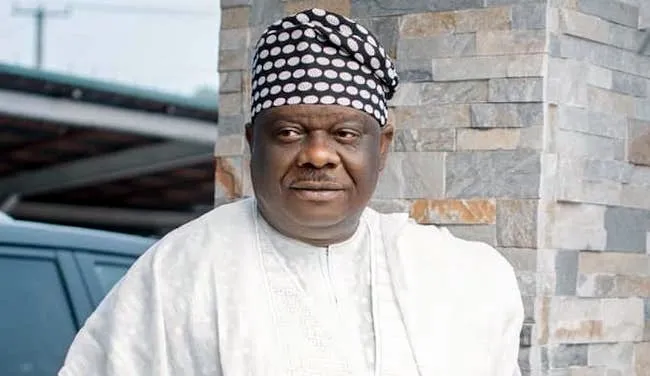
An independent investigation by Nigerian Concord Newspaper has found no evidence linking a former Minister of Justice and Attorney General of the Federation, Chief Michael Kaase Aondoakaa, SAN, to the Utan Bran compensation case or other alleged scandals at the Federal Ministry of Justice.
The investigation, conducted at the Federal Ministry of Justice, followed reports in sections of the media alleging misconduct by the former chief law officer of the federation.
Documents obtained through the Freedom of Information Act indicate that Chief Aondoakaa was not involved in the legal firms that handled the Utan Bran compensation matter. Findings further show that the judgement debt related to the case was reportedly paid in 2006 under the tenure of a former Attorney General of the Federation, Chief Bayo Ojo, SAN, during the administration of former President Olusegun Obasanjo.
Multiple officials at the Federal Ministry of Justice, who spoke on condition of anonymity, described Chief Aondoakaa’s tenure as one marked by adherence to the rule of law. The sources said court orders were generally complied with during his time in office.
They also questioned claims portraying the former Attorney General as emblematic of alleged institutional failings within the legal system, stating that no specific instance had been cited in which he abused public office or undermined court judgements.
Regarding reports suggesting that Chief Aondoakaa interfered with court processes during the post-election period of the 2007 National Assembly elections, sources within the ministry said available records do not support claims that he acted to obstruct court orders or delay the swearing-in of elected officials.
On questions surrounding eligibility to hold public office, legal practitioners pointed to established Supreme Court jurisprudence, which holds that concurrent judgements carry equal legal weight with lead judgements. A concurring opinion by Justice Mary Odili, JSC, was cited as stating that the issue of disqualification from public office did not arise in the matter concerning Aondoakaa.
The case is reportedly the subject of further judicial proceedings, following claims that earlier judgements were obtained through misrepresentation. The matter remains pending before the courts.
Sources also said documents generated during the administration of former President Muhammadu Buhari, and signed by senior officials of the Ministry of Justice, support the position that Chief Aondoakaa was not implicated in the Utan Bran case. Nigerian Concord Newspaper said it would publish the documents after concluding its investigation.
Further findings indicate that the former Attorney General was not linked to major cases such as the Halliburton scandal, the OPL 245 (Malabu) oil deal, or the recovery of Abacha-era assets.
Supporters of Aondoakaa also note that he was cleared by his party to participate in the 2023 governorship primary election, arguing that this further demonstrates that no court order barred him from holding public office.
Legal experts reaffirm that qualifications and disqualifications for elective office are constitutionally defined, citing the Supreme Court’s decision in Attorney-General of Abia State v. Attorney-General of the Federation, which established that constitutional provisions on eligibility cannot be expanded or restricted by implication.


Audi: Trajectory of Success and Changing the Narrative

We’ve Known Each Other Since the 90s; I’m Qualified to Call Him a Scumbag – El-Rufai

Electronic Transmission: This Is Just a Warning Protest, We’ll Wait Till Tomorrow – Isaac Fayose

-
 Uncategorized5 years ago
FG, states urged to harness flooding for ranching, others with technology – Agbaje
-
 Headlines10 years ago
Breaking: EFCC seals Borno House of Assembly, as Hon members take to their heels
-
 News12 years ago
Nigeria Security Operatives Stage Manhunt For Homosexual Perpetrator
-
 News9 years ago
How 21-year-old Girl fled community over accusation of lesbianism
-
 News10 years ago
Yobe Gov Moves Against Deputy
-
 Opinion7 years ago
7 signs she has friend zoned you
-
Technology4 years ago
Online job placement company headhunts women
-
 Headlines10 years ago
Borno Dep Gov Abducts Another Church Leader