
Politics
Presidency Should Remain in the South Until 2031 – SGF Akume


By: Fabian Apechihin
Secretary to the Government of the Federation (SGF), Senator George Akume, has stated that the North should wait until 2031 to seek the presidency, reaffirming support for the principle of rotational leadership between North and South.
Akume made the remarks during an interactive forum held in Kaduna on Tuesday, organized by the Sir Ahmadu Bello Memorial Foundation. The event brought together political leaders, traditional rulers, civil society groups, and technocrats from the 19 northern states and the Federal Capital Territory to assess governance under President Bola Tinubu.
Addressing growing political speculations ahead of the 2027 general election, Akume called on northern elites to respect the power-sharing arrangement.
“By the design of rotational presidency, the North—my region—will be eligible to seek the presidency in 2031, not in 2027,” he said. “Nigeria will not collapse if the South retains power. We must be patient and wait for our turn.”
He credited the stability of Nigeria’s Fourth Republic to foundational leaders such as Chief Solomon Lar, Mallam Adamu Ciroma, Abubakar Rimi, and Shehu Musa Yar’Adua, who championed the rotational presidency model to promote national unity.
“Their foresight ensured balance and reduced political tension,” Akume noted, urging northern politicians to support President Tinubu and prioritize national interest over personal ambition.
His comments come amid speculation that former Vice President Atiku Abubakar and ex-Kano Governor Rabiu Kwankwaso may run again in 2027.
Akume emphasized that leadership should be driven by trust and equity, not desperation, adding:
“We must walk this path with faith and renewed hope in our shared future. Let us deepen our democracy through understanding, not rivalry.”
The forum, themed “Assessing Electoral Promises: Fostering Government-Citizen Engagement for National Unity,” served as a mid-term review of President Tinubu’s administration, which began on May 29, 2023.

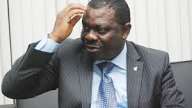
An independent investigation by Nigerian Concord Newspaper has found no evidence linking a former Minister of Justice and Attorney General of the Federation, Chief Michael Kaase Aondoakaa, SAN, to the Utan Bran compensation case or other alleged scandals at the Federal Ministry of Justice.
The investigation, conducted at the Federal Ministry of Justice, followed reports in sections of the media alleging misconduct by the former chief law officer of the federation.
Documents obtained through the Freedom of Information Act indicate that Chief Aondoakaa was not involved in the legal firms that handled the Utan Bran compensation matter. Findings further show that the judgement debt related to the case was reportedly paid in 2006 under the tenure of a former Attorney General of the Federation, Chief Bayo Ojo, SAN, during the administration of former President Olusegun Obasanjo.
Multiple officials at the Federal Ministry of Justice, who spoke on condition of anonymity, described Chief Aondoakaa’s tenure as one marked by adherence to the rule of law. The sources said court orders were generally complied with during his time in office.
They also questioned claims portraying the former Attorney General as emblematic of alleged institutional failings within the legal system, stating that no specific instance had been cited in which he abused public office or undermined court judgements.
Regarding reports suggesting that Chief Aondoakaa interfered with court processes during the post-election period of the 2007 National Assembly elections, sources within the ministry said available records do not support claims that he acted to obstruct court orders or delay the swearing-in of elected officials.
On questions surrounding eligibility to hold public office, legal practitioners pointed to established Supreme Court jurisprudence, which holds that concurrent judgements carry equal legal weight with lead judgements. A concurring opinion by Justice Mary Odili, JSC, was cited as stating that the issue of disqualification from public office did not arise in the matter concerning Aondoakaa.
The case is reportedly the subject of further judicial proceedings, following claims that earlier judgements were obtained through misrepresentation. The matter remains pending before the courts.
Sources also said documents generated during the administration of former President Muhammadu Buhari, and signed by senior officials of the Ministry of Justice, support the position that Chief Aondoakaa was not implicated in the Utan Bran case. Nigerian Concord Newspaper said it would publish the documents after concluding its investigation.
Further findings indicate that the former Attorney General was not linked to major cases such as the Halliburton scandal, the OPL 245 (Malabu) oil deal, or the recovery of Abacha-era assets.
Supporters of Aondoakaa also note that he was cleared by his party to participate in the 2023 governorship primary election, arguing that this further demonstrates that no court order barred him from holding public office.
Legal experts reaffirm that qualifications and disqualifications for elective office are constitutionally defined, citing the Supreme Court’s decision in Attorney-General of Abia State v. Attorney-General of the Federation, which established that constitutional provisions on eligibility cannot be expanded or restricted by implication.
An independent investigation by Nigerian Concord Newspaper has found no evidence linking a former Minister of Justice and Attorney General of the Federation, Chief Michael Kaase Aondoakaa, SAN, to the Utan Bran compensation case or other alleged scandals at the Federal Ministry of Justice.
The investigation, conducted at the Federal Ministry of Justice, followed reports in sections of the media alleging misconduct by the former chief law officer of the federation.
Documents obtained through the Freedom of Information Act indicate that Chief Aondoakaa was not involved in the legal firms that handled the Utan Bran compensation matter. Findings further show that the judgement debt related to the case was reportedly paid in 2006 under the tenure of a former Attorney General of the Federation, Chief Bayo Ojo, SAN, during the administration of former President Olusegun Obasanjo.
Multiple officials at the Federal Ministry of Justice, who spoke on condition of anonymity, described Chief Aondoakaa’s tenure as one marked by adherence to the rule of law. The sources said court orders were generally complied with during his time in office.
They also questioned claims portraying the former Attorney General as emblematic of alleged institutional failings within the legal system, stating that no specific instance had been cited in which he abused public office or undermined court judgements.
Regarding reports suggesting that Chief Aondoakaa interfered with court processes during the post-election period of the 2007 National Assembly elections, sources within the ministry said available records do not support claims that he acted to obstruct court orders or delay the swearing-in of elected officials.
On questions surrounding eligibility to hold public office, legal practitioners pointed to established Supreme Court jurisprudence, which holds that concurrent judgements carry equal legal weight with lead judgements. A concurring opinion by Justice Mary Odili, JSC, was cited as stating that the issue of disqualification from public office did not arise in the matter concerning Aondoakaa.
The case is reportedly the subject of further judicial proceedings, following claims that earlier judgements were obtained through misrepresentation. The matter remains pending before the courts.
Sources also said documents generated during the administration of former President Muhammadu Buhari, and signed by senior officials of the Ministry of Justice, support the position that Chief Aondoakaa was not implicated in the Utan Bran case. Nigerian Concord Newspaper said it would publish the documents after concluding its investigation.
Further findings indicate that the former Attorney General was not linked to major cases such as the Halliburton scandal, the OPL 245 (Malabu) oil deal, or the recovery of Abacha-era assets.
Supporters of Aondoakaa also note that he was cleared by his party to participate in the 2023 governorship primary election, arguing that this further demonstrates that no court order barred him from holding public office.
Legal experts reaffirm that qualifications and disqualifications for elective office are constitutionally defined, citing the Supreme Court’s decision in Attorney-General of Abia State v. Attorney-General of the Federation, which established that constitutional provisions on eligibility cannot be expanded or restricted by implication.
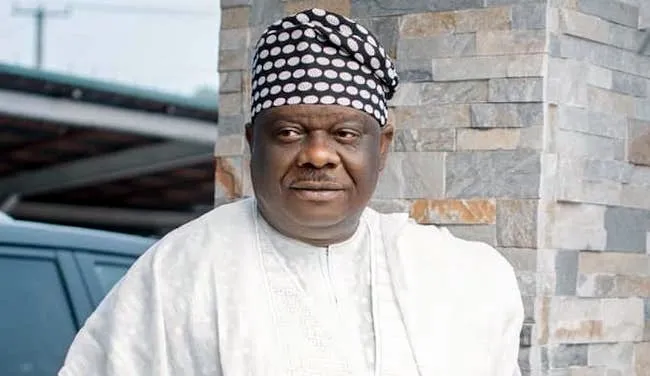
An independent investigation by Nigerian Concord Newspaper has found no evidence linking a former Minister of Justice and Attorney General of the Federation, Chief Michael Kaase Aondoakaa, SAN, to the Utan Bran compensation case or other alleged scandals at the Federal Ministry of Justice.
The investigation, conducted at the Federal Ministry of Justice, followed reports in sections of the media alleging misconduct by the former chief law officer of the federation.
Documents obtained through the Freedom of Information Act indicate that Chief Aondoakaa was not involved in the legal firms that handled the Utan Bran compensation matter. Findings further show that the judgement debt related to the case was reportedly paid in 2006 under the tenure of a former Attorney General of the Federation, Chief Bayo Ojo, SAN, during the administration of former President Olusegun Obasanjo.
Multiple officials at the Federal Ministry of Justice, who spoke on condition of anonymity, described Chief Aondoakaa’s tenure as one marked by adherence to the rule of law. The sources said court orders were generally complied with during his time in office.
They also questioned claims portraying the former Attorney General as emblematic of alleged institutional failings within the legal system, stating that no specific instance had been cited in which he abused public office or undermined court judgements.
Regarding reports suggesting that Chief Aondoakaa interfered with court processes during the post-election period of the 2007 National Assembly elections, sources within the ministry said available records do not support claims that he acted to obstruct court orders or delay the swearing-in of elected officials.
On questions surrounding eligibility to hold public office, legal practitioners pointed to established Supreme Court jurisprudence, which holds that concurrent judgements carry equal legal weight with lead judgements. A concurring opinion by Justice Mary Odili, JSC, was cited as stating that the issue of disqualification from public office did not arise in the matter concerning Aondoakaa.
The case is reportedly the subject of further judicial proceedings, following claims that earlier judgements were obtained through misrepresentation. The matter remains pending before the courts.
Sources also said documents generated during the administration of former President Muhammadu Buhari, and signed by senior officials of the Ministry of Justice, support the position that Chief Aondoakaa was not implicated in the Utan Bran case. Nigerian Concord Newspaper said it would publish the documents after concluding its investigation.
Further findings indicate that the former Attorney General was not linked to major cases such as the Halliburton scandal, the OPL 245 (Malabu) oil deal, or the recovery of Abacha-era assets.
Supporters of Aondoakaa also note that he was cleared by his party to participate in the 2023 governorship primary election, arguing that this further demonstrates that no court order barred him from holding public office.
Legal experts reaffirm that qualifications and disqualifications for elective office are constitutionally defined, citing the Supreme Court’s decision in Attorney-General of Abia State v. Attorney-General of the Federation, which established that constitutional provisions on eligibility cannot be expanded or restricted by implication.


Audi: Trajectory of Success and Changing the Narrative

We’ve Known Each Other Since the 90s; I’m Qualified to Call Him a Scumbag – El-Rufai

Electronic Transmission: This Is Just a Warning Protest, We’ll Wait Till Tomorrow – Isaac Fayose

-
 Uncategorized5 years ago
FG, states urged to harness flooding for ranching, others with technology – Agbaje
-
 Headlines10 years ago
Breaking: EFCC seals Borno House of Assembly, as Hon members take to their heels
-
 News12 years ago
Nigeria Security Operatives Stage Manhunt For Homosexual Perpetrator
-
 News9 years ago
How 21-year-old Girl fled community over accusation of lesbianism
-
 News10 years ago
Yobe Gov Moves Against Deputy
-
 Opinion7 years ago
7 signs she has friend zoned you
-
Technology4 years ago
Online job placement company headhunts women
-
 Headlines10 years ago
Borno Dep Gov Abducts Another Church Leader