
Business
Why Cement Prices Are High — BUA Boss

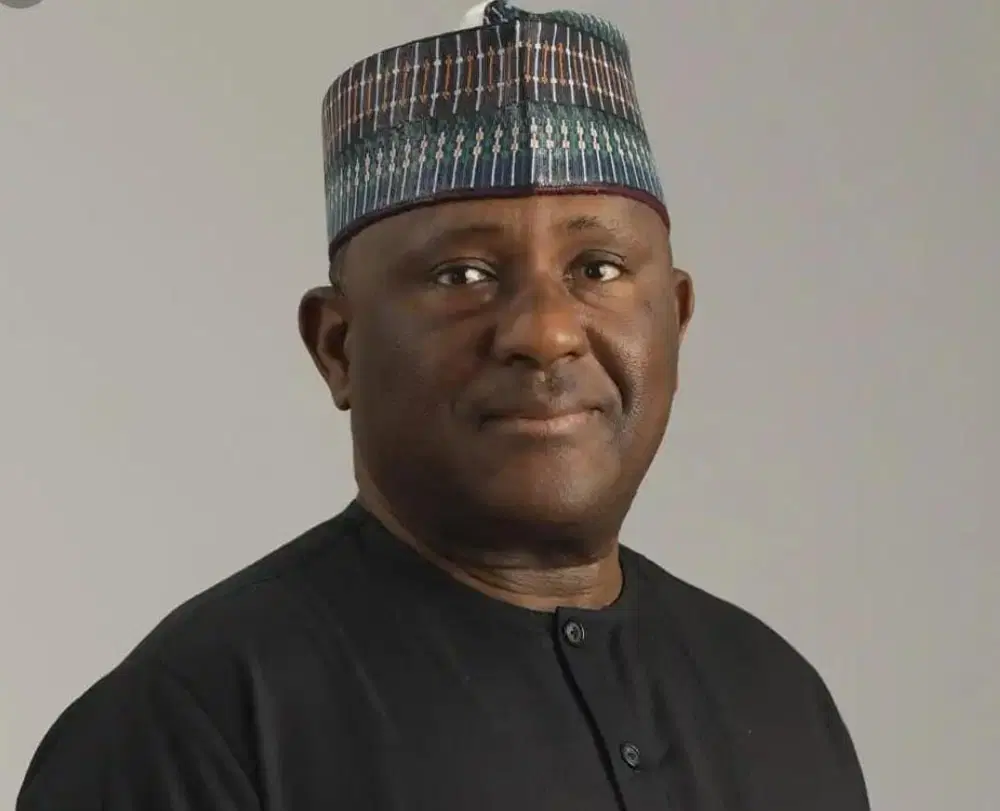
The Chairman of BUA Cement, AbdulSamad Rabiu, has explained the reasons behind the high cost of cement in Nigeria, attributing it to the actions of dealers and broader economic challenges. Speaking at the 8th Annual General Meeting of the company in Abuja, Rabiu revealed that his company’s plan to sell cement at N3,500 per bag last year was thwarted by cement dealers who took advantage of the policy for their gain.
Rabiu disclosed that BUA Cement had sold over a million tons of cement to dealers at the reduced price of N3,500 per bag, with the expectation that the dealers would pass on the benefits to consumers. However, the dealers instead sold the cement at prices ranging between N7,000 and N8,000 per bag, significantly inflating the cost for end-users.
“So, a lot of the dealers took advantage of that policy. Rather than pass the low prices to the customers, they were selling at even double the price we sold to them. Some were selling at N7,000 and N8,000 per bag. They made a lot of money with the very high margin,” Rabiu lamented. As a result, BUA Cement had to abandon the policy to avoid subsidizing the dealers, as the company had no control over market prices.
Rabiu further explained that external factors, including the devaluation of the Naira and the removal of the fuel subsidy last year, also contributed to the unsustainability of the price reduction policy. He noted that the significant drop in the value of the Naira, coupled with increased costs due to fuel subsidy removal, made it impossible to maintain the lower prices.
“We wanted that price to stay at that level but dealers refused. So, we could not sustain that simply because we did not want to be in a situation where we are subsidizing dealers,” Rabiu said. He added that the drastic increase in the exchange rate, which saw the Naira plummet from about N600 to nearly N1,800 per US Dollar, made it even more challenging to keep prices low.
Despite these challenges, Rabiu assured stakeholders that BUA Cement is working to ensure that cement prices do not escalate in line with the full percentage increase of the Naira devaluation. He highlighted that, considering the exchange rate fluctuations, cement prices today are actually lower than they could be, given the cost pressures.
Rabiu pointed out that energy costs, which are denominated in dollars, represent the largest expense for the company. “Energy is the biggest cost. And our energy today is denominated in dollars. We buy gas to power our plants mainly. And gas is priced in dollars,” he explained. He revealed that the monthly energy bill for one of BUA’s plants has soared to about N15 billion or N16 billion, up from N3 or N4 billion previously.
According to the financial report presented by BUA Cement’s Board, the company recorded a strong revenue growth of 27.4%, rising to N460 billion in 2023 from N361 billion in 2022, driven by its increasing market share. However, the company faced significant cost pressures due to the Naira’s devaluation and growing inflation, which increased production costs by 39.5% to N276 billion, up from N197.9 billion in 2022.
Despite these financial challenges, BUA Cement reported a net profit after tax of N69.5 billion and declared a N2 dividend per share. The company also recorded a net foreign exchange loss of N70 billion, with N52.5 billion attributed to finance costs.
Business
Senate Committee Commends Tinubu on Launch of National Halal Economy Strategy to Tap $7.7trn Global Market*

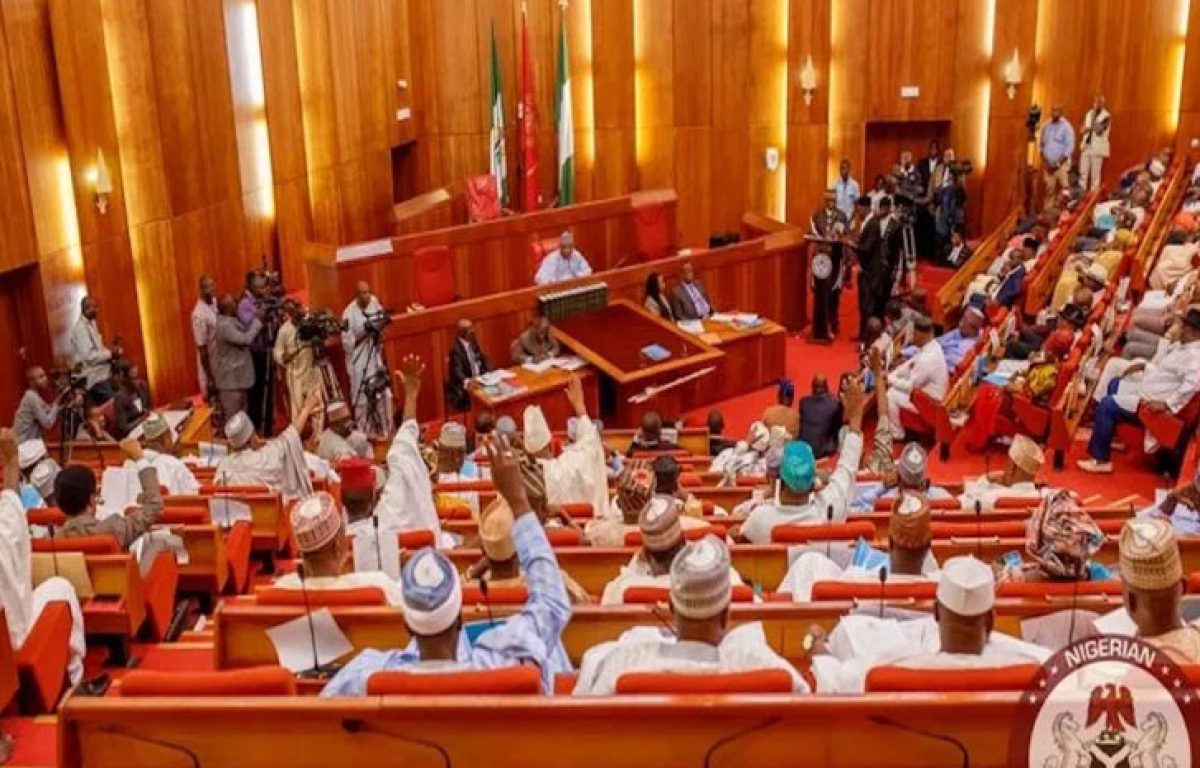
The Senate Committee on Finance has commended President Bola Ahmed Tinubu for launching Nigeria’s National Halal Economy Strategy, describing it as a bold and strategic move to position the country within the lucrative global halal market, estimated at $7.7 trillion.
In a statement signed by its Chairman, the committee praised the initiative as timely and aligned with international best practices. Several countries—including the United Kingdom, Canada, Australia, Malaysia, Indonesia, Saudi Arabia, the United Arab Emirates, Turkey, Brazil, Thailand, and Singapore—have successfully used halal frameworks to boost manufacturing, agricultural exports, financial markets, and foreign investment.
The committee highlighted Nigeria’s strong advantages for success in this space, including its vast agricultural resources, large domestic market, youthful population, growing manufacturing sector, and expanding services industry.
It noted that the strategy fits seamlessly into the Tinubu administration’s broader economic reforms, such as boosting non-oil revenue, diversifying exports, creating jobs, supporting small and medium enterprises (SMEs), and increasing foreign exchange earnings.
President Tinubu, represented by Vice President Kashim Shettima, officially unveiled the strategy on Thursday, February 6, 2026, at the Presidential Villa in Abuja.
The framework, developed in collaboration with Saudi Arabia’s Halal Products Development Company (HPDC) following a bilateral agreement signed in February 2025 at the Makkah Halal Forum, aims to enhance quality standards, certification processes, and competitiveness across sectors like food, pharmaceuticals, cosmetics, tourism, and ethical finance.
The committee described the strategy as inclusive, market-driven, and globally oriented, while fully respecting Nigeria’s diverse and pluralistic society.
It is projected to contribute significantly to the economy, with estimates suggesting it could add around $1.5 billion to Nigeria’s GDP by 2027 and unlock billions more in domestic value over the coming decade through expanded exports and investment.
The Senate Committee on Finance pledged its full legislative support, oversight, and cooperation to ensure smooth implementation, regulatory clarity, and long-term fiscal sustainability in the national interest.
“This decisive step reinforces Nigeria’s readiness to adopt proven international models, unlock new economic frontiers, and establish itself as a competitive player in the evolving global economy,” the statement concluded.
A property transaction dispute has emerged involving Zoe New Dawn Nigeria Limited and a former Chief of Naval Staff, following claims by the company’s chairman, Engr. Dr. Stephen Achema Akpa, that a ₦100 million payment made for land was not followed by a transfer of ownership.
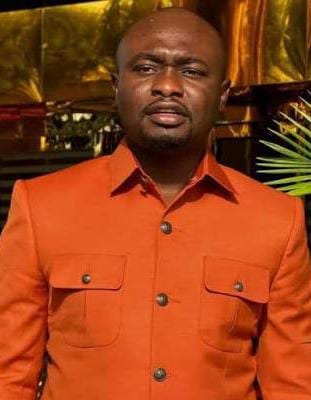
According to Akpa, the payment was made in connection with a land transaction reportedly facilitated by the former naval chief. He alleged that despite documented payments, the land in question was neither transferred to the company nor was the money refunded.
Akpa said Zoe New Dawn Nigeria Limited possesses transaction records and related documents which, he claims, support its position in the dispute. He added that the company has initiated steps to seek redress through appropriate legal channels.
The matter has drawn attention due to the profile of the parties involved, particularly against the backdrop of recurring disputes linked to land ownership and property transactions in Nigeria’s real estate sector.
Industry observers note that unresolved land transactions remain a common source of litigation, often arising from disagreements over title documentation, intermediaries, and contractual obligations.
Zoe New Dawn Nigeria Limited stated that it intends to pursue the matter through lawful means to determine liability and recover any funds deemed outstanding.
As of press time, no official response had been issued by the former Chief of Naval Staff regarding the allegations. The dispute has not yet been confirmed as the subject of any court proceedings.
Minister of Works Senator Dave Umahi over the weekend inspected the progress of the 7th Axial Road project in the Lekki Corridor of Lagos.
The project, located behind the Dangote Refinery, is a crucial cargo handling route for the Lekki Deepwater Port and connects the Lekki Corridor with the Sagamu route.
The Minister expressed confidence in China Harbour Engineering Company Limited (CHEC), the project’s contractor, citing its successful delivery of the Lekki Deepwater Port and high-quality progress on the Makurdi-Enugu road reconstruction and expansion project. Umahi instructed that the roadbed filling work for Project LOT1 be completed by the end of April and directed the project team to accelerate resource input and tangible works to meet the deadline.
The 7th Axial Highway is expected to synergize with key infrastructure projects like the Coastal Road, Dangote Road, and Lekki Port, creating a comprehensive transportation hub model and boosting Nigeria’s port economy and industrial corridor. Umahi emphasized the need for environmental protection agencies to ensure efficient construction and steady progress while maintaining ecological safety.
A representative of CHEC who spoke during the inspection stated that the company would maintain a high level of resource input, implement the Minister’s directives, and coordinate safety, quality, and environmental protection to ensure the project’s timely and high-quality completion in other to unluck its port relief and regional economic benefits.


Audi: Trajectory of Success and Changing the Narrative

We’ve Known Each Other Since the 90s; I’m Qualified to Call Him a Scumbag – El-Rufai

Electronic Transmission: This Is Just a Warning Protest, We’ll Wait Till Tomorrow – Isaac Fayose

-
 Uncategorized5 years ago
FG, states urged to harness flooding for ranching, others with technology – Agbaje
-
 Headlines10 years ago
Breaking: EFCC seals Borno House of Assembly, as Hon members take to their heels
-
 News12 years ago
Nigeria Security Operatives Stage Manhunt For Homosexual Perpetrator
-
 News9 years ago
How 21-year-old Girl fled community over accusation of lesbianism
-
 News10 years ago
Yobe Gov Moves Against Deputy
-
 Opinion7 years ago
7 signs she has friend zoned you
-
Technology4 years ago
Online job placement company headhunts women
-
 Headlines10 years ago
Borno Dep Gov Abducts Another Church Leader