
News
POVERTY, REFORM AND THE PROBLEM OF CAUSATION

What the evidence says about hardship, recovery and the road ahead
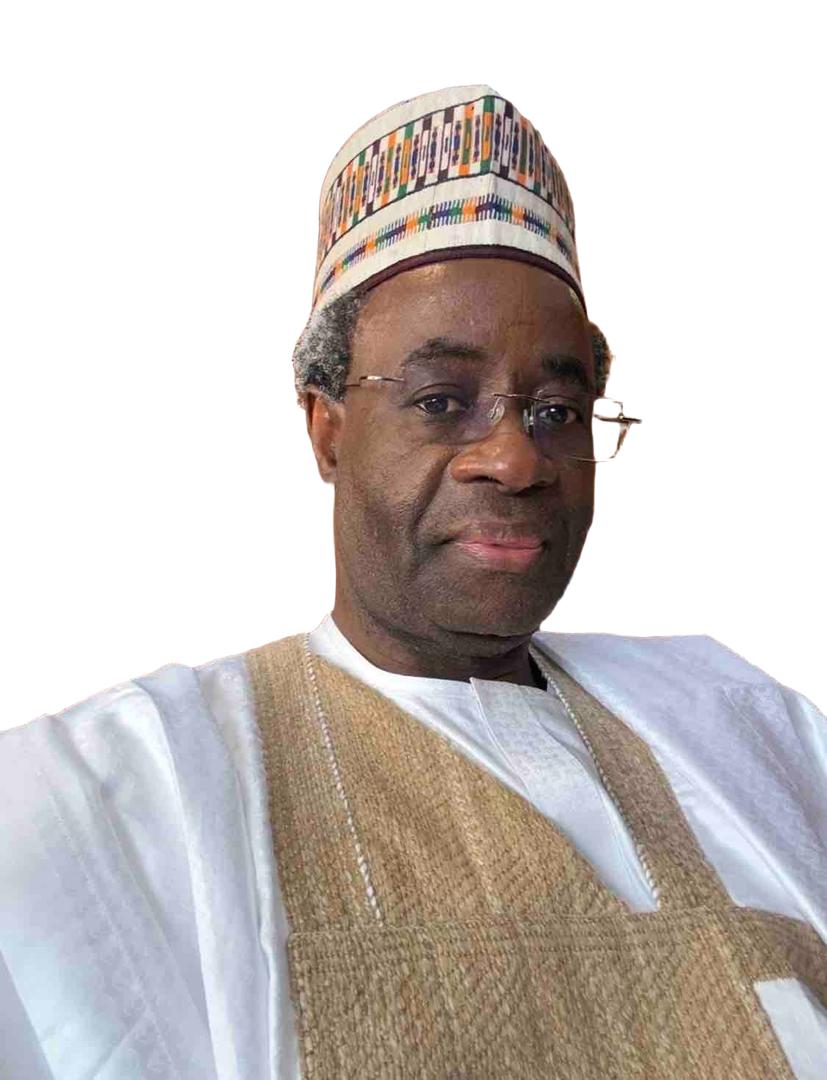
By Tanimu Yakubu, Director-General, Budget Office of the Federation
The argument should begin where Nigerians live
Any serious discussion of the reforms must begin with what Nigerians can see and feel. Food is expensive. Transport takes a larger share of income. Electricity, rent and school bills press harder on household budgets. For many families, the question is not whether an economic indicator has improved. The question is whether their money can still carry them through the month.
That hardship is real, and we should say so without hesitation. But hardship by itself does not tell us what caused it, nor does it tell us whether reversing the reforms would make the country better off. Those are separate questions, and they require evidence rather than anger or reassurance.
The PUNCH report of 16 July 2026 presents poverty as persisting ‘despite reforms’. The phrase is striking, but it compresses several different issues into one. The World Bank and IMF material cited around the same debate records both a deeply vulnerable population and an economy that has returned to stronger real growth, built larger external buffers and moved away from some of the distortions that had accumulated before 2023.[1][2][3][4] The fair reading is therefore not that hardship has vanished, nor that reform has achieved nothing. It is that economic repair has begun while household relief has lagged behind.
A poverty crisis that did not begin in 2023
Nigeria did not enter May 2023 from a position of broad prosperity. Growth per person had been weak for years. Foreign exchange was scarce. Multiple exchange rates encouraged arbitrage. Fuel subsidy costs absorbed public resources. Insecurity kept farmers away from parts of the land. Electricity remained unreliable, transport was costly and too few Nigerians held secure formal jobs.[2] Poverty and vulnerability were already widespread before the present reform programme began.
That history is important because causation matters. A poverty problem built over many years cannot reasonably be attributed in full to policies introduced three years ago. But history cannot become an alibi. The exchange-rate adjustment and fuel-subsidy removal imposed immediate costs on people who had little room to absorb them. Imported goods and inputs became more expensive. Transport costs rose. Inflation eroded wages and savings. Those consequences belong in any honest account of the reforms.
We do not strengthen our case by appearing to argue that suffering is merely inherited. We strengthen it by acknowledging that necessary reforms have had painful consequences and then showing, with evidence, how our policies are reducing those consequences.
What the 79 per cent figure does — and does not — mean
The widely quoted figure that 79 per cent of Nigerians are poor or vulnerable is serious, but it needs to be read correctly. The World Bank’s Streamlined Country Diagnostic distinguishes those already below the poverty line from those who are near-poor or vulnerable to falling below it.[1][2] The number therefore describes a broad zone of insecurity, not a single poverty headcount in which every person is in the same condition.
The distinction does not soften the warning. A household only slightly above a poverty line can be pushed below it by a failed harvest, a medical bill, the loss of a job or another rise in food prices. What the figure shows is how narrow the margin of safety is for millions of Nigerians. It should not, however, be turned into proof that the reforms created a poverty stock that plainly predates them.
The economy has not collapsed, but households are still waiting
World Bank data show real GDP growth of about 4.0 per cent in 2025. The IMF estimated the same rate for 2025 and projected about 4.1 per cent for 2026. Gross international reserves were around US$46 billion at the end of 2025, up from about US$40 billion a year earlier, while net reserves also improved.[3][4] These figures are not a substitute for household welfare, but they are evidence against the claim that the economy has simply collapsed under reform.
The fall in GDP measured in current United States dollars also needs care. A sharp depreciation of the naira reduces the dollar value of naira output even when the volume of goods and services produced is rising. World Bank data can therefore show positive real growth alongside a lower current-dollar GDP.[3] The depreciation has real costs: imported inputs become more expensive and the external value of domestic incomes falls. But it is analytically wrong to treat a translation effect as if it were an equal fall in physical production.
None of this should be presented triumphantly. Nigerians do not eat reserves. A better fiscal balance does not put rice on a table by itself. The value of stabilisation lies in what it permits next: investment, production, employment, lower inflation and better public services.
Relief will come from making more things and moving them more cheaply
The most convincing answer to hardship will not come from another speech about macroeconomic stability. It will come when the supply of food, energy, transport and industrial inputs improves enough to lower costs in everyday life. That is where several large projects now approaching important stages become relevant.
The Kano-Jigawa-Katsina-Maradi railway is one example. We reported in May 2026 that the project was about 60 per cent complete, with delivery targeted for the end of 2027.[5] Its relevance is practical. Northern farmers and traders move large volumes over long distances on roads that are expensive to maintain and slow to use. A working freight corridor can lower haulage costs, widen markets for agricultural produce and improve trade through the northern border. The benefit of the railway will not be the number of kilometres of track. It will be the saving that eventually appears in the cost of moving grain, livestock, fertiliser and manufactured goods.
Lagos shows the same principle in urban transport. The first phases of the Blue and Red Lines are already carrying passengers while extensions continue.[6] For a commuter, the value of mass transit is measured in time, predictability and the share of income spent getting to work. For business, it is measured in a city that moves people with less dependence on road congestion and fuel-intensive transport. That is how infrastructure becomes an alleviative measure rather than a monument.
The Ajaokuta-Kaduna-Kano gas pipeline can have an even wider industrial effect. NNPC’s May 2026 report placed the mainline in advanced construction, installation and pre-commissioning, with early gas delivery to Abuja targeted in 2026.[7] Northern industry has long paid heavily for unreliable energy. Gas delivered into the corridor can support power generation and manufacturing, reduce dependence on expensive self-generation and make new investment more viable. The public will judge the pipeline not by its diameter, but by the factories it helps to run, the jobs it supports and the costs it helps to bring down.
Fertiliser shows what supply reform can mean on the farm
The fertiliser story is closer to the next harvest. Under the Presidential Fertiliser Initiative, more than 449,000 metric tonnes of inputs had been secured by May 2026, and we were on course for a 1.1 million metric tonne programme – roughly 22 million bags – supported by more than 90 operational blending plants.[8]
For years, the problem was not merely the existence of blending plants. A plant without raw materials is an idle factory. Information available to us indicates that, under the previous administration, some plants could secure enough raw materials for only about three months of production. We have moved to secure raw materials on a basis intended to sustain blending through the year. That change is important because it turns installed capacity into actual supply.
The difference is easy to understand. A plant that works for three months produces little and carries high unit costs. A plant supplied through the year can produce more, spread its costs over a larger volume and compete in a market with less scarcity. As availability rises, scarcity pricing becomes harder to sustain. Farmers gain better access to fertiliser when they need it, yields can improve, and the resulting increase in food supply should place downward pressure on prices in 2027.
The effect will not occur by proclamation. Fertiliser must reach farmers, crops must be planted, fields must be secured, harvests must be moved and markets must remain competitive. But this is a visible chain of cause and effect, and it is a stronger basis for expecting lower food prices than administrative price controls.
Rice mills: feed the mills, not the import market
The same supply argument applies to rice. About 300 rice mills are struggling, not because Nigeria lacks milling capacity, but because too many of them cannot obtain enough paddy to run steadily. When a mill operates below capacity, workers lose shifts, fixed costs are spread over fewer tonnes, farmers lose a dependable buyer and the price advantage of domestic processing is weakened. Importing finished parboiled rice may appear to close a supply gap quickly, but it also transfers the milling, transport, handling and much of the value added to producers outside Nigeria.
Our intervention should therefore address the shortage at its source. We need to stimulate local paddy production while permitting the importation of the raw-material shortfall where domestic supply is temporarily inadequate. The purpose of such imports would be to keep Nigerian mills running, not to displace them. As local output rises, the imported component should fall. That approach protects consumers from scarcity while preserving demand for Nigerian paddy and creating a stronger incentive for farmers to expand production.
For rural households, this distinction is consequential. A bag of finished rice imported into Nigeria creates little income for a farmer in Kebbi, Kano, Jigawa, Niger, Taraba or Ebonyi. Paddy supplied to a Nigerian mill does. It supports cultivation, aggregation, haulage, milling, packaging and distribution before the rice reaches the market. Keeping the roughly 300 mills supplied therefore attacks food scarcity and rural poverty at the same time. It raises domestic value added, strengthens the market available to farmers and retains more of every naira spent on rice within the Nigerian economy.
The objective is not permanent dependence on imported paddy. It is to prevent idle domestic capacity while we close the production gap. The durable answer remains higher yields, more irrigated cultivation, improved seed, fertiliser, extension services, secure farming communities and reliable links between growers and mills. But where a temporary shortfall exists, importing the missing raw material is economically preferable to importing the finished product and leaving Nigerian factories underused.
Security is also an economic policy
A farmer who cannot enter his field does not produce. A trader who fears the road moves less produce and charges more for risk. In this sense, the campaign against banditry is also a campaign against food inflation.
Security operations in 2026 restored access to a number of communities and allowed economic activity to resume in areas that had been badly disrupted.[10] It would be inaccurate to claim that banditry has disappeared from every affected area. The economic test is narrower and measurable: are more farmers returning to their land, are more hectares being cultivated, and is more produce reaching markets with fewer losses and delays?
Where the answer is yes, the effect should combine with better fertiliser availability. More cultivated land, higher input use and safer distribution can produce a larger harvest. If those gains hold through the 2026 farming cycle, consumers should begin to see more relief in food markets in 2027.
Why the alternative also has a cost
It is easy to compare the pain of reform with an imagined version of the old system in which prices stayed low and no one paid the difference. That system did not exist. The difference appeared elsewhere: in subsidy bills, foreign-exchange shortages, parallel-market premiums, arrears, inflation and public resources that could not be spent on other needs.
The real choice is not between painful reform and painless continuity. It is between completing a difficult correction and returning to arrangements that had become increasingly expensive to finance and easier to exploit. That does not excuse poor implementation. It means that the answer to hardship is to improve the reform, protect vulnerable households and accelerate the supply response, not to rebuild the distortions that made correction unavoidable.
The test now is whether Nigerians can feel the change
We should not ask Nigerians to celebrate numbers they cannot yet feel. Our better argument is to show where the numbers lead. Stronger public finances must produce roads, power, schools, health care and productive investment. Better reserves and a more orderly foreign-exchange market must support confidence, investment and a more stable supply of essential goods. The reforms will be vindicated in the lives of Nigerians, not in the vocabulary used to describe them.
These are not slogans. They are outcomes that can be checked. If fertiliser remains scarce despite year-round input supply, then our policy has not worked as intended. If rice mills remain idle for lack of paddy while finished parboiled rice is imported, we will have missed an opportunity to reduce scarcity through Nigerian production and rural incomes. If secured communities do not return to cultivation, the economic benefit has not been realised. If new rail and gas infrastructure do not reduce costs or expand productive activity, completion alone will not be enough. We must therefore measure success by what these interventions do to production, prices, jobs and household welfare.
Nigeria’s poverty crisis is older than the present reforms. Our reforms have nevertheless imposed real costs on households that were already under strain. Both facts can be true at the same time. The evidence also shows that real output has grown, external buffers have improved and important constraints on production are being addressed. Our responsibility now is to convert those gains into relief that is visible in markets, incomes and public services.
That is where the debate should end and our work should begin: not with a claim that hardship has disappeared, and not with the claim that reform has failed because hardship persists, but with a clear test. Are we producing more? Are we keeping our fertiliser plants and rice mills working? Are we moving goods more cheaply? Are farmers returning to their fields? Are factories operating for longer? Are families beginning to see prices ease and opportunities expand? Those are the questions by which Nigerians will judge us, and rightly so.
References
- Sami Tunji, “Poverty threatens 79% of Nigerians despite reforms – World Bank,” PUNCH, 16 July 2026.
- World Bank, Nigeria Country Partnership Framework FY2026–FY2032 and accompanying Streamlined Country Diagnostic, 2026.
- World Bank, World Development Indicators, Nigeria country data, including 2025 current-dollar GDP and real GDP growth; accessed August 2026.
- International Monetary Fund, Nigeria: 2026 Article IV Consultation — Press Release; Staff Report; and Statement by the Executive Director for Nigeria, IMF Country Report No. 26/125, June 2026.
- State House, Abuja, “FG: Kano-Jigawa-Katsina to Maradi Railway Project 60 Percent Completed; Set for Delivery End of 2027,” 3 May 2026.
- Lagos State Government, official updates on Lagos Rail Mass Transit Blue and Red Lines, including operational Phase I services; 2024–2025.
- NNPC Limited, Monthly Report Summary, May 2026: AKK mainline construction, installation and pre-commissioning activities, with early gas delivery to Abuja targeted in 2026.
- State House, Abuja, “President Tinubu Hails MOFI, NADF for Strengthening Nigeria’s Fertiliser Value Chain, Supporting Food Security,” 18 June 2026.
- Ministry of Finance Incorporated / PFI-NPK reporting on early 2026 procurement and distribution of fertiliser raw materials to registered blending plants, June 2026.
- Official security reporting on continuing operations against banditry and kidnapping and the restoration of access to affected communities, 2025–2026.
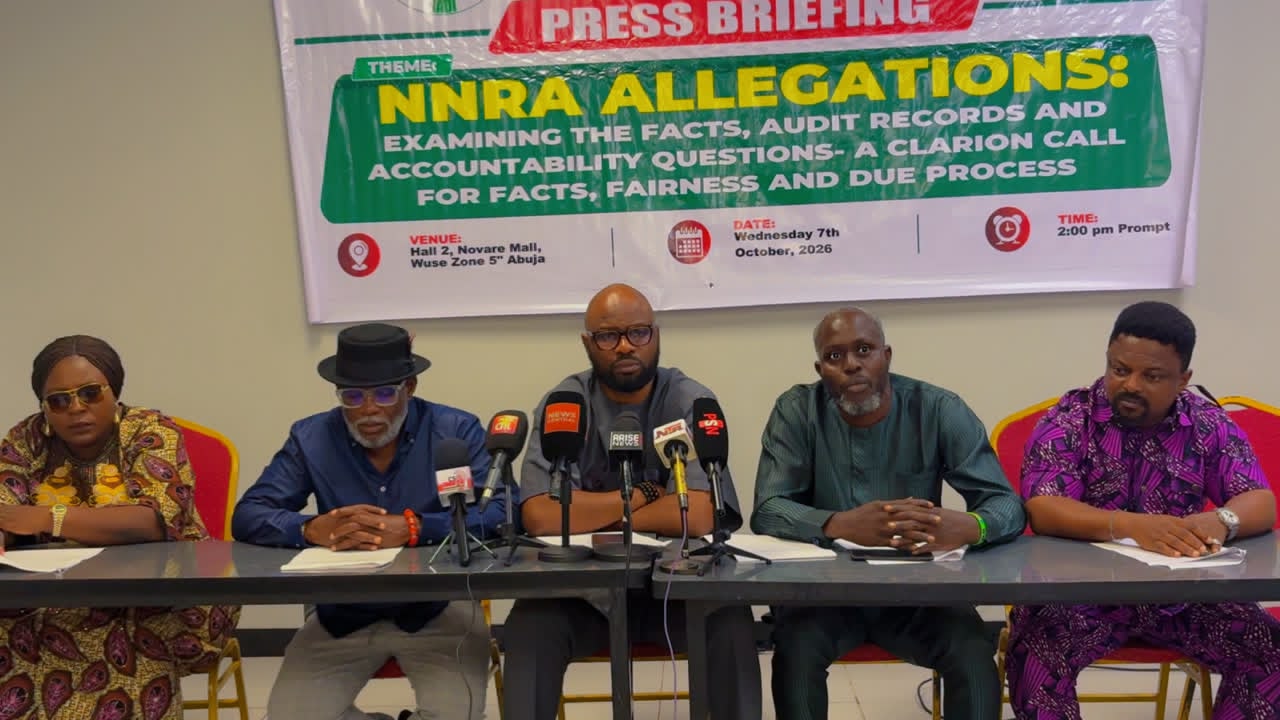
The Integrity Advocacy for Development Initiative (IADI) has called for a thorough, evidence-based examination of allegations of financial misconduct involving the Nigerian Nuclear Regulatory Authority (NNRA), warning against treating audit observations and media reports as established cases of fraud.
IADI Executive Director, Comrade Ofomhi Christopher, made the call on Wednesday at a press briefing in Abuja titled, “On the Allegations Concerning the Nigerian Nuclear Regulatory Authority (NNRA): Facts, Clarifications and the Need for Evidence-Based Accountability.”
The group was reacting to a publication by Secrets Reporters dated October 1, 2026, which alleged that about N6.69 billion was involved in contract fraud and misappropriation at the NNRA.
It also referred to a protest held on October 5 by Global Integrity Watch (GIW) at the NNRA headquarters, where the organisation demanded accountability, responses to audit observations and Freedom of Information requests, as well as changes in the leadership of the regulatory authority.
Christopher said while the allegations deserved scrutiny, they should not be treated as established facts without verification of the underlying records.
According to him, the public deserves to know the specific audit observations, periods and transactions involved, the nature of the contracts, the status of the projects or services, responses provided by the NNRA and whether the issues had been resolved or referred for further investigation.
“An audit observation is a serious matter requiring explanation and verification, but it is not, by itself, a judicial finding of fraud or personal misappropriation,” he said.
The IADI chief also referred to an explanation reportedly provided by the NNRA Director-General concerning the authority’s 2024 capital budget.
He said the explanation put the NNRA’s total 2024 capital budget at about N2.7 billion, comprising approximately N200 million belonging directly to the authority and about N2.5 billion for constituency projects, with an additional N200 million regional project bringing the figure referenced to about N2.9 billion.
Christopher, however, stressed that the explanation should not be regarded as conclusive, urging that it be tested against appropriation documents, budget releases, project records, procurement documents, payment records and audit reports.
“That is how responsible accountability should work: a claim is made, the response is heard, the records are examined, and the evidence determines the conclusion,” he said.
On allegations concerning unexecuted projects, the organisation called for physical verification of the specific projects, while allegations of inflated contract prices should be subjected to scrutiny of contracts, bills of quantities, procurement records and relevant price benchmarks.
It also urged that allegations concerning contractors be examined through relevant procurement and ownership records, while any claim of diversion or misappropriation should be established through the financial trail.
Christopher said where audit authorities had raised observations on expenditure, the public should be informed of the precise observations, the affected institution’s response and the current status of the issues.
The organisation also addressed the October 5 protest by GIW, acknowledging the constitutional right of civil society organisations to peaceful assembly and association under Section 40 of the Constitution.
It, however, urged CSOs to exercise such rights responsibly and within the law.
On Freedom of Information requests, IADI said there should be a distinction between the right to protest and the legal mechanism available where an FOI request is not answered.
The organisation noted that the Freedom of Information Act provides a judicial mechanism for applicants who have been denied access to information, adding that Section 20 allows an applicant to approach the court for a review.
IADI clarified that it was not suggesting that CSOs must obtain a court order before organising peaceful protests.
Rather, Christopher said, where non-compliance with an FOI request was the central grievance, the statutory and judicial mechanisms should be considered alongside legitimate civic action.
“An unanswered FOI request may justify further action to obtain the information. It does not, by itself, establish that fraud, misappropriation or any other wrongdoing has occurred,” he said.
The group also urged organisers of protests at government agencies to take public safety, access to government premises and the safety of protesters, workers and other citizens into consideration.
At the same time, it cautioned government institutions against using the possibility of confrontation as a justification for suppressing lawful civic expression.
“The answer to institutional disagreement should be law, evidence and due process, not intimidation or retaliation,” Christopher said.
He stressed that IADI was neither seeking to shield the NNRA from scrutiny nor dismiss legitimate questions concerning public expenditure at the authority.
He called on relevant audit and oversight bodies to state the status of the observations in question, the responses received from the NNRA and whether the matters had been resolved, sustained or referred for further investigation.
The organisation also encouraged CSOs pursuing accountability to make full use of available legal and institutional mechanisms while retaining their legitimate right to peaceful civic action.
“The public deserves accountability. But the public also deserves accuracy, fairness and evidence.
“A headline is not a verdict. An allegation is not evidence. An audit observation is not automatically a finding of personal guilt,” Christopher said.
He added that public institutions should not expect their expenditure to escape scrutiny merely because questions were raised through the media or civil society.
“Let the records be examined. Let the questions be answered. Let the evidence speak,” he said.
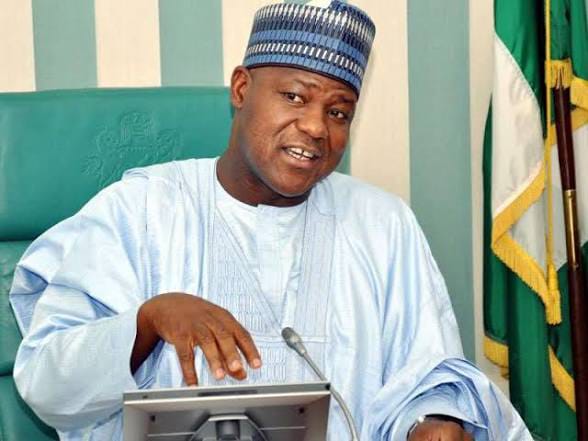
Former Speaker of the House of Representatives and Chairman of the Board of the National Credit Guarantee Company Limited (NCGC), Rt. Hon. Yakubu Dogara, CFR has expressed deep sorrow over the Nigerian Air Force aircraft crash that claimed the lives of 32 persons near Igbokoda, Ondo State. Dogara described the tragedy as a heartbreaking loss to the nation, noting that the deaths of the victims have left a painful void in the country’s defence and security community.
In a statement, the former Speaker extended his condolences to President Bola Ahmed Tinubu, Commander-in-Chief of the Armed Forces, the Nigerian Air Force, and the families of those who perished in the unfortunate incident.
He said the nation shares in the grief of the bereaved families and the Armed Forces at this time of immense sorrow, adding that the sacrifices of those who lost their lives in service to the country will not be forgotten. “The nation mourns with the families of the deceased and stands in solidarity with the Armed Forces during this difficult period,” Dogara stated.
He also commiserated with the Chief of Air Staff, officers and men of the Nigerian Air Force, praying that God grants them the fortitude to bear the painful loss.
According to him, moments such as this call for national unity, reflection and collective support for the families and institutions affected by the tragedy.
Dogara paid tribute to the victims, describing them as patriotic Nigerians whose commitment and service contributed to the security and stability of the nation. He further applauded the efforts of emergency responders, rescue teams and all personnel involved in the aftermath of the crash, commending their courage and professionalism under difficult circumstances.
The former Speaker prayed God to comfort their families, friends and colleagues.
He also offered prayers for the safety and protection of members of the Armed Forces and for continued peace, unity and progress in Nigeria.
The Nigerian Air Force aircraft crashed near Igbokoda, Ondo State, resulting in the death of 32 persons and plunging the nation into mourning. Authorities are yet to make public the cause of the accident as investigations continue.
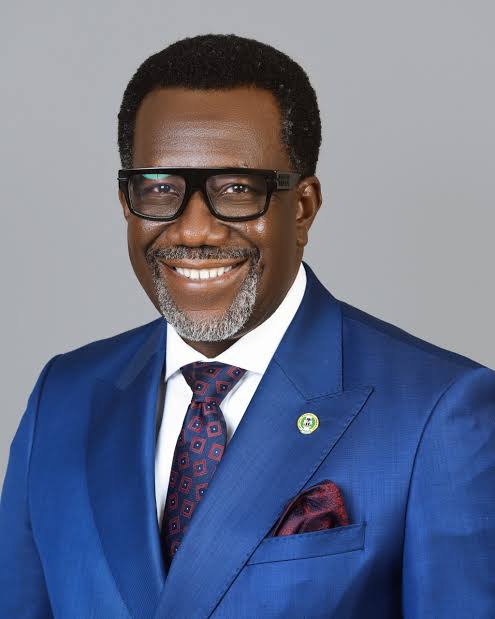
The Centre for Credible Reforms and Institutional Accountability (CCRIA) has commended the Commissioner for Insurance and Chief Executive Officer of the National Insurance Commission (NAICOM), Mr Olusegun Ayo Omosehin, for promoting transparency and accountability in the ongoing reforms of Nigeria’s insurance industry.
The centre said the implementation of the Nigerian Insurance Industry Reform Act (NIIRA) 2025 had ushered in a new phase of development for the sector, with stronger regulatory standards, improved capitalisation and greater emphasis on protecting policyholders.
Dr Aminu Abubakar Aminu, president of the centre, said this in a statement at the weekend.
Aminu commended President Bola Tinubu and the National Assembly for the enactment of NIIRA, describing the legislation as a major step towards addressing longstanding challenges in the insurance industry.
“The enactment of the Nigerian Insurance Industry Reform Act is a significant milestone in the development of Nigeria’s insurance sector. We commend Mr President and the National Assembly for recognising the need to modernise the legal and regulatory framework governing the industry. NIIRA provides the foundation for an insurance sector that is better capitalised, more accountable, more responsive to policyholders and better equipped to contribute meaningfully to the Nigerian economy,” he said.
The centre also praised Omosehin for his leadership of NAICOM, saying his extensive experience as an insurance professional had positioned him to effectively implement the new regulatory framework.
“We consider the appointment of Mr Olusegun Ayo Omosehin as Commissioner for Insurance and Chief Executive Officer of NAICOM a timely and appropriate decision. He is a seasoned insurance professional with many years of experience in the industry, and his understanding of the sector gives him the practical knowledge required to lead an important reform process of this nature. We commend him for the direction he has provided since assuming office and for his commitment to strengthening the industry,” Aminu said.
According to the centre, the ongoing recapitalisation exercise was among the important steps taken to strengthen the financial capacity of insurance companies and improve their ability to meet obligations to policyholders.
Aminu said the reforms were already producing early gains and should be sustained through consistent implementation.
“The early developments under NIIRA demonstrate that the reform is not merely a legislative exercise but a process capable of producing measurable improvements in the industry. Stronger capital requirements, improved supervision and greater attention to policyholder protection will ultimately create an insurance market that Nigerians can trust. We encourage NAICOM to remain focused on the implementation of the Act and to continue providing clear guidance to operators and other stakeholders,” he said.
The centre noted that the reforms would also help deepen insurance penetration and strengthen the industry’s contribution to national economic development.
It urged insurance companies, brokers, reinsurers, professional bodies and other stakeholders to embrace the new framework and work with NAICOM to achieve the objectives of the legislation.
“The success of NIIRA will require the cooperation of every stakeholder in the insurance ecosystem. Operators must see the reforms as an opportunity to strengthen their institutions, improve their services and regain the confidence of Nigerians. A well-regulated insurance industry can mobilise long-term capital, protect businesses and households against risks and support investment and economic growth. These are benefits that go beyond the insurance industry itself,” Aminu said.
Aminu emphasized that the centre was particularly encouraged by the emphasis on policyholder protection under the new framework, noting that public confidence remained critical to the growth of insurance in Nigeria.
He said Nigerians should be able to purchase insurance products with confidence that operators had the financial capacity and institutional structures required to honour legitimate claims.
The president further urged NAICOM to sustain its engagement with stakeholders while ensuring that the provisions of NIIRA were implemented transparently and consistently.
“What is required at this stage is continuity, professionalism and commitment to the objectives of the law. The reforms must be sustained beyond the initial implementation period so that the gains can become permanent features of the industry. We believe NAICOM, under the leadership of Mr Ayo Omosehin, has an important responsibility to ensure that the momentum is maintained, and we encourage all stakeholders to support the commission in delivering on this mandate,” he said.
The centre said the successful implementation of NIIRA would strengthen confidence in the insurance sector, improve the protection available to policyholders and position the industry to play a greater role in Nigeria’s economic transformation.
It also called for continued collaboration between NAICOM, insurance operators and other stakeholders to ensure that the objectives of the new law were fully achieved.


Oke-Ode Community Lauds Kwara Gov On Elesa’s Elevation To First Class Status

2026 KWIRS Tax Quiz Competition: Six Schools Emerge As Finalists

NNRA Allegations: IADI Demands Evidence, Says Audit Queries Not Proof of Fraud

-
 Uncategorized6 years ago
FG, states urged to harness flooding for ranching, others with technology – Agbaje
-
 Headlines11 years ago
Breaking: EFCC seals Borno House of Assembly, as Hon members take to their heels
-
 News12 years ago
Nigeria Security Operatives Stage Manhunt For Homosexual Perpetrator
-
 News10 years ago
How 21-year-old Girl fled community over accusation of lesbianism
-
 News11 years ago
Yobe Gov Moves Against Deputy
-
 Opinion7 years ago
7 signs she has friend zoned you
-
Technology5 years ago
Online job placement company headhunts women
-
 Headlines10 years ago
Borno Dep Gov Abducts Another Church Leader