
News
ADDRESS BY PRESIDENT BOLA AHMED TINUBU, GCFRAT THE JOINT SESSION OF THE NATIONAL ASSEMBLY IN COMMEMORATION OFDEMOCRACY DAY, 2025

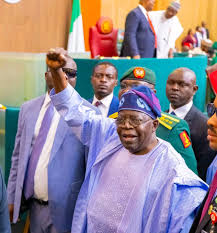
THURSDAY, 12TH JUNE 2025
Protocol:
With profound honour, I stand before this joint session of our National Assembly; a parliament that embodies the will of the Nigerian people.
- Today, as I entered this grand edifice built from the sweat and toil of our democratic yearning, my heart stirred. It was a blend of accomplishment and resolve.
- I felt a sense of collective accomplishment when I realised how far we
had come as a nation. Since 1999, democracy has risen from the ashes and
destitution of military rule to take its rightful place as the only mode of
governance of our resilient and beloved people. - With every footstep I took through these hallowed halls up to the
moment I now stand before you, I remembered that we still have much
further to go. - To achieve this progress, we sought an elective office to lead this
nation forward. Thus, I hereby affirm before our Merciful and Almighty God
and all men my resolve to do all that I can to safeguard and build our
democracy as the Divine hand intends for us to do. - Since 2018, we have celebrated Democracy Day on this day; to
commemorate the sacrifices of the men and women who fought to restore
democratic governance to Nigeria. - Let me pay tribute to former President Muhammadu Buhari for
reaching back into history to rectify a national misdeed by making June 12
Democracy Day and by officially acknowledging Chief Moshood Kashimawo
Olawale Abiola and his running mate, Babagana Kingibe, as the victors and
thus duly elected President and Vice President respectively of Nigeria after
the June 12, 1993 elections. - Year by year, election after election, every time we debate instead of
battle, discuss instead of fight, and argue instead of destroy, we preserve
the institutions of democracy. More importantly, we weave the culture of
democracy into the very fabric of our nation. - Whilst Chief MKO Abiola is June 12’s central figure, we must not forget
the long list of those who equally deserve to be called heroes of Nigerian
democracy. - We must celebrate the courage of Alhaja Kudirat Abiola and Pa Alfred
Rewane, both of whom were murdered by agents of military repression. We
also remember the many civil rights activists, journalists, and politicians
imprisoned, exiled, tossed aside, tortured and beaten by the military regime. - We remember Chief Anthony Enahoro, Commodore Dan Suleiman,
Chief Abraham Adesanya, Ayo Adebanjo, Chief Gani Fawehinmi, Balarabe
Musa, Ganiyu Dawodu, the journalist Bagauda Kaltho, and Commodore
Ndubuisi Kanu. I mention these names not to exclude or degrade the
profound contributions of anyone else, but to illustrate, through these few
heroes, the universality of our pursuit of democracy. - The struggle was never the province of any one group or section of the
country, it was pan-Nigerian in its conception and will be even more pan-
Nigerian as we strive to perfect it. - It is fitting that I come to this chamber. You are the authors of the
people’s law, and I must be their faithful implementer. While we may not
always agree, we must forge a way to work together because this is what
democracy demands of us. I pledge myself to this cooperation and ask that
you do the same for the good of our people. - Mr. Chairman, the National Assembly has acted to uphold democratic
ideals at every critical moment in our national history. In 2006, the 5th
National Assembly protected our democracy against an unseemly third-term
bid that would have ripped our constitution apart. In 2010, the National
Assembly, through the doctrine of necessity, opened the door for then-Vice
President Goodluck Jonathan to become the acting President following the
illness of his predecessor. - Even under the military, the National Assembly tried to protect our
democracy. After General Abacha took over power on November 17, 1993,
and dissolved the National Assembly, some of us, led by Senator Ameh
Ebute, the Senate President in the 3rd Republic, defied the General and his
goons to reconvene in the Old Parliament Building in Lagos. We were jailed
for our defiance. - On behalf of a grateful nation, I commend your invaluable role in
lawmaking, oversight, and constituency representation. - At this point, I plead for your indulgence so that I may put a terrible rumour to bed.
- To those who ring the alarm that the APC is intent on a one-party state,
I offer you a most personal promise. While your alarm may be as a result of
your panic, it rings in error. At no time in the past, nor any instance in the
present, and at no future juncture shall I view the notion of a one-party state
as good for Nigeria. I have never attempted to alter any political party
registration with INEC. Equally, my friends, we cannot blame anybody
seeking to bail out of a sinking ship even without a life jacket. - Look at my political history. I would be the last person to advocate such
a scheme. In 2003, when the then-governing party tried to sweep the nation
clean of political opposition through plot and manipulation, I was the last of
the progressive governors standing in my region. - In all their numbers and false grandeur, they boasted of ruling, not
governing, Nigeria for the next half century or more. Where are they now? - Yet, I stood alone. My allies had been induced into defeat. My
adversaries held all the cards that mortal man could carry. Even with all of
that, they could not control our national destiny because fate is written from
above. A greater power did not want Nigeria to become a one-party state
back then. Nigeria will not become such a state now. - The failed effort to create a one-party state placed progressive political
forces on a trajectory to form the APC. It put me on the trajectory which has
brought me before you today. I dare not do such a favour to any political
adversary by repeating the same mistake of political overreach. - A one-party state is not in the offing. Nor should it ever be. That said,
we would be guilty of political malpractice if we closed the door on those from
other parties who now seek to join the APC and I sincerely welcome our
party’s newest members from Delta and Akwa Ibom States led by Governor
Sheriff Oborevwori and Pastor Umo Eno and other members of this National
Assembly. - Political parties fearful of members leaving may be better served by
examining their internal processes and affairs rather than fearfully conjuring
up demons that do not exist. For me, I would say try your best to put your
house in order. I will not help you do so. It is, indeed, a pleasure to witness
you in such disarray. - We must welcome and accept the diversity and number of political
parties just as we welcome and embrace the diversity of our population. Our
efforts must never be to eliminate political competition but to make that
competition salutary to the national well-being by working across the political
aisle whenever possible. - One area in which democracy calls us to work together, whether in the
legislative or executive branch, whether in this or other political parties, is
that of economic and social development. - Upon assuming office, my team and I moved to reform our ailing
economy. We introduced fundamental reforms to correct structural
imbalances that prevented maximum growth. - We are already seeing results. GDP grew by 3.4 per cent in 2024, with
Q4 hitting 4.6 per cent, the highest quarter of growth in over a decade.
Inflation is easing gradually, steadying the price of food staples like rice and
beans. Our net foreign reserves have increased fivefold, and the Naira
exchange rate has stabilised. Our balance of payments position is positive;
our sovereign credit rating is improving as we continue to promote oil and
non-oil exports. States now do not need to go about borrowing to pay
salaries. - In less than one year, over one hundred thousand Nigerians, including thirty-five thousand civil servants, have benefited from affordable consumer credit through the Nigerian Consumer Credit Corporation (CREDICORP), enabling them to purchase vehicles, light up and improve their homes and purchase life essentials. This July, we will launch a bold new initiative to empower four hundred thousand young Nigerians, including youth corpers, with consumer credit.
- We are committed to giving more opportunities to young people through job creation and skills development. Through such programs as NELFUND, we are investing in education, vocational training, apprenticeships, and internships to ensure our youth are job-ready and
future-ready. - In addition, we have embarked on an ambitious project to lay fibre optic cables across the nation, a transformative step toward bridging the digital divide and fostering greater connectivity. This initiative promises not only to enhance the speed and reliability of internet access but also to revolutionize how businesses operate, how students learn, and how communities stay connected. By extending this critical infrastructure, we are empowering entrepreneurs, enabling digital education, and providing the tools for our youth to compete in a globalized world.
- Our “Nigeria First” policy will further enhance progress as we consolidate market-driven growth. The improved economic performance is encouraging and validates the soundness of our policy measures. Our medium-term growth target remains an economy growing at a 7 per cent clip with a stronger manufacturing base. We must learn to produce and grow most of our food and we are on the path to achieving food sovereignty.
- These and other reforms have placed the economy on a more rational footing where critical decisions regarding large-scale investment can now be made.
- I ask you, the legislature, to join me as we enter the second half of our term to put forth innovative legislation that further encourages industrial development and job creation in our urban centres while also drafting laws that improve food security and production.
- To further underpin our economic vision, we introduced a comprehensive Tax Reform Package, a vital component of our economic re- engineering. I am deeply grateful to both chambers for your thorough consideration and deliberation of these bills, and I look forward to signing them into law soon.
- Again, your collaboration across party lines on these bills has been a model of democratic partnership.
- As elected leaders, we must continue to do more to make real the dream of Nigeria’s political and economic democracy.
- We must be vigilant in expanding the political space. We must always value dialogue over dictatorship, persuasion over suppression and rights over might. Be tolerant and broad-minded in your legislative action regarding speech and civil liberties.
- Do not be afraid to hear an unkind word spoken against you. Some of the best advice a politician gets sometimes comes from his most ferocious opponents. We dare not seek silence because the imposed silence of repressed voices breeds chaos and ill will, not the harmonics of democracy in the long term.
- While malicious slander and libel should not go unattended, no one should bear the brunt of injustice for merely writing a bad report about me or calling me names. Democracy requires a fair degree of tolerance for harsh words and stinging insults. Call me names, call me whatever you will, and I will still call upon democracy to defend your right to do so. Mr. Senate President, Mr. Speaker, Distinguished Senators and Honourable Members.
- Our nation is not perfect, but it is strong. Our democracy is not invincible, but it is alive. And this means our dream of a prosperous, happy nation is still within reach and worth fighting for.
- Mr. Chairman, Nigeria is at an inflexion point, undergoing structural and fundamental change toward a secure future.
- Our administration is fully committed to boosting the economy’s productive base. Through investment in critical infrastructure, roads, expansion of port operations, rail, and power we are creating a new environment in which industry and manufacturing can thrive. Our tax and fiscal policy reforms will streamline tax administration and eliminate burdensome and multiple taxes enabling our industrialists and entrepreneurs to operate in a more conducive environment.
- Governance must work and deliver value to the people. As part of our tax reforms, we have provided small businesses with an exemption and established the Office of the Tax Ombudsman to ensure transparency and protect taxpayer rights. Digital tools now help us track performance and reduce waste. The Diaspora Bond and Non-Resident BVN are bringing
Nigerians abroad into the national development fold. - In line with my promise during my New Year address to the nation, I recently appointed the board of directors of the newly established National Credit Guarantee Company. The company backed with 100 billion naira in initial capital; with BOI, which, by the way, is performing very well in supporting SMEs, NSIA, CreditCorp, and MOFI as stakeholders, will play a significant role in transforming the nation’s industrial landscape and reducing
corruption. - National Security is the foundation of peace and progress. We have intensified security operations to reclaim communities from criminals and terrorists. We are better at coordinating intelligence, and inter-agency cooperation has improved. Our highways are safer, and we invest in technology and training to secure every inch of this country.
- Let us take this opportunity to thank the men and women of our Armed Forces for their bravery in service of the nation. Their selfless dedication to protecting our sovereignty and ensuring the safety of citizens should serve as an inspiration to us all. As we celebrate the progress of our democracy, we must not forget the pivotal role they play in safeguarding our freedoms. For their courage and commitment, they deserve not only our gratitude but
also our continued support, prayers and recognition. - Fellow compatriots, our achievements are not the work of one man. They are the result of a collective effort to make possible the Nigerian Dream. Yet, the journey is not over. We must work even harder to translate broad macroeconomic gains into tangible improvements in the lives of ordinary Nigerians. We must stay the course, reject cynicism, and believe Nigeria can and will rise again.
- As we mark a twenty-sixth year of unbroken democracy, it is right to honour those who have made sacrifices in the past, braving all the odds and the guns to ensure we have a regime of democracy in our country.
- In this light, I announce the conferment of the posthumous national honour of CFR on Kudirat Abiola, the heroine of the June 12 struggle.
- I also confer posthumous national honours on Shehu Musa Yar’Adua (GCFR), Prof. Humphrey Nwosu (CON), Rear Admiral Ndubuisi Kanu (CON), Alhaji Balarabe Musa (CFR), Pa. Alfred Rewani (CFR), Bagauda Kaltho (OON), Chima Ubani (OON), Dr. Beko Ransome-Kuti (CON), Alao Aka Bashorun (CON), Chief Frank Kokori (CON), Emma Ezeazu (OON), Bamidele Aturu (OON), Fredrick Fasehun (CON), Professor Festus Iyayi (CON), Dr John Yima Sen (OON), Alhaja Sawaba Gambo (CON), Dr. Edwin Madunagu (CON), Dr. Alex Ibru (CON), Chief Bola Ige (CFR), Pa. Reuben Fasoranti (CFR), Sen. Ayo Fasanmi (CON), Sen. Polycarp Nwite (CON) and Dr. Nurudeen Olowopopo (CON).
- I also confer national honours on Prof. Wole Soyinka (GCON), Prof. Olatunji Dare (CON), the journalist and journalism teacher; Kunle Ajibade (OON); Nosa Igiebor (OON), Dapo Olorunyomi (OON), Bayo Onanuga (CON), Ayo Obe (OON), Dare Babarinsa (CON), Bishop Matthew Hassan Kukah (CON), Senator Shehu Sani (CON), Governor Uba Sani (CON), Barrister Femi Falana, SAN (CON), Prof. Shafideen Amuwo (CON), Barrister Luke Aghanenu (OON), Senator Tokunbo Afikuyomi (CON), Hon. Labaran Maku (OON), Dr. Tunji Alausa (CON), Mr Nick Dazang (OON), Hon Abdul Oroh (OON), Odia Ofeimun (CON), Seye Kehinde (OON), Barrister Felix Morka (CON) Barrister Ledum Mitee (CON), Hon. Olawale Osun (CON), Dr. Amos Akingba (CON), Prof. Segun Gbadegesin (CON), Mobolaji Akinyemi (CFR), Dr. Kayode Shonoiki (CON), Prof. Julius Ihonvbere (CON), Prof. Bayo Williams (CON), Sen. Abu Ibrahim (CFR), and Sen. Ame Ebute (CFR).
- Additionally, I confer the national honour of CON on Uncle Sam Amuka Pemu, a legendary journalist and publisher who remains true to his lifetime calling as he marks his 90th birthday tomorrow, June 13.
- Furthermore, I also confer posthumous national honours on Ken Saro Wiwa (CON), the leader of the Ogoni Nine and his fellow travellers, Saturday Dobee (OON), Nordu Eawo (OON), Daniel Gbooko (OON), Paul Levera (OON), Felix Nuate (OON), Baribor Bera (OON), Barinem Kiobel (OON), and John Kpuine (OON). I shall also be exercising my powers under the prerogative of mercy to grant these national heroes a full pardon, together with others whose names shall be announced later in conjunction with the National Council of State.
- Finally, it is my great privilege to now decorate the presiding officers of the National Assembly with the National Honours earlier conferred upon them last year:
Presiding National Assembly Officers
Senator Godswill Obot Akpabio, GCON – SENATE PRESIDENT
Rt. Hon. Abbas Tajudeen, PhD, GCON – Speaker
Senator Jibrin Ibrahim Barau, CFR – DEPUTY SENATE PRESIDENT
Rt. Hon. Benjamin Okezie Kalu, CFR – Deputy Speaker
- In conclusion, let us rededicate ourselves to the ideals of June 12; freedom, transparent and accountable government, social justice, active citizen participation, and a just society where no one is oppressed.
- Happy Democracy Day, and may God continue to bless the Federal Republic of Nigeria and protect our troops.
Bola Ahmed Tinubu, GCFR
President, Commander-in-Chief of The Armed Forces,
Federal Republic of Nigeria

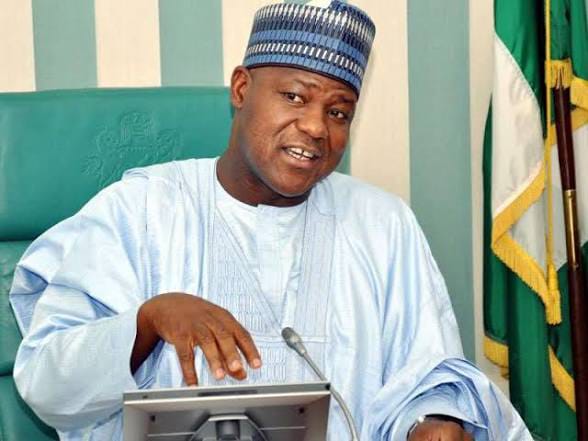
Former Speaker of the House of Representatives and Chairman of the Board of the National Credit Guarantee Company Limited (NCGC), Rt. Hon. Yakubu Dogara, CFR has expressed deep sorrow over the Nigerian Air Force aircraft crash that claimed the lives of 32 persons near Igbokoda, Ondo State. Dogara described the tragedy as a heartbreaking loss to the nation, noting that the deaths of the victims have left a painful void in the country’s defence and security community.
In a statement, the former Speaker extended his condolences to President Bola Ahmed Tinubu, Commander-in-Chief of the Armed Forces, the Nigerian Air Force, and the families of those who perished in the unfortunate incident.
He said the nation shares in the grief of the bereaved families and the Armed Forces at this time of immense sorrow, adding that the sacrifices of those who lost their lives in service to the country will not be forgotten. “The nation mourns with the families of the deceased and stands in solidarity with the Armed Forces during this difficult period,” Dogara stated.
He also commiserated with the Chief of Air Staff, officers and men of the Nigerian Air Force, praying that God grants them the fortitude to bear the painful loss.
According to him, moments such as this call for national unity, reflection and collective support for the families and institutions affected by the tragedy.
Dogara paid tribute to the victims, describing them as patriotic Nigerians whose commitment and service contributed to the security and stability of the nation. He further applauded the efforts of emergency responders, rescue teams and all personnel involved in the aftermath of the crash, commending their courage and professionalism under difficult circumstances.
The former Speaker prayed God to comfort their families, friends and colleagues.
He also offered prayers for the safety and protection of members of the Armed Forces and for continued peace, unity and progress in Nigeria.
The Nigerian Air Force aircraft crashed near Igbokoda, Ondo State, resulting in the death of 32 persons and plunging the nation into mourning. Authorities are yet to make public the cause of the accident as investigations continue.
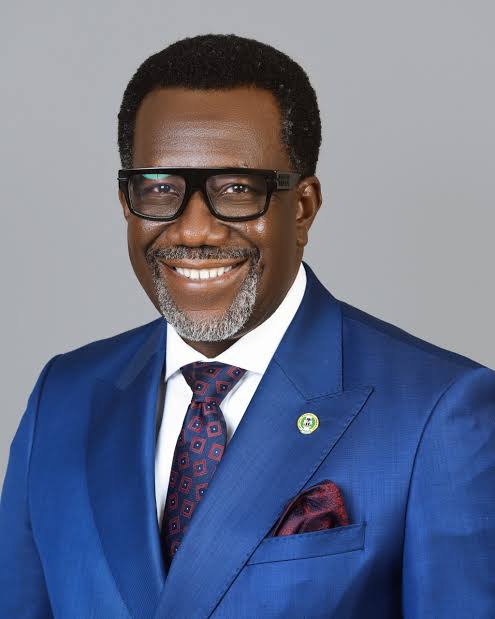
The Centre for Credible Reforms and Institutional Accountability (CCRIA) has commended the Commissioner for Insurance and Chief Executive Officer of the National Insurance Commission (NAICOM), Mr Olusegun Ayo Omosehin, for promoting transparency and accountability in the ongoing reforms of Nigeria’s insurance industry.
The centre said the implementation of the Nigerian Insurance Industry Reform Act (NIIRA) 2025 had ushered in a new phase of development for the sector, with stronger regulatory standards, improved capitalisation and greater emphasis on protecting policyholders.
Dr Aminu Abubakar Aminu, president of the centre, said this in a statement at the weekend.
Aminu commended President Bola Tinubu and the National Assembly for the enactment of NIIRA, describing the legislation as a major step towards addressing longstanding challenges in the insurance industry.
“The enactment of the Nigerian Insurance Industry Reform Act is a significant milestone in the development of Nigeria’s insurance sector. We commend Mr President and the National Assembly for recognising the need to modernise the legal and regulatory framework governing the industry. NIIRA provides the foundation for an insurance sector that is better capitalised, more accountable, more responsive to policyholders and better equipped to contribute meaningfully to the Nigerian economy,” he said.
The centre also praised Omosehin for his leadership of NAICOM, saying his extensive experience as an insurance professional had positioned him to effectively implement the new regulatory framework.
“We consider the appointment of Mr Olusegun Ayo Omosehin as Commissioner for Insurance and Chief Executive Officer of NAICOM a timely and appropriate decision. He is a seasoned insurance professional with many years of experience in the industry, and his understanding of the sector gives him the practical knowledge required to lead an important reform process of this nature. We commend him for the direction he has provided since assuming office and for his commitment to strengthening the industry,” Aminu said.
According to the centre, the ongoing recapitalisation exercise was among the important steps taken to strengthen the financial capacity of insurance companies and improve their ability to meet obligations to policyholders.
Aminu said the reforms were already producing early gains and should be sustained through consistent implementation.
“The early developments under NIIRA demonstrate that the reform is not merely a legislative exercise but a process capable of producing measurable improvements in the industry. Stronger capital requirements, improved supervision and greater attention to policyholder protection will ultimately create an insurance market that Nigerians can trust. We encourage NAICOM to remain focused on the implementation of the Act and to continue providing clear guidance to operators and other stakeholders,” he said.
The centre noted that the reforms would also help deepen insurance penetration and strengthen the industry’s contribution to national economic development.
It urged insurance companies, brokers, reinsurers, professional bodies and other stakeholders to embrace the new framework and work with NAICOM to achieve the objectives of the legislation.
“The success of NIIRA will require the cooperation of every stakeholder in the insurance ecosystem. Operators must see the reforms as an opportunity to strengthen their institutions, improve their services and regain the confidence of Nigerians. A well-regulated insurance industry can mobilise long-term capital, protect businesses and households against risks and support investment and economic growth. These are benefits that go beyond the insurance industry itself,” Aminu said.
Aminu emphasized that the centre was particularly encouraged by the emphasis on policyholder protection under the new framework, noting that public confidence remained critical to the growth of insurance in Nigeria.
He said Nigerians should be able to purchase insurance products with confidence that operators had the financial capacity and institutional structures required to honour legitimate claims.
The president further urged NAICOM to sustain its engagement with stakeholders while ensuring that the provisions of NIIRA were implemented transparently and consistently.
“What is required at this stage is continuity, professionalism and commitment to the objectives of the law. The reforms must be sustained beyond the initial implementation period so that the gains can become permanent features of the industry. We believe NAICOM, under the leadership of Mr Ayo Omosehin, has an important responsibility to ensure that the momentum is maintained, and we encourage all stakeholders to support the commission in delivering on this mandate,” he said.
The centre said the successful implementation of NIIRA would strengthen confidence in the insurance sector, improve the protection available to policyholders and position the industry to play a greater role in Nigeria’s economic transformation.
It also called for continued collaboration between NAICOM, insurance operators and other stakeholders to ensure that the objectives of the new law were fully achieved.
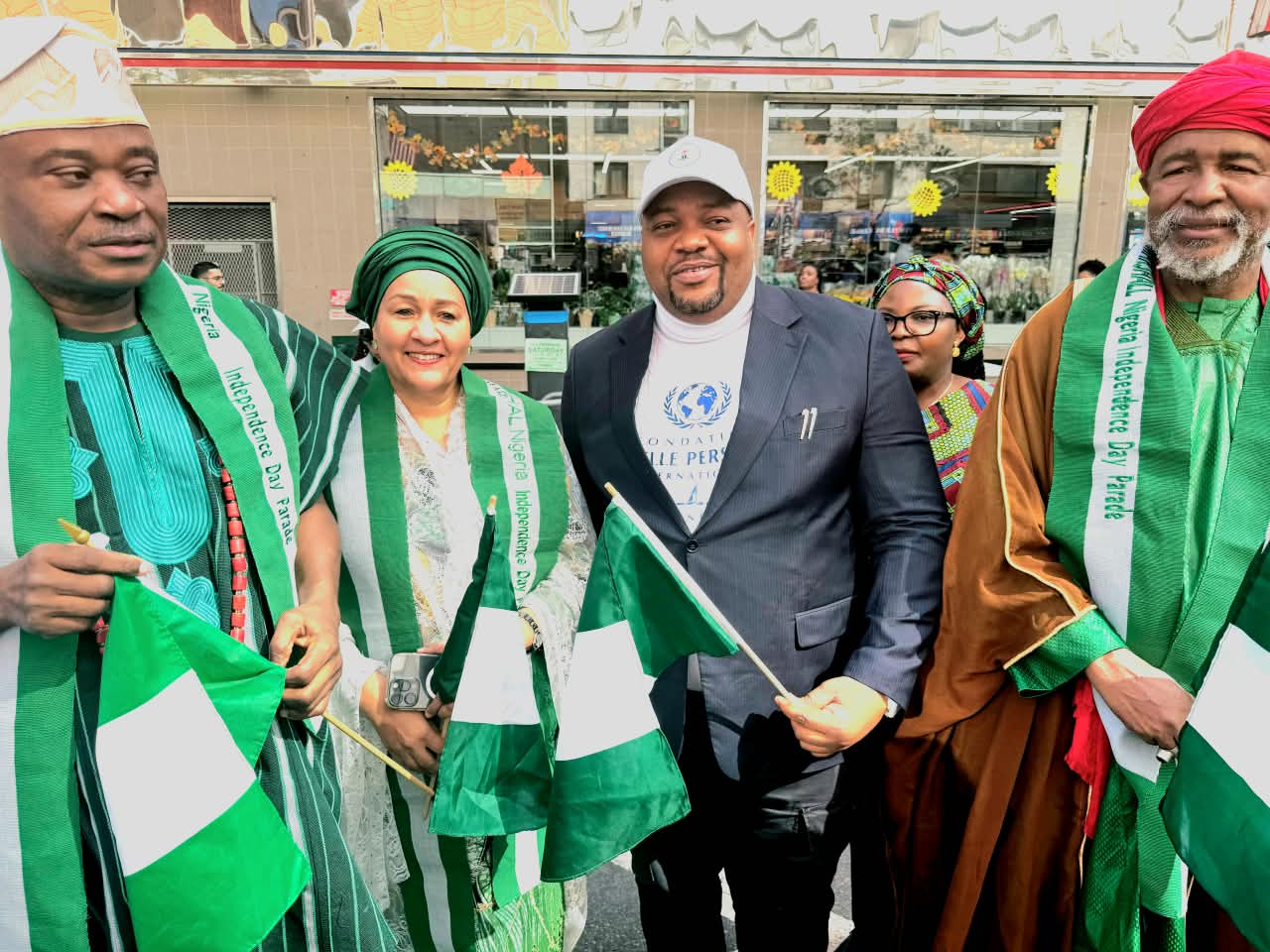
As Nigerians from across the United States gathered in Manhattan to celebrate Nigeria’s Independence Day in grand style, Hon. Amb. Jim Okolo used the occasion to share an inspiring message about Nigeria’s immense possibilities, rich cultural heritage, and promising future.
Speaking with members of the media during the colourful celebration, Hon. Amb. Okolo described Nigeria as one of the most blessed nations in the world, endowed with abundant natural resources, a dynamic population, and a cultural heritage that continues to earn global recognition.
According to him, Nigeria possesses enormous deposits of valuable minerals and other natural resources that, if fully harnessed, can accelerate economic growth and create prosperity for millions of citizens. He noted that the country is strategically positioned to become a leading destination for investment in mining, agriculture, technology, manufacturing, and infrastructure development.
Beyond its natural wealth, Hon. Amb. Okolo emphasized that Nigeria’s greatest strength remains its people. He praised the creativity, resilience, intelligence, and entrepreneurial spirit of Nigerians, pointing out that Nigerian professionals, innovators, academics, and business leaders continue to excel in various sectors across the world.
The respected diplomat also spoke passionately about Nigeria’s unique cultural identity. From the colourful festivals of its diverse ethnic groups to its globally celebrated music, fashion, literature, cuisine, and film industry, he described Nigeria as a nation whose cultural influence extends far beyond its borders.
He noted that Nigeria’s diversity is one of its greatest treasures, bringing together hundreds of ethnic nationalities with distinct traditions and languages that collectively form a vibrant and unified national identity.
While addressing questions on security, Hon. Amb. Okolo maintained that although Nigeria faces certain security challenges, the situation is not always as severe as often portrayed by social media discussions and sections of the international media. He stressed that millions of Nigerians continue to live, work, study, invest, and contribute meaningfully to society every day.
He called on the international community, investors, and members of the diaspora to focus on Nigeria’s strengths, opportunities, and achievements rather than allowing negative narratives to define the country’s image.
“Nigeria remains a land of opportunity, innovation, and hope. It is a nation blessed with extraordinary human capital, abundant resources, a rich cultural heritage, and a people whose determination and resilience continue to inspire the world,” he said.
The celebration was attended by several distinguished personalities, including the United Nations Secretary-General, Hajia Amina Mohammed, the Nigerian Ambassador to the United Nations, diplomats, business leaders, community stakeholders, and prominent members of the Nigerian diaspora.
The event transformed parts of Manhattan into a vibrant showcase of Nigerian pride, featuring cultural exhibitions, traditional performances, business networking sessions, authentic Nigerian cuisine, and displays highlighting the country’s achievements and diversity.
Adding excitement to the festivities were thrilling performances by internationally acclaimed Nigerian music stars Patoranking, Runtown, and BNXN (formerly known as Buju), who entertained thousands of attendees and demonstrated the growing global appeal of Nigerian music.
As the celebration came to a close, the message from Hon. Amb. Jim Okolo resonated strongly among participants: that Nigeria is far more than the challenges often highlighted in headlines. It is a nation blessed with extraordinary talent, vast opportunities, cultural richness, and the potential to achieve even greater success on the global stage.


Bank Cannot Freeze Customer’s Account Without Valid Court Order — Zarewa

Gov AbdulRazaq Inaugurates 464-Unit Housing Estate In Kwara

Scholars Hail Late Sheik Kamalu-deen’s Legacies iN Education, Leadership

-
 Uncategorized6 years ago
FG, states urged to harness flooding for ranching, others with technology – Agbaje
-
 Headlines11 years ago
Breaking: EFCC seals Borno House of Assembly, as Hon members take to their heels
-
 News12 years ago
Nigeria Security Operatives Stage Manhunt For Homosexual Perpetrator
-
 News10 years ago
How 21-year-old Girl fled community over accusation of lesbianism
-
 News11 years ago
Yobe Gov Moves Against Deputy
-
 Opinion7 years ago
7 signs she has friend zoned you
-
Technology5 years ago
Online job placement company headhunts women
-
 Headlines10 years ago
Borno Dep Gov Abducts Another Church Leader