
News
Alleged violation of public trust against NEMA, DG replies House of Reps.

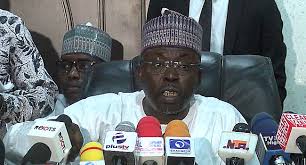
RE: ALLEGED VIOLATION OF PUBLIC TRUST AGAINST NATIONAL EMERGENCY MANAGEMENT AGENCY (NEMA) BY THE HOUSE OF REPRESENTATIVES COMMITTEE ON EMERGENCY AND DISASTER PREPAREDNESS
1) Distinguished members of the press corps, Good Afternoon.
2) I would like to thank you all for coming to this Press Conference. This Conference was called to provide an open platform to discuss the conclusions in the report of the House Committee on Emergency and Disaster Preparedness dated 8th November 2018.
3) As you are aware, the National Emergency Management Agency (NEMA) is an Agency charged with the responsibility of Disaster Management in Nigeria and coordination of responses to emergencies.
4) Disasters either Natural or Man-made, always have adverse consequences to the people in the impacted areas. Disasters or emergencies can be in form of famine, flooding, fires, draught, epidemic, earthquake etc which often result to displacements of people, as well as massive repatriation of stranded Nigerians from other countries.
5) Our responsibilities as provided in the NEMA’s enabling Act, is to respond to disasters in a more effective, efficient and transparent manner. We strive to minimise the suffering of the people affected by Disaster and hence our Motto: ‘For the Distressed!’.
6) Therefore, to insinuate this sacred duty of saving lives and provision of livelihoods was abused is a very difficult pill to swallow, not only for me, but for many members of my team as well as our partner Agencies such as the Military, Police and International Humanitarian Agencies.
7) To provide context on the funding of North East humanitarian response, the budget of the United Nations Office for the Coordination of Humanitarian Affairs (UN-OCHA) for the period January to April 2017 was $1.05 Billion. The sum of $590 Million was for food and nutrition. As at April 2017, only the sum of $94.8 Million was provided by the donors.
See the Report of UN-OCHA on the Nigerian Humanitarian Dashboard published on 23rd May 2017.
This meant that we had a shortfall of $495.8 Million in food funding.
For the period May to October 2018, when the Federal Government Emergency Food Intervention for the North East was being implemented, the World Food Programme net-funding requirement was $230 Million.
8) Just to re-emphasise, we are not here to come up with excuses. Today, this public response is an obligation as a Government to adequately inform Nigerians of what truly happened. The confidence Nigerians have on NEMA and its capability to respond in their most difficult time of need cannot be tarnished. Nigerians need to be rest assured that NEMA is, was and will always remain “FOR THE DISTRESSED”.
Donated Rice by the People’s Republic of China
9) The Peoples Republic of China, as a gesture of its brotherly relations with the Federal Republic of Nigeria donated 6,779 metric tonnes of rice to Nigeria as part of its support to the North East humanitarian efforts. This is equivalent to 135,550 units of 50kg bags of rice. In total, 271 containers, arrived at Apapa Port from China in 5 shipments between June and October 2017.
10) In its mandate as the coordinating ministry for all Foreign support, the Federal Ministry of Budget and National Planning received this kind gesture on behalf of the Nigerian Government. I will like to emphasise that while the Ministry of Budget and National Planning was the liaison with the Chinese Government, the Ministry of Agriculture and Rural Development was the consignee of the Shipments.
11) Considering NEMA’s mandate as it relates to humanitarian intervention, we were instructed to take the responsibility of port clearing and ultimate movement of the rice to the North East.
12) The original Shipping documents and Custom Exemption Certificates were handed over to NEMA by the Ministry of Budget & National Planning (MB&NP) in December 2017 and January 2018. Thereafter NEMA commenced the immediate clearing and subsequent haulage of the donated rice to Maiduguri, Damaturu, Yola, Jalingo, Gombe and Bauchi.
13) Being a donated consignment, it required duty exemption and other waivers before Clearing. The Government had restricted the importation of Rice; hence the process of getting the proper documentation also took extra time.
14) The total cost of Shipping and storage charges for the 271 containers was N518 million. We have all the receipts to prove this. The actual cost of the donated rice is N2.24 billion (50.05 Million Chinese Yuan).
15) The invoices by convention bears the consignee’s name. However, NEMA being the Agency that cleared the goods made the payments on behalf of the Federal Government of Nigeria (FGN).
16) The companies that were engaged for clearing the donated rice were duly registered with NEMA, ITF, NSITF and PENCOM with relevant documents submitted to NEMA which formed the basis for the award of the contract.
17) To further justify that the items were received on behalf of the Federal Government, they were delivered into NEMA warehouses in Gombe, Borno, Yobe and Adamawa, and warehouses provided by the State Governments in Bauchi, Taraba and Yobe. The Chinese Rice was used for monthly feeding of the IDPs specifically in Adamawa, Borno and Yobe States with balance in stock at Gombe, Bauchi and Taraba.
Receipt and Utilisation of 1.6bn for Flood Victims In 16 States
18) The Agency as a Disaster Management organisation has in place policies and procedures that guide its response to incidences.
19) There is Pre-assessment relief, post disaster response after conducting a Post-Disaster Needs Assessment (PDNA) and then Recovery/Rehabilitation. The first one requires immediate action, while the subsequent 2 involve detailed steps to be taken. The magnitude of the disaster determines the length of the time needed to address all issues identified such as nutrition, accommodation and livelihood support.
20) The practical case of Pre-assessment relief was that of the flood incident in Kebbi State which occurred on 30th April 2017 and NEMA responded, on 9th May 2017. Another instance was that of flash floods in Kogi State which occurred on 8th September 2017, and NEMA swiftly responded on 11th September 2017. These are clear cases of Pre-assessment response showing that the Agency was very sensitive to the plight of Nigerians immediately after the disaster.
21) In the case of the flood intervention in 12 States which was covered in the legislative report, N1.6 billion was released after the flood had occurred at different times in the respective States. We immediately conducted assessments and established the needs before moving in with relief materials.
22) The Agency delivered the items to the 12 States between September and November 2017, and subsequently the remaining 4 States.
23) Evidence of receipt of the items by the respective State Governments are available.
Funds Released for Emergency Intervention of Food Security In The North East
24) The Emergency Intervention of Food in the North East (EFINE) came into being due to a number of factors.
25) Firstly, due to the liberation of many captured territories in the North East, there was an increase in the number of citizens previously held in these locations controlled by Boko Haram. Many of these citizens moved into IDP camps or host communities. So the demand for food significantly increased.
26) Secondly, the conflicts in the region destroyed most of the arable lands in the areas. So the food production in the North East declined.
27) Many of our partners in the international donor communities were very active in providing humanitarian aid in the area in the form of food, medical and livelihood support.
28) However, on 15th April 2017, United Nations World Food Programme (UN WFP) alerted the FGN that it would be reducing its vital support to about 1.8 million IDPs by as much as 85%, due to corresponding reduction in funding by the donor countries.
29) The WFP requested the FGN’s support to augment this shortfall and avert any additional suffering on the displaced Nigerians in the zone. Based on the analysis presented, the WFP shortfall would commence by May or June 2017.
30) Around the same time, the United Nations Commission for Refugees in Geneva also issued a warning of growing risk of mass death from starvation among people living in conflict areas, including Nigeria.
31) These alerts led the Federal Government to constitute a Presidential Committee comprising of;
a. His Excellency, the Acting President,
b. Hon. Minister of Finance,
c. Hon. Minister of State, Budget and National Planning,
d. Hon. Minister of Agriculture and Rural Development,
e. Governor, Central Bank of Nigeria,
f. Deputy Chief of Staff to the President,
g. Senior Special Assistant to the President (Office of the Chief of Staff),
h. Special Assistant to the President (Planning & Coordination) and
i. Special Assistant to the CBN Governor.
32) The project demand was a clear case of emergency.
33) At the time, the Central Bank of Nigeria through its Food Security Programme had access to 30,905 Metric tonnes of assorted grains located in warehouses across the country.
34) The arrangement was for the Federal Government to procure these grains from the Food Security Programme at a cost plus model. This means the original costs of the grains plus addition costs such as insurance, fumigation, storage and a nominal interest and margin.
35) After conducting a tour by the NEMA team to the various warehouses to confirm the existence and quality of these products, it was agreed that logistical arrangements needed to be made to move these grains from various warehouses in Ibadan, Funtua, Kano, Gombe and Kaduna to the North East.
36) It is important to note that these 30,905 MT is equivalent to 1,030 trucks of 30 tonne capacity. This means we were transporting 618,100 units of 50 kg bags. These grains would cover between 3 to 4 months of food supply to the IDPs. At the time, we could not provide actual timing estimates as the rainy season was about to commence and for those who know the North East, a number of areas, such as Rann would be totally cut off once the rains kicked in there by restricting our movements.
37) The movement of these goods from the grain warehouses to the North East was coordinated by the Nigerian policy force and in the Red Zone by the Military.
38) The trucks moved in convoys of 10, escorted by 2 police pilot vehicles. The monitoring of this movement was coordinated by an Assistant Inspector General of police working with the respective Commissioners of Police in each transit state.
39) The vehicles carrying these grains were also monitored by digital tracking systems coordinated through the NEMA logistics base in Maiduguri.
40) There was no reported case of a single bag of grains that got missing in this movement.
41) In the North East, the goods were received in 3 main warehouses – the NEMA warehouses in Gombe, Borno, Yobe and Adamawa, and warehouses provided by the State Governments in Bauchi, Taraba and Yobe. In Yobe State, Military warehouses were also used. It is from these warehouses that the goods were eventually moved to the IDP camps, host communities and liberated areas for distribution.
42) Once again, let me emphasise, this operation was coordinated by the Nigeria Police backed by satellite tracking and supported by way bills that confirm the despatch and receipt of goods. Store Receipt Vouchers (SRVs) and Store Issuance Vouchers (SIVs) were also used.
43) In the North East, we adopted the policy of House-to-House direct distribution system, led by NEMA, along with SEMAs and I-NGOs/volunteers using Voucher System issued to the beneficiaries.
44) The House-to-House direct distribution system was a more humane system: where the food items were delivered to the IDPs doorsteps as against the usual practice of queuing up. History has shown that sometimes, long queue of IDPs under the sun led to civil disturbances or exhaustion. A register of households was also maintained for further record keeping.
45) The movement of the goods from the central warehouses to the IDP locations was coordinated by the Nigeria Military under the command of a Navy Admiral who relocated to Maiduguri from the Defence Head Quarters. We started with the IDP camps. For the more remote areas, our movements were guided by the rains, security and intelligence reports.
46) The EFINE logistics command worked hand in hand with the Operation Lafiya Dole leadership team. The EFINE military team had representatives from the Army, Navy and Air Force. The team was supported by Police HQ as well as State Commands
47) The movement of goods were in military convoys backed by the Nigerian Air Force who provided aerial cover to ensure the convoys were not ambushed. Several reports have also indicated that Boko Haram camps also had food shortages and they had been attempting to attack food warehouses. So as we feed our citizens in these remote and reclaimed locations, we also had an obligation to ensure that the food did not end up in the hands of the terrorists.
48) In each location, the battalions overseeing the reclaimed territories provided security for the grains and NEMA officials managing the distribution.
49) Proper enumeration of the IDPs across the entire Zone was first conducted. Prior to the distribution, a serially numbered voucher is issued to each Household and on the day of distribution the voucher being the identification of the Households to the distributors is ascertained and verified, thereafter the quantities corresponding to the number of Households is then released to the leader of the Households at his doorstep, and the vouchers is punched. This is repeated every month. The distribution was on a “food basket” basis. We had carbohydrate (maize, sorghum, millet) and protein (soya beans). Each household received the equivalent of 50 kg per month.
50) The project was kicked-off by His Excellency the Acting President in Maiduguri, Borno State on 8th June 2017, with the Borno State Governor, Bauchi State Governor, Yobe State Deputy Governor, National Security Adviser, Chief of Staff to the President and several National Assembly Members were all in attendance. Thereafter, the delivered items were inspected in the NEMA warehouse by the Vice President and other dignitaries. We also displayed our digital tracking centre that was monitoring the movement of the trucks.
51) Following this kick off, His Excellency the Acting President, invited all National Assembly Members from the North East and their Governors for a meeting on 16th June 2017. This consultative engagement was to get their inputs on the programme implementation. It was agreed that the members of National Assembly will also nominate their representatives as observers. It is on record that some of the members participated during the distribution exercise by providing some representation.
52) As part of the process of monitoring the project, a visit was undertaken by the Minister of State Budget and National Planning on 7th and 8th August 2017 to Bauchi, Yola and Maiduguri. This monitoring team included most members of the EFINE. During those visits, no major issues were raised by the States. Furthermore, throughout the entire process, we did not receive any feedback, positive or negative, on the process. Taking into account the open door policy we had taken, as well as the long tenure of the project (over 4 months), there were many avenues for these issues to be raised to both NEMA or the Acting President.
53) Once again, let me reemphasise that these foods items were delivered into NEMA warehouses in Gombe, Borno, Yobe and Adamawa, and warehouses provided by the State Governments in Bauchi, Taraba and Yobe. In Yobe State, Military warehouses were also used.
Release of N3,153,000,000.00 To NEMA for Food Intervention to the North East
54) The Federal Government approved the release of 5,000MT to WFP upon their request in May 2017. The following facts informed the decision of the Presidential Committee:
a) The request by WFP to import the Rice will have had a direct negative impact on Government position against Rice importation. It would have left rice farmers with unutilised stock of paddy and millers with unsold stock of rice.
b) The permission sought to import the Rice comes with additional request for waiver on duty and associated taxes.
c) WFP being a donor-funded Agency, their activities are for the benefit of Nigerians and the 5,000MT approved for release was meant to be distributed to Nigerian IDPs in the North East.
d) Indeed, included in there submission is a request for the FGN to donate rice.
e) It was true that WFP offered to import the Rice at N11,500/bag. This price assumed zero duty. It is important to note that imported rice attracts a 60% duty and levy. The Government proposed that WFP should buy locally at market rates instead of importing at concessional rates. This means they had a shortfall in the quantity when compared to their budget, hence the decision of Government to augment the shortfall by releasing the 5,000MT for onward distribution to the IDPs. This scenario resulted in two benefits to Nigeria. The first is our farmers had an offtake. And secondly, our IDPs received their interventions.
f) The 5,000MT given to WFP attracted some associated logistics cost, which was paid by them in recognition of Government effort in meeting the need of the IDPs.
The balance of 5,000MT was allocated to NEMA for distribution.
Massive Evacuation of Stranded Nigerians from Libya
55) There was an international outcry on cases of slavery in Libya towards the end of 2017, which informed the decision of Government to commence the Massive Evacuation of Nigerians from Libya.
56) The evacuation of stranded Nigerians from Libya was a multi-agency operation, with the following stakeholders: Ministry of Foreign Affairs, Ministry of Interior, Federal Ministry of Health, the Nigerian Army, the Nigerian Air Force, National Intelligence Agency, Department of State Security, NAPTIP, National Commission for Refugees, relevant State Governments, etc. which was carried out between 26th December 2017 and 22nd February 2018.
57) Operationally, we commenced with a Fact-finding Mission to authenticate the data and information supplied. We then deployed a technical team in Libya as well as Monitoring and Evaluation teams. Back home, we established a Reception Center in Port Harcourt to receive the returnees.
58) The operation commenced smoothly but had to abruptly be terminated due to rising insecurity in Libya that impacted its airport and skies. At the time the project was terminated, Two Thousand, One Hundred and Thirty (2,130) Nigerians were evacuated as against the 5,037 earlier estimated. However, alternative arrangements were made to evacuate the remaining Nigerians trapped in the Militia-controlled area. We worked leveraging on the existing MoU between NEMA and International Office for Migration (IoM) and this has resulted in further evacuation of 3,303 Nigerians. I am pleased to say all repartees under the Federal Government project are safely home.
59) This operation was highly successful with prudent fund management after which the unspent balance was returned to the coffers of Government. The sum of N102,714,095.00 and $4,864,224.00 was graciously approved by Mr. President for the entire project and the balance of N11,039,555.00 and $2,528,073.00 was returned to the Treasury respectively.
CONCLUSION
60) I hope this explanation sheds more light on the activities of NEMA as it relates to the allegations made in the report of the National Assembly House Committee on Emergency and Disaster Preparedness. The projects and programmes above presented are properly documented; Waybills, SRVs, SIVs, and stubs where vouchers were used are all available.
61) We will continue to execute our mandate to the best of our ability.
62) We will continue to consult and engage all stakeholders as our mandate is meant to be inclusive and value adding.
63) We will ensure that the confidence Nigerians have in NEMA during their time of need is sustained and enhanced.
64) In conclusion, NEMA is and will forever remain FOR THE DISTRESSED.
Thank you for Listening
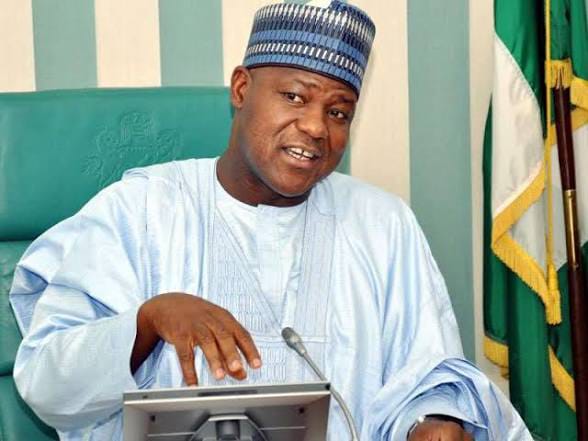
Former Speaker of the House of Representatives and Chairman of the Board of the National Credit Guarantee Company Limited (NCGC), Rt. Hon. Yakubu Dogara, CFR has expressed deep sorrow over the Nigerian Air Force aircraft crash that claimed the lives of 32 persons near Igbokoda, Ondo State. Dogara described the tragedy as a heartbreaking loss to the nation, noting that the deaths of the victims have left a painful void in the country’s defence and security community.
In a statement, the former Speaker extended his condolences to President Bola Ahmed Tinubu, Commander-in-Chief of the Armed Forces, the Nigerian Air Force, and the families of those who perished in the unfortunate incident.
He said the nation shares in the grief of the bereaved families and the Armed Forces at this time of immense sorrow, adding that the sacrifices of those who lost their lives in service to the country will not be forgotten. “The nation mourns with the families of the deceased and stands in solidarity with the Armed Forces during this difficult period,” Dogara stated.
He also commiserated with the Chief of Air Staff, officers and men of the Nigerian Air Force, praying that God grants them the fortitude to bear the painful loss.
According to him, moments such as this call for national unity, reflection and collective support for the families and institutions affected by the tragedy.
Dogara paid tribute to the victims, describing them as patriotic Nigerians whose commitment and service contributed to the security and stability of the nation. He further applauded the efforts of emergency responders, rescue teams and all personnel involved in the aftermath of the crash, commending their courage and professionalism under difficult circumstances.
The former Speaker prayed God to comfort their families, friends and colleagues.
He also offered prayers for the safety and protection of members of the Armed Forces and for continued peace, unity and progress in Nigeria.
The Nigerian Air Force aircraft crashed near Igbokoda, Ondo State, resulting in the death of 32 persons and plunging the nation into mourning. Authorities are yet to make public the cause of the accident as investigations continue.
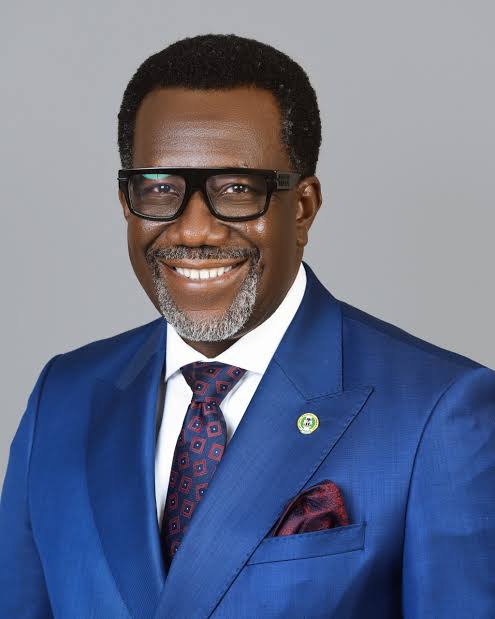
The Centre for Credible Reforms and Institutional Accountability (CCRIA) has commended the Commissioner for Insurance and Chief Executive Officer of the National Insurance Commission (NAICOM), Mr Olusegun Ayo Omosehin, for promoting transparency and accountability in the ongoing reforms of Nigeria’s insurance industry.
The centre said the implementation of the Nigerian Insurance Industry Reform Act (NIIRA) 2025 had ushered in a new phase of development for the sector, with stronger regulatory standards, improved capitalisation and greater emphasis on protecting policyholders.
Dr Aminu Abubakar Aminu, president of the centre, said this in a statement at the weekend.
Aminu commended President Bola Tinubu and the National Assembly for the enactment of NIIRA, describing the legislation as a major step towards addressing longstanding challenges in the insurance industry.
“The enactment of the Nigerian Insurance Industry Reform Act is a significant milestone in the development of Nigeria’s insurance sector. We commend Mr President and the National Assembly for recognising the need to modernise the legal and regulatory framework governing the industry. NIIRA provides the foundation for an insurance sector that is better capitalised, more accountable, more responsive to policyholders and better equipped to contribute meaningfully to the Nigerian economy,” he said.
The centre also praised Omosehin for his leadership of NAICOM, saying his extensive experience as an insurance professional had positioned him to effectively implement the new regulatory framework.
“We consider the appointment of Mr Olusegun Ayo Omosehin as Commissioner for Insurance and Chief Executive Officer of NAICOM a timely and appropriate decision. He is a seasoned insurance professional with many years of experience in the industry, and his understanding of the sector gives him the practical knowledge required to lead an important reform process of this nature. We commend him for the direction he has provided since assuming office and for his commitment to strengthening the industry,” Aminu said.
According to the centre, the ongoing recapitalisation exercise was among the important steps taken to strengthen the financial capacity of insurance companies and improve their ability to meet obligations to policyholders.
Aminu said the reforms were already producing early gains and should be sustained through consistent implementation.
“The early developments under NIIRA demonstrate that the reform is not merely a legislative exercise but a process capable of producing measurable improvements in the industry. Stronger capital requirements, improved supervision and greater attention to policyholder protection will ultimately create an insurance market that Nigerians can trust. We encourage NAICOM to remain focused on the implementation of the Act and to continue providing clear guidance to operators and other stakeholders,” he said.
The centre noted that the reforms would also help deepen insurance penetration and strengthen the industry’s contribution to national economic development.
It urged insurance companies, brokers, reinsurers, professional bodies and other stakeholders to embrace the new framework and work with NAICOM to achieve the objectives of the legislation.
“The success of NIIRA will require the cooperation of every stakeholder in the insurance ecosystem. Operators must see the reforms as an opportunity to strengthen their institutions, improve their services and regain the confidence of Nigerians. A well-regulated insurance industry can mobilise long-term capital, protect businesses and households against risks and support investment and economic growth. These are benefits that go beyond the insurance industry itself,” Aminu said.
Aminu emphasized that the centre was particularly encouraged by the emphasis on policyholder protection under the new framework, noting that public confidence remained critical to the growth of insurance in Nigeria.
He said Nigerians should be able to purchase insurance products with confidence that operators had the financial capacity and institutional structures required to honour legitimate claims.
The president further urged NAICOM to sustain its engagement with stakeholders while ensuring that the provisions of NIIRA were implemented transparently and consistently.
“What is required at this stage is continuity, professionalism and commitment to the objectives of the law. The reforms must be sustained beyond the initial implementation period so that the gains can become permanent features of the industry. We believe NAICOM, under the leadership of Mr Ayo Omosehin, has an important responsibility to ensure that the momentum is maintained, and we encourage all stakeholders to support the commission in delivering on this mandate,” he said.
The centre said the successful implementation of NIIRA would strengthen confidence in the insurance sector, improve the protection available to policyholders and position the industry to play a greater role in Nigeria’s economic transformation.
It also called for continued collaboration between NAICOM, insurance operators and other stakeholders to ensure that the objectives of the new law were fully achieved.
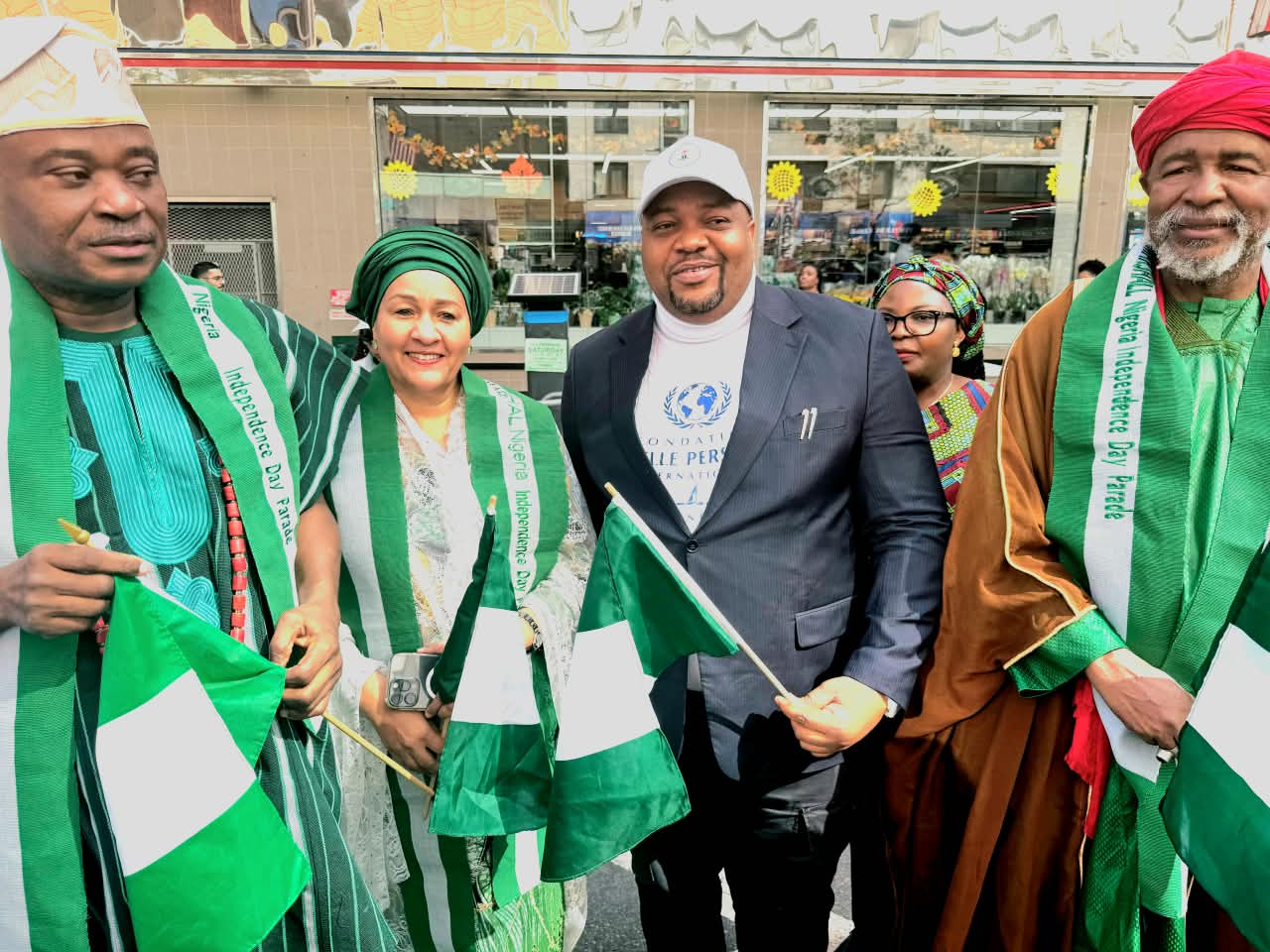
As Nigerians from across the United States gathered in Manhattan to celebrate Nigeria’s Independence Day in grand style, Hon. Amb. Jim Okolo used the occasion to share an inspiring message about Nigeria’s immense possibilities, rich cultural heritage, and promising future.
Speaking with members of the media during the colourful celebration, Hon. Amb. Okolo described Nigeria as one of the most blessed nations in the world, endowed with abundant natural resources, a dynamic population, and a cultural heritage that continues to earn global recognition.
According to him, Nigeria possesses enormous deposits of valuable minerals and other natural resources that, if fully harnessed, can accelerate economic growth and create prosperity for millions of citizens. He noted that the country is strategically positioned to become a leading destination for investment in mining, agriculture, technology, manufacturing, and infrastructure development.
Beyond its natural wealth, Hon. Amb. Okolo emphasized that Nigeria’s greatest strength remains its people. He praised the creativity, resilience, intelligence, and entrepreneurial spirit of Nigerians, pointing out that Nigerian professionals, innovators, academics, and business leaders continue to excel in various sectors across the world.
The respected diplomat also spoke passionately about Nigeria’s unique cultural identity. From the colourful festivals of its diverse ethnic groups to its globally celebrated music, fashion, literature, cuisine, and film industry, he described Nigeria as a nation whose cultural influence extends far beyond its borders.
He noted that Nigeria’s diversity is one of its greatest treasures, bringing together hundreds of ethnic nationalities with distinct traditions and languages that collectively form a vibrant and unified national identity.
While addressing questions on security, Hon. Amb. Okolo maintained that although Nigeria faces certain security challenges, the situation is not always as severe as often portrayed by social media discussions and sections of the international media. He stressed that millions of Nigerians continue to live, work, study, invest, and contribute meaningfully to society every day.
He called on the international community, investors, and members of the diaspora to focus on Nigeria’s strengths, opportunities, and achievements rather than allowing negative narratives to define the country’s image.
“Nigeria remains a land of opportunity, innovation, and hope. It is a nation blessed with extraordinary human capital, abundant resources, a rich cultural heritage, and a people whose determination and resilience continue to inspire the world,” he said.
The celebration was attended by several distinguished personalities, including the United Nations Secretary-General, Hajia Amina Mohammed, the Nigerian Ambassador to the United Nations, diplomats, business leaders, community stakeholders, and prominent members of the Nigerian diaspora.
The event transformed parts of Manhattan into a vibrant showcase of Nigerian pride, featuring cultural exhibitions, traditional performances, business networking sessions, authentic Nigerian cuisine, and displays highlighting the country’s achievements and diversity.
Adding excitement to the festivities were thrilling performances by internationally acclaimed Nigerian music stars Patoranking, Runtown, and BNXN (formerly known as Buju), who entertained thousands of attendees and demonstrated the growing global appeal of Nigerian music.
As the celebration came to a close, the message from Hon. Amb. Jim Okolo resonated strongly among participants: that Nigeria is far more than the challenges often highlighted in headlines. It is a nation blessed with extraordinary talent, vast opportunities, cultural richness, and the potential to achieve even greater success on the global stage.


Scholars Hail Late Sheik Kamalu-deen’s Legacies iN Education, Leadership

Dogara Mourns Victims of Air Force Plane Crash, Condole President Tinubu, Military

The changing face of Nasarawa at 30

-
 Uncategorized6 years ago
FG, states urged to harness flooding for ranching, others with technology – Agbaje
-
 Headlines11 years ago
Breaking: EFCC seals Borno House of Assembly, as Hon members take to their heels
-
 News12 years ago
Nigeria Security Operatives Stage Manhunt For Homosexual Perpetrator
-
 News10 years ago
How 21-year-old Girl fled community over accusation of lesbianism
-
 News11 years ago
Yobe Gov Moves Against Deputy
-
 Opinion7 years ago
7 signs she has friend zoned you
-
Technology5 years ago
Online job placement company headhunts women
-
 Headlines10 years ago
Borno Dep Gov Abducts Another Church Leader