
Politics
Group Condemns Petition to Pope Leo XIV against Alia

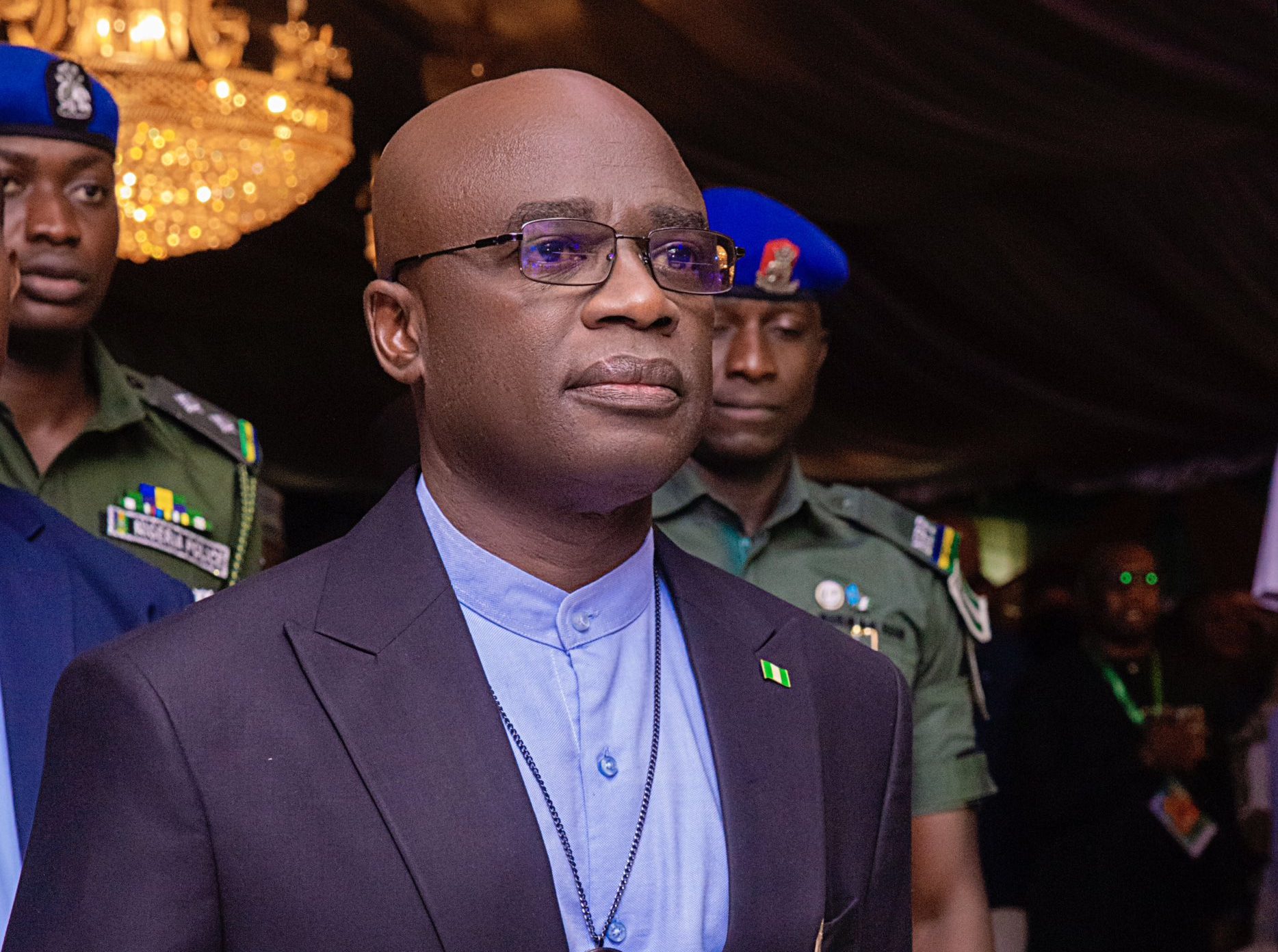
Political appointees from Mbayongo Council Ward of Vandeikya Local Government Area of Benue State have condemned in strong terms, a petition written by a member of the Ward to Pope Leo XIV, against the Executive Governor of Benue State, His Excellency, Rev. Fr. Dr. Hyacinth Iornem Alia.
The petitioner, Mr. Joseph Waya, a former Gubernatorial candidate of the All-Progressives Grand Alliance (APGA) in the 2023 has in the petition, addressed to the Apostolic Nuncio, Archbishop Michael Francis Crotty, Waya alleging that Alia has brought the Catholic Church in Nigeria to disrepute through his actions in office.
In a joint press release by appointees from Mbayongo Council Ward on behalf of stakeholders, signed by the trio of Barr Seember Wayo, Principal Special Adviser (PSA) to the Executive Governor on Legal Matters; Rev. Solomon Semaka, PSA on National Programs, CSOs, Voter Education and Strategic Interventions; and John Akuse Special Advisor on SDGs, the stakeholders dismissed the petition as a frivolous character assassination campaign.
Full text below;
Democracy offers us multiple avenues to decently air out views, both as opposition politicians and members of the ruling party. The role played by opposition politicians especially through constructive criticism is germaine in sustaining democracy, serving as checks and balances to those in power. However, when opposition elements decide to abuse such powers, it is the duty of men of conscience to set the records straight.
It is on this note, that we the undersigned as critical stakeholders have decided to condemn in totality, the shameful outing of Joseph Waya, who is himself from Mbayongo Council Ward like us but has taken the unpopular path of disparaging a government that has given so much to Mbayongo people in terms of appointments and infrastructural development prospects.
As true sons of Mbayongo who are serving His Excellency, Rev. Fr. Dr. Hycainth Iornem Alia in different capacities, Joseph Waya’s petition to the Catholic pontiff smacks of nothing but bitterness, unhealthy rivalry and childish voyage of lies and distorted facts to gain popularity ahead of the next general election having been roundly defeated in the last general election by Governor Alia.
Mr. Joseph Waya, a former Gubernatorial candidate of the All-Progressives Grand Alliance (APGA) in the 2023 general election has alleged through a petition addressed to Nigeria’s Apostolic Nuncio, Archbishop Michael Francis Crotty, that Alia has brought the Catholic Church in Nigeria to disrepute through his actions in office. This is a baseless lie that has no connection with the realities on ground in Benue and Nigeria at large. For a Governor that is receiving awards and accolades across the country for his excellent stewardship, Waya’s claim can best be described as a joke of the century.
We, therefore, dismiss his petition as a desperate execution of a poorly orchestrated frivolous character assassination campaign plot by disgruntled losers. As stakeholders and a voice of the good people of Mbayongo Council Ward, we are disappointed by the poor and acrimonious outing of a son of the soil who has descended so low to attack the person and office of the Executive Governor of Benue State to feed his fading political ego. This show of shame is nothing but blatant act of character assassination campaign, deep rooted in political rivalry occasioned by the petitioner’s inability to move on after his abysmal defeat at the polls.
For someone who claims Catholic roots, Joseph Waya’s choice of blackmail and propaganda as a weapon to get the Governor’s attention invalidate his claims and exposes him as one whose spurious campaign of calumny is just another attention seeking charade to gain popularity ahead of the 2027 general elections which he intends to contest.
With zero political, social and religious relevance to Mbayongo people, Waya’s antics must be seen for what they truly are; a deliberate attempt to sabotage developmental efforts of Mbayongo stakeholders and to pitch the Governor against the people of Mbayongo Council Ward. Fabricating lies and distorting facts by alleging financial misconduct in an administration that’s built solidly on transparency, accountability and efficient use of scarce resources is callous, malicious and highly unacceptable.
It is amusing that the petitioner chooses to rely on ‘Zebra Reporters’, an obscure online blog, instead of referencing the Auditor-General’s reports, budget performance documents, and anti-corruption agencies such as the Economic and Financial Crimes Commission (EFCC) in matters of financial misconduct. This exposes not just the hypocrisy behind this outing but its lack of debt.
Joseph Wayas Catholic-Christian background as alluded in the petition is questionable. The claim that there are no meaningful projects on ground is a complete misrepresentation of reality as the Alia administration has executed and is still executing numerous legacy projects within just two years. If Wayas is not a pathological liar then he is clearly a bad Catholic who is alive for bad faith and doom.
The indisputable fact remains that Benue state under Rev. Fr. Hyacinth Alia is on a fast developmental trajectory as evidenced by the many road projects that are ongoing across Makurdi, Gboko, Otukpo, Kwande and other local government areas, with many already commissioned. Worthy of note is the recent pronouncements of the governor on new road networks within and across Mbayongo council ward, again we thank the governor for keeping faith with the people of Mbayongo who are fully behind his administration.
Salaries and pensions are being paid with unprecedented regularity, with civil servants in the state receiving their welfare packages latest 25th of every month. Hospitals are being rehabilitated and equipped. Schools are being renovated while teacher welfare is being prioritised. The Governor has also embarked on massive recruitment drives across different ministries in the state to inject fresh ideas into the Benue workforce.
Beyond this, the administration is already attracting global partnerships with various development partners like European Union, United Nations Development Programme (UNDP), International Organization for Migration (IOM) United Nations High Commission for Refugees (UNHCR) United Nations Human Settlement (UN-HABITAT). As we write this rebuttal, His Excellency is on his way to Abuja to the launch of the EU Funded Solutions for Internally Displaced Persons in Nigeria as the key Note Speaker on behalf of the other Fellow Governors of Yobe, Adamawa, Kano and Sokoto States. This project is in line with his dream of returning the displaced people of Benue State back to their ancestral homes. To insinuate that His Excellency has abandoned the people and the Anti-open grazing law and is hobnobbing with the Herder’s men is a lie from the pit of hell. Like His Excellency has always maintained, “we don’t talk security, we do security” Efforts at reconciliation of the Herders and Framers have reached advanced stage and this is part of what has endeared the European Union Delegation to Nigeria to Benue State. Ongoing Efforts with other partners such as UNIDO, GIZ, and AFC to industrialize the state and build a climate-smart economy are at advanced stages. These are already yielding results as many of the industries are almost completed with great prospects for enhancing the economic fortunes of the state.
We deem it fit, at this juncture to assure His Excellency, Governor Alia that the people of Mbayongo and indeed, all Benue sons and daughters are with him regardless of the number of baseless petitions flying around by unscrupulous politicians whose stock in trade is mischief. The Governor’s strategic rural roadmap and his industrial pursuits are well documented and appreciated by the masses and nobody on a wild goose chase can erase these footprints.
In conclusion we leave the good people of Benue State with this posers Apart from Governor Aper Aku and Fr Orshi Adasu of blessed memories, who has left any legacy projects within this short period of time in Office in the leadership of Benue State: Overhead bridges in Makurdi, Gboko, Repositioning of the State Civil Service, Massive employment of Benue indigenes recently by SUBEB, Renovation of abandoned PHCs, and Schools, construction and beautification of major roads not just in Makurdi but across the three senatorial zones, Lighted streets and suburbs etc.
Ladies and gentlemen, we shall conclude by passing a vote of confidence on the peoples Governor, His Excellency Rev. Fr. Dr. Hyacinth Iormem Alia whose tenure has brought unprecedented development, increased welfare, industrialization, job creation and the restoration of peace in areas ravaged by insecurity. Those who seek to tarnish the Governor’s impeccable leadership credentials must be exposed and shamed by Benue people. Governor Alia will complete his 4+4 tenure this is not negotiable.
Finally, without meaning to take up any arms against our own, we dare our brother, son and husband to show case his contribution to the Yongotiev community to warrant these attacks on the first Governor to recognise that we have developmental needs and has come to our aid?
Politics
Eggon Political Forum Endorses Ombugadu as Consensus Candidate for 2027 Nasarawa Governorship Race
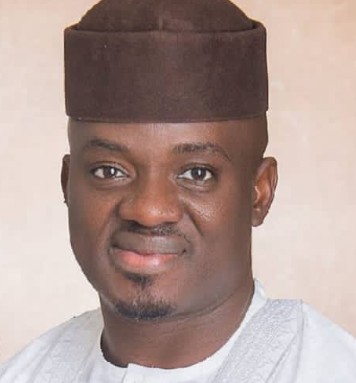
In what many observers are describing as a watershed moment in the political history of Nasarawa State, the Eggon Political Forum has officially endorsed Rt. Hon. Dr. David Emmanuel Ombugadu of the Peoples Democratic Party (PDP) as the consensus candidate of the Eggon Nation for the 2027 governorship election.The announcement was made at a grand assembly held at Albert Event Hall in Nasarawa Eggon Local Government Area, where leaders, stakeholders, and representatives of diverse groups gathered to deliberate on the future of Eggon political aspirations. The Forum, a non-partisan body devoted to fostering unity and political stability among the Eggon people, emphasized that the decision was the product of months of consultations, assessments, and feedback from across the state and beyond.The Forum acknowledged that six prominent Eggon sons had secured party tickets for the governorship contest, namely: Hon. Shuaibu Umaru Kubi (ACCORD), Gen. Nuhu Angbazo (ADC), Hon. Chris Mamman (ADP), Hon. Ibrahim Kassimu Aboh (APGA), Rt. Hon. Dr. David Emmanuel Ombugadu (PDP), and Mr. John Tanko Kigbu (YPP). While commending all six candidates for their courage and commitment to public service, the Forum explained that the need for unity and collective interest compelled them to adopt a single candidate. This, they argued, would prevent the fragmentation of Eggon votes and strengthen the community’s chances of producing the next governor of Nasarawa State.According to the communiqué, the Forum’s assessment was guided by several political considerations: party stability, grassroots presence, popularity across the state, structural strength of the political platforms, track records in previous positions of responsibility, governance experience, and manifesto credibility. On these grounds, Ombugadu was adjudged to be the most suitable candidate, having demonstrated consistency, political maturity, and a broad appeal across Nasarawa State.In a communiqué signed by Alh. Umaru Gwamna (Cingarin Eggon), Chairman of the Forum, and Hon. Chief Istifanus Dennis Abaku (Dan Masani Akun / Uban Garin Ende), Secretary, the Forum appealed to the other five Eggon candidates to rally behind Ombugadu in the spirit of unity. “We respectfully appeal to the five other candidates to kindly support and rally round the adopted candidate to ensure victory in the forthcoming elections,” the Forum declared.The Forum further extended its appeal to other ethnic nationalities in Nasarawa State, urging them to align with the Eggon people in supporting Ombugadu’s candidature. It stressed that while divergent interests are natural in politics, the collective interest of the land must remain supreme.Shortly after the endorsement, the Forum led a high-powered delegation to the palace of the Aren Eggon, His Royal Highness Justice Ahmed Ubangari Alaku, to formally notify him of the resolution. Speaking on behalf of the Forum, Chairman Alh. Umaru Gwamna briefed the paramount ruler on the aims and objectives of the Forum and explained the decision to adopt Ombugadu as the consensus candidate. He emphasized that the Forum deemed it necessary to seek the royal father’s advice and blessings as the Eggon Nation embarks on this united political journey.In his response, the Aren Eggon commended the Forum for its efforts to unite the Eggon people and described Ombugadu as a “blessed son of the Eggon Nation” who has consistently made his people proud. He noted that Ombugadu is not only an asset to the Eggon Nation but to Nasarawa State at large, wishing him success in the forthcoming governorship election. His Royal Highness also admonished all Eggon candidates and their supporters to shun politics of bitterness, propaganda, blackmail, and hatred, reminding them that leadership ultimately comes from God. “We as men can only do our human arrangements, but God alone can make it happen,” he cautioned.The royal father concluded by offering his blessings and wishing Ombugadu well in his political pursuit.The endorsement and royal affirmation are being hailed as a historic opportunity for the Eggon Nation, which has long aspired to produce the governor of Nasarawa State. With unity of purpose and the backing of traditional authority, the Forum expressed optimism that 2027 could mark the realization of this dream. Political analysts note that the move could significantly reshape the dynamics of the forthcoming election, as the Eggon people constitute one of the largest ethnic groups in the state. By consolidating their support behind a single candidate, the Forum hopes to maximize their influence and bargaining power in the wider political landscape.The Eggon Political Forum’s decision underscores the importance of unity, consultation, and collective interest in the pursuit of political power. As the countdown to the 2027 governorship election begins, all eyes will be on Rt. Hon. Dr. David Emmanuel Ombugadu, who now carries not only the weight of Eggon aspirations but also the blessings of their revered traditional ruler.
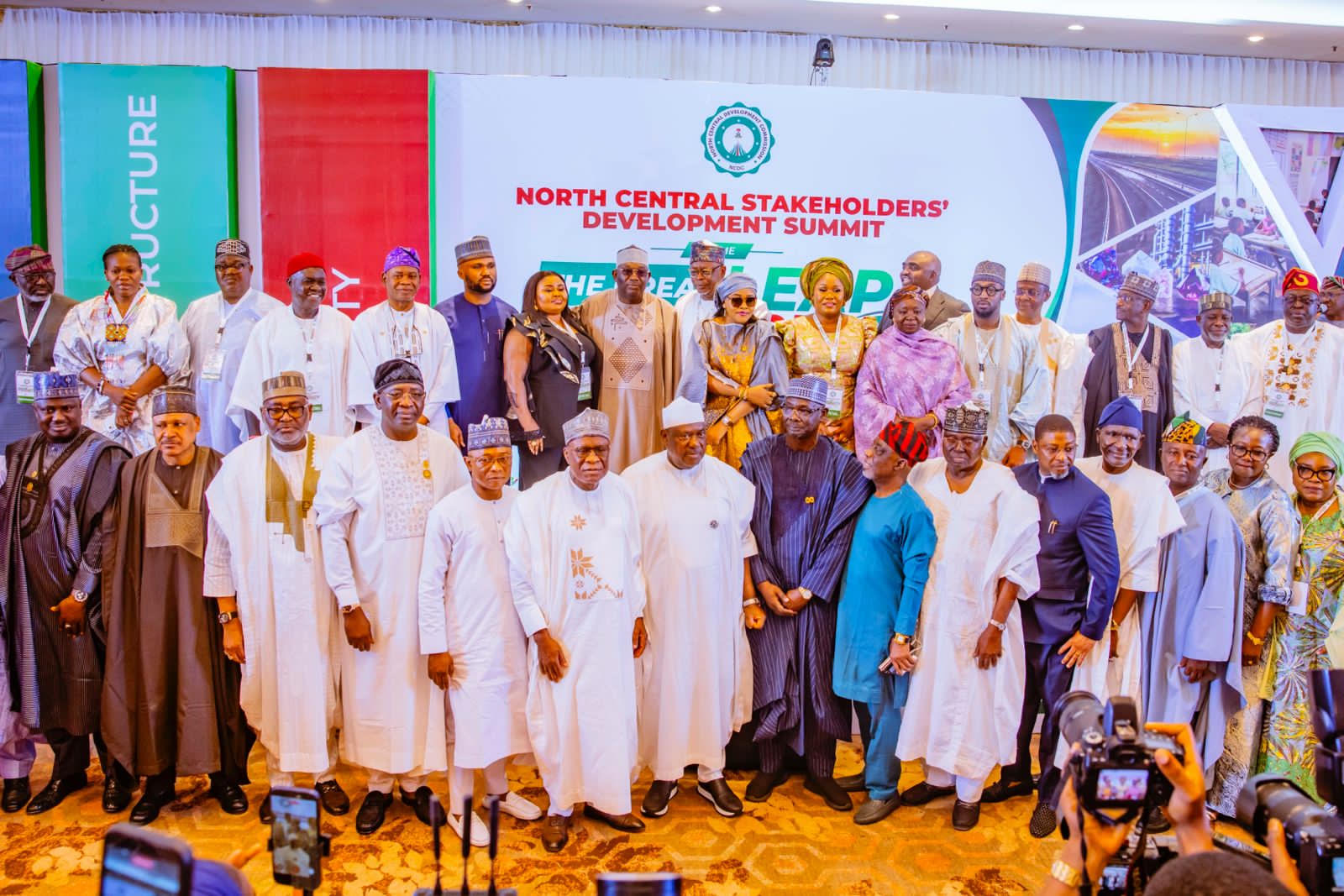
By Francis Wilfred
President Bola Tinubu has assured local and international investors that Nigeria remains open for business, saying his administration is implementing reforms aimed at creating a more predictable, competitive and investment-friendly environment.
Speaking through the Secretary to the Government of the Federation (SGF), Senator George Akume, at the 75th anniversary celebration of the Nigerian Bottling Company (NBC) in Abuja on Monday, the President said the government is addressing key challenges facing businesses under the Renewed Hope Agenda.
“Our message to investors, both Nigerian and international, is clear: Nigeria is open for business,” Tinubu said,
He noted that reliable infrastructure, efficient logistics, access to foreign exchange, stable regulations and a supportive tax system are critical to attracting investment and expanding production.
According to Yomi Odunuga, the President said ongoing economic reforms are designed to build a more productive and competitive economy, reduce dependence on imports, strengthen local manufacturing and create jobs for Nigerians.
Tinubu welcomed the Coca-Cola System’s proposed $1 billion investment in Nigeria over five years, announced in 2024, describing it as a strong vote of confidence in the country’s economy.
He said the administration is focused not only on the volume of investment attracted but also on its impact on employment, skills development, technology transfer and local sourcing.
“We are interested not only in the amount of capital that comes into Nigeria, but in what that capital does here,” he said.
The President also praised NBC’s continued expansion of production capacity, including new production lines in Oyo and Kano states, describing such investments as vital to strengthening Nigeria’s industrial base.
He reaffirmed the government’s commitment to improving policies, infrastructure and regulations to support businesses, while urging the private sector to complement government efforts through investment, innovation and job creation.
Tinubu further highlighted the importance of human capital development, commending NBC’s Supply Chain Academy for training over 1,400 young Nigerians and supporting women’s empowerment and community development initiatives.
He urged investors to take advantage of opportunities across Nigeria, expressing confidence that the country can build a stronger economy driven by local production, exports and globally competitive industries.
Politics
Kano Governorship: Accord Party Governorship Candidate Gashash Getting More Endorsement From Kano Electorates.

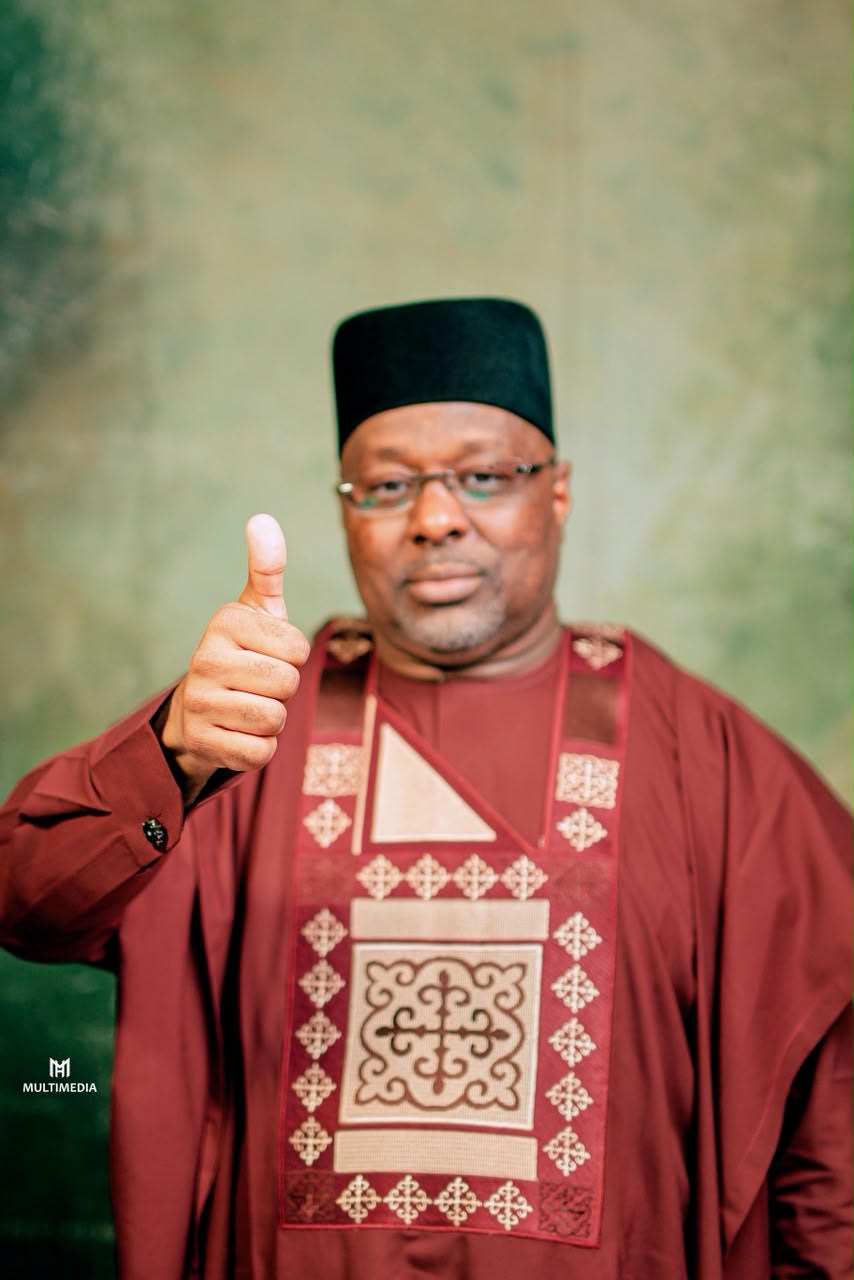
By Jabiru Hassan.


The movement for Democratic Protection and good governance (MDSG) declared it's full support to the Accord Party Governorship Candidate Ambassador Dr. Mukhtar Gashash in the forthcoming general elections.

In a chat with our correspondent in kano, the national president of the movement, Alhaji Dauda Mohammed Ali,  stated that it is time for the people of kano state to bring new steward who is seriously planning to transform the state with highest regard.

He expressed his confidence that Ambassador Dr Mukhtar Gashash will do his best to ensure that kano state becomes more examplary at both sector without bias which is the task previous administrators failed to achieve.

Alhaji Dauda Mohammed Ali reiterated that " this time around, our movement is working day and night to make sure that Kano people mostly youths remained Committed to actualize real change in the state's politics, leadership and transformation under the Accord Party government".

He called on the people of kano state especially the eligible voters to vote Ambassador Dr Mukhtar Gashash due to his Transformation plans for the progress of kano state and it's citizens at both Urban and rural settlements.

Responding to a question about Accord party's strength in kano state, Dauda Mohammed Ali disclosed that in today's democracy, competent candidates should be tipped for an elective positions not the popularity of the political parties stressing that Ambassador Dr Mukhtar Gashash has been found to be the best option for kano state due to his track record on competency, transparency as a real democrat.


NNRA Allegations: IADI Demands Evidence, Says Audit Queries Not Proof of Fraud

Alao-Akala’s Widow Urges Full Implementation Of LG Autonomy

PRESS STATEMENT BY AREWA DISCUSSION GROUP TITLED; PHRANK SHUAIBU: THE FACE OF A DUBIOUS, ROGUISH MERCHANT OF COUNTERFEITS

-
 Uncategorized6 years ago
FG, states urged to harness flooding for ranching, others with technology – Agbaje
-
 Headlines11 years ago
Breaking: EFCC seals Borno House of Assembly, as Hon members take to their heels
-
 News12 years ago
Nigeria Security Operatives Stage Manhunt For Homosexual Perpetrator
-
 News10 years ago
How 21-year-old Girl fled community over accusation of lesbianism
-
 News11 years ago
Yobe Gov Moves Against Deputy
-
 Opinion7 years ago
7 signs she has friend zoned you
-
Technology5 years ago
Online job placement company headhunts women
-
 Headlines10 years ago
Borno Dep Gov Abducts Another Church Leader