
News
Kwara APC and the mismanagement of ‘platter of gold victory’

By Tunde Akanbi
Not even the Chief Imam of Mecca or the Pope, in his seclusion, would have predicted that AbdulRahman AbdulRazaq, the incumbent Governor of Kwara State, would emerge the candidate of the All Progressives Congress, APC, during the shadow poll of the party held in Ilorin, the state capital, talk less of crowning it with victory in the last governorship election.
It is perhaps saved to describe this development as a manifestation of divine power over mere mortals.
In spite the fact that America and other developed nations of the world are above two hundred years old in democratic experimentation, the victory of the incumbent American President, Donald Trump, against the then much touted Hillary Clinton for instance, is still a big surprise and inexplicable to most Americans and other Nationals alike.
However, the difference between us, Nigerians and Africans and the developed nations, is that the latter shove aside politics after elections and prioritize real governance.
Politicians in developing countries, Nigeria inclusive, begin political bickering, hatred and anti-party activities immediately elections are over and even vow never to be part of the success of the party that won or the government of the day.
Now coming to my area of interest, and of great concern and worry is what has gained currency in Kwara State, particularly among the political class. During the 2019 governorship and other elections held in kwara state specifically, the electorate rolled out the drums to celebrate the victory of the APC, even surprisingly and particularly that of AbdulRahman AbdulRazaq.
Immediately after his swearing-in as governor, AbdulRazaq swung into action with attendant applause from every nook and corner of the 52 year old state. One thing that distinguishes the Governor is his modest way of doing things, coupled with his antecedents in the private sector where he cut his teeth and succeeded.
Even on the day he received his Certificate of Return at INEC office in Ilorin, he equally assisted the then Deputy Governor-elect, Mr Kayode Alabi, now Deputy Governor to collect his own Certificate of Return. This alone typifies the Governor’s certain degree of simplicity.
And from the onset, the Governor does not only go solo, he prefers less talks but swift actions. Little wonder that he has been, at various times, reputed for demystifying governance.
The question now is, how has his ideas, qualities or what some politicians would describe as weakness assisted or affected him in governing the state?
With the emerging internal wrangling in the ruling APC, out of which the opposition or those, who lost the contest to AbdulRazaq within the APC in the state could make fortunes of, pundits have become critical of the party as unprepared for governance but only to grab power from the “Saraki Dynasty” and from Senator Bukola Saraki in particular.
It is our hope and prayer that the APC slogan that started with “O to Ge”, which later metamorphosed to “O to Pe”, “Iseya” and “Ise nlo”, will not end up to “Ijaya”, meaning it is time for squabbles.
This is coming less than two hundred days in office of the present administration where all things being equal, the present government still has well over three and half years and even more to administer the state of harmony.
It is still fresh in our minds that the immediate past government spent years in office and were able to manage their differences as it were, probably because the government then had a leader it deferred to.
Is it not too early for the new bride of Kwara State, the APC to be heading for divorce?
I suppose, we have responsible and responsive leaders in the ruling party but it seems they are yet to come to terms with the defeat they have become synonymous to in the past. Apparently, it is now herculean for them managing the ‘unexpected’ success.
The wave at which the crisis in the party spreads, if care is not taken, may transcend the Tsunami that consumed the PDP from the political arena during the last election in Kwara State. I suppose, we still have elders in the APC in the state or is it my wishful thinking?
I was once told that the APC has no political godfather or a rallying figure in the state, hence nobody can lay claim to anybody’s victory at various elective offices. However, in a situation where some political bigwigs claim they are behind the victory of Abdulraman AbdulRazaq in the last gubernatorial poll, a rumour mill had gone viral that the Governor shut their mouth with ‘Egunje’. Whether it remains within the realm of speculation, the deal is between the governor and those they claimed he had settled.
But inspite of all the insinuations and presumed blackmail, the APC in the state has not run short of heavyweights and leaders of thought, who can resolve the raging political differences among the cleavages without carrying guns, daggers and machetes.
One is worried that the infighting has reached a stage where law enforcement agencies particularly the police, have to be dragged to the party’s gatherings to avoid bloodshed at different fora.
It is today the suspension of a group loyal to Alhaji Lai Mohammed, the Minister of Information from Igbomina, who some see as the leader of the party in the state and the Bashir Omolaja Bolarinwa BOB group, who is the incumbent Chairman of the party in the state from the same ethnic group with the minister while the following day is the suspension of another faction of the Governor from the Ilorin Emirate, who his loyalists see as their leader. There is a saying that two goats cannot drink water from a bowl simultaneously. But as proverbial as this is, such script is about to be enacted in the political stage of Kwara.
Unfortunately, they are both from two different ethnic blocks in the state that have cat and mouse political history since time immemorial. Except the true, the sincere and the incorruptible leaders of the same party quickly wade into this ugly and frightening development, Kwara might again suffer from the anticipated development we collectively bargained for .
Again, the bigwigs and money bags that are at the centre of the political logjam have to shift grounds for meaningful achievements and development to be physically seen in the four year tenure of the APC in the state so that they will not turn butts of joke in the eyes of Kwarans with the electorate watching the unfolding scenario.
Apart from the leadership tussle, the recent appointment of commissioners with women taken the lion share is again seen as slap on the faces of some aggrieved politicians even from the constituency of the Governor, because they claimed they were not consulted nor know about the nominations.
Different strokes to different folks. The appointment made by Abdulraman AbdulRazaq that some people were grumbling over, has received commendations from both within and outside the country. Even the international community applauded it.
This is so because women that were hitherto relegated in the scheme of things and confined to the other room (apologies to President Muhammadu Buhari), have now been brought to the front burner even above the initial recommendation of the Beijing Conference affirmation of 35% of women in political appointments as it were.
Just recently, about 176 different women groups under the umbrella of More Women Campaign Group converged in Abuja and commended AbdulRazaq for the bold initiative of nominating 56.25% women in his cabinet. Out of the sixteen commissioner-nominees, he allotted nine slots to women.
According to the Group, the questure will be remembered in history as the first of his kind in Nigeria.
The Group however, implored the concerned women to embrace the culture of inclusion, transparency and above all accountability to demonstrate the importance of women contributions to good governance.
It is not unlikely that Governor Abdulrazaq would soon be invited for international awards for this singular decision.
But did some of these grassroots politicians see it as an achievement? It is now left for the concerned women, who have been given this rare opportunity and responsibilities to rise to the challenge and not disappoint the Governor as all eyes are now on them.
In Kwara politics, there are still many bridges to cross. Apart from those at the grassroots or those at the local government areas and even those at the state levels are said to be aggrieved for lack of being recognized or not given political largess or political patronage while that of the ‘Oga at the top’ cannot be ruled out.
Oga at the top believed that Governor AbdulRazaq has sidelined and marginalized him and therefore he is waiting to get back his own pound of flesh. It is been rumoured that at three different occasions, Governor AbdulRazaq disappointed him, namely, the issue of the deputy governorship candidate, the appointment of the speakership of the state House of Assembly and recently, the nomination of names of ministerial nominees submitted to Presidency from the state.
The body language of AbdulRazaq is that business is no longer as usual in Kwara State, so also politics is no longer as usual in the state.
One thing that will again go down in history in the state, that the present administration did is the retention of the workers of the state that were initially employed at the twilight of the immediate past Abdulfatah Ahmed’s adminstration after the screening exercise conducted by the present government.
However, the state is presently sitting on a keg of gunpowder and our prayer is that it does not explode because of the poor suffering electorate, who queued under the rain and sun to cast their votes on the day of election.
Even spiritually, the Muslim Ummah have as their leader, Prophet Muhammad while in Christendom, the leader is Jesus Christ, meaning that any group without a leader can never be focused.
Does it mean that the APC in Kwara State has no acceptable leader that can bring all members under the same umbrella without bias and resolve the crisis that is about tearing the party apart?
This is the time the Elders Forum, if any in the state should rise and save the party from total disintegration and imminent breakup.
Our representatives at both chambers of the National Assembly and even the state House of Assembly should also rise and if they have done so, they need to be more proactive in nipping this ugly trend in the bud. The electorate are watching and counting days as the 2023 elections are miles away.
There is no doubt that there is the tendency for some to misconstrue the governor’s position and personality, but we should all show understanding and eschew distrust and hatred because of the common goal that binds us together as Kwarans.
AbdulRahman AbdulRazaq will leave one day as the Kwara State governor to pave way for another person to take the baton, but Kwara State will ever remain just like the saying in our local parlance that ‘soldier goes, barrack remains’.
Let me now make a special plea to all those concerned or involved either overtly or covertly in the present political crisis that whenever disagreements or discontents occur, they must be resolved by critical engagements rather than through petty and puerile methods as to jaw- jaw is better than to war- war.
Tunde Akanbi, a media consultant, writes from Ilorin via tundeakanbibabby@yahoo.co.uk
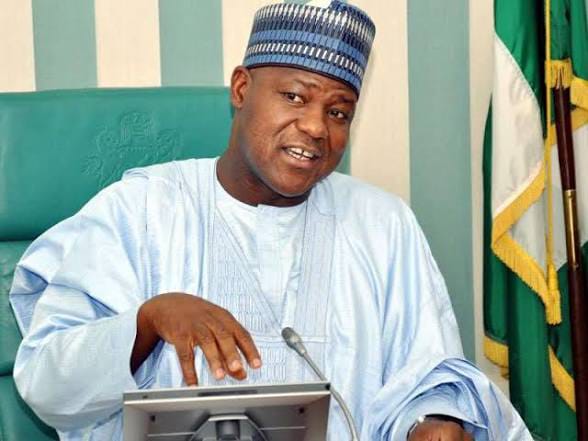
Former Speaker of the House of Representatives and Chairman of the Board of the National Credit Guarantee Company Limited (NCGC), Rt. Hon. Yakubu Dogara, CFR has expressed deep sorrow over the Nigerian Air Force aircraft crash that claimed the lives of 32 persons near Igbokoda, Ondo State. Dogara described the tragedy as a heartbreaking loss to the nation, noting that the deaths of the victims have left a painful void in the country’s defence and security community.
In a statement, the former Speaker extended his condolences to President Bola Ahmed Tinubu, Commander-in-Chief of the Armed Forces, the Nigerian Air Force, and the families of those who perished in the unfortunate incident.
He said the nation shares in the grief of the bereaved families and the Armed Forces at this time of immense sorrow, adding that the sacrifices of those who lost their lives in service to the country will not be forgotten. “The nation mourns with the families of the deceased and stands in solidarity with the Armed Forces during this difficult period,” Dogara stated.
He also commiserated with the Chief of Air Staff, officers and men of the Nigerian Air Force, praying that God grants them the fortitude to bear the painful loss.
According to him, moments such as this call for national unity, reflection and collective support for the families and institutions affected by the tragedy.
Dogara paid tribute to the victims, describing them as patriotic Nigerians whose commitment and service contributed to the security and stability of the nation. He further applauded the efforts of emergency responders, rescue teams and all personnel involved in the aftermath of the crash, commending their courage and professionalism under difficult circumstances.
The former Speaker prayed God to comfort their families, friends and colleagues.
He also offered prayers for the safety and protection of members of the Armed Forces and for continued peace, unity and progress in Nigeria.
The Nigerian Air Force aircraft crashed near Igbokoda, Ondo State, resulting in the death of 32 persons and plunging the nation into mourning. Authorities are yet to make public the cause of the accident as investigations continue.
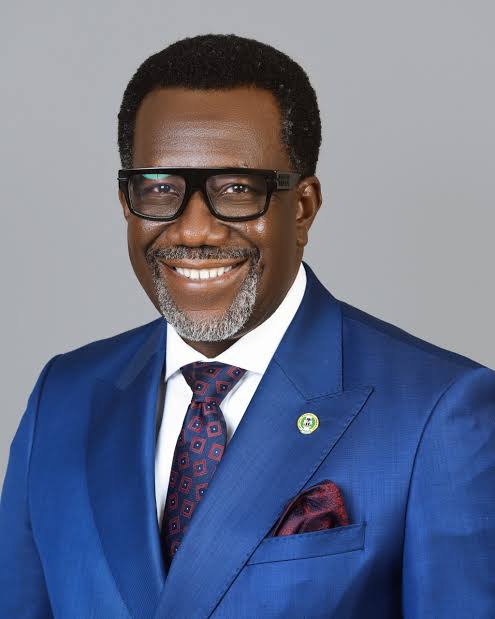
The Centre for Credible Reforms and Institutional Accountability (CCRIA) has commended the Commissioner for Insurance and Chief Executive Officer of the National Insurance Commission (NAICOM), Mr Olusegun Ayo Omosehin, for promoting transparency and accountability in the ongoing reforms of Nigeria’s insurance industry.
The centre said the implementation of the Nigerian Insurance Industry Reform Act (NIIRA) 2025 had ushered in a new phase of development for the sector, with stronger regulatory standards, improved capitalisation and greater emphasis on protecting policyholders.
Dr Aminu Abubakar Aminu, president of the centre, said this in a statement at the weekend.
Aminu commended President Bola Tinubu and the National Assembly for the enactment of NIIRA, describing the legislation as a major step towards addressing longstanding challenges in the insurance industry.
“The enactment of the Nigerian Insurance Industry Reform Act is a significant milestone in the development of Nigeria’s insurance sector. We commend Mr President and the National Assembly for recognising the need to modernise the legal and regulatory framework governing the industry. NIIRA provides the foundation for an insurance sector that is better capitalised, more accountable, more responsive to policyholders and better equipped to contribute meaningfully to the Nigerian economy,” he said.
The centre also praised Omosehin for his leadership of NAICOM, saying his extensive experience as an insurance professional had positioned him to effectively implement the new regulatory framework.
“We consider the appointment of Mr Olusegun Ayo Omosehin as Commissioner for Insurance and Chief Executive Officer of NAICOM a timely and appropriate decision. He is a seasoned insurance professional with many years of experience in the industry, and his understanding of the sector gives him the practical knowledge required to lead an important reform process of this nature. We commend him for the direction he has provided since assuming office and for his commitment to strengthening the industry,” Aminu said.
According to the centre, the ongoing recapitalisation exercise was among the important steps taken to strengthen the financial capacity of insurance companies and improve their ability to meet obligations to policyholders.
Aminu said the reforms were already producing early gains and should be sustained through consistent implementation.
“The early developments under NIIRA demonstrate that the reform is not merely a legislative exercise but a process capable of producing measurable improvements in the industry. Stronger capital requirements, improved supervision and greater attention to policyholder protection will ultimately create an insurance market that Nigerians can trust. We encourage NAICOM to remain focused on the implementation of the Act and to continue providing clear guidance to operators and other stakeholders,” he said.
The centre noted that the reforms would also help deepen insurance penetration and strengthen the industry’s contribution to national economic development.
It urged insurance companies, brokers, reinsurers, professional bodies and other stakeholders to embrace the new framework and work with NAICOM to achieve the objectives of the legislation.
“The success of NIIRA will require the cooperation of every stakeholder in the insurance ecosystem. Operators must see the reforms as an opportunity to strengthen their institutions, improve their services and regain the confidence of Nigerians. A well-regulated insurance industry can mobilise long-term capital, protect businesses and households against risks and support investment and economic growth. These are benefits that go beyond the insurance industry itself,” Aminu said.
Aminu emphasized that the centre was particularly encouraged by the emphasis on policyholder protection under the new framework, noting that public confidence remained critical to the growth of insurance in Nigeria.
He said Nigerians should be able to purchase insurance products with confidence that operators had the financial capacity and institutional structures required to honour legitimate claims.
The president further urged NAICOM to sustain its engagement with stakeholders while ensuring that the provisions of NIIRA were implemented transparently and consistently.
“What is required at this stage is continuity, professionalism and commitment to the objectives of the law. The reforms must be sustained beyond the initial implementation period so that the gains can become permanent features of the industry. We believe NAICOM, under the leadership of Mr Ayo Omosehin, has an important responsibility to ensure that the momentum is maintained, and we encourage all stakeholders to support the commission in delivering on this mandate,” he said.
The centre said the successful implementation of NIIRA would strengthen confidence in the insurance sector, improve the protection available to policyholders and position the industry to play a greater role in Nigeria’s economic transformation.
It also called for continued collaboration between NAICOM, insurance operators and other stakeholders to ensure that the objectives of the new law were fully achieved.
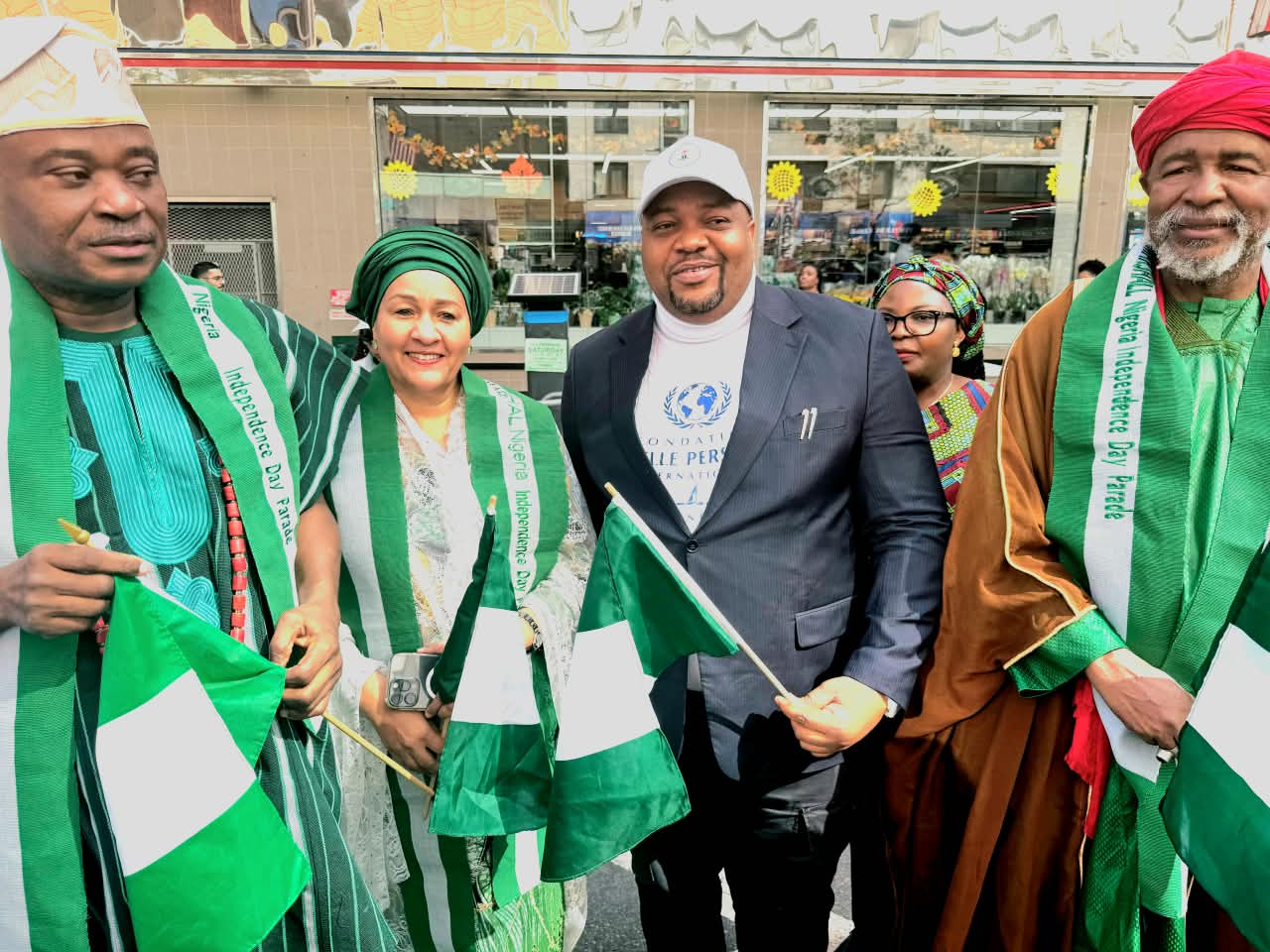
As Nigerians from across the United States gathered in Manhattan to celebrate Nigeria’s Independence Day in grand style, Hon. Amb. Jim Okolo used the occasion to share an inspiring message about Nigeria’s immense possibilities, rich cultural heritage, and promising future.
Speaking with members of the media during the colourful celebration, Hon. Amb. Okolo described Nigeria as one of the most blessed nations in the world, endowed with abundant natural resources, a dynamic population, and a cultural heritage that continues to earn global recognition.
According to him, Nigeria possesses enormous deposits of valuable minerals and other natural resources that, if fully harnessed, can accelerate economic growth and create prosperity for millions of citizens. He noted that the country is strategically positioned to become a leading destination for investment in mining, agriculture, technology, manufacturing, and infrastructure development.
Beyond its natural wealth, Hon. Amb. Okolo emphasized that Nigeria’s greatest strength remains its people. He praised the creativity, resilience, intelligence, and entrepreneurial spirit of Nigerians, pointing out that Nigerian professionals, innovators, academics, and business leaders continue to excel in various sectors across the world.
The respected diplomat also spoke passionately about Nigeria’s unique cultural identity. From the colourful festivals of its diverse ethnic groups to its globally celebrated music, fashion, literature, cuisine, and film industry, he described Nigeria as a nation whose cultural influence extends far beyond its borders.
He noted that Nigeria’s diversity is one of its greatest treasures, bringing together hundreds of ethnic nationalities with distinct traditions and languages that collectively form a vibrant and unified national identity.
While addressing questions on security, Hon. Amb. Okolo maintained that although Nigeria faces certain security challenges, the situation is not always as severe as often portrayed by social media discussions and sections of the international media. He stressed that millions of Nigerians continue to live, work, study, invest, and contribute meaningfully to society every day.
He called on the international community, investors, and members of the diaspora to focus on Nigeria’s strengths, opportunities, and achievements rather than allowing negative narratives to define the country’s image.
“Nigeria remains a land of opportunity, innovation, and hope. It is a nation blessed with extraordinary human capital, abundant resources, a rich cultural heritage, and a people whose determination and resilience continue to inspire the world,” he said.
The celebration was attended by several distinguished personalities, including the United Nations Secretary-General, Hajia Amina Mohammed, the Nigerian Ambassador to the United Nations, diplomats, business leaders, community stakeholders, and prominent members of the Nigerian diaspora.
The event transformed parts of Manhattan into a vibrant showcase of Nigerian pride, featuring cultural exhibitions, traditional performances, business networking sessions, authentic Nigerian cuisine, and displays highlighting the country’s achievements and diversity.
Adding excitement to the festivities were thrilling performances by internationally acclaimed Nigerian music stars Patoranking, Runtown, and BNXN (formerly known as Buju), who entertained thousands of attendees and demonstrated the growing global appeal of Nigerian music.
As the celebration came to a close, the message from Hon. Amb. Jim Okolo resonated strongly among participants: that Nigeria is far more than the challenges often highlighted in headlines. It is a nation blessed with extraordinary talent, vast opportunities, cultural richness, and the potential to achieve even greater success on the global stage.


Dogara Mourns Victims of Air Force Plane Crash, Condole President Tinubu, Military

The changing face of Nasarawa at 30

COALITION OF RENEWED HOPE REACTS TO NATIONAL FRONT BURNER ISSUES: TINUBU IS FIXING NIGERIA, OPPOSITION SHOULD STOP PLAYING POLITICS WITH PAIN.

-
 Uncategorized6 years ago
FG, states urged to harness flooding for ranching, others with technology – Agbaje
-
 Headlines11 years ago
Breaking: EFCC seals Borno House of Assembly, as Hon members take to their heels
-
 News12 years ago
Nigeria Security Operatives Stage Manhunt For Homosexual Perpetrator
-
 News10 years ago
How 21-year-old Girl fled community over accusation of lesbianism
-
 News11 years ago
Yobe Gov Moves Against Deputy
-
 Opinion7 years ago
7 signs she has friend zoned you
-
Technology5 years ago
Online job placement company headhunts women
-
 Headlines10 years ago
Borno Dep Gov Abducts Another Church Leader