
News
Metamorphosis Of Radicalism And Extremism In The North: The Leadership Challenges.

By: A G Abubakar
There is no need to bore the reader with the socioeconomic misery index.The average Northerner either knows or understands that the security of life and property is all but gone across segments of the region. Insurgents and armed groups are brazenly on prowl leaving blood and tear in their trail.
The seeming conspiracy of silence among Northern elites and governments had since emboldened religious extremists and armed groups.The divisive activities of some clerics which governments seem to turn blind eyes to, has added fuel to the emerging conundrum. Known or unknown to authorities, sectarian challenges constitute the greatest single factor that will disintegrate the North and ultimately Nigeria, if not nipped in the bud.
The history of all the major faiths tells that they all had their periods of trials and tribulations. How they prevailed depend on how their internal contradictions and divisions are managed largely through appropriate process of religious education and enlightenment as against the laissez-faire system in the North.
Christianity had its own sectarian challenges, but which seems to be contained. The sequence of the division from the Catholic, could be as follows; the Protestant (1517) on accountof MartinLuther’s ninty-five theses, the Anglican (1534), the Pentecostal (1901), and the Spiritual/White garment churches in the 70s. They operate and coexist with “limited” inter-sect/denomination frictions.It all boils down to organisation and management. The practice of Islam in the Middle East, and other Asian countries like Indonesia, Malaysia etc should ordinaraly provide a lesson for the North, since they are guided by the same Message.
Islamic Northern Nigeria, unfortunately is yet to find its cohesion as various groups pull in different directions. A problem that could be rightly attributed to the challenges of textual understanding and interpretations (execegies).A phenomenon, that is capable of tearing the fabrics of the country apart if not fully understood both contextually and historically. No society can wish away sectarian divisions. They are as old as most religions. What matters is how they are nevigated. Islam is no exception. Its internal frictions and conflicts could be traced to the post era of the the Messenger of Islam, Muhammad (s.a.w) who passed on in the year 662 CE.
In The Beginning
Islam, as it were, is a way of life, a political system and diplomacy, all roled in one. The Prophet, during his lifetime, served as a spiritual head, a political leader and statesman, and a family man guided by divine messages (wahayi). Divisions started immediately after his death, starting with the political succession and also how to run the nascent Islamic Community (state) as of the time. The four closest desciples (Sahabi) were Abubakar (632-634 CE), Umar (634-644 CE), Usman (644-656 CE), and the Prophet’s cousin whom he raised Ali (656-661 CE). The four are referred to collectively as “Al-Khulafa’ ar-Rashidun” (the rightly guided successors).
The “crisis” of succession started with factionalisation of support (shi’a), as faithfuls overtly or tacitly indicated their preference for the worthy candidates in contention. Shi’a as an ordinary Arabic word for faction however a acquired sectarian conotation during a later day succession crisis between followers of Ali, (and offsprings Hassan and Hussain) on one side and those of the third Caliph Usman and his relation Muawiyah (governor of Sham, then) and his children, especially, Yazid, on the other. The intricate conflict (fitna) of the time culminated in the first permanent
crack in the Muslim world. It was basically a crisis born out of leadership tussle! It created the Sunni (those that follow and revere all the four caliphs without exception) and the Shi’a group who largely believe in Calipher Ali (RA).
The Shia and Sunni, Part Ways
The Shi’a consequently went on to adopt an Imamate system of government. Here, learned theologians who have traceable blood connections to the House of Ali, through his son Hussain, becomes the supreme spiritual and political head of the Muslim Ummah (State) as in the case of Iran. Over time, however, this requirement and others got diluted giving rise to more than a dozen subdivisions. They include the Sixers, Twelvers (ithna Ashari), Isma’ilias, Alawites (Nusayri), Druze, Zaidi/Houthi, Alevi etc across the globe. The Hezbollah, Hamas, and Houthis are believed to be the militant/missionary arms of the group. Globally, the Shia is estimated to constitute 10% of the 2 billion Muslim population or thereabout, (Pew Research Centre).
The Sunni Political Engineers
As Islam expanded thereafter, some prominent scholars started work on how to evolve a more seamless and crisis free, Islamic political system based exclusively on the provisions of the Qur’an and the prophetic ways of life and sayings (Hadith and Sunna).
The prominent figures in this movement across various eras include Al-mawardi (972-1058) Al Ghazali (1058-1111), Ibn Taymiyya (1263-1328) and Ibn Khaldun (1332-1406), just to mention a few. These scholars influenced the works of later day scholars that currently serve as reference points/role models in parts of the Islamic world. Some the seminal works/treaties include, “The Ordinances of Government” (Al-Ahkam al-Sultaniyya) by Almawardi, and “The Incoherence of the Philosophers” (Tahafut al-Falasifa) spiting the Greek Philosophers, by Ghazali. Others are “Aqidah al-Wasitiyyah”, “Minhaj al-Sunnah al-Nabawiyyah” and “al-Siyasa al-Shar’iyya” all authored by Taymiyya. Ibn Khaldun’s concept of “Asabiyya” (social cohesion) has also remained a great reference source. The body of these worksand similar have become “magna catar” of Sharia State scholars worldwide. Nigeria inclusive.
After Shi’a Left The Sunni Too, Broke Into Two : Sufism And Salafism
After the Shia sect left the attempt to reform the practice among the Sunni too, led to the manifestation of two Orders largely on account of purity. Some socioeconomic and political systems were believed to have been subtly influenced by popular philosophies of the time, especially the Greek and the Romans. The teachings of Al-Hassan al-Basri (642-728), Rumi (1207-1273), and those of Ghazali and Ibn Khaldun are believed to have have incorporated elements of external philosophical,
metaphysical concepts, including mysticism. This development, among others led some group to walk away literally from what they called Sufism. Sufi here is derived from the “…sophy” part of the “philosophy.”
On the other hand those bent on purity as done by forebears got referred to as the Salafi. Salaf is the arabic word for ancestors. This technically implied that Salafism aimed to practice the Islam as it was done by the Prophet and the four Rightly Guided Caliphs
In Nigeria, the Sufi Sunni may include the Tijjaniyah, Ahamadiyya, Qadriyyah, and the likes. Some of the prominent leaders of the group are the revered Sheik Dahiru Bauchi, Alfa Oranaike, Salaudeen Parakoyi, Adam Al-Ilori, Ishaka Rabiu, Emir Sanusi Lamido Sanusi Emir (current and/or former), of Kano, Sheik Ibrahim Saleh etc. While many are still alive, some had passed on. The Sufi group is generally more laid back and less revolutionary in approach.
The sunni -salaf driven by the teachings of Ibn Taymiyya, and those he influenced like Muhammad ibn Abd al-Wahab (1703-1792), believed to be the father of Wahabism, and those he influenced such as Grand Mufti of Saudi Arabia ,Abd al-Aziz ibn Baz (1910-1999), and Muhammad ibn Uthaymeen, all of Kingdom of Saudi Arabia has more puritanical leanings that repudiate innovations (bid’ah) in practice Islam including the practice of western-style democracy. Shari’a minded in varying degrees among its members.
They stood on the shoulders of earlier scholars, particularly like Ibn Taymiyya. Many however believed that aspects of the themes of his work were impacted by the Muslim world’s aversion to the tyrannical rulers of the Mongols (Muguls) that conquered parts of the Arabian Peninsula, India, and Pakistan (the Indus Valley) during that period. He saw “adulteration” in the way the Muguls were practicing the faith.He thus became a serious opponent of “occupation” and or “participation” in their government and the vehemently called for the establishment of a true Shari’a political system (Shari’a State). It today’s parlance part of his works could pass for “liberation theology,” as Christianity did in Latin America.
In the early part of the 20th century, the duo of Sayyid Qutb and Hassan al-Banna idealised the teachings of Ibn Taymiyya and Abd al-Wahab (Wahabism) to challenge Colonial rule in Egypt. They created the Muslim Brotherhood (1928) as a vanguard of resistance. The Brotherhood was also continued fighting injustices even after independent. Al- Banna died in 1948 while Sayyid Qutb actually paid the supreme price for his activities with the movement in 1966. Though not every Salafi subscribed to the Egyptian version, the flame of the ideology seems to have resonated in many parts of the Muslim world. Here lies the power of interpretation. While some people could interpret the text to mean purification, others saw it as a weapon. A case of half full and half empty! A challenge Nigeria and many Muslim countries are facing.
Many great scholars in Nigeria have embraced the Salafism. Clerics like Gumi, Ismaila Idris, Ja’afar, Albany Zaria, Abba Aji, Tajudeen Adigun, Kabir Gombe, Mansur Sokoto, Jabir Maihula, Aliyu Umar, Rijiyar Lemu, Usman Gadon Ƙaya, Sambo Rigachikun, Mai Shinkafa, Bala Lau etc have been active proponents of the Salafi ideals with varying degrees of restraints. On the whole however they have avoided violence even when keeping the vision of Sharia in focus and sight.
Radicalisation/Extremism Phenomenon
The salafi in Nigeria became manifest about half a century ago. Prior to that most Muslim people practice the Sufi version that seemed to be less stringent. The aspects mysticism and free thinking equally appeal to cultural beliefs. Marabouts, and spiritual healers were held in high esteem. In 1804, the Danfodio reform movement called for the purification of Islam, basically along the Sufi order which most Northern traditional rulers have imbibed. This continued until the last quarter of the 20th century.
As Salafism took root in Nigeria, the group subtly gravitated towards three subgroups. These could be classified loosely as:
a) the participatory,
b)non-participatory gradualists and c)the qital-jihadists who are in a hurry to create an Islamic State in Nigeria.
Participatory here means working under democracy while calling for change. A philosophy of change is better achieved from inside. Late Gumi, one of the pioneer proponents of Salafism, could be referred to as a “participatory” Salafist. He was the Grand Khadi of Northern Nigeria when Sir Ahmadu Bello was the Premier, (other pioneers included Ismaila Idris and Bawa Mai Shinkafa, both of blessed memory). People like, Prof/Sheik Isa Pantami (Cabinet Minister, in the Buhari Administration), Daurawa ( Head of Hisba Board, Kano), Bala Lau, Jabir Mai Hula (Commissiner, Sokoto), Aliyu Umar, Rijiyar Lemo (Lecturer), Mansur Sokoto (Lecturer), Ahmed Lemu (Judge, Niger), and a host of others, are relating with democratic governance well. Their strengths, so it would seem are geared towards issues of morality like hijab, mass weddings, separation of gender, observing the five pillars of Islam and related Muslim way of life.
The gradualists are those who concern themselves basically with the exegesis/tafsir and teaching the religion. They distance themselves from government, but not unduly antagonistic towards it. They believe that change will come when the level of those knowledgeable in Islam reaches a critical mass.
Clerics like Haifan, late Abba Aji, Albany Zaria, Revered Ja’afar Mahmud Adam and a few others “may” fall in this category. The third are those who believe in weaponising aspects of teachings of Ibn Taymiyya, Abd al-Wahab, Bin Baz, Uthaymeen, Sayyid Qutb, al-Banna to “hasten the establishment of the Shari’a State” through coercion/war (Jihad). Democratic governance is an aberration to be obliterated. In the process, other movements and citizens who are considered complicit are to be destroyed!
That was the story of the Boko and how it’s founder Muhammad Yusuf and a little known co-traveller Muhammad Ali, afterward being indoctrinated by the radical teachings of Salafi scholars parted way with “gradualist” teacher Sheik Ja’afar to create a jihadist movement called “Jama’atu Ahlis Sunna Lidda’awati wal-Jihad” (the congregation of the people of the sunnahfor da’awah and jihad). It is known locally as “Borno Haram” because the group was fond of preaching against western education as it calls for war (jihad) against western values including democratic governance.The fact here is if at his (Yusuf) deep level of Islamic knowledge he could be so swayed, the generality of the untaught become easier fonder. They further got inspirations from older groups like the Taliban, Al qa’ida, Islamic State, Al Shabab, and the likes.
Earlier on, Sufism gave birth to the Maitasine Movement in the early 80s that raved Kano and other parts of the North. It is believed that since the sector’s practices involved fetishism, and the coveting of women, they could not be part of Salafi movement. Movements such as the Maitasine and Boko Haram have cost nation its development as it rendered sizable part of multidimensionally poor and ungovernable. A situation that served a stimulus to other nefarious elements in the society to take to criminal activities with ease. The North and indeed the whole country had been infested with one form of armed group or the other. Armed gangs, kidnappers, terrorists and insurgents are having a field day. Lives and properties have become disposable objects and stretching government capacity to a breaking point. If it hasn’t already reached.
The inability of successive governments to address the problems of sectarian movements and crisis from the roots had been the biggest draw back in containing the manifestation and maturity of armed conflicts and insurgency in Nigeria. Nigeria has thus joined the unenviable club of nations that struggle with peace and underdevelopment for more than one and a half decades if it’s not a war of liberation.
The Way To Go
The problems in addressing the various crisis especially the sectarian ones are two folds. Poor understanding of the root causes and the existence of an enabling environment. Going by the history of religious movement, the causes are ideological and deeply impeded in the belief system. Bad governance and socioeconomic deprivation are just fuel. They don’t cause it. They facilitate them.
The war against them has to be taken to the heart and minds of those that got wrongly indoctrinated or programmed, through an appropriate Islamic education process at the relevant levels. The roots of scourge is beyond the capacity of any political actor or actors. Even the jihadists themselves might not understand the depth of the pit they were sucked into. So the earlier the government and the citizenry moved away from cheap and simplistic political and ethnic excuses, the better. Surprisingly, many government functionaries at the highest levels (state and federal), have this shallow view.
Next shall be to drain the swamp of poverty so to deny the insurgency the needed fuel for insurgency.
The state governments, especially in the Muslim majority-states should start preparations for the immediate introduction of an Islamic Religious education in their schools to shield the young children from eventual porching by extremists. The Presentren Pondok of Malaysia, the Madarasa system in parts of India/Pakistan and the Middle East could provide some valuable lessons.
Conclusion
Nigeria doesn’t need to look any further to see how radicalisation and insurgency can kill nations, by looking at the turmoil in neighbouring Niger, Mali, B/Faso. In these countries, more than 50% of territories are outside the effective control of government.
The same thing shall happen in Nigeria when the marauding terrorists, armed bandits/herdsmen got ideologically dovetailed in radical extremists religious sects. No reasonable person can see any gain from the situations in the some of the West African countries and also in far away Somalia, Sudan and the DRC. The time to wake up is now.
News
“WIKE CANNOT CHOOSE A GOVERNOR FOR US!” — Group Rejects Alleged Rainbow Coalition Plot in Benue
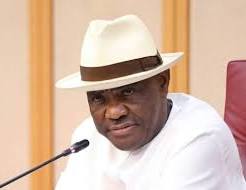
The Benue Alliance for Good Governance and Accountability (BAGA) alleges secret political negotiations involving Wike, Akume and Ortom; insists Governor Alia should be allowed to complete two terms if re-elected.
BAGA has raised concerns over an alleged political arrangement involving prominent political figures, warning against any attempt to influence the outcome of the 2027 Benue State governorship election without the consent of voters.
In a statement signed by its President, Chief John Terfa, the group alleged that the Minister of the Federal Capital Territory (FCT), Nyesom Wike, was involved in discussions with the Secretary to the Government of the Federation (SGF), Senator George Akume, and former Benue State Governor Samuel Ortom over a proposed political alliance reportedly known as the “Rainbow Coalition”.
BAGA further alleged that Wike was seeking political control over five states under the Peoples Democratic Party (PDP) as part of the proposed arrangement to deliver President Bola Tinubu’s re-election in 2027, with Benue reportedly among the states being considered to hand over to Wike through the Rainbow Coalition.
The group also claimed that the alleged discussions were aimed at securing the emergence of former Attorney General of the Federation, Chief Mike Aondoakaa, as a preferred governorship candidate in Benue under the proposed coalition, despite Aondoakaa being banned from holding any political office for life by Supreme Court, due to unprecedented corruption and abuse of office when he was the Attorney General.
BAGA questioned why political actors from outside Benue should have a decisive influence over who governs the state, arguing that the choice of governor must remain with the electorate.
“Benue is not a political commodity to be traded behind closed doors in Abuja. The people of the state must have the final say on who governs them and the direction their state takes,” the group said.
The organisation alleged that Wike had held a series of meetings with Akume and Ortom in recent weeks to discuss the reported arrangement.
It further claimed that tensions arose during one of the alleged meetings at Akume’s residence in Abuja recently, where Wike was said to have questioned why Akume had allowed Governor Hyacinth Alia to become so politically powerful.
It was alleged that Wike demanded that Akume should make sure Governor Alia is not re-elected or declared winner in 2027 whether he wins or not and boast of having the judiciary under his control.
BAGA rejected what it described as an attempt to determine Benue’s political leadership through negotiations among powerful individuals, insisting that Governor Hyacinth Alia should be allowed to complete his constitutionally permitted tenure, if re-elected in 2027.
The group said it believed Alia’s administration was performing well in governance and development, adding that political alliances should not be used to undermine the democratic choices of the electorate.
It also criticised the record of Ortom’s administration and expressed concern about what it described as divisions within Benue’s political space arising from the influence of powerful political interests within and outside the state.
BAGA argued that any coalition seeking to influence the 2027 election should be based on transparent principles, competence, accountability and the interests of the people, rather than personal ambition or political bargaining in Abuja.
The group also challenged political actors seeking the support of President Bola Ahmed Tinubu to pursue their ambitions without attaching conditions that could compromise the democratic choices of the voters.
“Benue people are politically conscious. They will not surrender their future to a coalition of political interests formed without their consent,” the statement said.
The organisation called on voters, civil society groups and political stakeholders to remain vigilant and defend the state’s democratic rights ahead of the 2027 elections.
“Whatever colour it is given; Rainbow, PDP or otherwise, the people will reject any arrangement that threatens their collective interests and development,” BAGA said.
“Benue is not Rivers and we will not allow Wike from Rivers State to choose a governor for us in Benue State,” the group added.
According to BAGA, the central issue is whether political negotiations in Abuja will respect the right of Benue voters to determine their own leadership.
The group maintains that the state’s governorship should not be decided through private agreements among political power brokers, but through a democratic process in which the people have the final say.
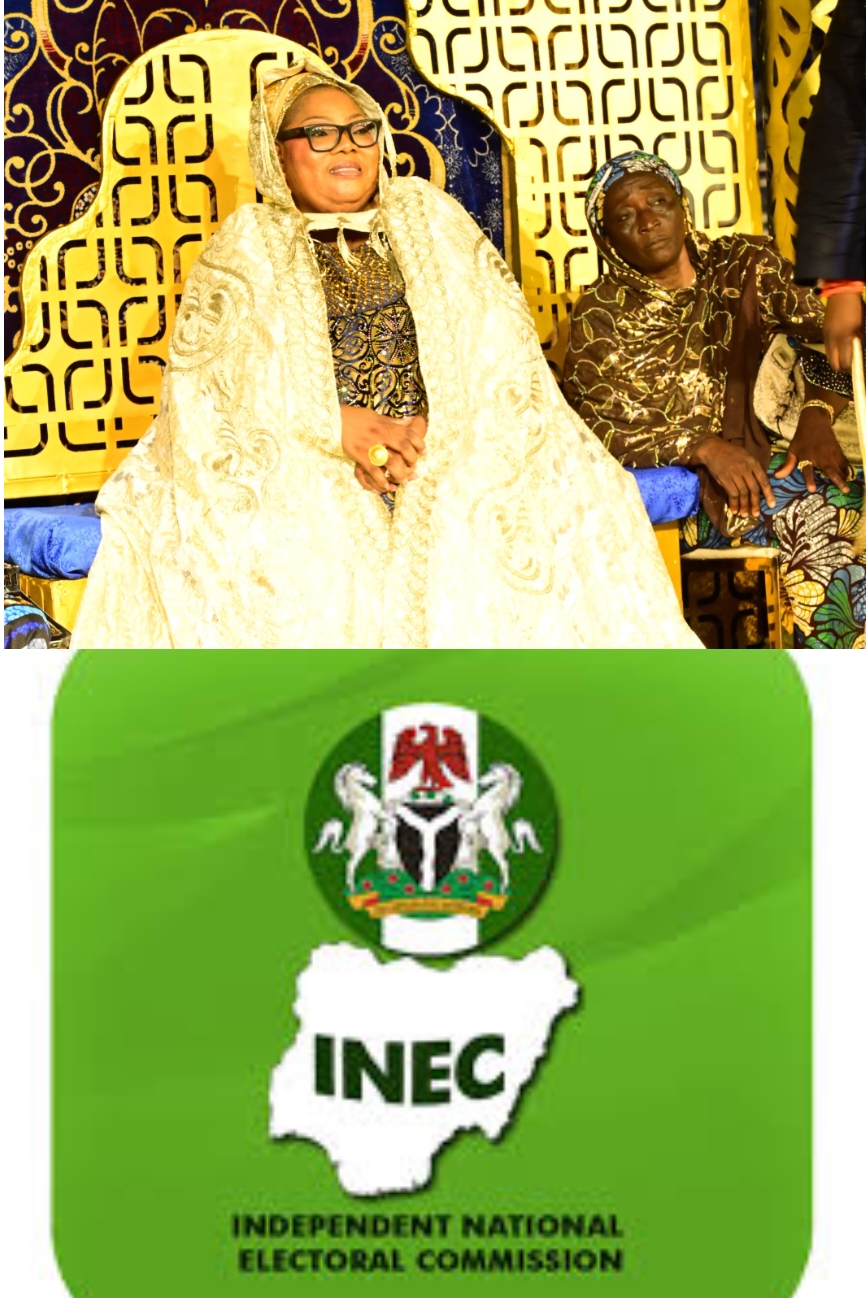
The Coalition of Civil Society Organisations Against Corruption (COCSOAC) and 33 partner civil society organisations have expressed confidence in the Independent National Electoral Commission (INEC), urging Nigerians to treat recent reports concerning the commission with caution and rely only on verified facts.
The coalition, in a statement signed and issued in Abuja on Tuesday by its President, Bola Ademola, and National Secretary, Comrade Abdulfatah Aliyu, the group said while INEC must be held accountable where necessary, criticisms of the electoral body should be based on credible evidence, due process and an opportunity for affected parties to respond.
COCSOAC was reacting to an online publication alleging questionable staff redeployments within INEC, including the reported reassignment of a Northern director and the deployment of South-West officials to key departments.
The coalition said it had not independently verified the alleged redeployments or the motives behind them, warning that claims of political interference or ethnic favouritism should therefore not be treated as established facts.
“Assuming without conceding that the redeployments occurred as reported, staff reassignment is a recognised administrative practice that may serve legitimate purposes, including operational efficiency, professional development and improved management,” the group said.
It maintained that the geographical origin or family associations of an INEC official could not, on their own, establish bias or an intention to manipulate elections.
According to the coalition, the more important questions should be whether the decisions complied with applicable rules, received proper authorisation and were based on legitimate administrative considerations.
COCSOAC consequently urged INEC to clarify the circumstances surrounding the reported redeployments where necessary, while appealing to the media and civil society organisations to avoid drawing premature conclusions from unverified reports.
The group also congratulated INEC Secretary, Dr Rose Oriaran Anthony, on her turbaning, describing institutional experience, diligence and administrative continuity as important factors in the management of elections.
It appealed to President Bola Ahmed Tinubu to consider Oriaran Anthony for reappointment as INEC Secretary when her tenure expires, subject to applicable laws and established appointment procedures.
COCSOAC said its appeal was not a demand for an appointment outside the law but was based on the need to preserve institutional knowledge and strengthen coordination ahead of the 2027 general elections.
“Where an experienced incumbent has demonstrated the requisite commitment and competence, continuity may help preserve institutional knowledge, strengthen coordination and support preparations for peaceful, credible and well-organised elections,” the coalition said.
It, however, stressed that any decision on the matter must be guided by legality, INEC’s independence and the integrity of the electoral process.
The coalition called on political actors, civil society organisations, the media and other stakeholders to protect public confidence in Nigeria’s electoral institutions through evidence-based engagement, transparency and respect for due process.
It said its position was not that INEC should be shielded from scrutiny, but that allegations against the commission must be verified and affected institutions given a fair opportunity to respond.
“As the nation approaches another critical electoral cycle, accountability, institutional stability and the rule of law must remain central to the collective pursuit of credible elections,” COCSOAC said.
News
Intelligentsia Machinery Celebrates Seyi Tinubu, Hails Contributions to Enterprise, Philanthropy, Youth Empowerment
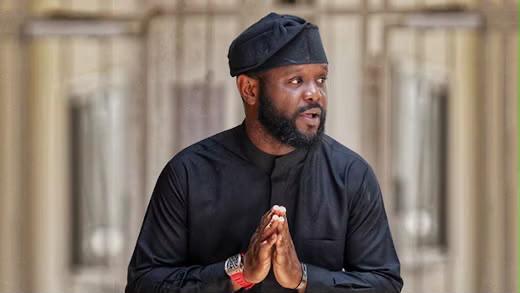
The Intelligentsia Machinery (IM) has congratulated Seyi Tinubu on his birthday, celebrating his contributions to enterprise development, humanitarian service, youth empowerment and national engagement.
The organisation, in a congratulatory message signed by Omoba Kenneth Aigbegbele and Com Umar Farouk on behalf of its resource persons, members and senior executives, described the birthday as an opportunity to reflect on Tinubu’s personal journey, professional accomplishments, philanthropic engagements and responsibilities associated with influence and public visibility.
The organisation celebrated Tinubu as an entrepreneur, philanthropist and advocate of youth empowerment, noting that his public profile encompasses private-sector enterprise, legal training, humanitarian interventions and initiatives aimed at expanding opportunities for young Nigerians.
According to the statement, the birthday provides an appropriate moment to acknowledge the different dimensions of his public profile while encouraging the continued expansion of programmes capable of delivering measurable and sustainable benefits to Nigerians.
“Today, we celebrate not merely another year in your life but also an opportunity to reflect on your personal journey, professional accomplishments, humanitarian engagements, and the responsibilities that accompany influence, privilege, and public visibility in a developing nation such as Nigeria,” the statement said.
Education, Enterprise and Personal Development
The organisation highlighted Tinubu’s educational background, noting that he studied Business Administration at the University of Maryland in the United States and Law at the University of Buckingham in the United Kingdom before being called to the Nigerian Bar in 2013.
It said the educational experiences provided an important context for understanding his subsequent involvement in business, entrepreneurship and public engagement, adding that his professional journey reflected the intersection of business knowledge, legal training, strategic thinking and opportunities within Nigeria’s evolving private sector.
The statement also recognised his role as Chief Executive of Loatsad Promomedia, where he has been associated with Nigeria’s out-of-home advertising industry.
According to IM, the sector connects businesses, brands, consumers and the wider commercial environment, while private enterprise remains important to Nigeria’s economic development.
It noted that businesses could contribute to employment, innovation, professional development and opportunities for young people through investments in talent, new ideas and sustainable operations.
The organisation therefore encouraged Tinubu to continue pursuing enterprise that advances commercial objectives while contributing to skills development, responsible business practices and the growth of Nigeria’s creative and entrepreneurial economy.
Philanthropy and the Responsibility to Give Back
On philanthropy, the organisation acknowledged Tinubu’s association with the Noella Foundation and other humanitarian engagements, noting that publicly reported activities linked to his philanthropic work had included healthcare support, assistance to vulnerable communities and initiatives intended to improve access to opportunities for young Nigerians.
It said the interventions underscored the importance of social responsibility and demonstrated how influence could be used to address the practical needs of individuals and communities.
The statement observed that Nigeria continued to face challenges relating to poverty, access to healthcare, educational opportunities and economic inclusion.
It added that partnerships among philanthropic organisations, businesses, community groups and public institutions could complement wider development efforts.
IM specifically acknowledged reports of healthcare interventions associated with Tinubu’s philanthropic activities, including the Drug Banks for Indigent Patients initiative launched at Ahmadu Bello University Teaching Hospital in Kaduna State in August 2024.
It also recognised public accounts of humanitarian assistance provided to communities affected by flooding in Borno State in 2024.
According to the organisation, such interventions demonstrated the importance of responding to the needs of vulnerable people, particularly during periods of displacement, hardship and uncertainty.
The organisation encouraged the continued strengthening of these humanitarian efforts through transparent implementation, broad access, measurable outcomes and sustained attention to community development.
It stated that the true significance of philanthropy lay not simply in the resources committed but also in the dignity restored, opportunities created and improvements sustained in the lives of beneficiaries.
The statement added that these outcomes reflected the importance of maintaining a commitment to the common good.
Youth Empowerment and the Future of Nigeria
The organisation also identified Tinubu’s engagements with youth-focused initiatives as an important dimension of his public profile.
It noted that Nigeria had an energetic and ambitious young population whose potential could be strengthened through quality education, vocational training, mentorship, entrepreneurship, digital skills and access to productive opportunities.
However, it stressed that ambition alone was insufficient, explaining that young people also needed supportive institutions, access to finance, professional guidance, practical experience and an economic environment in which hard work and creativity could translate into meaningful progress.
The statement highlighted Tinubu’s association and initiative with the Seyi Tinubu Empowerment Project (STEP), describing it as part of the focus on youth empowerment and entrepreneurial development.
IM expressed the belief that initiatives of this nature could make a more enduring contribution through structured programmes that equip beneficiaries with practical skills, business knowledge, mentorship and opportunities for sustainable livelihoods.
The organisation encouraged the continued expansion of youth-centred programmes capable of reaching young Nigerians across different regions, backgrounds and economic circumstances.
It said its aspiration was to see a generation of young Nigerians who were not merely beneficiaries of assistance but also employers, innovators, responsible citizens, community leaders and contributors to national development.
The statement further attributed Tinubu’s public profile to various initiatives and philanthropic activities which, according to the organisation, had impacted lives and created far-reaching and enduring legacies.
Leadership, Influence and Public Responsibility
On leadership and public responsibility, IM noted that public visibility brought both opportunities and responsibilities, particularly for individuals whose activities attracted national attention.
It said the challenge was to ensure that influence contributed constructively to society and that public engagements remained connected to the expectations and concerns of ordinary citizens.
The organisation observed that Tinubu’s public profile had developed within the context of business, philanthropy, family prominence and increasing public interest in the role of young Nigerians in national affairs.
It also credited him with supporting and promoting youth participation in governance under the present administration, describing the development as significant in the country’s political history.
The statement, however, acknowledged that public assessments of influential figures could differ, stressing that meaningful public confidence was strengthened through openness, accountability, constructive engagement and demonstrable results.
IM therefore regarded the birthday as an opportunity to encourage continued investment in programmes that promote social inclusion, entrepreneurship, humanitarian assistance and the participation of young people in addressing Nigeria’s development challenges.
It expressed the hope that Tinubu would continue to demonstrate the enduring value of these commitments through initiatives whose outcomes could be assessed by the people and communities they were intended to serve.
The organisation wished him more glorious days ahead in his service to the nation and humanity.
Bridging Opportunities and Social Impact
The statement emphasised that Nigeria’s development required collaboration among government institutions, the private sector, civil society organisations, philanthropists, professional bodies and young people.
It noted that no single individual or institution could resolve the country’s numerous social and economic challenges alone, adding that progress depended on partnerships that combined resources, expertise, innovation and a shared commitment to the public good.
According to IM, the relationship between entrepreneurship and social impact remained important because commercial success could create opportunities, while responsible philanthropy could help address urgent social needs.
It added that when these efforts were supported by transparent processes and a commitment to measurable results, their benefits could extend beyond individual beneficiaries to families and communities.
The organisation also acknowledged what it described as the present administration’s commitment to such processes, while encouraging Tinubu to continue building partnerships that strengthen educational opportunities, improve access to healthcare, support emerging entrepreneurs and promote constructive engagement among young Nigerians.
It further expressed the hope that his future engagements would reflect an appreciation of Nigeria’s diversity and the importance of extending opportunities fairly across geographical, social and economic boundaries.
The statement described this as a key focus and direction of his engagements.
Birthday Wishes and Renewed Purpose
As Tinubu marks another year, the organisation said birthdays provided opportunities for celebration, gratitude, reflection and renewed purpose.
It expressed the hope that the new year would bring him good health, wisdom, peace, renewed determination and greater opportunities to contribute positively to society.
The organisation also wished that his professional pursuits would continue to create value, his humanitarian engagements would reach more people in need, and his youth-focused initiatives would help more Nigerians develop the skills and confidence required to build productive futures.
It encouraged him to remain open to constructive dialogue, embrace accountability and sustain a commitment to initiatives whose benefits could be clearly demonstrated in the lives of ordinary Nigerians.
For the Intelligentsia Machinery, the statement said, the birthday celebration was an occasion to extend goodwill and reaffirm the importance of enterprise, humanitarian service, youth development and responsible public engagement in building a more inclusive and prosperous Nigeria where every life matters.
Describing Tinubu as a leader and mentor, the organisation characterised him as an audacious and kind-hearted individual whose love for humanity knew no bounds.
It wished him a fulfilling new year of life marked by good health, sound judgement, personal happiness, professional progress and meaningful accomplishments.
The organisation further expressed the hope that the years ahead would provide greater opportunities for him to expand his contributions to healthcare, education, entrepreneurship, youth empowerment and community development.
It also prayed that his journey would continue to be guided by a commitment to service, a willingness to learn and a determination to translate opportunities into lasting value for society.
The statement concluded with birthday wishes to Tinubu, expressing hopes for long life, good health, greater wisdom and many more years of purposeful achievement.
“Once again, the Resource Persons, Members, and Senior Executives of the Intelligentsia Machinery (IM) warmly congratulate you on your birthday anniversary,” the statement said.
The message was signed by Omoba Kenneth Aigbegbele and Com Umar Farouk on behalf of the resource persons, members and senior executives of the Intelligentsia Machinery.


“WIKE CANNOT CHOOSE A GOVERNOR FOR US!” — Group Rejects Alleged Rainbow Coalition Plot in Benue

2027: Group Defends INEC, Urges Evidence-Based Scrutiny of Staff Redeployments

2027: CSOs Back INEC, Seeks Oriaran Anthony’s Reappointment As Secretary

-
 Uncategorized6 years ago
FG, states urged to harness flooding for ranching, others with technology – Agbaje
-
 Headlines11 years ago
Breaking: EFCC seals Borno House of Assembly, as Hon members take to their heels
-
 News12 years ago
Nigeria Security Operatives Stage Manhunt For Homosexual Perpetrator
-
 News10 years ago
How 21-year-old Girl fled community over accusation of lesbianism
-
 News11 years ago
Yobe Gov Moves Against Deputy
-
 Opinion7 years ago
7 signs she has friend zoned you
-
Technology5 years ago
Online job placement company headhunts women
-
 Headlines10 years ago
Borno Dep Gov Abducts Another Church Leader