
Uncategorized
OPINION. Violent Herdsmen and Our Collective Helplessness: Can the Fulani Elites Rise Up?

BY: A G Abubakar
Before examining the complex debate surrounding the Fulani and the farmer-herder conflict, it is important to establish the demographic context. Nigeria, with a population estimated at about 230 million people, is home to four major ethnic formations that account for a substantial proportion of its population: the Hausa, Yoruba, Igbo, and Fulani. While estimates differ across sources, they collectively underscore the demographic significance of these groups. According to the Open Factbook/World Factbook, the Hausa constitute about 30 percent of Nigeria’s population, the Yoruba 15.5 percent, and the Igbo 15.2 percent.
The Fulani are estimated to constitute about 6 percent of the population, or roughly 14.5 million people. Other demographic sources, such as the Joshua Project, place the Yoruba at 23 percent, the Igbo at 18 percent, and the Fulani population at approximately 21 million. Although the exact figures remain contested—the dearth of reliable demographic data remains a major challenge in Nigeria—there is little dispute that the Fulani, at about 10 percent of the population, constitute one of Nigeria’s significant ethnic groups. These statistics provide a useful sense of proportion for social and sociological discussions.
Nigeria’s Fulani population should also be understood within the wider context of the global Fulani community. According to the American Journal of Human Genetics (2025), there are approximately 40 million Fulani spread across 17 countries in the Sahel and West Africa, making them one of the continent’s largest transnational ethnic groups. Of this population, an estimated seven million still practise nomadic pastoralism. Within Nigeria itself, the Fulani are broadly divided into two categories: the sedentary Fulani, who reside permanently in towns and villages and engage in diverse occupations, and the nomadic pastoralists, whose livelihoods depend on seasonal cattle migration. The latter are estimated to number about four million.
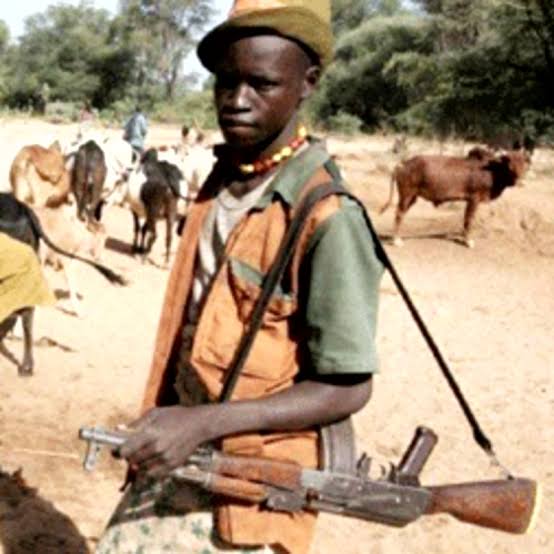
This distinction is crucial because, despite constituting only a relatively small segment of both Nigeria’s population and the global Fulani community, the nomadic pastoralist group has, over the years, become the focal point of recurring farmer-herder conflicts and, later, kidnappings, mass abductions, and the ransacking of settlements. Yet, hardly any other group of such relatively small size has generated as much emotand 2and sentiment as the Fulani herdsmen, even when part of them bear arms and terrorise fellow citizens.
On July 30, 2026, the Miyetti Allah Cattle Breeders Association of Nigeria (MACBAN) convened a workshop in Abuja to deliberate on grazing and the perennial farmer-herder conflict that has claimed thousands of lives, displaced countless communities, and deepened ethnic distrust across Nigeria. Given the gravity of the crisis, many Nigerians expected the gathering to produce frank reflections on the role of all stakeholders and practical pathways towards restoring peace.
Instead, public attention shifted to the remarks of the Sultan of Sokoto, Alhaji Muhammadu Sa’ad Abubakar III, who criticised those he said were unfairly linking the Fulani32 ethnic group with terrorism and violent crime. His intervention was undoubtedly intended to caution against ethnic stereotyping—a principle that every fair-minded person should uphold. Indeed, no ethnic group should be criminalised because of the actions of a few, and no responsible society should embrace collective guilt as a basis for justice.
Yet, moral clarity demands more than a rejection of stereotypes. It also requires the courage to confront uncomfortable realities. Across large swathes of the North-West and North-Central, the criminal networks responsible for kidnappings, mass abductions, violent banditry, and many of the deadly farmer-herder conflicts have repeatedly been linked to armed groups operating largely within Fulani pastoral communities. To hold a brief for the perpetrators on account of identity creates a problem in understanding the dynamics of the crisis.
This is where the Sultan’s intervention falls short. Whether intended or not, such a posture may provide criminal actors with a sense of accommodation while diminishing public confidence and trust in leadership.
The persistence of the crisis cannot be explained by a single factor. It is rooted in the collision between a centuries-old pastoral tradition and rapidly changing demographic, economic, and environmental realities. It has also been sustained by weak law enforcement, the proliferation of sophisticated weapons, the collapse of traditional conflict-resolution mechanisms, and, in some instances, the silence or reluctance of respected community leaders to confront criminality with the clarity and consistency it deserves. Until these realities are honestly acknowledged, Nigeria will continue to treat the symptoms of insecurity while deflecting attention from its deeper causes. Leadership carries with it not only the privilege of representation but also the burden of accountability.
Currently, no day passes in Nigeria without screaming newspaper headlines or viral social media clips alleging fresh atrocities by what has come to be known as killer herdsmen—a phrase often used as a subtle euphemism for armed nomadic Fulani. The motives ascribed to them vary widely depending on which side of Nigeria’s ethno-religious divide one stands. In predominantly Muslim areas of the North-West, they are seen largely as bandits exploiting a weak security architecture to terrorise, kidnap, and kill for ransom—or simply being trigger-happy.
In the minority communities of the Middle Belt, they are viewed as agents of ethnic or religious domination. Others see them as marauding land grabbers seeking to take over ancestral lands. Some interpret their actions as part of a plot to Islamise the country. Others even alleged genocide motives. Whatever the lens, the perception reflects long-standing, deeply rooted tensions among the region’s diverse groups; including placing a strain on the popular hybrid Hausa-Fulani identity, as Hausa and Fulani increasingly come to see each other in terms of “them and us.”
Though reliable data are scarce, estimates suggest that so-called killer herdsmen have been responsible for over 70% of deaths and kidnappings in the North-West and 4 Alongside Boko Haram/ISWAP and other armed groups, they have contributed to over 50,000 deaths and displaced more than three million people—figures that some sources place even higher.
The evidence against the armed Fulani is obvious, judging by the number and/or incidence of:
i. Those arrested by security agents.
ii. Those who have attended town hall meetings for peace agreements in Katsina, Kebbi, Zamfara, Kaduna, etc.
iii. Sheikh Gumi’s self-ascribed interlocutor role has been almost exclusively within the Fulani domain.
iv. The self-proclaimed leaders of the bandit groups have largely been persons of Fulani extraction. They include individuals such as Dogo Gide, Bello Turji, Kachalla Altii, Kachalla Maha, Sububu, Ado Aliero, Buhari Halidu, and Kachalla Damina, among others. They have been largely responsible for the banditry and kidnapping crisis in the North, outside the Boko Haram/ISWAP enclaves, and in parts of the South-West. Governor Soludo has exonerated them from the violence in Anambra, just as Governor Alia of Benue has acknowledged that some of the crises are perpetrated by indigenous armed militias such as Tsekaa Kyann and Felix Agbako.
Historically, herders and farmers—and the Fulani as a whole—coexisted peacefully for centuries. So, when did things fall apart? The friction began to intensify roughly four decades ago, escalating from low-level skirmishes into open warfare over the last two decades. Today, pastoralists have become ubiquitous across rural communities in Nigeria and much of West Africa, turning one of mankind’s oldest occupations into a subject of global concern as “modernity” threatened to bring the curtain down on a way of life that has endured for millennia.
The nomadic Fulani remain one of the world’s few surviving pastoralist groups, though now in increasingly precarious circumstances. To properly situate the current crisis by the group, it is important to revisit key sociological concepts such as nomadism, shepherdism, pastoralism, transhumance, ethnicity, and clan systems. These shape both the worldview of pastoralists and their interaction with wider communities.
Nomadism is a lifestyle defined by continual movement in search of water and pasture. It shapes social organisation, settlement patterns, and environmental adaptation. Pastoralism and shepherdism focus on the economic dimension—raising livestock for food, clothing, and income. These activities are structured by ethnic and clan (Bororoji, Deneji, Woɗaɓe, Dambazawa, Sulluɓawa, Genawa,etc) identities that guide seasonal migration routes and patterns of behaviour.
Globally, the Fulani are among the few remaining nomadic peoples, alongside the Sami (Scandinavia/Russia), the Romany, the Pokot (Kenya/Tanzania), the Nenets, the Karelians, the Bedouins, and the Maasai. All face the pressures of a rapidly changing world marked by environmental stress, population growth, expanding economic activities, and new technologies.
Sociologically, nomadism shapes culture, behaviour, and value systems, filtered through universal human values and Maslow’s hierarchy of needs. Just as farming sociologically cultivates patience and attention to detail, and commerce nurtures negotiation and sociability, nomadism builds resourcefulness, bravery, cohesion, and mental toughness. The defence and protection of herds and territory have thus become intrinsic to nomadic identity.
At the same time, pastoralists cherish universal values of respect, kindness, honesty, and reliability. Like everyone else, they seek belonging, esteem, and self-actualisation. Their struggle to reconcile their occupational worldview with the demands of a rapidly changing society has fuelled much of the present conflict. As their traditional world shrinks and income streams collapse—without viable alternatives—confusion and aggression have grown.
Livestock accounts for up to 5% of agriculture’s 24.64% contribution to Nigeria’s GDP (NBS, 2024). The sub-sector provides over 40% of the nation’s dairy needs and about 80% of its meat supply. Yet, nomadism has prevented livestock production from reaching its full potential. Under ranching, for instance, a cow can produce 40–60 litres of milk per day; under nomadic conditions, it produces only 1–1.3 litres. Meat yield differs similarly: about 350 kg under ranching versus 150 kg under nomadic conditions. This huge productivity gap adds pressure to pastoral livelihoods and heightens frustrations.
The shrinking world of nomads has triggered violent clashes with farmers and host communities from Senegal to Cameroon. In Nigeria, the last decade has witnessed thousands of deaths and the devastation of local economies, driving poverty and widespread rural insecurity.
Across West and Central Africa, herder-farmer conflicts follow a similar pattern: in Chad between the Gambi and herders; in Mali between the Dogon and pastoral groups; in Burkina Faso between the Mossi and Fulani; in Ghana involving the Konkomba and Dagomba; in Senegal involving the Wolof, Serer, and Tukulor; and in Niger between the Buduma and pastoralists. Many of these conflicts have resulted in mass killings, reprisals, and displacement.
The deeper roots of the crisis lie in both local and global forces: the historic decline of nomadism due to technological change, industrial agriculture, climate change, and the disappearance of grazing routes within host communities. While ranching and improved animal health have addressed these challenges in many parts of the world, the story has been different in countries such as Nigeria. Here, transhumance has simply collapsed without viable alternatives. While successive governments failed to provide the change infrastructure, the pastoralists’ cultural resistance didn’t help matters. change has not helped matters either.
The way forward must, by necessity, be multi-pronged, encompassing reorientation, modernisation, institutionalisation, engagement, and justice.
ECOWAS has developed several frameworks to modernise pastoralism, such as PRAPS, free-movement protocols, and FAO-supported programmes. However, their impact has remained limited because of weak stakeholder engagement and poor enforcement.
The federal ranching initiative must be pursued vigorously, particularly in states willing to participate. The necessary institutional frameworks already exist: the Federal Ministry of Livestock Development, the National Livestock Transformation Plan, the National Cattle Ranching Programme, and the Office of the Special Adviser on Livestock Reform. What is missing is sustained sensitisation and genuine buy-in from herders, without which the entire vision will fail. Countries with far larger cattle populations—Brazil (238 million), Ethiopia (70.9 million), Pakistan (55.5 million), and Tanzania (37.9 million)—manage pastoralism with minimal conflict. Nigeria has no excuse.
The sedentary Fulani population must play its part by openly denouncing violence. Every group has its deviants; shared ethnicity is not an endorsement of wrongdoing. The reluctance of Fulani elites and ruling houses to confront the violent fringe mirrors the early complacency that allowed Boko Haram and IPOB to grow. The leadership of the more than 14 Fulani ruling dynasties in the North, should speak with one voice against criminal elements within their own ranks—and, indeed, against all forms of violence that threaten the nation. The Emir of Muri (Jalingo) did just that in the recent past, and his example should be emulated. Playing the victim or claiming victimhood should not be a licence to kill. Those who have been killed have suffered no less.
The narrative that herder violence is driven primarily by neglect or a lack of infrastructure is simplistic and dishonest. Many nomadic communities have historically resisted settlement and formal schooling, even though government enlightenment campaigns and infrastructure provision have also been inadequate. All the same, blaming the whole crisis on them entirely is to misses the point. Just like blaming a child’s performance at school solely on the teachers. It does not encourage change.
What is needed is a workable roadmap to modernise pastoralism—anchored on ranching and regulated transhumance. Nomadic education (not lip service), along with ranching are good starting points. Hypocrisy on the part of both proponents and opponents has undermined progress.
Beyond domestic reforms, Nigeria should consider a global engagement framework for the nomadic Fulani—similar to the Arab League, but focused on pastoral cultures. A colloquium or international conference for genuine nomadic communities could help accelerate a peaceful transition. The United Nations could even be lobbied to declare a World Nomadic Day.
A.G. Abubakar
agbarewa@gmail.comv
Stephen Olufemi Oni, Ilorin
The Kwara State Government has celebrated the life and enduring influence of Afrobeat legend, Fela Anikulapo-Kuti, with a retrospective exhibition aimed at preserving African cultural heritage and inspiring younger generations.
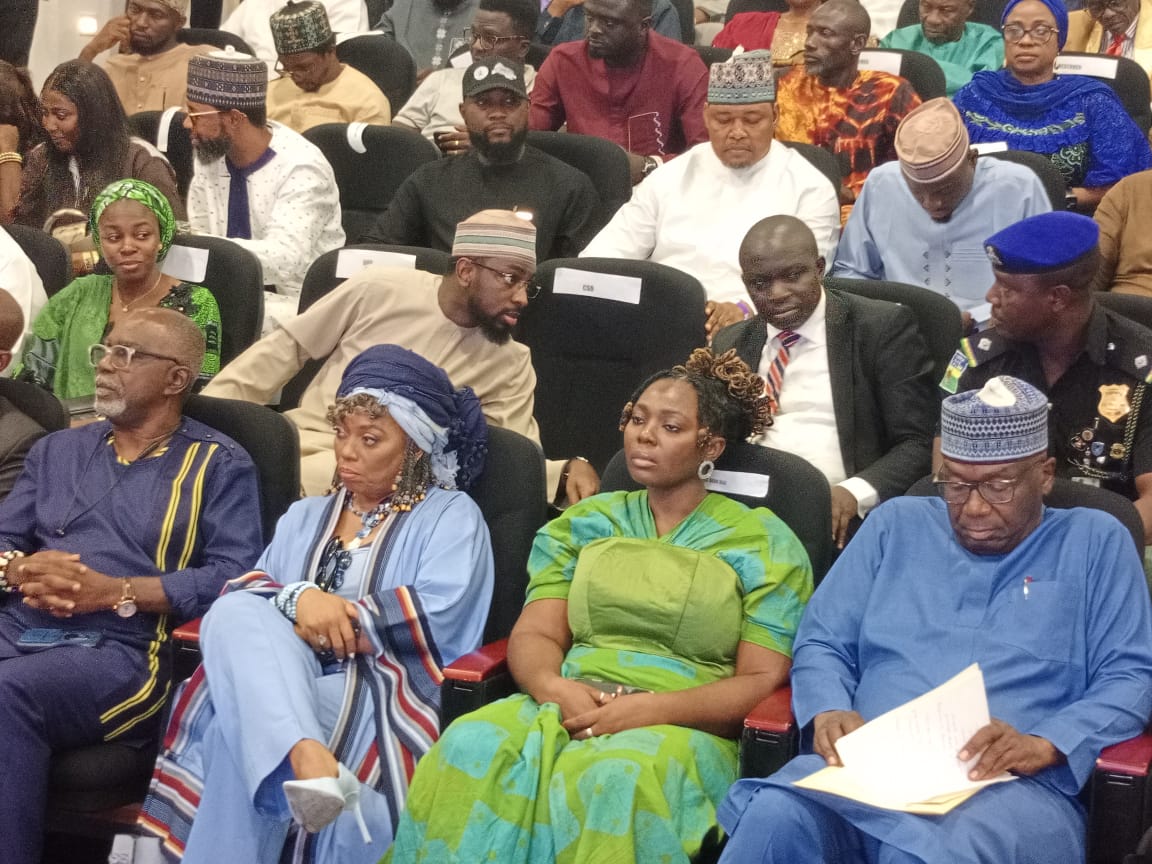
The exhibition, titled Fela Anikulapo-Kuti: A Retrospective, was opened by Governor AbdulRahman AbdulRazaq at the Institute of Contemporary African Art and Film in Ilorin on Monday.
The Governor said the establishment of the institute reflected his administration’s belief that development should extend beyond physical infrastructure to include spaces that promote creativity, knowledge and economic opportunities.
“When we established the Institute of Contemporary African Art & Film, our vision was clear: development must go beyond roads, bridges and buildings to create spaces for creativity, knowledge and opportunity,” AbdulRazaq said.
According to him, cultural infrastructure plays an important role in connecting people to their history, broadening their imagination and encouraging critical thinking.
“Physical infrastructure connects places; cultural infrastructure connects people to their history, expands their imagination and challenges their thinking,” the Governor said.
AbdulRazaq said the institute was established to preserve African stories, nurture talents and showcase the continent’s artists and thinkers to the world,
describing the decision to open the institution with an exhibition dedicated to Fela as significant, given the musician’s contribution to African music, social commentary and cultural expression.
“Fela was more than a musician. Through his music and artistic expression, he challenged conventions and confronted society with questions about power, freedom, identity and justice,” he added.
The Governor added that the late musician’s life demonstrated the capacity of artistic expression to influence public discourse and inspire social change.
The exhibition, curated by June Creative Art Advisory, led by its founder, Mrs Seun Alli, featured photography, archival materials, film, graphic works and other artistic expressions exploring Fela’s life, times and enduring influence.
AbdulRazaq commended the firm for bringing its curatorial expertise and creative vision to the project, while describing the exhibition as an opportunity for different categories of visitors to engage with the musician’s legacy.
He said the exhibition would provide students with learning opportunities beyond the classroom, inspire artists, support researchers and encourage young people to explore the creative industry.
“For students, this is a classroom beyond the classroom; for artists, inspiration; for researchers, an opportunity for deeper inquiry; and for young people, a reminder that creativity offers both self-expression and economic opportunity,” he said.
The Governor clarified that the state government was not claiming ownership of Fela’s story but was providing a platform for younger generations to encounter and learn from his legacy, adding that the state government is optimistic that the institute would promote cultural education, encourage creative enterprise, attract visitors and strengthen Kwara State’s position in Nigeria’s cultural and creative landscape.
According to him, the institution’s success would be measured by the talents it nurtured, the ideas it inspired and the opportunities it created.
“Governments change, but institutions should endure,” the Governor said, expressing the hope that the exhibition would mark the beginning of sustained cultural engagement at the institute.
“May this exhibition begin sustained cultural engagement at ICAAF and inspire our young people to create, question, discover and contribute to society,” he said.
AbdulRazaq added that the initiative reflected his administration’s commitment to building a state where cultural heritage, innovation and economic opportunities complemented one another.
In her address, the Commissioner for Communications, Hon. Bolanle Olukoju, said: “Today’s exhibition offers us an opportunity to revisit the life and works of Fela
Anikulapo-Kuti and appreciate how his music, ideas and artistic expression continue to influence generations.
“For the Ministry of Communications, this occasion speaks to an important part of our
mandate: promoting the stories, talents and creative expressions that shape our identity as a people.”
The Commissioner particularly noted that under Governor AbdulRazaq’s leadership, the State is creating opportunities for young people through investments in sectors such as film, fashion and technology.
She added: “Projects including
the Sugar Film Factory, the Garment Factory and the Ilorin Innovation Hub reflect the administration’s commitment to developing talent and supporting enterprise.
“The Institute of Contemporary African Art & Film, formerly the Ilorin Visual Arts Centre, adds an important dimension to this effort. It provides a platform for artistic expression, cultural learning and creative collaboration.
“We want young Kwarans who are passionate about painting, photography, filmmaking, fashion and design to see ICAAF as a place where they can explore their interests, learn from others and showcase their talents.
“We also encourage students to engage with art and history beyond the classroom. Fela’s story is a fitting subject for this exhibition. It demonstrates how creativity
can go beyond entertainment to shape cultural identity and influence public conversations. There is much for our young people to learn from his artistic journey and enduring impact.
“It might also interest you that kwara state was also part of Fela’s creative showcase during his lifetime.”

•••Says Ward stands with APC
Stephen Olufemi Oni, Ilorin
The Executive Chairman of the Ilorin West Local Government, Mallam Shehu AbdulRahman Babatunde Ladan, has led an All Progressives Congress (APC) mega rally in Ubandawaki Ward, reaffirming the commitment of party members and supporters to the APC ahead of the 2027 general elections.
The rally attracted party leaders, grassroots mobilisers, youths, women, and other stakeholders who gathered to demonstrate their support for the party.
Addressing the gathering, Chairman Ladan declared that Ubandawaki Ward remains committed to the APC and its political leadership, expressing support for President Bola Ahmed Tinubu’s Renewed Hope Agenda, Kwara State Governor AbdulRahman AbdulRazaq, and the APC governorship candidate, Rt. Hon. Engr. Yakubu Danladi-Salihu (SYD), alongside other party candidates for the 2027 general elections.
The Chairman emphasised the importance of unity, peaceful political engagement, and sustained grassroots mobilisation in strengthening the party’s structure ahead of the forthcoming elections, urging party faithful to remain united, engage constructively with residents, and work collectively towards the party’s political objectives.
Ladan also acknowledged the importance of Ubandawaki Ward in the political landscape of Ilorin West, encouraging party leaders and supporters to maintain cordial relationships, promote inclusive participation, and sustain engagement with the electorate. He stressed that a united party structure would help strengthen internal cooperation and effective grassroots coordination.
The mega rally renewed calls for unity, loyalty, and peaceful political participation among APC members and supporters, underscoring commitment by participants to mobilising support for the party’s candidates ahead of the 2027 general elections, while promoting peace, development, and responsible democratic engagement across Ilorin West Local Government Area.

- Mgt Accuses Union Of Dishing Out False Staff Remuneration Scale
Stephen Olufemi Oni, Ilorin
The staff of the Kwara State Internal Revenue Service (KWIRS) have lamented poor welfare conditions, rising living costs and stagnant salaries they have been subjected to, despite their contributions to the state’s revenue generation.
In a statement issued by the KWIRS chapter of the Association of Senior Civil Servants of Nigeria (ASCSN), the workers lamented that their sacrifice and professionalism, which have helped to place Kwara State among the more self-reliant states in the country, have not been matched with corresponding improvement in their welfare.
The workers questioned the disparity between their contributions to the state’s revenue and their welfare, saying many of them are battling financial hardship.
“We block leakages. We are posted to hospitals and other MDAs to secure government revenue. We work under pressure day and night but we continue to struggle to meet basic needs due to poor salaries.”
The association further expressed concern that personnel costs had remained unchanged for years while other expenditure heads had continued to increase.
It also cited a salary negotiation agreement dated October 11, 2022, which reportedly stated that the adjustment would be implemented “as soon as it can be accommodated in the budget.”
According to the workers, nearly four years after the agreement, there had been no implementation or clear indication of when the adjustment would take effect, despite the rising cost of living.
The staff said expenses on school fees, house rent, transportation and food had increased significantly while their salaries remained unchanged. “We smile outside but the majority of us are bleeding inside. We cannot continue to generate wealth for the state while we wallow in abject poverty,” they declared.
Urging their colleagues to remain united and resolute in pursuing improved welfare, the association said the workers should not expect better conditions without collectively standing up for their interests.
It called on members to remain calm, vigilant and prayerful as a 14-day period beginning October 15, 2026, counts down, without specifying further details in the statement about the expected action at its conclusion.
Reacting to the KW-IRS staff allegations, the Management, while
reaffirm its commitment to professionalism, political neutrality and its statutory mandate, expressed dismay over public speculation on staff remuneration and attempts to politicise unverified internal administrative communications.
“Management is concerned by attempts to exploit unverified internal administrative communications for political purposes, create unnecessary tension and distract the Service from its responsibilities. KWIRS will not be distracted from its mandate by such narratives,” said the Management.
It added: “The isolated salary figures being circulated on social media do not represent the full remuneration structure or total emoluments of KWIRS staff. Staff compensation extends beyond regular monthly salaries and includes the following benefits, in accordance with applicable policies and approved arrangements:
“Annual and Performance-Related Bonuses: Annual, festive, and situational bonuses linked to revenue performance milestones and staff performance and situational economic palliatives are paid periodically to staff members
“Annual Leave Allowance: A separate annual payment in addition to regular monthly remuneration.
Staff Welfare and Operational Support: Structured measures designed to support staff welfare and professional development throughout their careers.
“Accordingly, assessing staff remuneration solely on selectively circulated salary figures presents an incomplete picture of the Service’s compensation and welfare structure.
“Management remains committed to staff welfare, motivation and professional development. The Service will continue to strengthen policies and operational processes that support staff well-being and performance, within government-approved resource allocations and applicable administrative frameworks. The Service remains one of the Government Institutions with the most recruitment requests and this is a testament of Management’s commitment to staff welfare.
“KWIRS urges members of the public, taxpayers and other stakeholders to disregard unverified and misleading narratives, verify information before sharing it, and rely on official Service communications for accurate information about its operations and staff policies.
“All stakeholders are encouraged to refrain from politicising internal administrative matters or spreading claims capable of undermining institutional harmony and public confidence.
“KWIRS remains focused on its statutory responsibilities and committed to mobilising revenue for the economic growth and sustainable development of Kwara State.”

WHO: Nigeria Records Zero Ebola Cases After Evacuation of Swiss Couple

Kwara celebrates Fela’s legacy with retrospective exhibition

2027: Ilorin West LG Boss Leads APC Mega Rally In Ubandawaki

-
 Uncategorized6 years ago
FG, states urged to harness flooding for ranching, others with technology – Agbaje
-
 Headlines11 years ago
Breaking: EFCC seals Borno House of Assembly, as Hon members take to their heels
-
 News12 years ago
Nigeria Security Operatives Stage Manhunt For Homosexual Perpetrator
-
 News10 years ago
How 21-year-old Girl fled community over accusation of lesbianism
-
 News11 years ago
Yobe Gov Moves Against Deputy
-
 Opinion7 years ago
7 signs she has friend zoned you
-
Technology5 years ago
Online job placement company headhunts women
-
 Headlines10 years ago
Borno Dep Gov Abducts Another Church Leader