
News
Top 6 Nigerian Female Political Activists Before and After British Rule

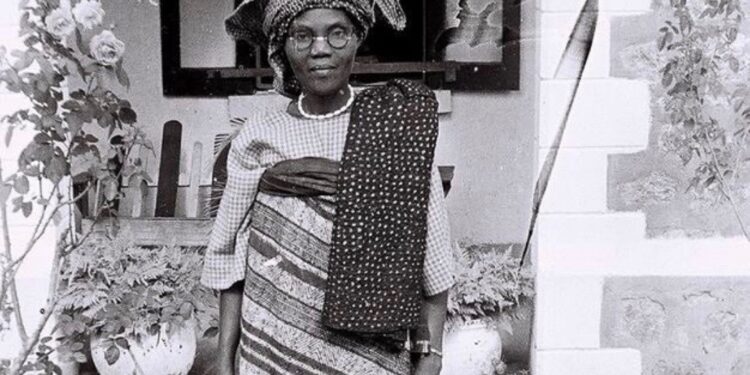
By Milcah Tanimu
If you’re a student of history, you should have heard of some amazing female political activists Nigerians were so proud of during their time. These incredible women emerged at a time when women had little to no involvement in governance. Through their determination, they overcame obstacles and advanced the status of women in Nigeria.
1. Funmilayo Ransome-Kuti
Funmilayo Frances Abigail Ransome-Kuti, born on October 25, 1900, in Abeokuta, Ogun State, was a pioneer in women’s rights and education. Her parents, Chief Daniel Olumeyuwa Thomas and Lucretia Omoyeni Adeosolu, believed in the importance of education. She was the first female student at Abeokuta Grammar School and later became a teacher.
In 1932, she founded the Abeokuta Ladies Club, which focused on empowering women through training in various skills and engaging in charity work. By 1940, the club embraced political activism, and in 1946, it was renamed the Abeokuta Women’s Union (AWU). The union, which included Grace Eniola Soyinka, fought against unfair taxes and prices imposed on market women.
Ransome-Kuti’s activism gained prominence when she led the AWU in protesting against the Alake of Egbaland’s tax policies. She championed many causes both domestically and internationally, meeting with global leaders and advocating for women’s rights. She died on April 13, 1978, after sustaining injuries during a military invasion of her family’s property. She was awarded the Member of Order of Niger (MON) and the Lenin Peace Prize.
2. Margaret Ekpo
Margaret Ekpo, born on July 27, 1914, in Creek Town, Cross River State, was a prominent political activist. She began her career as a teacher before studying domestic science at the Dublin Institute of Technology. Her political involvement started in 1945 when she attended a meeting on behalf of her husband, addressing the mistreatment of indigenous doctors by colonial masters.
Ekpo formed the Market Women Association in Aba to advocate for women’s economic and political rights. She collaborated with Funmilayo Ransome-Kuti to protest the killings of Enugu coal workers. Ekpo was detained for three years during the civil war but continued her activism, leading to women outnumbering men as voters in Aba. In 1961, she won a seat in the Eastern Regional House of Assembly, promoting women’s progress. She died in 2006.
3. Hajia Gambo Sawaba
Hajia Gambo Sawaba, born on February 15, 1933, in Zaria, Kaduna State, was a notable political activist from northern Nigeria. Her father was Ghanaian, and her mother was Nupe. Sawaba joined politics at 17, becoming a member of the Northern Element Progressive Union (NEPU). She campaigned against child marriages, forced labor, and for women’s education.
Sawaba faced imprisonment for her activism but continued to organize meetings advocating for women’s political inclusion. In 1956, she marched to the Premier’s office demanding a franchise for northern women. Nicknamed “Gambo Sawaba” by Aminu Kano, she admired Funmilayo Ransome-Kuti. She died in October 2001.
4. Adunni Oluwole
Adunni Oluwole, born in 1905 in Ibadan and raised in Lagos, was a political activist, preacher, and founder of the Nigerian Commoners Liberal Party in 1954. She opposed the immediate fight for independence, fearing that African politicians would abuse power. Her teachings resonated with rural Yorubas, advocating for gradualism over immediate independence. She supported workers’ rights and fought for equality. Oluwole died in 1957.
5. Elizabeth Adekogbe
Elizabeth Adeyemi Adekogbe, born in 1919, was an educator, journalist, and activist. She founded the Women Movement of Nigeria in 1953, focusing on equal educational opportunities, economic stability, and women’s political rights. She collaborated with Funmilayo Ransome-Kuti and Margaret Ekpo, leading to the formation of the Federation of Nigerian Women’s Organization (FNWO) in 1953. She later changed the movement’s name to the National Council of Women. Adekogbe participated in political campaigns and formed the Council of Women’s Societies in 1957. She died in 1968.
6. Janet Nwadiogo Mokelu
Janet Nwadiogo Mokelu, born on February 7, 1910, in Asaba, Delta State, was a committed political activist, teacher, and philanthropist. She led the Anglican Women’s Conference for 25 years, initiating projects such as a boys’ secondary school and a weaving industry. Mokelu was one of Nigeria’s first female lawmakers, advocating for equal pay for women and mobilizing protests against colonial policies. She fought for women’s voting rights and equity. Mokelu died on March 31, 2003.
These women have left indelible marks on Nigeria’s political history, advancing women’s rights and setting the stage for future generations.
News
“WIKE CANNOT CHOOSE A GOVERNOR FOR US!” — Group Rejects Alleged Rainbow Coalition Plot in Benue

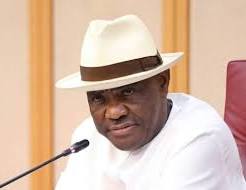
The Benue Alliance for Good Governance and Accountability (BAGA) alleges secret political negotiations involving Wike, Akume and Ortom; insists Governor Alia should be allowed to complete two terms if re-elected.
BAGA has raised concerns over an alleged political arrangement involving prominent political figures, warning against any attempt to influence the outcome of the 2027 Benue State governorship election without the consent of voters.
In a statement signed by its President, Chief John Terfa, the group alleged that the Minister of the Federal Capital Territory (FCT), Nyesom Wike, was involved in discussions with the Secretary to the Government of the Federation (SGF), Senator George Akume, and former Benue State Governor Samuel Ortom over a proposed political alliance reportedly known as the “Rainbow Coalition”.
BAGA further alleged that Wike was seeking political control over five states under the Peoples Democratic Party (PDP) as part of the proposed arrangement to deliver President Bola Tinubu’s re-election in 2027, with Benue reportedly among the states being considered to hand over to Wike through the Rainbow Coalition.
The group also claimed that the alleged discussions were aimed at securing the emergence of former Attorney General of the Federation, Chief Mike Aondoakaa, as a preferred governorship candidate in Benue under the proposed coalition, despite Aondoakaa being banned from holding any political office for life by Supreme Court, due to unprecedented corruption and abuse of office when he was the Attorney General.
BAGA questioned why political actors from outside Benue should have a decisive influence over who governs the state, arguing that the choice of governor must remain with the electorate.
“Benue is not a political commodity to be traded behind closed doors in Abuja. The people of the state must have the final say on who governs them and the direction their state takes,” the group said.
The organisation alleged that Wike had held a series of meetings with Akume and Ortom in recent weeks to discuss the reported arrangement.
It further claimed that tensions arose during one of the alleged meetings at Akume’s residence in Abuja recently, where Wike was said to have questioned why Akume had allowed Governor Hyacinth Alia to become so politically powerful.
It was alleged that Wike demanded that Akume should make sure Governor Alia is not re-elected or declared winner in 2027 whether he wins or not and boast of having the judiciary under his control.
BAGA rejected what it described as an attempt to determine Benue’s political leadership through negotiations among powerful individuals, insisting that Governor Hyacinth Alia should be allowed to complete his constitutionally permitted tenure, if re-elected in 2027.
The group said it believed Alia’s administration was performing well in governance and development, adding that political alliances should not be used to undermine the democratic choices of the electorate.
It also criticised the record of Ortom’s administration and expressed concern about what it described as divisions within Benue’s political space arising from the influence of powerful political interests within and outside the state.
BAGA argued that any coalition seeking to influence the 2027 election should be based on transparent principles, competence, accountability and the interests of the people, rather than personal ambition or political bargaining in Abuja.
The group also challenged political actors seeking the support of President Bola Ahmed Tinubu to pursue their ambitions without attaching conditions that could compromise the democratic choices of the voters.
“Benue people are politically conscious. They will not surrender their future to a coalition of political interests formed without their consent,” the statement said.
The organisation called on voters, civil society groups and political stakeholders to remain vigilant and defend the state’s democratic rights ahead of the 2027 elections.
“Whatever colour it is given; Rainbow, PDP or otherwise, the people will reject any arrangement that threatens their collective interests and development,” BAGA said.
“Benue is not Rivers and we will not allow Wike from Rivers State to choose a governor for us in Benue State,” the group added.
According to BAGA, the central issue is whether political negotiations in Abuja will respect the right of Benue voters to determine their own leadership.
The group maintains that the state’s governorship should not be decided through private agreements among political power brokers, but through a democratic process in which the people have the final say.
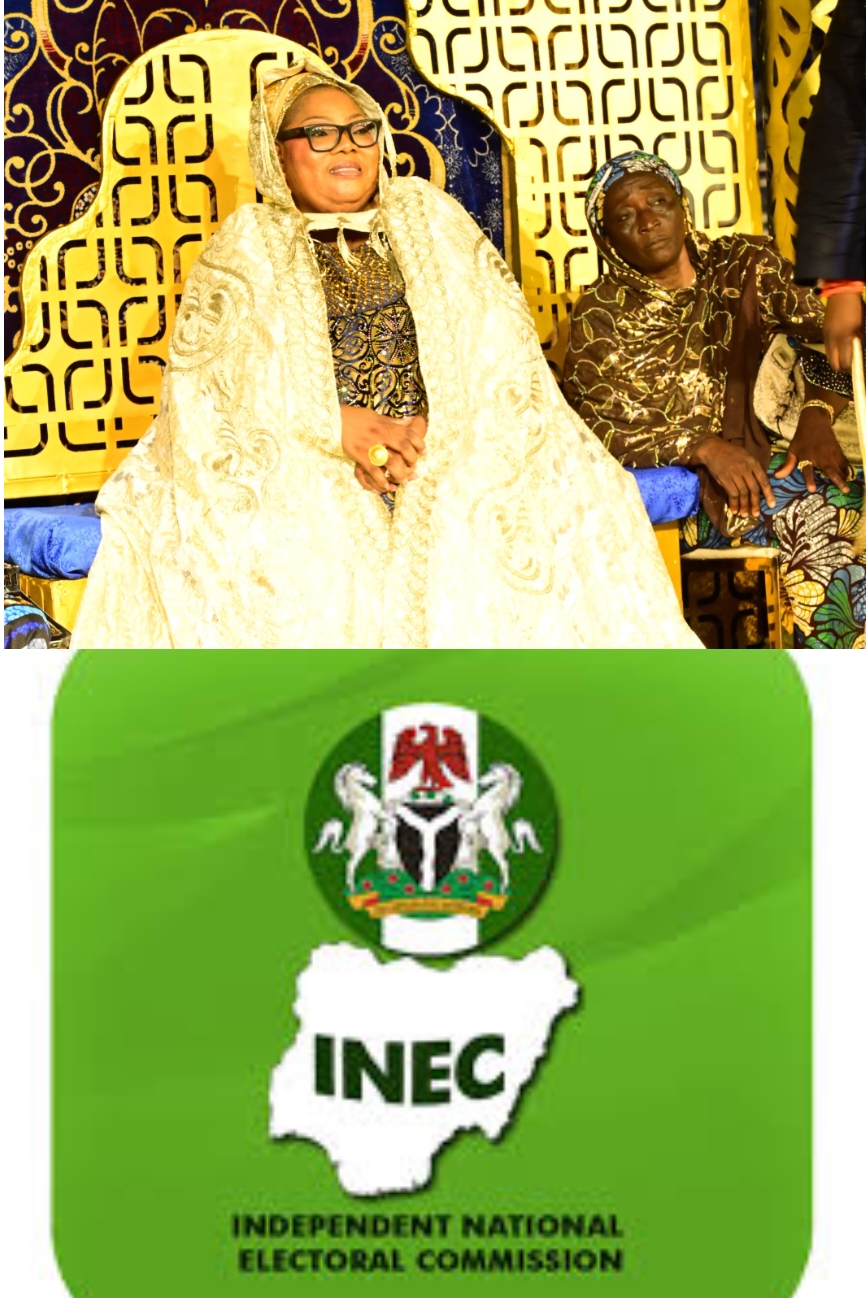
The Coalition of Civil Society Organisations Against Corruption (COCSOAC) and 33 partner civil society organisations have expressed confidence in the Independent National Electoral Commission (INEC), urging Nigerians to treat recent reports concerning the commission with caution and rely only on verified facts.
The coalition, in a statement signed and issued in Abuja on Tuesday by its President, Bola Ademola, and National Secretary, Comrade Abdulfatah Aliyu, the group said while INEC must be held accountable where necessary, criticisms of the electoral body should be based on credible evidence, due process and an opportunity for affected parties to respond.
COCSOAC was reacting to an online publication alleging questionable staff redeployments within INEC, including the reported reassignment of a Northern director and the deployment of South-West officials to key departments.
The coalition said it had not independently verified the alleged redeployments or the motives behind them, warning that claims of political interference or ethnic favouritism should therefore not be treated as established facts.
“Assuming without conceding that the redeployments occurred as reported, staff reassignment is a recognised administrative practice that may serve legitimate purposes, including operational efficiency, professional development and improved management,” the group said.
It maintained that the geographical origin or family associations of an INEC official could not, on their own, establish bias or an intention to manipulate elections.
According to the coalition, the more important questions should be whether the decisions complied with applicable rules, received proper authorisation and were based on legitimate administrative considerations.
COCSOAC consequently urged INEC to clarify the circumstances surrounding the reported redeployments where necessary, while appealing to the media and civil society organisations to avoid drawing premature conclusions from unverified reports.
The group also congratulated INEC Secretary, Dr Rose Oriaran Anthony, on her turbaning, describing institutional experience, diligence and administrative continuity as important factors in the management of elections.
It appealed to President Bola Ahmed Tinubu to consider Oriaran Anthony for reappointment as INEC Secretary when her tenure expires, subject to applicable laws and established appointment procedures.
COCSOAC said its appeal was not a demand for an appointment outside the law but was based on the need to preserve institutional knowledge and strengthen coordination ahead of the 2027 general elections.
“Where an experienced incumbent has demonstrated the requisite commitment and competence, continuity may help preserve institutional knowledge, strengthen coordination and support preparations for peaceful, credible and well-organised elections,” the coalition said.
It, however, stressed that any decision on the matter must be guided by legality, INEC’s independence and the integrity of the electoral process.
The coalition called on political actors, civil society organisations, the media and other stakeholders to protect public confidence in Nigeria’s electoral institutions through evidence-based engagement, transparency and respect for due process.
It said its position was not that INEC should be shielded from scrutiny, but that allegations against the commission must be verified and affected institutions given a fair opportunity to respond.
“As the nation approaches another critical electoral cycle, accountability, institutional stability and the rule of law must remain central to the collective pursuit of credible elections,” COCSOAC said.
News
Intelligentsia Machinery Celebrates Seyi Tinubu, Hails Contributions to Enterprise, Philanthropy, Youth Empowerment
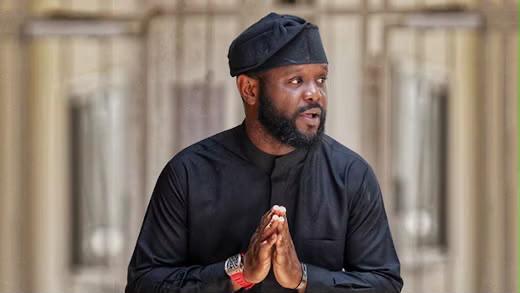
The Intelligentsia Machinery (IM) has congratulated Seyi Tinubu on his birthday, celebrating his contributions to enterprise development, humanitarian service, youth empowerment and national engagement.
The organisation, in a congratulatory message signed by Omoba Kenneth Aigbegbele and Com Umar Farouk on behalf of its resource persons, members and senior executives, described the birthday as an opportunity to reflect on Tinubu’s personal journey, professional accomplishments, philanthropic engagements and responsibilities associated with influence and public visibility.
The organisation celebrated Tinubu as an entrepreneur, philanthropist and advocate of youth empowerment, noting that his public profile encompasses private-sector enterprise, legal training, humanitarian interventions and initiatives aimed at expanding opportunities for young Nigerians.
According to the statement, the birthday provides an appropriate moment to acknowledge the different dimensions of his public profile while encouraging the continued expansion of programmes capable of delivering measurable and sustainable benefits to Nigerians.
“Today, we celebrate not merely another year in your life but also an opportunity to reflect on your personal journey, professional accomplishments, humanitarian engagements, and the responsibilities that accompany influence, privilege, and public visibility in a developing nation such as Nigeria,” the statement said.
Education, Enterprise and Personal Development
The organisation highlighted Tinubu’s educational background, noting that he studied Business Administration at the University of Maryland in the United States and Law at the University of Buckingham in the United Kingdom before being called to the Nigerian Bar in 2013.
It said the educational experiences provided an important context for understanding his subsequent involvement in business, entrepreneurship and public engagement, adding that his professional journey reflected the intersection of business knowledge, legal training, strategic thinking and opportunities within Nigeria’s evolving private sector.
The statement also recognised his role as Chief Executive of Loatsad Promomedia, where he has been associated with Nigeria’s out-of-home advertising industry.
According to IM, the sector connects businesses, brands, consumers and the wider commercial environment, while private enterprise remains important to Nigeria’s economic development.
It noted that businesses could contribute to employment, innovation, professional development and opportunities for young people through investments in talent, new ideas and sustainable operations.
The organisation therefore encouraged Tinubu to continue pursuing enterprise that advances commercial objectives while contributing to skills development, responsible business practices and the growth of Nigeria’s creative and entrepreneurial economy.
Philanthropy and the Responsibility to Give Back
On philanthropy, the organisation acknowledged Tinubu’s association with the Noella Foundation and other humanitarian engagements, noting that publicly reported activities linked to his philanthropic work had included healthcare support, assistance to vulnerable communities and initiatives intended to improve access to opportunities for young Nigerians.
It said the interventions underscored the importance of social responsibility and demonstrated how influence could be used to address the practical needs of individuals and communities.
The statement observed that Nigeria continued to face challenges relating to poverty, access to healthcare, educational opportunities and economic inclusion.
It added that partnerships among philanthropic organisations, businesses, community groups and public institutions could complement wider development efforts.
IM specifically acknowledged reports of healthcare interventions associated with Tinubu’s philanthropic activities, including the Drug Banks for Indigent Patients initiative launched at Ahmadu Bello University Teaching Hospital in Kaduna State in August 2024.
It also recognised public accounts of humanitarian assistance provided to communities affected by flooding in Borno State in 2024.
According to the organisation, such interventions demonstrated the importance of responding to the needs of vulnerable people, particularly during periods of displacement, hardship and uncertainty.
The organisation encouraged the continued strengthening of these humanitarian efforts through transparent implementation, broad access, measurable outcomes and sustained attention to community development.
It stated that the true significance of philanthropy lay not simply in the resources committed but also in the dignity restored, opportunities created and improvements sustained in the lives of beneficiaries.
The statement added that these outcomes reflected the importance of maintaining a commitment to the common good.
Youth Empowerment and the Future of Nigeria
The organisation also identified Tinubu’s engagements with youth-focused initiatives as an important dimension of his public profile.
It noted that Nigeria had an energetic and ambitious young population whose potential could be strengthened through quality education, vocational training, mentorship, entrepreneurship, digital skills and access to productive opportunities.
However, it stressed that ambition alone was insufficient, explaining that young people also needed supportive institutions, access to finance, professional guidance, practical experience and an economic environment in which hard work and creativity could translate into meaningful progress.
The statement highlighted Tinubu’s association and initiative with the Seyi Tinubu Empowerment Project (STEP), describing it as part of the focus on youth empowerment and entrepreneurial development.
IM expressed the belief that initiatives of this nature could make a more enduring contribution through structured programmes that equip beneficiaries with practical skills, business knowledge, mentorship and opportunities for sustainable livelihoods.
The organisation encouraged the continued expansion of youth-centred programmes capable of reaching young Nigerians across different regions, backgrounds and economic circumstances.
It said its aspiration was to see a generation of young Nigerians who were not merely beneficiaries of assistance but also employers, innovators, responsible citizens, community leaders and contributors to national development.
The statement further attributed Tinubu’s public profile to various initiatives and philanthropic activities which, according to the organisation, had impacted lives and created far-reaching and enduring legacies.
Leadership, Influence and Public Responsibility
On leadership and public responsibility, IM noted that public visibility brought both opportunities and responsibilities, particularly for individuals whose activities attracted national attention.
It said the challenge was to ensure that influence contributed constructively to society and that public engagements remained connected to the expectations and concerns of ordinary citizens.
The organisation observed that Tinubu’s public profile had developed within the context of business, philanthropy, family prominence and increasing public interest in the role of young Nigerians in national affairs.
It also credited him with supporting and promoting youth participation in governance under the present administration, describing the development as significant in the country’s political history.
The statement, however, acknowledged that public assessments of influential figures could differ, stressing that meaningful public confidence was strengthened through openness, accountability, constructive engagement and demonstrable results.
IM therefore regarded the birthday as an opportunity to encourage continued investment in programmes that promote social inclusion, entrepreneurship, humanitarian assistance and the participation of young people in addressing Nigeria’s development challenges.
It expressed the hope that Tinubu would continue to demonstrate the enduring value of these commitments through initiatives whose outcomes could be assessed by the people and communities they were intended to serve.
The organisation wished him more glorious days ahead in his service to the nation and humanity.
Bridging Opportunities and Social Impact
The statement emphasised that Nigeria’s development required collaboration among government institutions, the private sector, civil society organisations, philanthropists, professional bodies and young people.
It noted that no single individual or institution could resolve the country’s numerous social and economic challenges alone, adding that progress depended on partnerships that combined resources, expertise, innovation and a shared commitment to the public good.
According to IM, the relationship between entrepreneurship and social impact remained important because commercial success could create opportunities, while responsible philanthropy could help address urgent social needs.
It added that when these efforts were supported by transparent processes and a commitment to measurable results, their benefits could extend beyond individual beneficiaries to families and communities.
The organisation also acknowledged what it described as the present administration’s commitment to such processes, while encouraging Tinubu to continue building partnerships that strengthen educational opportunities, improve access to healthcare, support emerging entrepreneurs and promote constructive engagement among young Nigerians.
It further expressed the hope that his future engagements would reflect an appreciation of Nigeria’s diversity and the importance of extending opportunities fairly across geographical, social and economic boundaries.
The statement described this as a key focus and direction of his engagements.
Birthday Wishes and Renewed Purpose
As Tinubu marks another year, the organisation said birthdays provided opportunities for celebration, gratitude, reflection and renewed purpose.
It expressed the hope that the new year would bring him good health, wisdom, peace, renewed determination and greater opportunities to contribute positively to society.
The organisation also wished that his professional pursuits would continue to create value, his humanitarian engagements would reach more people in need, and his youth-focused initiatives would help more Nigerians develop the skills and confidence required to build productive futures.
It encouraged him to remain open to constructive dialogue, embrace accountability and sustain a commitment to initiatives whose benefits could be clearly demonstrated in the lives of ordinary Nigerians.
For the Intelligentsia Machinery, the statement said, the birthday celebration was an occasion to extend goodwill and reaffirm the importance of enterprise, humanitarian service, youth development and responsible public engagement in building a more inclusive and prosperous Nigeria where every life matters.
Describing Tinubu as a leader and mentor, the organisation characterised him as an audacious and kind-hearted individual whose love for humanity knew no bounds.
It wished him a fulfilling new year of life marked by good health, sound judgement, personal happiness, professional progress and meaningful accomplishments.
The organisation further expressed the hope that the years ahead would provide greater opportunities for him to expand his contributions to healthcare, education, entrepreneurship, youth empowerment and community development.
It also prayed that his journey would continue to be guided by a commitment to service, a willingness to learn and a determination to translate opportunities into lasting value for society.
The statement concluded with birthday wishes to Tinubu, expressing hopes for long life, good health, greater wisdom and many more years of purposeful achievement.
“Once again, the Resource Persons, Members, and Senior Executives of the Intelligentsia Machinery (IM) warmly congratulate you on your birthday anniversary,” the statement said.
The message was signed by Omoba Kenneth Aigbegbele and Com Umar Farouk on behalf of the resource persons, members and senior executives of the Intelligentsia Machinery.


“WIKE CANNOT CHOOSE A GOVERNOR FOR US!” — Group Rejects Alleged Rainbow Coalition Plot in Benue

2027: Group Defends INEC, Urges Evidence-Based Scrutiny of Staff Redeployments

2027: CSOs Back INEC, Seeks Oriaran Anthony’s Reappointment As Secretary

-
 Uncategorized6 years ago
FG, states urged to harness flooding for ranching, others with technology – Agbaje
-
 Headlines11 years ago
Breaking: EFCC seals Borno House of Assembly, as Hon members take to their heels
-
 News12 years ago
Nigeria Security Operatives Stage Manhunt For Homosexual Perpetrator
-
 News10 years ago
How 21-year-old Girl fled community over accusation of lesbianism
-
 News11 years ago
Yobe Gov Moves Against Deputy
-
 Opinion7 years ago
7 signs she has friend zoned you
-
Technology5 years ago
Online job placement company headhunts women
-
 Headlines10 years ago
Borno Dep Gov Abducts Another Church Leader