
News
Jiangsu province explores green, low-carbon production, lifestyles

By Yao Xueqing, Bai Guangdi, People’s Daily
Jiangsu province in east China has made ceaseless efforts to foster green production and promote green lifestyles over recent years, integrating a green philosophy into everything from architectures to transportation, and to production.
By the Yangtze River in the Jiangbei New Area of Nanjing, capital of Jiangsu province, there is a building that looks like a giant wooden house which covers 2,400 square meters. The wooden structure, which looks cozy and trendy, has a top covered by large numbers of solar panels. It’s cool inside on hot summer days even without the air conditioning on.
The “wooden house” is the service center of a residential complex for talents working in the city. The biggest highlight of the structure is that it is self-sufficient in energy.
Zhu Kan, deputy director of the green architecture center of Nanjing Yangtze River Urban Architectural Design Co., Ltd., the designer of the “wooden house,” told People’s Daily that the structure features ultra-low energy consumption.
It was built with thermal-insulation wood materials and in the wall cavity, there are fire- and heat-resistant stone wool boards that keep the structure cool in the summer and warm in the winter, Zhu said.
According to estimation, energy demand of the service center is only about 70 percent of that of similar buildings, which means that the structure can save 316,000 kWh of electricity and 1,600 tons of water on an annual basis, equivalent to reducing 274.4 tons of carbon dioxide emissions.
Apart from saving energy, the service center is also a supplier of energy. The 864 solar panels which span 1,800 square meters on the top of the building make a micro grid that boasts a total installed capacity of 345 kW and an annual generation capacity of 270,000 kWh. The micro grid powers not only the building itself, but also the charging poles in the residential complex. The clean electricity generated by the facility each year is able to charge more than 5,000 electric vehicles.
“It’s a prefabricated building, and the construction of it was like building blocks. Parts needed were fabricated in factories and then transported to the site for assembly,” said Zhu, adding that it was efficient and reduced environmental pollution.
It is learned that Jiangsu province has built a batch of similar structures featuring ultra-low energy consumption. Constructed in green and low-carbon ways, they boast higher efficiency of energy utilization and lower carbon emissions.
At 8:00 am on a Monday, when traffic was the busiest of the day, Chen Taizhou, bus driver of Line 1 of Jiangsu’s Wuxi, drove a bus from Wuxi’s central bus station to the destination Yuantouzhu, a local scenic tourist region.
“It was all jammed in the peak hours a few years ago, and I had to wait at traffic lights at almost every crossroads. Passengers always complained about it,” said Chen, referring to a 5-kilometer section that crosses 10 intersections in the downtown.
However, things have changed since last September. Chen found that he was seeing more green lights and less red ones when driving through the section, and the cycle length of red lights became shorter.
The change came from Wuxi’s innovative attempt to promote green transportation and public transit with the Internet of Things (IoT) technology.
Chen’s bus is powered by new energy and looks very tech-ish. On the top of it there are two antennas, which help realize precise positioning of the vehicle with the differential positioning technology. Besides, the bus is also equipped with a smart gateway that transmits real-time data of the vehicle, including speed, mileage and positioning information.
Three bus routes in the city now enjoy transit signal priority (TSP) at some 30 crossroads thanks to the application of the internet of vehicles, said an official with the municipal bureau of industry and information office of Wuxi.
According to the official, these buses now make 1.03 less stops during a single trip and their average waiting time at each crossroads has been reduced by 54 seconds, or 36.1 percent.
Apart from Wuxi, other cities in Jiangsu province also launched TSP services and green bus routes, including Suzhou and Suqian. With better experiences, green public transport is seeing more and more passengers.
In a factory of Globe Group in Changzhou, Jiangsu province, one of the leading Chinese manufacturers of new energy gardening machinery, solar panels were seen on the top of workshop buildings. Apart from the solar power facility, the factory also employs clean production techniques. It has established a resource recycling mechanism and is constantly optimizing the structure of energy consumption for better green development.
Senior vice president of the company Zhuang Jianqing told People’s Daily that the company, using government subsidies, launched green transition for its production, building two unmanned workshops, updating 50 automated production lines and introducing 240 robots. Besides, it has also established a circulating water treatment system. Thanks to these efforts, the factory has expanded its capacity by four times while being environmentally friendly.
Over recent years, Jiangsu province has accelerated the green transition of traditional industries and increased its support for environmental protection, clean production and green service industries, building a batch of green high-tech factories featuring low energy consumption and low pollution.
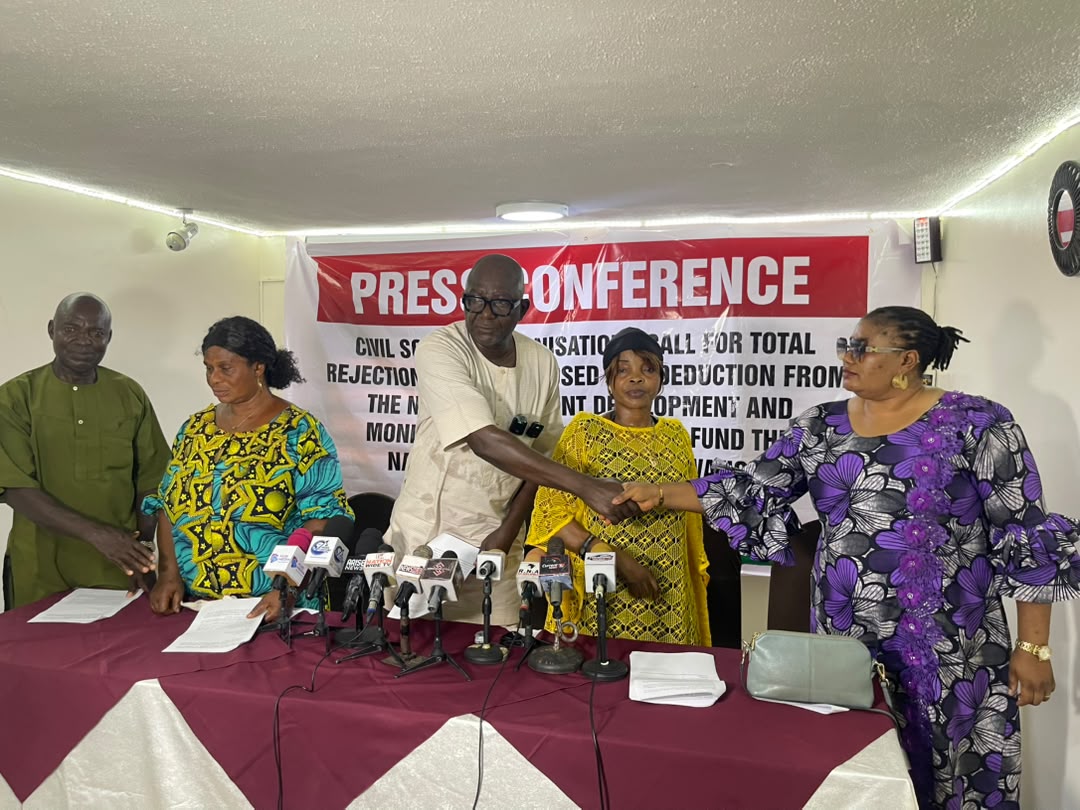
The Coalition of Civil Society Organisations in Nigeria (COCSON) has rejected a proposed 20 per cent deduction from the Nigerian Content Development and Monitoring Board (NCDMB) to finance the proposed National Research and Innovation Development Fund.
The coalition described the proposed funding arrangement as unacceptable, warning that it could undermine the development of indigenous capacity and local value addition in Nigeria’s oil and gas industry.
Speaking at a press conference in Abuja on Thursday, November 26, 2026, COCSON spokesperson, Tabuko Kennedy, said the coalition was not opposed to the establishment of a national research and innovation fund but strongly objected to the proposed funding mechanism.
Kennedy argued that funds allocated to the NCDMB were specifically meant to develop local capacity, support indigenous companies, train Nigerian engineers and promote value addition within the oil and gas sector.
He warned that diverting 20 per cent of the board’s revenue to finance another institution could weaken its ability to fulfil its statutory responsibilities.
According to him, the funds domiciled with the NCDMB are not surplus government revenue but contributions from companies operating in the oil and gas industry, specifically earmarked for local content development.
He maintained that diverting such funds without the consent of industry stakeholders would amount to a breach of trust and undermine the original purpose for which the resources were collected.
The coalition also warned that the proposed deduction could establish a dangerous precedent where financially viable government agencies would have portions of their revenues diverted to fund newly established institutions.
Kennedy questioned what would prevent similar deductions from other specialised intervention funds, including the Tertiary Education Trust Fund, the Universal Service Provision Fund and the Police Trust Fund.
He said such a practice could discourage revenue-generating agencies from improving their financial performance, create inter-agency rivalry and undermine long-term institutional planning.
COCSON further argued that the proposed deduction could violate the Nigerian Oil and Gas Industry Content Development Act, which provides the legal framework for the management and utilisation of funds accruing to the NCDMB.
The coalition maintained that the legislation did not envisage using the board’s resources to finance an unrelated research and innovation institution, describing the proposed diversion as inconsistent with the original statutory purpose of the funds.
Consequently, COCSON called on the leadership of the National Assembly, relevant committees and the Federal Executive Council to reject the proposed 20 per cent deduction.
It also appealed to President Bola Tinubu not to assent to the bill if the controversial funding provision remains in it.
The coalition disclosed that it had mobilised organised labour, pressure groups, religious organisations and other civil society groups to resist the proposed legislation.
It, however, stressed that it was not against research, innovation or the establishment of a national research funding institution, urging the government and lawmakers to explore alternative funding arrangements that would not undermine existing development agencies.
COCSON also called on Nigerians and industry stakeholders to oppose what it described as a legislative overreach, insisting that the country’s local content development programme should not be weakened to finance a new institution.
…Praises Alia For Restoring Residents To Ancestral Homes
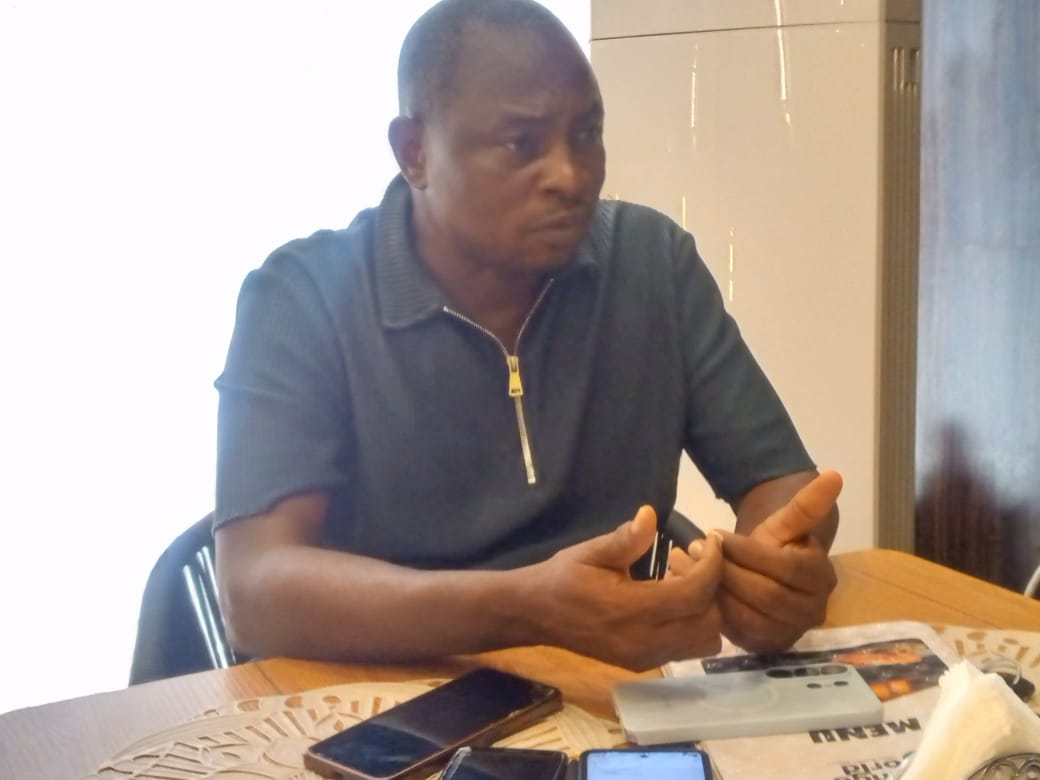
A former Commissioner for Lands and Survey in Benue State, Surveyor John Tondu, has accused the immediate past administration of failing to protect communities ravaged by insecurity, alleging that his people were effectively ranched instead of cattle, contrary to the objectives of the state’s anti-open grazing law.
Tondu, a former governorship aspirant, said residents of his local government endured years of displacement and were unable to access their ancestral homes despite the enactment of the Open Grazing Prohibition and Ranches Establishment Law in 2017.
The former commissioner who disclosed this while speaking with newsmen in Makurdi on Tuesday, also stated that one of the things that endeared him to Governor Hyacinth Alia, of Benue state, was his ability to ensure that his people who were living in Internally Displaced Persons (IDP) camps have return to their ancestral homes.
He alleged that while the law was intended to prohibit open grazing and provide for the establishment of ranches for livestock, the reality in his community was that human beings became victims of displacement and confinement instead of animals being accommodated in ranches.
According to him, “First, I come from a local government area that had the privilege of producing a governor who served the state for eight years. Yet, if you visit my local government, you would hardly believe that somebody from that area had occupied the office of governor for that length of time.”
Reflecting on the security situation during the previous administration, Tondu lamented that his community was among those severely affected, with residents effectively cut off from their ancestral homes for years.
“In 2017, the Open Grazing Prohibition and Ranches Establishment Law was enacted. The implication was that open grazing would no longer be allowed and livestock would have to be ranched.
“But, in reality, it was human beings who were ranched instead of animals. My people were effectively confined to displacement for eight years. Nobody could freely access his ancestral home,” he alleged.
The former commissioner, however, observed that the situation began to change following the inauguration of Governor Hyacinth Alia on May 29, 2023, disclosing that by September of the same year, displaced residents had started returning to their communities.
He pointed out that some of the residents were returning to homes they had been unable to visit for about five years, adding that members of his community had since resumed normal family and social activities.
“By September 2023, just a few months after Governor Alia assumed office on May 29, 2023, my people had started returning to their communities. They were returning to homes they had not visited for about five years,” he said.
Furthermore, Tondu stated that “As I speak, members of my community have returned home to live peacefully and carry on their normal family activities.
“Nobody is living in the ranch that was supposed to accommodate animals. My people were the ones who ended up living in what I describe as a human ranch.”
Tondu said the return of his people to their ancestral homes was a major consideration in his decision to identify with the Alia administration, insisting that the government needed sustained support to consolidate the security gains.
“This development alone has endeared me to the present administration. I believe we must give the government every necessary support to ensure that my people continue to enjoy the freedom and peace they have experienced over the years,” he said.
Beyond security, the former commissioner cited improvements in urban infrastructure and workers’ welfare as other reasons for his support for the governor.
He recalled that during his tenure as Commissioner for Lands and Survey, he took steps to address indiscriminate building in Makurdi, where some property owners allegedly ignored approved government layouts and development plans.
According to him, enforcing the opening of access roads in affected areas generated resistance from some individuals at the time, but he was pleased that the present administration had subsequently opened, tarred and constructed some of the roads.
“Today, if you visit those areas, you will see that some of the access roads we insisted should be opened have been opened, tarred and constructed by the present administration.
“That means I can physically see the impact of my own contribution to the state because somebody is providing the leadership needed to build on it,” he emphasised.
On workers’ welfare, Tondu observed that the payment of salaries and pensions was particularly important in Benue, which he described as essentially a civil service state.
He said delayed salaries and pensions had consequences beyond the immediate beneficiaries, affecting families, dependants and the wider economy.
He noted that “Benue is essentially a civil service state, and when salaries and pensions are not paid, you can imagine the consequences for families and the wider economy.
“Even if I do not have parents who are pensioners, I have relatives and friends whose parents are pensioners and civil servants. Civil servants are now being paid their salaries, while pensioners are also receiving their pensions.”
Tondu maintained that the Alia administration was addressing issues he had considered priorities when he aspired to govern the state, arguing that political ambition should be driven by the desire to serve rather than the personal quest to occupy public office.
“The governor is addressing these issues. So, what reason would I have not to support him?
“These were some of the priorities I had when I aspired to become governor. If somebody occupying that office is providing the services I would have provided had I been elected, refusing to support him would suggest that my own ambition was personal rather than driven by service,” he stated.
Tondu consequently pledged his commitment to supporting Alia’s re-election bid, saying the governor should be given the opportunity to consolidate the administration’s programmes and do more for the people.
“It is in that spirit that I am supporting the government with every commitment and assistance I can offer so that Governor Alia can be re-elected and do more for the people of Benue State,” the former governorship aspirant stated. End
News
Hon. Jafaaru Yakubu Commends China Harbour on Makurdi-Enugu Road Project, Urges FG to Release Funds for Completion
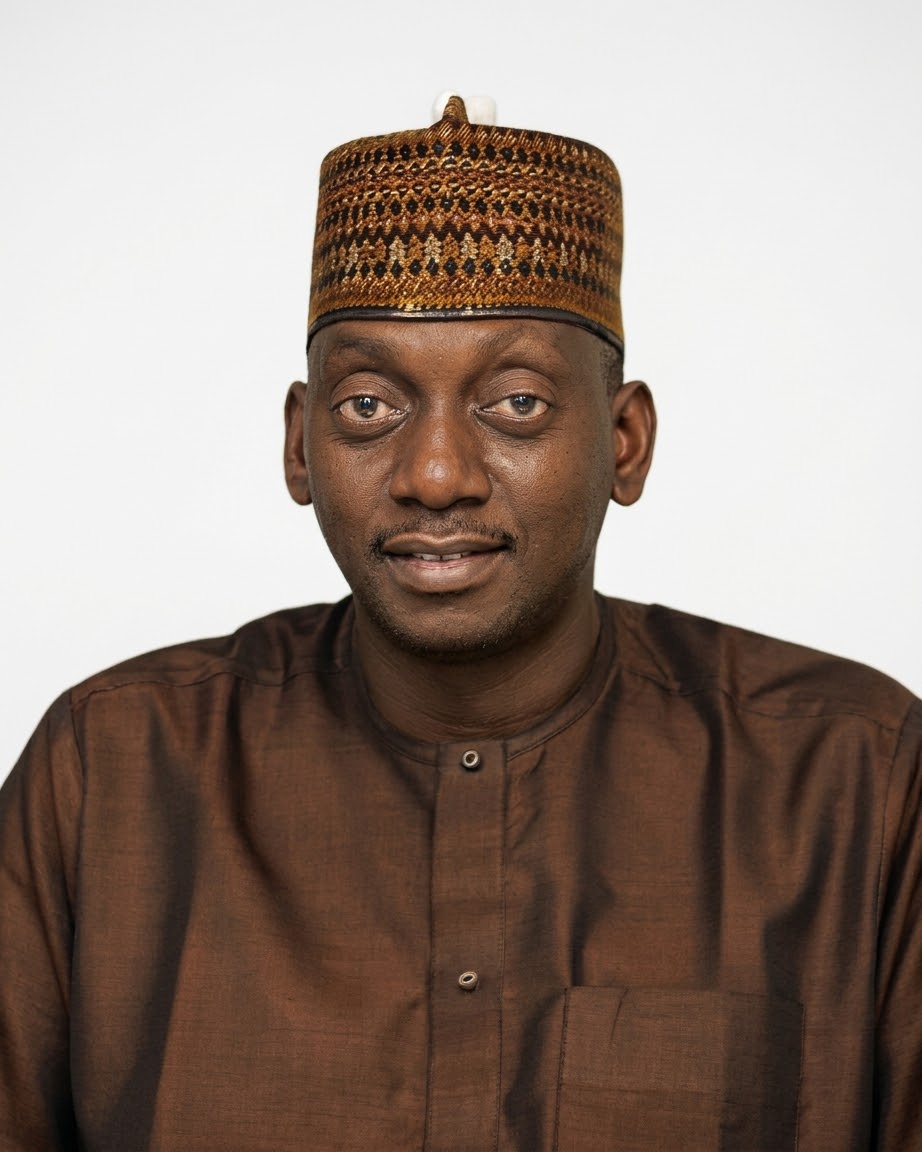
The Chairman of the Nigeria-China Friendship Relationship Group, Hon. Jafaaru Yakubu, has commended China Harbour Engineering Company for the remarkable progress recorded on the ongoing Makurdi-Enugu Road Expansion Project, noting that the construction has attained about 70 percent completion.
Hon. Yakubu gave the commendation during an inspection visit to the project site, where he expressed satisfaction with the quality of work executed by the construction firm and called on the Federal Government to expedite the release of funds to ensure the timely completion of the strategic highway.
Speaking after touring various sections of the road, the chairman described the project as a critical infrastructure development that would significantly improve transportation, enhance economic activities, and facilitate the movement of people and goods across the region.
According to him, the level of professionalism displayed by China Harbour Engineering Company is evident in the quality of the construction work, the durability of the pavement structure, and adherence to modern engineering standards.
“I am highly impressed with what I have seen on the ground. The quality of work being carried out by China Harbour is commendable. The road is being constructed to international standards, and the progress achieved so far demonstrates the company’s commitment to excellence and value delivery,” he said.
Hon. Yakubu noted that upon completion, the expanded highway would reduce travel time, improve road safety, boost interstate commerce, and open up new economic opportunities for communities along the corridor.
He further praised the construction company for maintaining a high standard of workmanship despite prevailing economic challenges, stressing that the project stands as a testament to the growing cooperation between Nigeria and China in the area of infrastructure development.
“The attention to detail, the engineering quality, and the pace of work are highly encouraging. This project is a shining example of the positive outcomes that can be achieved through strong bilateral cooperation and commitment to development,” he added.
The Nigeria-China Friendship Relationship Group chairman, however, appealed to the Federal Government to ensure the prompt release of outstanding funds required for the completion of the project.
He emphasized that timely funding would enable the contractor to sustain the current momentum and deliver the road within the stipulated timeframe.
“I want to respectfully appeal to the Federal Government to provide the necessary financial support and release funds as required. This will help ensure that the project is completed without unnecessary delays, allowing Nigerians to fully benefit from this important infrastructure investment,” he stated.
Hon. Yakubu described the Makurdi-Enugu Road Expansion Project as a vital national asset capable of transforming economic activities across the North Central and South Eastern regions, adding that its completion would further strengthen connectivity and promote national development.
He therefore urged all stakeholders to continue supporting the project, expressing confidence that the road would become one of the country’s most enduring and impactful infrastructure achievements when completed.
The Makurdi-Enugu Road Expansion Project is regarded as a key transportation corridor designed to enhance regional integration, improve access to markets, and stimulate socio-economic growth across several states along its route.


Civil Society Coalition Kicks Against Proposed 20% Deduction from NCDMB

2027: Kwara South APC Campaign Flagged Off

Kwara Jailbreak: Three Inmates Die

-
 Uncategorized6 years ago
FG, states urged to harness flooding for ranching, others with technology – Agbaje
-
 Headlines11 years ago
Breaking: EFCC seals Borno House of Assembly, as Hon members take to their heels
-
 News12 years ago
Nigeria Security Operatives Stage Manhunt For Homosexual Perpetrator
-
 News10 years ago
How 21-year-old Girl fled community over accusation of lesbianism
-
 News11 years ago
Yobe Gov Moves Against Deputy
-
 Opinion8 years ago
7 signs she has friend zoned you
-
Technology5 years ago
Online job placement company headhunts women
-
 Headlines11 years ago
Borno Dep Gov Abducts Another Church Leader