
News
Maikaya, Marketing Nasarawa State to the World Through Grassroots Development, Promise of Good Governance


In an era when sub national governments are increasingly competing for global attention, foreign direct investment, and strategic partnerships, development narratives have evolved beyond policy documents, official statistics, and ceremonial commissioning of projects.
Today, states are defined as much by how governance is felt at the grassroots as by how it is articulated in government circles. Investors, development partners, and even tourists are paying closer attention to social stability, community engagement, youth inclusion, and the everyday lived experiences of ordinary citizens.
Within this changing global and national context, Nasarawa State is gradually shaping a development narrative that emphasises peace, inclusion, and grassroots participation. Beyond government-led initiatives, individuals and community-based foundations are playing increasingly visible roles in projecting the state’s image.
One such figure is Alhaji Dr. Muhammed Musa Maikaya, philanthropist, grassroots mobiliser, and founder of the Maikaya Development Foundation, whose sustained humanitarian and community-driven interventions are contributing to how Nasarawa is perceived within and outside Nigeria.
From rural communities in Toto, Awe, Doma, and Karu Akwanga, Wamba, Obi, Kokona Nasarawa to urban centres such as Lafia, Maikaya’s activities reflect a consistent belief that development must begin with the people, align with their realities, and empower them to become stakeholders in progress.
Through sports development, youth empowerment, educational support, health interventions, renewable energy support, and continuous engagement with traditional and community institutions, his initiatives are gradually reinforcing Nasarawa’s image as a peaceful, organised, and people-oriented state.
For Maikaya, grassroots development is not a political catchphrase but a guiding philosophy shaped by lived experience. Speaking during the finals of a grassroots football tournament organised by the Maikaya Development Foundation in Toto Local Government Area, he articulated a principle that has come to define his engagements across the state.
“Development is more encompassing if it reaches the grassroots. When villages, youths, women, and the vulnerable are carried along, development becomes a lot more meaningful, inclusive, and sustainable,” he said.
This philosophy has translated into a steady stream of community-focused initiatives. Football tournaments, skills acquisition programmes, educational support schemes, medical and humanitarian outreaches, and youth engagement forums supported by the foundation have become recurring features across Nasarawa State.
While many of these interventions are modest in scale, their cumulative impact has been significant, building trust between communities, strengthening social cohesion, and projecting Nasarawa as a state where development is people-centred.
Among the various tools deployed by Maikaya, sports, particularly football, has emerged as a powerful platform for grassroots mobilisation and unity. Football competitions organised across local government areas often draw teams from diverse ethnic, religious, and political backgrounds, creating spaces for interaction, dialogue, and mutual respect.
Observers note that these tournaments help reduce youth restiveness, promote discipline and teamwork, and foster a shared sense of identity among young people. Beyond their immediate social benefits, the competitions attract visitors from neighbouring states, thereby subtly expanding Nasarawa’s visibility and reputation.
A community leader in Toto, Alhaji Sani Abdullahi, described the impact as far-reaching. “What Maikaya is doing through sports goes beyond entertainment. He is uniting communities, engaging our youths positively, and showing outsiders that Nasarawa is peaceful and organised. This is the kind of exposure money alone cannot buy,” he said.
Beyond sports and mobilisation, the humanitarian footprint of the Maikaya Development Foundation has expanded steadily in recent years, touching key sectors such as education, health, energy, and community infrastructure. These interventions reflect an understanding that development is multi-dimensional and that social welfare must go hand in hand with economic and physical infrastructure.
In the education sector, the foundation has provided financial support to over 2,000 tertiary students from Nasarawa State over some few years, easing the burden of tuition, accommodation, and learning materials for indigent students. Beneficiaries say the support has helped many of them remain in school at a time when economic pressures are forcing some students to drop out.
The foundation has also demonstrated a strong commitment to inclusion by extending scholarship support and learning materials to students living with disabilities. This intervention has been widely commended by education advocates as a step toward ensuring that vulnerable groups are not excluded from opportunities for personal and professional growth.
In the health sector, Maikaya’s foundation, working in collaboration with relevant state institutions, enrolled more than 700 vulnerable residents across the 13 local government areas of Nasarawa State into the State Health Insurance Scheme. The beneficiaries, largely women, children, and persons living with disabilities, now have access to basic healthcare services that would otherwise be beyond their reach.
Health professionals and community leaders note that such interventions reduce preventable deaths, improve productivity, and contribute to overall social stability, key indicators often assessed by development partners and investors.
Community infrastructure has equally benefited from the foundation’s interventions. In Toto Local Government Area, the donation of a 500KVA transformer significantly improved electricity supply, boosting small-scale businesses, artisanship, and household activities.
Residents say the improved power supply has enhanced commercial activities and reduced reliance on expensive alternatives.
Similarly, in Karu Local Government Area, Maikaya donated high-powered solar energy systems to the building materials market situated in Mararaba to support it’s community facilities. The intervention not only improved access to clean and reliable energy but also highlighted the growing relevance of renewable energy solutions in grassroots development.
Traders at the Mararaba Building Materials Market, including the market chairman, Sir Christopher Ibeh, expressed profound appreciation for the donation of high-powered solar energy systems by Alhaji Dr. Muhammed Maikaya.
Speaking during the commissioning of the project, Sir Ibeh highlighted the dramatic transformation the market has experienced since the installation of the solar-powered lights. According to him, areas that were once shrouded in darkness after sunset, making them unsafe and discouraging for traders and buyers alike, are now brightly illuminated.
“The lights have not only enhanced visibility but have also instilled a renewed sense of confidence and security among the traders and their customers. He said.
Many traders echoed Sir Ibeh’s sentiments, noting that the market, which previously became almost deserted in the evenings, now thrives late into the night.
The improved lighting has enabled vendors to extend their trading hours, attract more buyers, and significantly reduce incidents of theft and other security concerns that were common in the past.
Several traders emphasized that beyond the physical illumination, the gesture represents a broader commitment to community development and grassroots empowerment, explaining how targeted interventions like this can improve livelihoods and foster economic growth at the local level.
Analysts note that such projects, though community-based, contribute to a broader narrative of sustainability and innovation qualities increasingly associated with states seeking global relevance.
Acknowledging Government Efforts on Security and Infrastructure, at several public engagements, Maikaya has been deliberate in acknowledging the role of the state government in creating an enabling environment for grassroots initiatives.
He has openly commended Governor Abdullahi Sule for prioritising security across Nasarawa State, particularly noting the relative peace and improved security situation in the state.
According to him, sustained security efforts by the government have been critical in allowing community programmes, sporting events, and humanitarian outreaches to take place without disruption.
Maikaya has also praised the administration’s infrastructure drive across the three senatorial zones, citing landmark projects such as the Lafia, Akwanga, and Keffi flyovers, as well as ongoing efforts to connect rural communities through road construction and rehabilitation.
“These projects are opening up communities, improving mobility, and strengthening economic activities. When rural and urban areas are equally connected, development becomes more inclusive,” he noted.
One of the most striking elements of Maikaya’s grassroots engagement is his consistent focus on youth empowerment. In a state where young people constitute a significant proportion of the population, initiatives that promote skills development, sports, mentorship, and entrepreneurship are increasingly seen as strategic investments rather than short-term interventions.
Through organised sports, training programmes, mentorship platforms, and community engagement, youths are presented not as liabilities but as partners in development and future leaders.
Importantly, Maikaya has repeatedly emphasised that all interventions carried out through the Maikaya Development Foundation are funded entirely from his personal resources. He has never held any political office, nor occupied any public position of responsibility at the state or federal level.
He has also never executed government contracts or benefited from government patronage in any form. According to him, the Foundation’s activities are driven purely by a sense of civic duty and personal conviction that meaningful development should not wait for public office or political advantage.
“Everything we do is from personal sacrifice and commitment to the people,” he has stated on several occasions, stressing that service to humanity should stand independent of power, privilege, or access to government resources.
A Lafia-based political analyst, Dr. Emmanuel Tsoho, explained the broader implication, “When youths are empowered and meaningfully engaged, it sends a strong signal about the future of a state.
It reflects energy, innovation, and sustainability, qualities that investors and development partners look for.”
Several beneficiaries of Maikaya-supported initiatives have since become informal ambassadors of Nasarawa, sharing their experiences during inter-state competitions and on social media platforms.
A young footballer from Doma captured this shift in perception.“When teams come from other states and see our organisation and support, they respect Nasarawa. It changes how people see us,” he said.
Community elders argue that humanitarian interventions and youth engagement efforts contribute directly to social stability, an essential foundation for development and external engagement.
“Peace and care for the people are the strongest advertisements of any state,” a traditional ruler from Awe observed. “When communities are stable and people feel supported, outsiders feel confident to come, invest, and partner.”
Such sentiments align with Maikaya’s belief that development must be holistic, addressing social welfare alongside infrastructure, governance, and economic growth.
In today’s interconnected world, state branding is no longer the exclusive preserve of government institutions. Foundations, private citizens, and community leaders increasingly play complementary roles in shaping public perception.
Through sustained grassroots engagement, Maikaya has become one of several actors projecting Nasarawa’s story of peace, potential, and people-focused development. Social media posts, news reports, and word-of-mouth accounts of his initiatives are gradually shaping how the state is viewed beyond its borders.
A Lagos-based businessman who attended a football tournament in Toto reflected on this evolving image.
“I used to think Nasarawa was quiet and underdeveloped. What I saw here changed my mind. There is organisation, talent, and a strong sense of community. It made me see the state differently,” he said.
As conversations about development and leadership continue within Nasarawa State, observers note that grassroots-driven initiatives such as those championed by Maikaya complement broader government efforts. They help bridge gaps, strengthen community trust, and reinforce the idea that development is a shared responsibility.
By aligning humanitarian action with community needs and acknowledging existing government structures, such initiatives contribute to continuity rather than division, cooperation rather than competition.
In marketing Nasarawa State through action rather than rhetoric, Maikaya is strengthening community bonds while contributing to a broader narrative of a state steadily positioning itself for relevance on the globe.
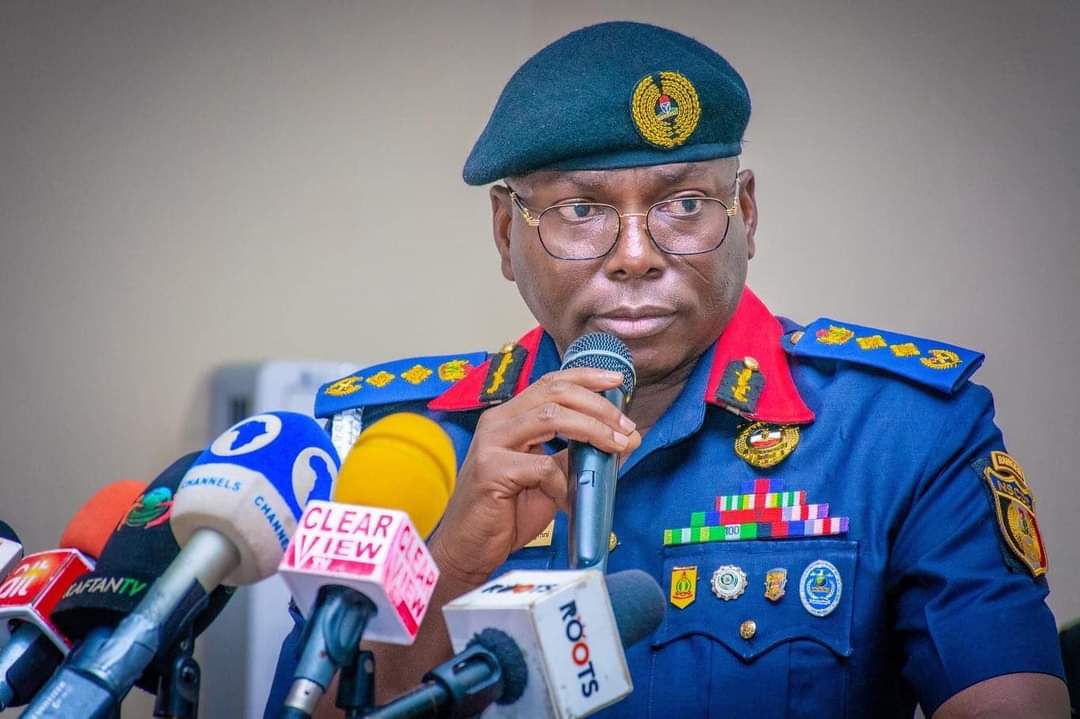
From a plethora of achievements and milestones—despite daunting challenges and shortcomings—the foresight, vision, and focused leadership of the present administration have transformed and repositioned the Service like never before in its history. In spite of limited funding and other grey areas yet to be addressed, the leadership has successfully turned around the narrative through deliberate rebranding efforts since assuming office.
Staff welfare remains paramount to the Commandant-General, who has consistently prioritized boosting esprit de corps and high personnel morale through the prompt payment of salaries, allowances, and other official entitlements as and when due. The leadership has also entrenched core values of integrity, intelligence-based security response systems, and professionalism across all operations. These measures have significantly reduced the activities of criminals, vandals, kidnappers, herdsmen, and illegal miners across the country.
In a press release signed by Mahmud Bello, Director of Media and Stakeholders Engagement of the Citizen Watch Advocacy Initiative (CWAI) in Kaduna State, the organization stated that the paramilitary agency has demonstrated genuine commitment to the interest of Nigerians through its open-door policy and robust engagement with its various publics. This approach has greatly reduced threats and disaster incidences nationwide through professional intelligence gathering, investigation, information sharing, manpower development, and strong collaboration with sister agencies—leading to remarkable improvement in disaster management as first responders.
Accordingly, transparency, accountability, and good governance have remained at the forefront of the present administration’s transformational philosophy. This has resulted in far-reaching reforms, including the regulation of private security companies, the introduction of Mining Marshals to secure strategic mining sites nationwide, containment of vandalism of critical national assets, reduction of oil theft in the Niger Delta region, and the assumption of VIP protocol protection responsibilities. These achievements surpass those of previous administrations and mark a significant milestone in the Service’s evolution.
CWAI authoritatively confirmed that the present management has introduced comprehensive institutional reforms that have repositioned the Service for greater productivity, efficiency, and effectiveness in delivering its mandate of safeguarding lives, property, and critical national assets—thereby reducing criminal activities and enhancing national security.
The Commandant-General, Professor Abubakar Ahmad Audi, reiterated that the reforms introduced align with his vision to upgrade the operational machinery of the Corps. He noted that the reorganization and revitalization of the training department are aimed at sharpening the skills and competencies of personnel to effectively address contemporary security challenges posed by hoodlums, bandits, kidnappers, and insurgents.
The establishment of the Mining Marshals and the Special Female Squad (SFS) are novel initiatives and the first of their kind in the history of the Corps. In response to the Federal Government’s Safe Schools Initiative, the NSCDC conducted audits and surveys of schools nationwide and developed a framework for proactive security measures to address the persistent attacks on educational institutions. These squads, like the Mining Marshals, are strengthening partnerships with local communities and stakeholders while prioritizing surveillance and monitoring to curb violent attacks and criminal activities.
The statement further emphasized that the Directorate of Legal Services has been reinvigorated and strengthened with enhanced prosecutorial competence, improving law enforcement and accountability. Similarly, the Anti-Vandal Unit has undergone major reforms and has been strategically deployed across the South-South geopolitical zone to curb pipeline vandalism, crude oil theft, and destruction of critical national assets. Over 2,500 suspects have been arrested since the beginning of the year for offences ranging from vandalism and attacks on national infrastructure to cattle rustling, banditry, attacks on farmers and farmlands, and illegal mining.
The Commandant-General attributed these successes to effective inter-agency collaboration, synergy, and partnerships, calling for comprehensive manpower development within the national security architecture.
Sports have also received significant attention under the present leadership, with officers and men of the NSCDC winning numerous laurels and trophies in various sporting engagements. All personnel, regardless of rank, have been provided with insurance cover against accidents, disability, or death in the course of duty. The Commandant-General views sports as a unifying platform that promotes wellness, camaraderie, information sharing, and mutual trust among paramilitary agencies.
CWAI further noted that the crackdown on illegal mining activities has saved the economy substantial revenue losses, while the destruction of over 450 illegal refineries has reduced oil theft. Additionally, the arrest of suspects and recovery of critical assets and railway materials valued at over ₦5 billion represent major milestones of the Service.
The organization therefore endorsed the change mantra of the Audi-led management and expressed confidence in the present leadership, noting that Nigerians are proud of its achievements despite prevailing challenges.
CWAI urged personnel to remain good ambassadors of the Corps—incorruptible and aligned with international best security practices wherever they serve. Nigerians were also encouraged to support the management in strengthening efforts against vandals and criminals nationwide.
The organization appealed to corporate bodies and public-spirited individuals to support President Bola Ahmed Tinubu’s Renewed Hope Agenda, particularly efforts to modernize the NSCDC through funding, partnerships, manpower development, capacity building, and the acquisition of modern security equipment.
Finally, CWAI emphasised the need for increased national budgetary allocation to the NSCDC in view of its critical role in the nation’s security architecture, including its added responsibility of VIP protocol protection. It also called for the entrenchment of a standard training curriculum to enhance career progression, effective supervision, and transparent regulation of Private Guard Companies across the country.
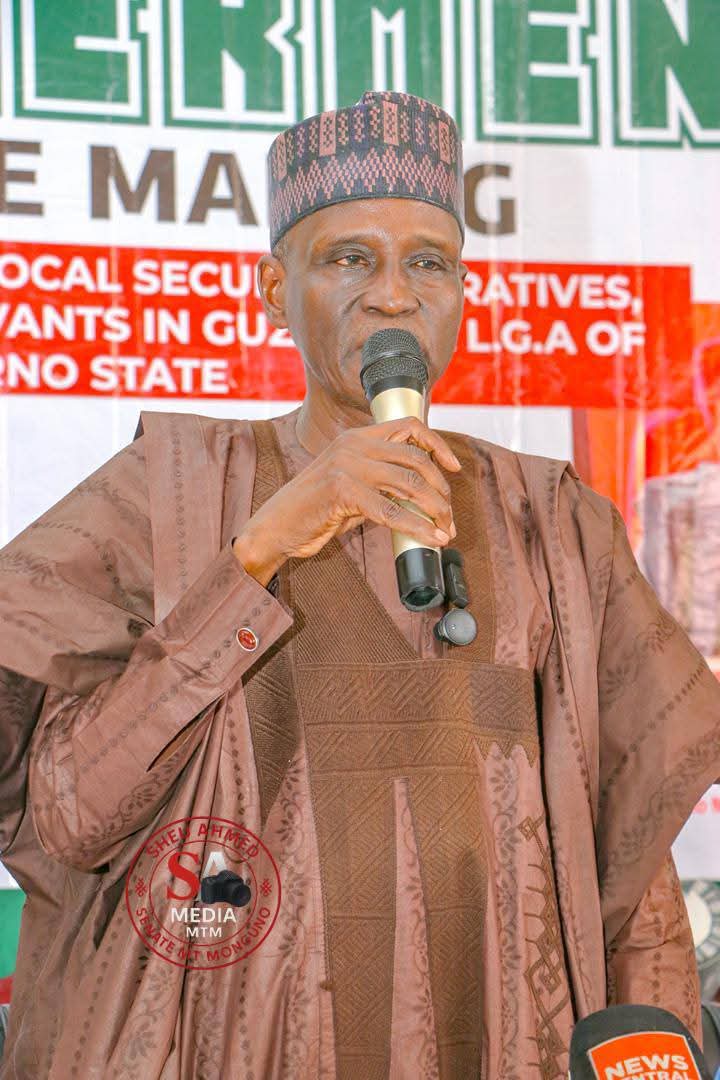
The Senator representing Borno North Senatorial District, Chief Whip of the Senate and Vice Chairman of the Senate Committee on Appropriation, Distinguished Senator Mohammed Tahir Monguno, has unveiled a ₦250 million Mega Empowerment Programme designed to strengthen grassroots economic development through skills acquisition and financial support. The initiative, targeting 2,500 constituents, commenced with the disbursement of ₦125 million to 1,250 beneficiaries in the first batch, each receiving ₦100,000 as start-up capital. The second batch of 1,250 beneficiaries is scheduled to receive the remaining ₦125 million next week, ensuring equitable coverage across the constituency. Ahead of the disbursement, participants underwent a four-day intensive training in Tie and Dye, Cake Making, Tailoring, Entrepreneurship, Soap Making, Groundnut Cake Production, and Hairdressing. The programme deliberately focused on youths and women, equipping them with practical skills to foster self-reliance, productivity, and sustainable livelihoods. Prominent stakeholders, including Alhaji Kallah Maina Monguno, Hon. Mohammed (M-Gas), and APC Local Government Chairmen, commended Senator Monguno’s people-focused leadership. They described the initiative as timely and impactful, urging beneficiaries to apply the support responsibly as a strategic investment in human capital development. Speaking on behalf of the organisers, Mr. Suleiman reaffirmed their commitment to transparency and sustainability, advising participants to remain disciplined and dedicated to their chosen trades. The event drew wide attendance from political leaders, religious figures, and youth and women group representatives, underscoring its significance. Senator Monguno emphasized that the programme is not a one-off intervention but a long-term strategy to strengthen skills acquisition, promote entrepreneurship, and create sustainable sources of livelihood. He noted that the initiative complements Governor Babagana Zulum’s human capital development agenda and aligns with the broader vision of reducing unemployment and fostering inclusive economic growth in Borno State.
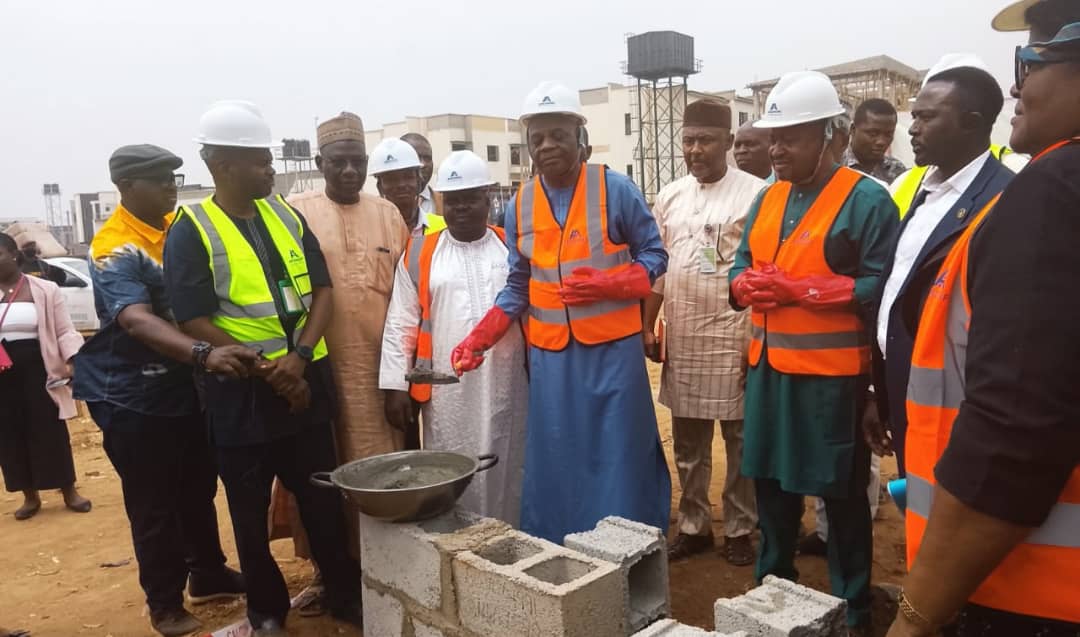
The Tertiary Education Trust Fund (TETFund) has initiated the construction of the Abuja Leadership Centre of Excellence in Public Governance at Yakubu Gowon University, formerly known as the University of Abuja.
The Executive Secretary of TETFund, Sonny Echono, officially launched the project alongside the Vice-Chancellor of the University of Abuja, Professor Hakeem Babatunde Fawehinmi, and the Director of the Centre, Professor Philip Dahida, during a ceremony held on Tuesday in Jahi, Abuja.
During the event, Echono emphasized the goal of making the Abuja Leadership Centre “a stopping point for every leader visiting the country.” He described leadership as a crucial element of national development, noting that the success or failure of nations often hinges on the quality of leadership they cultivate.
He highlighted that effective leadership relies on a collective effort to utilize intellectual, human, and material resources, which, when efficiently coordinated, can drive national development aspirations.
Echono disclosed that TETFund plans to commission approximately 467 projects across tertiary institutions nationwide between now and October. “It is my prayer and hope that this centre will become a stopping point for every leader visiting our country. Its location in the nation’s capital is not accidental,” he remarked.
The TETFund boss expressed optimism that the Abuja Leadership Centre would develop into a world-class facility capable of nurturing leaders across various sectors of the economy and hosting globally recognized speeches, conventions, and declarations.
The TETFund Executive Secretary urged the contractors responsible for the project to meet expectations, emphasizing that the goal is to create a facility of international standard. He assured that TETFund would provide funding not only for construction but also for high-quality furniture and equipment.
According to him, the Centre is envisioned as more than just a conference hall or auditorium; it aims to be a top-tier leadership facility where visiting heads of state and their delegations will feel at home, comparable to similar facilities worldwide.
Echono praised the leadership of the University of Abuja and the Centre for the stability and direction they have brought to the institution, reaffirming TETFund’s commitment to collaborating in order to realize the vision of the university’s founders. He emphasized that, by its name and mandate, the university must continue to promote national unity, integration, and excellence, particularly in leadership and governance.
Regarding the commissioning of projects, he noted that it would not be feasible for the agency to inaugurate all projects directly, but at least 50 iconic projects would be selected across the states, with a minimum of two to three in each state.
Earlier, in his remarks, Vice-Chancellor Professor Fawehinmi stated that the groundbreaking ceremony marks a new phase in the university’s collaboration with TETFund. He noted that the Abuja Leadership Centre would function as a center of excellence for public governance and leadership, serving as a national hub for training future leaders who will significantly impact policy formulation and national development.
The Vice-Chancellor commended Echono’s leadership at TETFund, pointing out that under his guidance, the agency has transformed tertiary education not only through physical infrastructure but also in staff development, libraries, and other essential facilities.
He expressed confidence that TETFund would ensure the timely completion and proper furnishing of the Abuja Leadership Centre so that it can be fully utilized to achieve its objectives. Fawehinmi assured that the university would maximize the use of the facility, describing the project as a historic intervention that would be remembered for years to come.
“Today, we further strengthen our long-standing partnership, and we are delighted to announce that this Abuja Leadership Centre will be a center of excellence for public governance and leadership. It will serve as a national hub for training future leaders who will be involved in policy decisions for the development of their country. We extend our gratitude to you and your team, as we recognize the importance of nurturing our relationship into the future. Executive Secretary, you have done exceptionally well over the years. You have led one of the most impactful intervention agencies for tertiary education in the country, and we are very proud of your achievements,” he added.
The Director of the Abuja Leadership Centre, Professor Dahida, praised TETFund for commencing the construction of its permanent site, stating that the development signifies the realization of a vision rooted in the belief that leadership is the most vital resource for good governance, institutional excellence, and national development.
Dahida revealed that the Centre was established to serve as a hub for thought leadership, capacity development, policy dialogue, and ethical reorientation, not only for the University of Abuja but for Nigeria and the wider African region. Adding that the Centre is also designed to bridge the gap between theory and practice, academia and policy, and leadership ideals with real-world application.
He charged the contractor to execute the project strictly in line with the approved specifications, timelines, and agreed standards. Stressing that the facility must reflect world-class quality, professionalism, and durability, while public funds entrusted to this project must translate into tangible value, accountability, and excellence.
“Today marks far more than the commencement of a construction project. It signifies the physical birth of a vision, one rooted in the conviction that leadership is the most critical resource for good governance, institutional excellence, and national development.
“The Abuja Leadership Centre, TETFund Centre of excellence, was established to serve as a hub for thought leadership, capacity development, policy dialogue, and ethical reorientation, not only for the University of Abuja but for Nigeria and the wider African region.
“At a time when nations are confronted with complex governance challenges, evolving public expectations, and rapid socio-economic change, the need for principled, competent, and forward-looking leaders has never been more urgent.
“I wish to express our deepest and most sincere appreciation to the Tertiary Education Trust Fund (TETFund), and in particular to the Executive Secretary- Dr. Sunday Echono, for the approval and support that made this project possible.
“I also wish to specially commend the Vice-Chancellor of the University of Abuja, Prof. Hakeem Babatunde for his exemplary leadership, swift action, and unwavering support. From assumption of office, the Vice-Chancellor has demonstrated uncommon commitment to institutional growth and innovation.
“As we formally break ground today, I take this opportunity to enjoin the contractor to execute this project strictly in line with the approved specifications, timelines, and agreed standards. This facility must reflect world-class quality, professionalism, and durability. Public funds entrusted to this project must translate into tangible value, accountability, and excellence,” Dahida warned.


Audi: Trajectory of Success and Changing the Narrative

We’ve Known Each Other Since the 90s; I’m Qualified to Call Him a Scumbag – El-Rufai

Electronic Transmission: This Is Just a Warning Protest, We’ll Wait Till Tomorrow – Isaac Fayose

-
 Uncategorized5 years ago
FG, states urged to harness flooding for ranching, others with technology – Agbaje
-
 Headlines10 years ago
Breaking: EFCC seals Borno House of Assembly, as Hon members take to their heels
-
 News12 years ago
Nigeria Security Operatives Stage Manhunt For Homosexual Perpetrator
-
 News9 years ago
How 21-year-old Girl fled community over accusation of lesbianism
-
 News10 years ago
Yobe Gov Moves Against Deputy
-
 Opinion7 years ago
7 signs she has friend zoned you
-
Technology4 years ago
Online job placement company headhunts women
-
 Headlines10 years ago
Borno Dep Gov Abducts Another Church Leader