
Uncategorized
Medical Consultant, 3 Others Bag PhD, MSc From UniAbuja

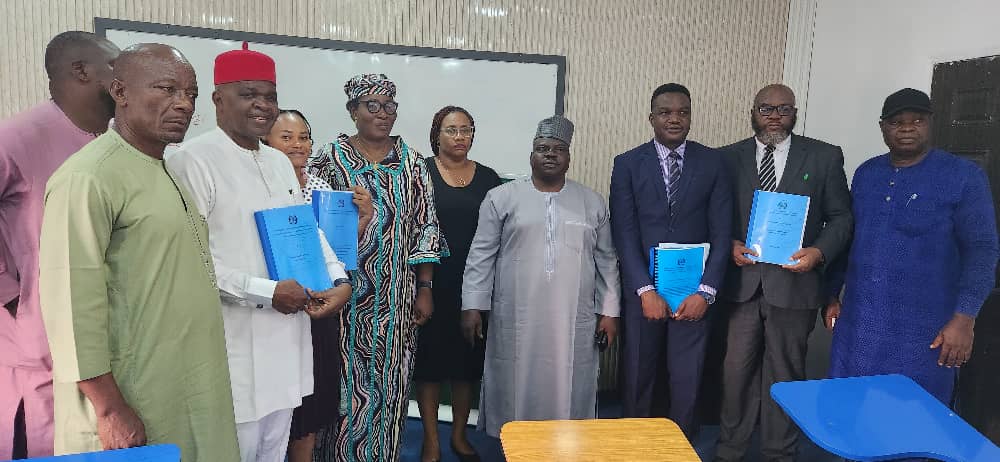
Consultant Gynaecologist, Dr. Kolawole Olatokunbo, along with three others, has been awarded Doctor of Philosophy (PhD) degrees in Public Governance and Leadership, as well as Master’s Degrees in Policy and Strategic Studies at the Abuja Leadership Centre (ALC), Yakubu Gowon University, formerly known as University of Abuja.
According to Professor Philip Dahida, the Director of the Centre, these academic achievements were attained following the candidates’ successful completion of all requirements, including the defense of their theses and dissertations on November 13, 2025, pending approval from the University’s Senate.
During the event, Barr. Oliver Ibeabuchi Ofordile, a Corporate Auditor at the Nigerian National Petroleum Company Limited (NNPCL), and gender equality advocate Mulikat O. Atere were conferred with doctoral degrees in Public Governance and Leadership. Christopher Areghan Eichie earned a Master’s Degree in Policy and Strategic Studies.
After the conferment of the academic awards, the external examiner, Professor Linda Kwon-Ndung of the Federal University Lafia in Nasarawa State, congratulated the recipients and urged them to address all issues raised during their thesis defenses promptly. She emphasized the importance of being good ambassadors of the institution and representing themselves well in the larger society.
In reaction to his academic achievement, Dr. Kolawole Olatokunbo described earning his doctoral degree as “a dream come true.” He noted that challenges related to public governance and leadership continue to hinder national development.
Olatokunbo lamented the mass migration of healthcare workers from Nigeria, stating that his research thesis offers government solutions to the issues causing medical practitioners to leave Nigerian military health facilities and other public institutions for better opportunities abroad.
He urged the Federal Government to recognize that a healthy nation depends on a strong healthcare system, emphasizing that the government must focus on making the health system functional.
He stated, “There have been numerous recommendations, from improving our healthcare budget to providing better compensation packages for health workers, enhancing welfare, creating opportunities for professional training, and building better hospitals. If we implement these measures, healthcare workers will choose to stay, and Nigeria will benefit.”
Olatokunbo expressed, “Obtaining a PhD in Public Governance and Leadership has always been one of my dreams. I understand that a primary obstacle to our national development and progress is the absence of effective leadership and governance.”
Barrister Oliver Ibeabuchi Ofordile, another recipient, praised the Centre for Knowledge Acquisition and assured that he would leverage his education for the benefit of society.
Regarding Nigeria’s approach to public accountability, the Chartered Accountant called on President Bola Tinubu to strengthen and ensure the independence of the Office of the Auditor General of the Federation.
He stated, “The Auditor General’s office should be well-resourced, and the recruitment of auditors should be modernized. Auditors must possess the necessary skills. The biggest challenge we face in Nigeria is the independence of auditors; the president must guarantee their autonomy and ensure that their audit reports are implemented with appropriate sanctions when necessary.”
“I’m grateful for the opportunity that God has granted me to become a PhD holder, lawyer, and corporate auditor at the Nigerian National Petroleum Company Limited (NNPCL). I intend to use this opportunity to contribute to society. Leadership and governance are innate gifts, and academics will help perfect these skills,” Ofordile said.
Another PhD recipient in Public Governance and Leadership, Mulikat O. Atere, called for the deliberate inclusion of women in governance and leadership roles.
She remarked, “Achieving this doctoral degree means a lot to me; it represents a height I never dreamed I would reach. I am grateful to God, my husband, and my children. I hope to utilize this degree effectively.
“My study and research can significantly benefit our society, especially now that there is a growing campaign for gender inclusion and equality in governance. My research aims to ensure that women have a voice in governance and policymaking. It is crucial to engage political, religious, and traditional leaders and encourage them to recognize the importance of giving women opportunities to lead at all levels.”
Atere added, “I urge the government to deliberately enact laws that promote women’s leadership positions in Nigeria, with the support of the judiciary and legal framework.”
The Abuja Leadership Centre is a TETFUND Centre of Excellence for Public Governance and Leadership, dedicated to enhancing public governance and leadership both in Nigeria and beyond.
Stephen Olufemi Oni, Ilorin
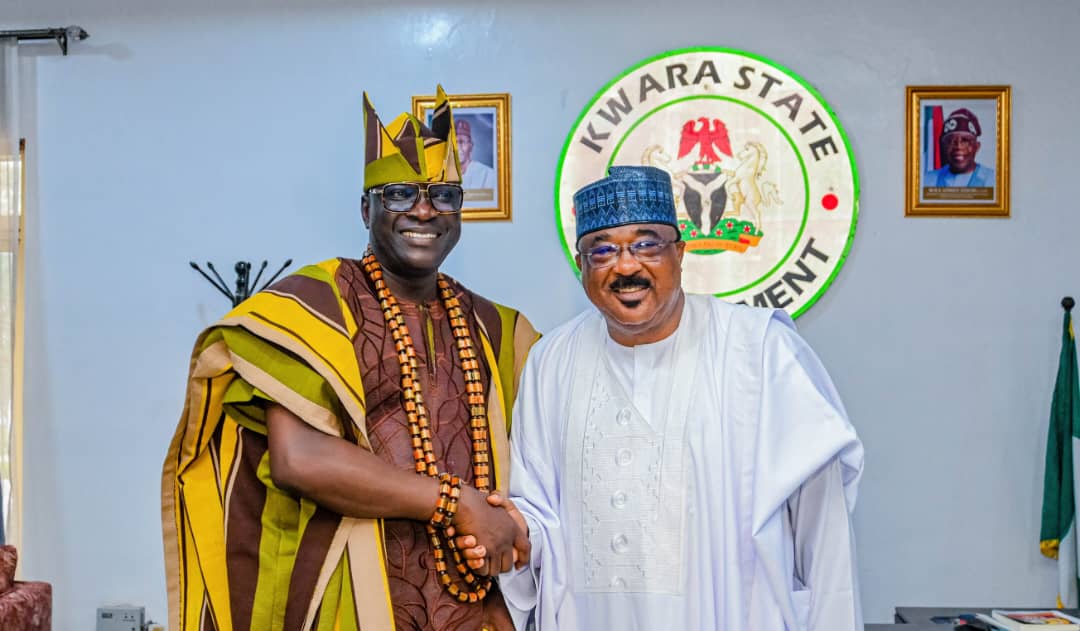
The people of Oke-Ode Community in the Ifelodun Local Government area have commended the Kwara State Governor, Mallam AbdulRahman AbdulRazaq for upgrading the Elesa of Oke-Ode Land, HRH Oba Mufutau Ibrahim Akanbi Adebayo, Ilufemiloye I, to the First Class traditional ruler status.
The National President of the Oke-Ode Community Development Association (OCDA), Alhaji AbdulGaniyu Ajala-Bello, gave the commendation shortly after the presentation of the certificate of upgrading to the royal father.
In a statement made available to newsmen by the National Public Relations Officer of the Community Association, Chief Ganiyu Kunle Akogun, the Community said the upgrading, coming less than a year after the appointment of the Elesa, shows the Governor as a man of his words, having made a firm promise to that effect in October last year during his condolence visit to the town over the bandits attack of September 28, 2025.
The Governor had pledged on that occasion that once the then chieftaincy dispute in the town was settled and a new king appointed, he would upgrade the Elesa stool.
The Community leader expressed gratitude to the Governor for this promise kept and pledged the continuous support of the people of Oke-Ode Land for the Governor.
While wishing Governor AbdulRazaq a successful completion of his tenure and Allah’s assistance for him in his senatorial ambition in 2027, Alhaji Ajala-Bello urged the Sardauna of Ilorin Emirate to return the College of Nursing, Oke-Ode to its Oke-Ode permanent site, noting that the condition that warranted its temporary relocation to Ilorin last year has since normalised, as peace and adequate security have since returned to the community.
The Community leader also appealed to the Governor to look into the need for adequate staffing of the Oke-Ode Specialist Hospital, which has remained grossly understaffed for sometime now.
Alhaji Ajala-Bello also thanked the state Deputy Governor, Elder Kayode Alabi, the Commissioner for Local Government and Chieftaincy Affairs, Alhaji Abdullahi Abubakar Bata, and the Chairman of Ifelodun Local Government Council, Mallam AbdulRasheed Femi Yusuf, for their respective roles in ensuring the elevation of the Elesa to the First Class status.

Stephen Olufemi Oni, Ilorin
In furtherance of its vision to raise tax-compliant citizens and promote tax education among the younger generation, the Kwara State Internal Revenue Service (KWIRS), in collaboration with the State Ministry of Education and Human Capital Development, has concluded the semi-final stage of the 2026 Tax Club Quiz Competition, with six schools emerging as finalists.
The semi-final stage of the competition, according to the Head, Corporate Affairs of the KWIRS, Funmilola Oguntunbi, was conducted via an online Computer Based Test (CBT), involving 12 schools that participated from the comfort of their respective schools, adding that the exercise was conducted with appropriate back-end monitoring by members of the KWIRS Tax Club Advocacy Committee, alongside the representative of the Commissioner, Ministry of Education and Human Capital Development, Mrs Aina Bose Eunice.
At the end of the semi-final exercise, the following six schools emerged as finalists: Oro Grammar School, Oro and Ansar-u-deen College, Offa (Kwara South); Government Secondary School, Lafiagi and Government Secondary School, Ilesha Baruba (Kwara North); and St. Anthony’s Secondary School, Ilorin, and Ebenezer High School, Ilorin (Kwara Central).
The six finalists, the agency’s spokesperson added, would compete for the grand prize of N2.5 million at the grand finale of the competition, scheduled to hold in Ilorin on Wednesday, 4th November, 2026.
The Tax Club Quiz Competition is an annual initiative of the KWIRS, organised in collaboration with the Kwara State Ministry of Education and Human Capital Development, to deepen tax awareness among secondary school students and foster a culture of voluntary tax compliance among the younger generation.
- Drums support for Tinubu, APC candidates
Stephen Olufemi Oni, Ilorin
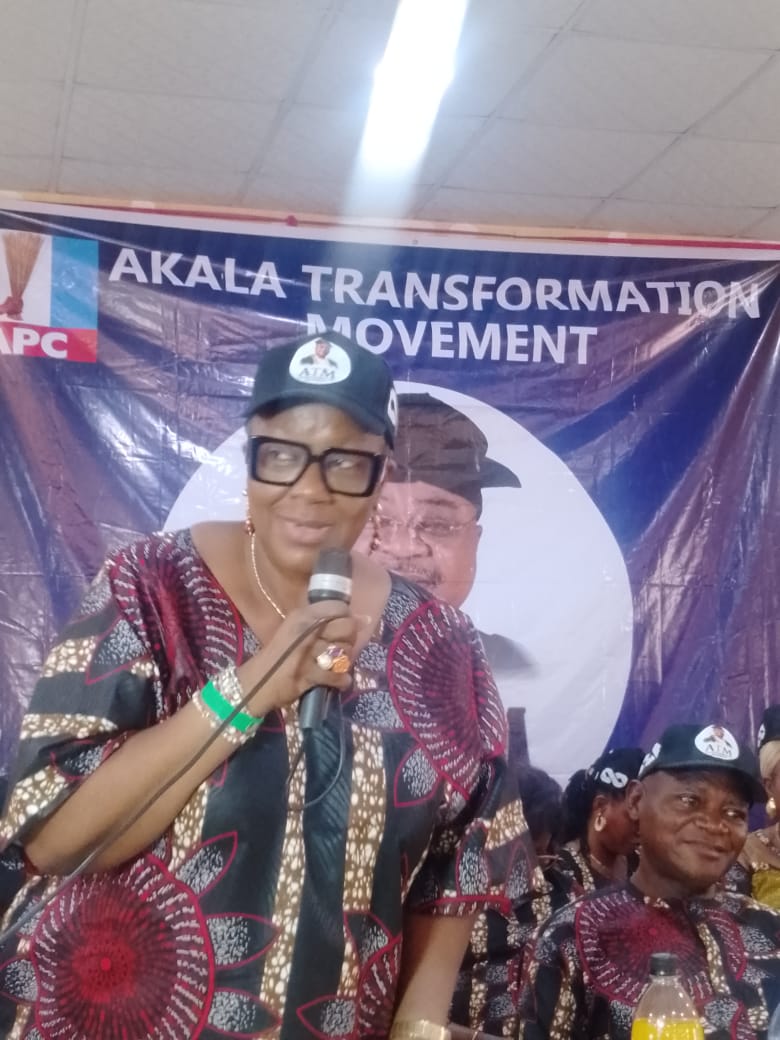
The Chairperson of the Akala Transformation Movement (ATM) and former First Lady of Oyo State, Chief (Mrs) Oluwakemi Alao-Akala, has called for the full implementation of local government autonomy, saying it will bring governance closer to Nigerians and accelerate development at the grassroots.
Alao-Akala made the call during an ATM outreach held at Equilibrium Resorts, Ojongbodu, Oyo West Local Government Area of Oyo State, where she also urged Nigerians, particularly women, to support the administration of President Bola Tinubu and participate actively in the democratic process.
She said the effective functioning of local governments was crucial because they remained the closest tier of government to the people.
“One important thing I am preaching now is local government autonomy. Obviously, we are going to have our local governments properly elected. They are going to be funded, and they are the closest to the people,” she said.
The former First Lady urged Nigerians to understand and assess the impact of government policies before making political decisions, stressing that the coming years should be devoted to consolidating ongoing reforms and ensuring that their benefits reach ordinary citizens.
She also called on women to remain actively involved in governance and continue supporting leaders through their votes and prayers.
According to her, voting remained a major responsibility of citizens because it determines the quality and direction of leadership at all levels.
Alao-Akala further urged ATM members and supporters to work for the success of the All Progressives Congress (APC) and support its candidates in state and national elections ahead of the 2027 general elections.
She clarified that ATM was a movement and not a political party, adding that its activities were aimed at mobilising support for the APC and its candidates.
Meanwhile, the Director-General of ATM, Mr Demola Alao-Akala, said the movement would continue to preserve and promote the legacy of his late father, former Oyo State Governor, Otunba Adebayo Alao-Akala.
He said the essence of the movement was not merely to remember the late governor but to sustain the values and principles he stood for, particularly people-oriented governance and the welfare of ordinary citizens.
“The concept of remembrance of our father is about making sure that his legacy survives. When he left, he left us a pattern, and we strongly believe that the legacy he left behind can be used to propagate his ideas and keep his memory alive,” he said.
The ATM DG said members of the movement were determined to build on the ideals of service and good governance associated with the late governor.
“We believe strongly that if we are alive, we are going to go back to our lives and continue in the spirit that he showed. We are moving forward, and I think we are supposed to continue,” he added.
Alao-Akala said the late governor’s political philosophy placed the welfare of the people at the centre of governance, noting that democracy should ultimately be judged by its positive impact on citizens.
He assured ATM members that the movement would remain committed to promoting the late governor’s ideals while mobilising support for programmes and candidates it believes can improve the lives of Nigerians.
“We are going forward,” he declared.


Oke-Ode Community Lauds Kwara Gov On Elesa’s Elevation To First Class Status

2026 KWIRS Tax Quiz Competition: Six Schools Emerge As Finalists

NNRA Allegations: IADI Demands Evidence, Says Audit Queries Not Proof of Fraud

-
 Uncategorized6 years ago
FG, states urged to harness flooding for ranching, others with technology – Agbaje
-
 Headlines11 years ago
Breaking: EFCC seals Borno House of Assembly, as Hon members take to their heels
-
 News12 years ago
Nigeria Security Operatives Stage Manhunt For Homosexual Perpetrator
-
 News10 years ago
How 21-year-old Girl fled community over accusation of lesbianism
-
 News11 years ago
Yobe Gov Moves Against Deputy
-
 Opinion7 years ago
7 signs she has friend zoned you
-
Technology5 years ago
Online job placement company headhunts women
-
 Headlines10 years ago
Borno Dep Gov Abducts Another Church Leader