
News
NITDA: Driving a Safe, Inclusive Digital Environment for Nigeria, Africa


To forge strategic partnerships and collaboration for the advancement of Nigeria’s digital transformation agenda; accelerate collective prosperity through technical efficiency with the aim to stimulate the effective implementation of Nigeria’s renewed hope digital economy agenda; And Nigeria’s digital journey at the forefront of this unprecedented growth is the National Information Technology Development Agency (NITDA) and one of its key strengths lies in its collaborative approach and partnerships with major industry stakeholders, technological hubs, educational institutions building a robust digital ecosystem through strategic partnerships.
The Agency lead strategist and Director-General, Kashifu Inuwa Abdullahi has reiterated the need for safe and inclusive online environment responsible for human and Artificial Intelligence (AI) and its practices in the country.
While playing host to TikTok lately, which aligns with President Bola Ahmed Tinubu’s priority area of strengthening national security for peace and prosperity; the Director-General stated that content moderation strategies will help in addressing online problems like hate speech, misinformation and cyberbullying in relation to the protection of minors across the country.
He stated that “With the Code of Practice for Interactive Computer Service Platforms/Internet Intermediaries in place, it will ensure digital safety in accordance with global best practices and content moderation to enhance safety.”
A press release signed in Enugu by the Executive Secretary, Citizens Watch Advocacy Initiative (CWAI), Omoba Kenneth Aigbegbele, emphasizes that NITDA’s partnerships span across various sectors and this multifaceted approach ensures a comprehensive strategy for digital literacy and innovation.
Among the critical area of focus are training programmes in Artificial Intelligence (AI), Coding, Cybersecurity, and basic digital literacy. These initiatives are not just about imparting knowledge, they are also about equipping Nigerians also with skills necessary to thrive in a digital economy.
NITDA’s involvement in developing guidelines for AI and data protection, which are crucial as the world increasingly relies on data-driven decision making. These regulations not only protect users, but also provide a clear framework for companies to innovate confidently. The statement also captures the need that these targets and plans are needed to stimulate timelines and achieve targets crucial for Nigeria to develop a digital system that is efficient, modern economies that enhance business operations, smart public services and job creation for the teeming youths of the country.
CWAI believes that NITDA is pushing and leveraging the narratives of Africa to the world where creators are being equipped with information that are centred on creating contents for products and services, and thus can be exported to other countries, attracting investments and also providing the opportunities where Nigerians can use AI, cybersecurity and online platforms to market, sell and export their services as well as talents to the outside world and also making a living from it.
CWAI considers online safety as one critical area to secure the cyberspace by providing an avenue for users to thrive and be productive in their various activities as CWAI revealed that NITDA is one of its biggest and critical stakeholder in Nigeria that has an outstanding strides and performance in advancing the digital economy sector by partnering with both government and private sector leaders to develop sustainable, secure, safe and inclusive communities powered by ethical and innovative technology solutions.
The Director-General of NITDA has reiterated and emphasized optimally that “What we want to do is to make sure that we leverage technology to bring the right level of economic opportunity to Nigeria that will contribute towards economic growth and job creation.”
NITDA is birthing a new generation of highly skilled talented Nigerians as Tech hubs across the country are buzzing with activity, where participants are immersed in learning experiences that cover the latest advancement in technology, the educational institutions and the Federal Ministry of Education are critical to these endeavours to integrate these programmes into their curricular to produce graduates that are ready to meet the demands of the digital age.
CWAI also reiterates that beyond the educational sector and training, NITDA’s role includes the co-creation of policies that create a conducive environment for tech startups and established companies alike by setting standards and regulations to ensure that innovation flourishes while maintaining the integrity and security of the digital infrastructure.
The lead strategist of NITDA believes that “Nigeria is poised to surpass India in technological exploits, highlighting the nation’s potential to become a leading power house in the tech ecosystem.”
He added that, “With our youthful population, growing innovation hubs and supportive government policies, Nigeria is on the brink of a tech revolution,” stressing that, “We have a potential to outpace countries like India if we leverage our resources effectively.”
Accordingly, Nigeria boasts of a population of over 200 million, with more than 60 per cent under the age of 25. This demographic advantage presents a fertile ground for tech innovations. Young Nigerians are increasingly showing prowess in various domains from software development to Artificial Intelligence (AI) and Fintech.
CWAI agrees that Nigerian youths are not just consumers of technology but creators and innovators. As the D-G aptly captures it, “We are witnessing a surge in tech startups, many of which are developing solutions tailored to local challenges with global scalability.” He added that, “This burgeoning talent pool is evident in the success of Nigerian tech entrepreneurs and developers who are gaining recognition on the international stage.”
As regards government’s support and policy framework, NITDA has been proactive in creating a conducive environment for tech growth. Initiatives such as the National Digital Economy Policy and Strategy (NDEPS) and the Start-up Act aim at driving digital transformation and support to start-up ecosystem: “Government policies are increasingly geared towards reducing barriers for tech entrepreneurs; that government is focusing on improving digital infrastructure, providing fiscal incentives and enhancing digital literacy across the country.” He added that these efforts are designed to make Nigeria an attractive destination for tech investment and promotion.”
CWAI states categorically that the future is bright and secure with NITDA’s pivotal role in the digital space, but the enormous challenges remain; issues such as unreliable power supply, Internet connectivity and regulations bottlenecks need to be addressed to fully realize and optimize the country’s tech potential. The Agency is committed to fostering an environment where innovation thrives, ultimately positioning Nigeria as a global tech leader.
Nevertheless, the Director-General of NITDA, stated that “no organization or institution can operate in silos. We need each other for the actualization of our goals and objectives towards service delivery and an advancement of the country through Digital Literacy 4All, (DL4ALL), capacity building, knowledge sharing, trainings, curbing misinformation, digital safety with the aim of creating a safer cyber space and empowering online environment for the Nigerian users,” Drumming home that with the Code of Practice for Interactive Computer Service Platforms/Internet Intermediaries in place, it allows for creative expression through filters, stickers and editing tools, entertainment and comedy are dominant themes and informational videos on various topics are gaining traction which has become a launch pad for influencers and trends that can go viral.
Engr. Kashifu Inuwa Abdullahi concluded the statement that with NITDA’s Strategic and Action Plan 2.0 (SRAP 2024-2027) that is structured around eight pillars which include: Fostering Digital Literacy and Cultivating Talents, Building a Robust Technology Research Ecosystem, Strengthening Policy Implementation and Legal Frameworks, Promoting Inclusive Access to Digital Infrastructure and Services, Enhancing Cybersecurity and Digital Trust Nurturing and Innovative and Entrepreneurial Ecosystem, Forging Strategic Partnerships and Collaborations and Cultivating a Vibrant Organizational Culture with an Agile Workforce.
With the foregoing, the Director-General maintained that the “future is indeed in our hands and we need to work assiduously with our various partners to achieve our collective goals and mission.”
Therefore, CWAI commends NITDA for its various initiatives, ideas, programmes and policies put in place and align with other industry stakeholders of NITDA’s giant strides and transformative role in providing opportunities where Nigerians use the various platforms available to market, engage, sell and export their products and services as well as talents to the outside world.
CWAI endorses the performance indices of the management of NITDA for always being ahead of its peers and thinking outside the box, thereby making Nigerians globally competitive in the market place and driving the African dream as well as putting policies in place and a convivial environment for standardization and technological growth.
News
Hamma Adama Ali Kumo Celebrates Gov. Mai Mala Buni at 59, Lauds Transformational Leadership in Yobe

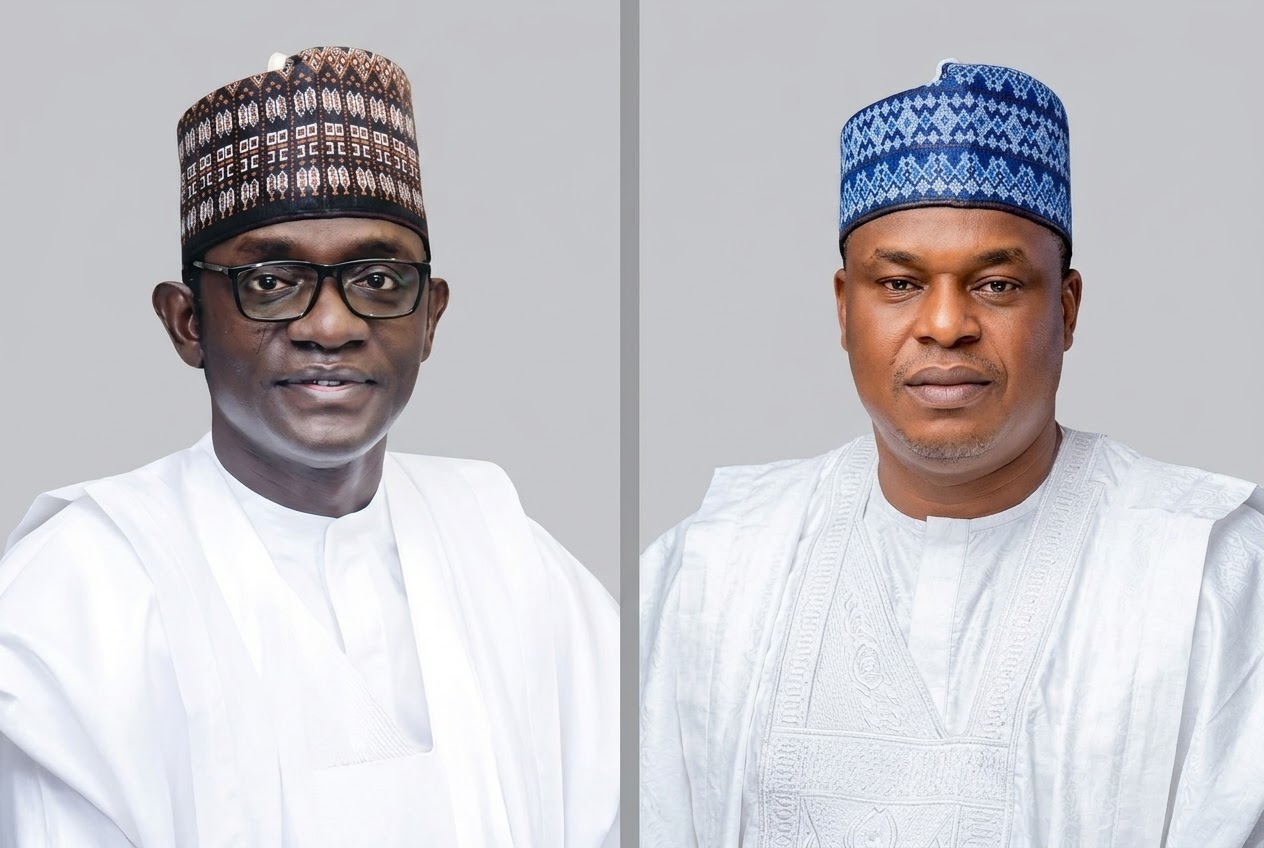
The Deputy National Financial Secretary of the All Progressives Congress (APC) and Chairman of the Board of Trustees of the Industrial Training Fund (ITF), Hon. Hamma Adama Ali Kumo (Dattuwa), has felicitated with the Governor of Yobe State, His Excellency Hon. (Dr.) Mai Mala Buni, CON, COM, on the occasion of his 59th birthday, describing him as a visionary leader whose commitment to peace, development, and good governance has continued to redefine the trajectory of Yobe State.
Governor Buni, who was born on November 19, 1967, and has served as Governor of Yobe State since May 2019, marked his 59th birthday amidst widespread goodwill messages from political leaders, associates, and admirers across the country.
In a statement made available to journalists, Hon. Kumo said the birthday celebration presents a fitting opportunity to reflect on Governor Buni’s contributions to governance, public service, and the advancement of Yobe State.
He noted that since assuming office, Governor Buni has remained steadfast in pursuing policies and programmes aimed at rebuilding communities, improving infrastructure, expanding access to education and healthcare, empowering youths and women, and creating an enabling environment for economic growth.
According to the APC chieftain, the Governor’s administration has distinguished itself through prudent management of resources, strategic investments in critical sectors, and a deliberate commitment to improving the quality of life of the people.
“His Excellency, Governor Mai Mala Buni, represents a rare breed of leaders whose actions are guided by service, vision, and a genuine passion for the welfare of the people. His leadership has brought renewed hope to communities across Yobe State and strengthened public confidence in government,” Kumo stated.
The prominent APC leader further praised the Governor’s role in promoting peace and stability in Yobe, stressing that his inclusive leadership style has helped foster unity among diverse groups while accelerating developmental projects across the state.
Kumo also recalled Governor Buni’s distinguished political journey, from grassroots politics to becoming National Secretary of the APC and subsequently Governor of Yobe State, noting that his rise reflects years of dedication, discipline, and commitment to nation-building.
“The Governor’s life story is a source of inspiration to young Nigerians. His humility, perseverance, and dedication to service demonstrate that leadership is ultimately about creating opportunities and making meaningful impact in the lives of others,” he added.
The APC Deputy National Financial Secretary further observed that Governor Buni’s administration has continued to earn recognition for its developmental agenda, particularly in the areas of post-insurgency recovery, infrastructure renewal, agricultural development, education, healthcare delivery, and human capital advancement.
He expressed confidence that the Governor would continue to build on the achievements recorded so far and sustain the momentum of progress for which his administration has become known.
As Governor Buni celebrates another milestone, Kumo prayed to Almighty Allah to bless him with robust health, greater wisdom, renewed strength, and many more years of productive service to Yobe State and Nigeria.
“On behalf of my family, political associates, supporters, and well-wishers, I heartily congratulate His Excellency, Hon. (Dr.) Mai Mala Buni, CON, COM, on the occasion of his 59th birthday. We celebrate your outstanding service, remarkable achievements, and unwavering commitment to the development of our dear state. May Almighty Allah continue to guide and strengthen you for even greater accomplishments in the years ahead,” he said.
He added that Governor Buni’s legacy of resilience, statesmanship, and developmental leadership would continue to inspire current and future generations of leaders committed to the ideals of service, integrity, and patriotism.
The statement concluded with prayers for continued peace, prosperity, and sustainable development in Yobe State under Governor Buni’s leadership.
“Happy 59th Birthday, Your Excellency.”
Signed:
Hon. Hamma Adama Ali Kumo (Dattuwa)
APC Deputy National Financial Secretary
Chairman, Board of Trustees, Industrial Training Fund (ITF).
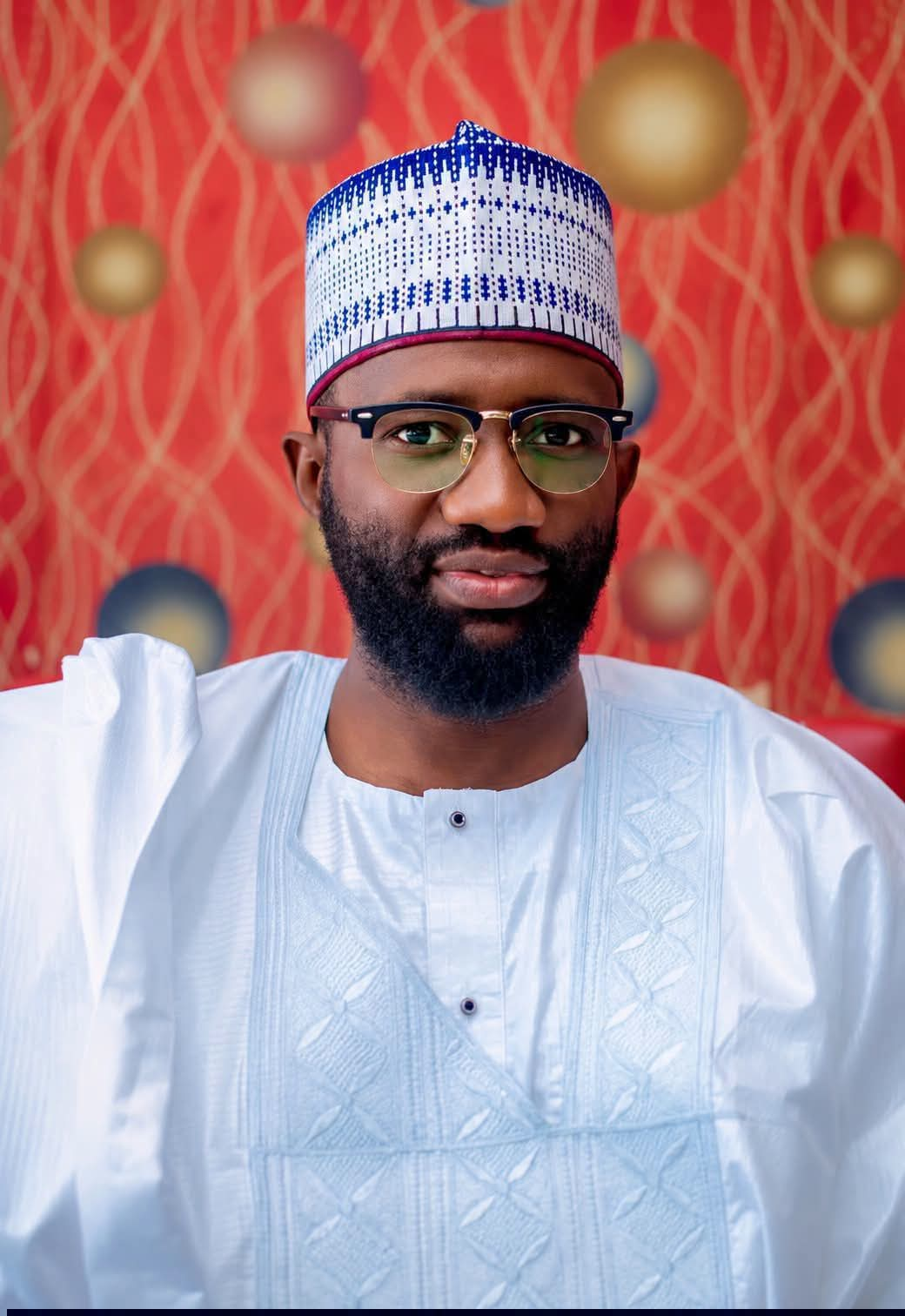
The political landscape in Kano Central Senatorial District is witnessing a gradual but noticeable shift as increasing numbers of young voters, professionals and community stakeholders rally behind the senatorial ambition of Dr. Nafiu Sankara ahead of the next election cycle.
Though the contest is expected to feature some of Kano’s most experienced political figures, discussions across the district are increasingly focused on the emergence of a new generation of leaders and what many describe as a growing demand for fresh ideas, innovation and people-oriented governance.
Dr. Sankara, a renowned development advocate and grassroots mobiliser, has continued to attract attention through his emphasis on youth empowerment, economic development and inclusive representation. Political observers note that his message is resonating strongly among first-time voters and younger residents who believe Kano Central requires a more dynamic approach to leadership.
Across several communities within the district, supporters say Dr. Sankara’s popularity stems from his accessibility and consistent engagement with ordinary citizens. Many argue that voters are becoming more interested in leaders who maintain close contact with their constituents and actively participate in addressing community challenges.
A youth leader in Tarauni Local Government Area described the current political atmosphere as one driven by changing expectations.
“Young people want leaders who understand today’s realities. Issues such as unemployment, digital innovation, education and economic empowerment are becoming major concerns, and many believe these areas require a new approach,” he said.
Analysts also suggest that demographic realities may play a significant role in shaping the upcoming contest. With youths constituting a large percentage of the voting population, candidates perceived as being closer to their aspirations are expected to gain considerable momentum.
Dr. Sankara has repeatedly identified job creation and economic opportunities as major priorities in his campaign. According to him, empowering young people through entrepreneurship support, vocational training and investment-friendly policies remains critical to sustainable development.
He has argued that economic growth can only be achieved when governments create environments that encourage innovation, small business growth and private-sector participation.
Beyond youth-focused policies, Dr. Sankara has also maintained a strong emphasis on infrastructure development. He believes improving roads, healthcare facilities, schools and electricity supply would not only improve living standards but also stimulate economic activities across the district.
Political commentators say this development-focused message is helping him attract support from a wide range of demographic groups, including women, traders, professionals and community leaders.
His campaign activities have also generated conversations about citizen-driven governance, transparency and accountability. Supporters believe these issues have become increasingly important as voters seek leaders they can hold responsible for campaign promises and public commitments.
While established political figures continue to command significant influence within Kano politics, observers note that the growing attention around Dr. Sankara demonstrates an increasing appetite for alternative leadership options among sections of the electorate.
As preparations for the next elections gather pace, the Kano Central Senatorial race is gradually evolving into a contest that may be defined not only by political structures and party affiliations but also by competing visions about the future direction of leadership in the district.
Whether the momentum currently surrounding Dr. Sankara will translate into electoral success remains uncertain. However, what is becoming evident is that conversations about youth participation, generational renewal and development-focused representation are steadily moving to the centre of political discourse in Kano Central.
For many voters, the election may ultimately be less about political history and more about which candidate can best articulate and deliver a vision for the future.
News
2027 PRESIDENCY: AVA WARNS AGAINST POLITICAL GIMMICKS, URGES NIGERIANS TO SCRUTINISE ATIKU’S RECORD
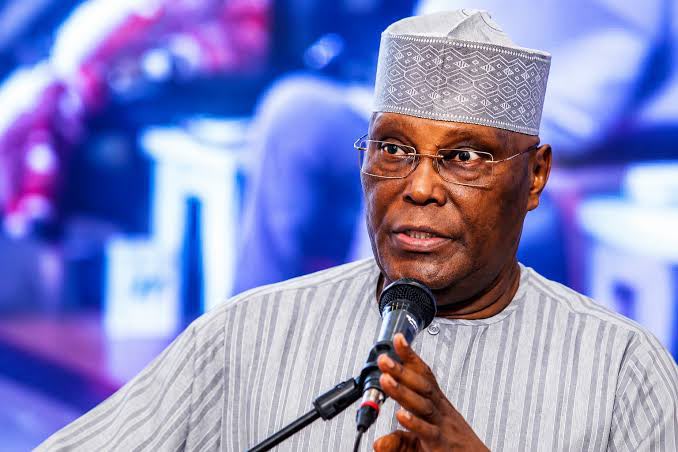
In contemporary Nigeria, the name Atiku Abubakar has become synonymous with relentless presidential ambition, political maneuvering and controversy. His career in the Nigeria Customs Service, where he rose to the rank of Deputy Comptroller-General before retiring, is well known. Equally well known is his transition from a wealthy former customs officer into the political arena through the late General Shehu Yar’Adua-led People’s Front (PF), a formidable political organisation that shaped the careers of several prominent Nigerian politicians.
During that period, Senator Bola Tinubu was also an influential member of the political movement and cut his political teeth within the same political family, although Atiku and Tinubu would later pursue different political paths.
With the return of democratic governance in 1999, their political paths crossed again. While Tinubu became Governor of Lagos State, Atiku emerged as Vice President of Nigeria under President Olusegun Obasanjo.
It was Obasanjo who took the political gamble of selecting Atiku as his running mate and entrusting him with the office of Vice President. However, their relationship deteriorated dramatically, culminating in a prolonged political feud that exposed serious disagreements within the administration and eventually turned into an open struggle for political supremacy.
Indeed, Nigerians witnessed a presidency characterised by internal conflict, political rivalry and a bitter power struggle between the President and his Vice President. Rather than consistently projecting unity and focusing on governance, the administration became embroiled in controversies that distracted from its responsibilities to the Nigerian people.
Atiku’s political trajectory has since been marked by repeated presidential contests against several political leaders and administrations, including Umaru Musa Yar’Adua, Goodluck Jonathan, Muhammadu Buhari and, more recently, Bola Ahmed Tinubu. His persistent pursuit of the presidency raises legitimate questions about whether his ambition is driven primarily by a commitment to national service or by an enduring quest for personal political power.
The problem with Nigeria is not merely that public officials make mistakes; it is the failure to hold political leaders accountable for their actions, decisions, abuse of public trust and alleged financial improprieties. Accountability, integrity and patriotism must be the defining standards of leadership, not political convenience, personal ambition or the manipulation of public sentiment.
Atiku’s association with the controversies surrounding Nigeria’s privatisation programme, particularly the handling of the Nigerian Telecommunications Limited (NITEL) and its eventual transfer to Pentascope, remains a matter of public debate and scrutiny. As a leading figure in the privatisation process during the Obasanjo administration, his role deserves honest examination.
The privatisation programme generated considerable controversy over the fate of public enterprises, workers’ welfare, transparency, accountability and the performance of some of the companies that were transferred to private operators. Nigerians have every right to demand explanations from those who occupied influential positions during that period.
The consequences of poorly executed privatisation exercises were felt by workers, families and communities. Job losses, industrial decline, the collapse or weakening of some enterprises, and concerns about the transparency of transactions became part of the national conversation. Those who presided over such policies cannot simply distance themselves from the outcomes or present themselves as though they had no responsibility for the decisions made.
We must, at this juncture, call a spade a spade. Nigerians cannot continue to be deceived by politicians whose presidential ambitions appear endless, while their records in public office remain subjects of controversy and unanswered questions.
No responsible citizen should ignore the need to scrutinise Atiku’s record, political antecedents, policy positions and past performance before considering entrusting him with the nation’s highest office in 2027.
THE HUSHPUPPI CONTROVERSY
In an episode that attracted widespread public attention, Atiku’s association with the Dubai meeting involving Ramon Abbas, popularly known as Hushpuppi, remains a subject of political controversy. Hushpuppi was subsequently convicted in the United States for his involvement in international fraud schemes.
Atiku, alongside political associates including Dino Melaye and Timi Frank, was publicly associated with the meeting involving Hushpuppi and other political figures, including Bukola Saraki and Yakubu Dogara who were deceived to be part of the meeting. The circumstances and political significance of that encounter attracted considerable criticism and questions from Nigerians.
Let us be clear: association or photographs with an individual do not, by themselves, establish criminal wrongdoing. However, public figures seeking the highest political office must be prepared to answer legitimate questions about their associations, judgment and the circumstances surrounding politically significant encounters.
Nigerians deserve leaders whose relationships, conduct and political engagements inspire confidence, not suspicion, controversy or endless explanations.
Atiku must also demonstrate that he has moved beyond the politics of personal ambition, identity-based mobilisation and political manoeuvring. Nigeria requires a leader with a clear, credible and practical agenda for national development—not another presidential campaign built around promises, political alliances and the assumption that power is a personal entitlement.
A WARNING TO NIGERIANS
We are concerned that Nigerians may once again be subjected to grand promises, political gimmicks and smooth-sailing campaign narratives without a corresponding examination of the candidate’s past record.
The electorate must not allow political propaganda, sentimental appeals or personality-driven campaigns to overshadow the critical questions of competence, accountability, integrity, economic policy, national security and the welfare of ordinary citizens.
A candidate’s record in public office is far more important than campaign rhetoric. Nigerians must examine what those seeking their votes have done when entrusted with power, the policies they supported, the controversies surrounding their tenure, and the lessons that can be drawn from their previous leadership experiences.
We therefore urge Nigerians, particularly young people and the voting public across all regions, to remain vigilant, politically conscious and discerning. The future of our country must not be surrendered to political desperation, empty promises or uncritical loyalty to individuals.
OUR POSITION
The Arewa Voters Assembly (AVA) maintains that Nigeria deserves purposeful, accountable, transparent and patriotic leadership. We reject politics driven solely by personal ambition, political opportunism and the pursuit of power without a demonstrable commitment to national development.
Atiku Abubakar must be judged by his political antecedents, his record as Vice President, his involvement in the policy decisions and controversies of the Obasanjo administration, and the credibility of his present promises—not merely by the sophistication of his campaign rhetoric.
We urge Nigerians to reject political gimmicks and demand accountability from every aspirant seeking their mandate.
Nigeria is too important to be treated as the personal political destination of any individual. The presidency is a public trust, not a birthright.
SIGNED:
Com Iliasu Musa
National Coordinator, AVA.
Com Paul Katuka
Secretary,
AREWA VOTERS ASSEMBLY (AVA).


Hamma Adama Ali Kumo Celebrates Gov. Mai Mala Buni at 59, Lauds Transformational Leadership in Yobe

SANKARA’S YOUTHFUL APPEAL RESHAPING KANO CENTRAL POLITICS

2027 PRESIDENCY: AVA WARNS AGAINST POLITICAL GIMMICKS, URGES NIGERIANS TO SCRUTINISE ATIKU’S RECORD

-
 Uncategorized6 years ago
FG, states urged to harness flooding for ranching, others with technology – Agbaje
-
 Headlines11 years ago
Breaking: EFCC seals Borno House of Assembly, as Hon members take to their heels
-
 News12 years ago
Nigeria Security Operatives Stage Manhunt For Homosexual Perpetrator
-
 News10 years ago
How 21-year-old Girl fled community over accusation of lesbianism
-
 News11 years ago
Yobe Gov Moves Against Deputy
-
 Opinion8 years ago
7 signs she has friend zoned you
-
Technology5 years ago
Online job placement company headhunts women
-
 Headlines11 years ago
Borno Dep Gov Abducts Another Church Leader