
News
Story behind re-germination of seeds collected on Mount Qomolangma

By Zhang Fan, Yang Wenming, Li Maoying, People’s Daily
In September 2021, Chinese researchers collected the seeds of Desideria himalayensis at an altitude of 6,212 meters at the East Rongbuk Glacier on Mount Qomolangma, setting a new record for plant seed collection at the highest altitude in China.
In July this year, seeds of five species of plants collected during the seed-collection mission on Mount Qomolangma successfully germinated after being preserved in cold storage at minus 20 degrees Celsius for nearly a year.
The success of the germination experiment means that China has collected and preserved the seeds of a plant found at the highest altitude globally so far and laid a foundation for relevant research into germplasm resources in the future.
On Sept. 24, 2021, Guo Yongjie, Zhao Yanhui, and the other six members of the team tasked with the seed-collection mission climbed Mount Qomolangma for the second time, following their first trip in August.
Prior to that, only 15 species of plants were publicly known to have been collected at a height of over 6,100 meters.
In the area referred to as the “forbidden zone of life”, where it is windy, extremely cold, and lacks oxygen, researchers must be very careful with every step they take on their way up the mountain.
The team set off from the transition camp at an altitude of 5,800 meters, and reached a height of around 6,200 meters several hours later.
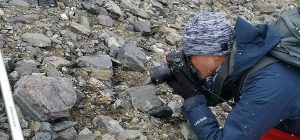
“Desideria himalayensis,” Guo cried at the sight of the plant that wears camouflage colors. After recognizing the plant growing in a crevice, Guo immediately laid on his stomach to take pictures of it from all angles and recorded the altitude and other information about the spot where the plant was found.
The plant that grew at an altitude of 6,212 meters was the first plant they found at altitudes above 6,000 meters. What made Guo more excited was that some of the siliques of the Desideria himalayensis had split, which meant the team had a chance to collect the seeds of the plant.
Just after Guo collected the Desideria himalayensis, Mount Qomolangma in the distance revealed itself. Seeing the tiny, fragile branches of the plant sway in the wind in stark contrast to the snow-capped mountains in the distance, Guo thought to himself, Mount Qomolangma is awe-inspiring, but the tenacity of life is by no means inferior to it.
The seeds collected from Mount Qomolangma were quickly sent to the institute which launched the seed-collection mission – the Germplasm Bank of Wild Species in the Kunming Institute of Botany under the Chinese Academy of Sciences in Kunming, the capital of southwest China’s Yunnan province.
“Information about the seeds, such as the time when they were collected, the longitude, latitude, and altitude of the spots where they were collected, as well as the species, the initial quality and quantity of the seeds, must all be put into the database in a timely manner, so that it can be useful for future research and ecological restoration efforts,” said Qin Shaofa, head of the seed management team at the seed storage center of the Germplasm Bank of Wild Species.
According to the standards set by the Germplasm Bank of Wild Species, a complete seed sample needs to have at least 2,500 seeds, with around 10,000 seeds being the best case. However, since seeds are scarce at high altitudes of Mount Qomolangma, it is hardly possible to collect 2,500 seeds, so researchers can only try to collect and preserve as many seeds as possible first.
Qin and his team members put the seeds of plants including Desideria himalayensis and Saussurea gnaphalodes in the main drying room after counting and weighing them. After being kept in an environment with a temperature of 15 degrees Celsius and an air humidity of 15 percent for a month, the water content of the seeds were reduced to around 5 percent.
The precious seeds of plants such as Desideria himalayensis and Saussurea gnaphalodes entered a “dormant period” in a low-temperature and dry environment, and were then sealed up and put in cold storage for long-term preservation.
“It’s possible that these seeds will live several decades and even more than a thousand years in an environment with a constant temperature of minus 20 degrees Celsius,” Qin said.
In July this year, the seeds of five species of wild plants collected on Mount Qomolangma, namely Desideria himalayensis, Saussurea gnaphalodes, Pedicularis cheilanthifolia, Oxytropis microphylla, and Hippophae tibetana, were taken out of the cold storage by Yang Juan after being kept there for nearly 10 months.
Yang, a staff member of the Germplasm Bank of Wild Species in charge of seed germination, put the seeds in a drying room to raise their temperature before carefully placing a part of them on agar medium.
“In order to make sure that the seeds stored in the germplasm bank are alive, we test the viability of each seed sample once in a while,” Yang said, adding that the seeds of the five species of wild plants were tested for the first time 10 months after they were collected on Mount Qomolangma.
Within merely nine days, all the seeds had germinated. In particular, the germination of Desideria himalayensis has proven that China has successfully collected and preserved the seeds of a plant found at the highest altitude globally so far.
In addition to the seeds of plants collected on Mount Qomolangma, valuable germplasm resources from more than 10,000 species are preserved in the Germplasm Bank of Wild Species.
Since it was put into operation, 87,863 samples of seeds from 10,917 wild plant species in China have been stored in the germplasm bank, and seed samples from 36 percent of China’s flowering plant species are also kept in the facility.
A seed carries the hope of life from the moment it comes into being. The seeds preserved in the Germplasm Bank of Wild Species have without doubt brought more hope to biodiversity protection.
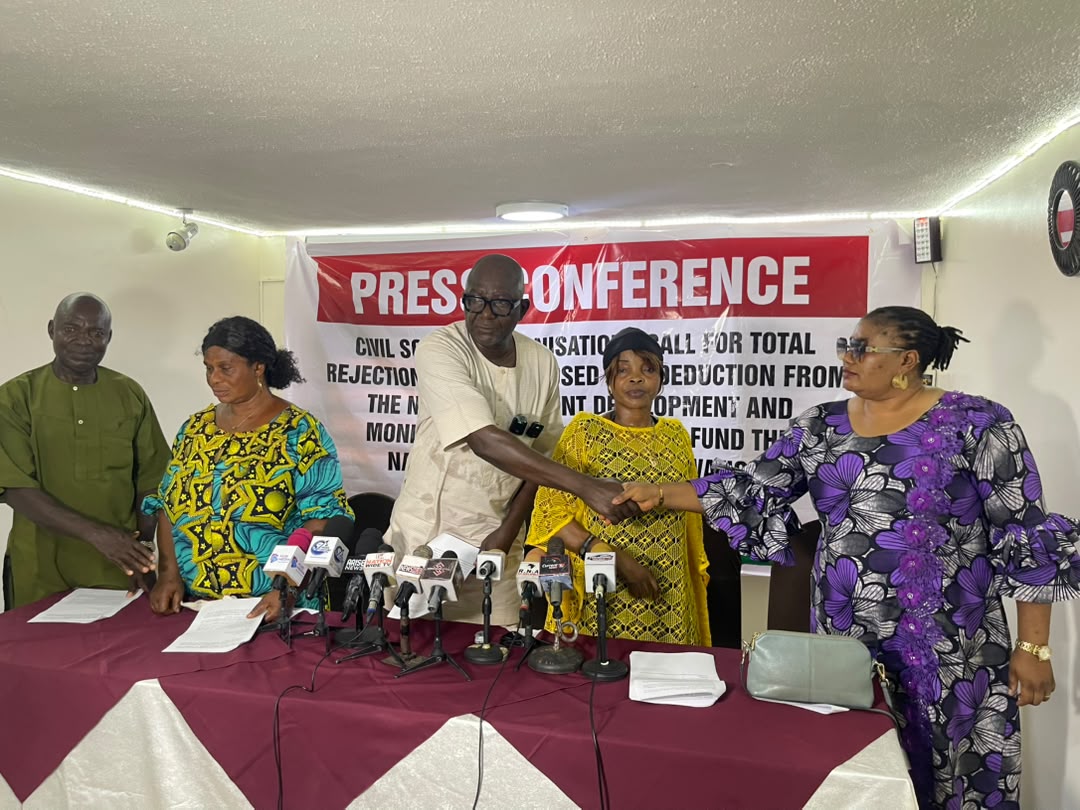
The Coalition of Civil Society Organisations in Nigeria (COCSON) has rejected a proposed 20 per cent deduction from the Nigerian Content Development and Monitoring Board (NCDMB) to finance the proposed National Research and Innovation Development Fund.
The coalition described the proposed funding arrangement as unacceptable, warning that it could undermine the development of indigenous capacity and local value addition in Nigeria’s oil and gas industry.
Speaking at a press conference in Abuja on Thursday, November 26, 2026, COCSON spokesperson, Tabuko Kennedy, said the coalition was not opposed to the establishment of a national research and innovation fund but strongly objected to the proposed funding mechanism.
Kennedy argued that funds allocated to the NCDMB were specifically meant to develop local capacity, support indigenous companies, train Nigerian engineers and promote value addition within the oil and gas sector.
He warned that diverting 20 per cent of the board’s revenue to finance another institution could weaken its ability to fulfil its statutory responsibilities.
According to him, the funds domiciled with the NCDMB are not surplus government revenue but contributions from companies operating in the oil and gas industry, specifically earmarked for local content development.
He maintained that diverting such funds without the consent of industry stakeholders would amount to a breach of trust and undermine the original purpose for which the resources were collected.
The coalition also warned that the proposed deduction could establish a dangerous precedent where financially viable government agencies would have portions of their revenues diverted to fund newly established institutions.
Kennedy questioned what would prevent similar deductions from other specialised intervention funds, including the Tertiary Education Trust Fund, the Universal Service Provision Fund and the Police Trust Fund.
He said such a practice could discourage revenue-generating agencies from improving their financial performance, create inter-agency rivalry and undermine long-term institutional planning.
COCSON further argued that the proposed deduction could violate the Nigerian Oil and Gas Industry Content Development Act, which provides the legal framework for the management and utilisation of funds accruing to the NCDMB.
The coalition maintained that the legislation did not envisage using the board’s resources to finance an unrelated research and innovation institution, describing the proposed diversion as inconsistent with the original statutory purpose of the funds.
Consequently, COCSON called on the leadership of the National Assembly, relevant committees and the Federal Executive Council to reject the proposed 20 per cent deduction.
It also appealed to President Bola Tinubu not to assent to the bill if the controversial funding provision remains in it.
The coalition disclosed that it had mobilised organised labour, pressure groups, religious organisations and other civil society groups to resist the proposed legislation.
It, however, stressed that it was not against research, innovation or the establishment of a national research funding institution, urging the government and lawmakers to explore alternative funding arrangements that would not undermine existing development agencies.
COCSON also called on Nigerians and industry stakeholders to oppose what it described as a legislative overreach, insisting that the country’s local content development programme should not be weakened to finance a new institution.
…Praises Alia For Restoring Residents To Ancestral Homes
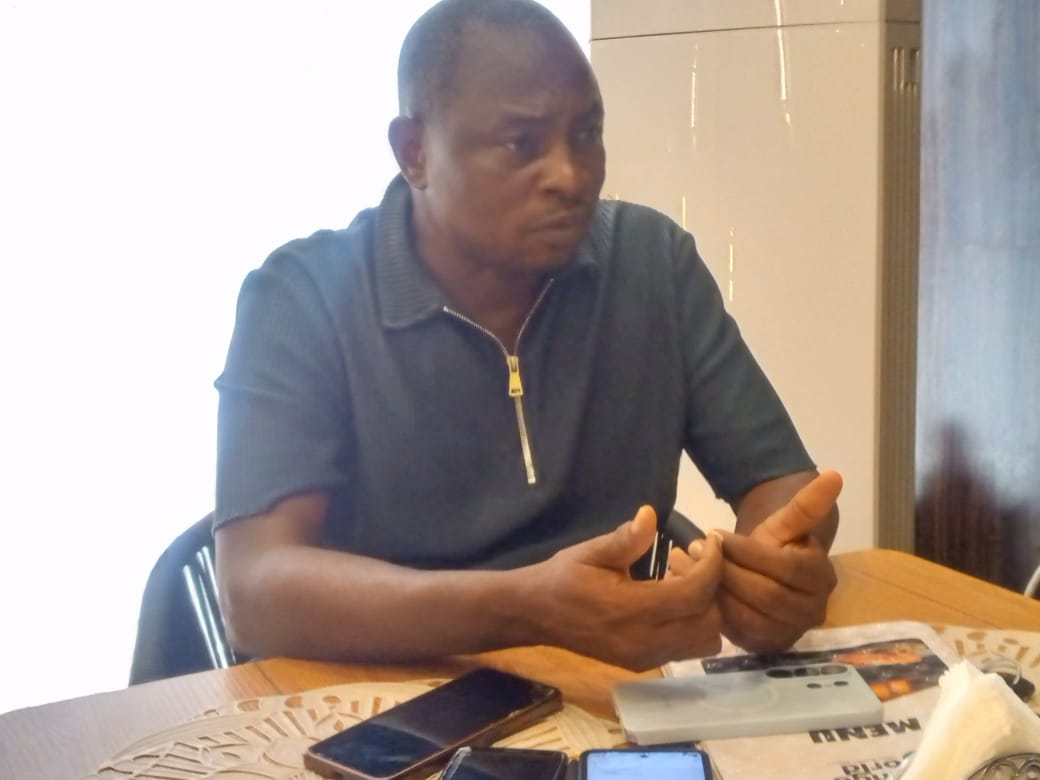
A former Commissioner for Lands and Survey in Benue State, Surveyor John Tondu, has accused the immediate past administration of failing to protect communities ravaged by insecurity, alleging that his people were effectively ranched instead of cattle, contrary to the objectives of the state’s anti-open grazing law.
Tondu, a former governorship aspirant, said residents of his local government endured years of displacement and were unable to access their ancestral homes despite the enactment of the Open Grazing Prohibition and Ranches Establishment Law in 2017.
The former commissioner who disclosed this while speaking with newsmen in Makurdi on Tuesday, also stated that one of the things that endeared him to Governor Hyacinth Alia, of Benue state, was his ability to ensure that his people who were living in Internally Displaced Persons (IDP) camps have return to their ancestral homes.
He alleged that while the law was intended to prohibit open grazing and provide for the establishment of ranches for livestock, the reality in his community was that human beings became victims of displacement and confinement instead of animals being accommodated in ranches.
According to him, “First, I come from a local government area that had the privilege of producing a governor who served the state for eight years. Yet, if you visit my local government, you would hardly believe that somebody from that area had occupied the office of governor for that length of time.”
Reflecting on the security situation during the previous administration, Tondu lamented that his community was among those severely affected, with residents effectively cut off from their ancestral homes for years.
“In 2017, the Open Grazing Prohibition and Ranches Establishment Law was enacted. The implication was that open grazing would no longer be allowed and livestock would have to be ranched.
“But, in reality, it was human beings who were ranched instead of animals. My people were effectively confined to displacement for eight years. Nobody could freely access his ancestral home,” he alleged.
The former commissioner, however, observed that the situation began to change following the inauguration of Governor Hyacinth Alia on May 29, 2023, disclosing that by September of the same year, displaced residents had started returning to their communities.
He pointed out that some of the residents were returning to homes they had been unable to visit for about five years, adding that members of his community had since resumed normal family and social activities.
“By September 2023, just a few months after Governor Alia assumed office on May 29, 2023, my people had started returning to their communities. They were returning to homes they had not visited for about five years,” he said.
Furthermore, Tondu stated that “As I speak, members of my community have returned home to live peacefully and carry on their normal family activities.
“Nobody is living in the ranch that was supposed to accommodate animals. My people were the ones who ended up living in what I describe as a human ranch.”
Tondu said the return of his people to their ancestral homes was a major consideration in his decision to identify with the Alia administration, insisting that the government needed sustained support to consolidate the security gains.
“This development alone has endeared me to the present administration. I believe we must give the government every necessary support to ensure that my people continue to enjoy the freedom and peace they have experienced over the years,” he said.
Beyond security, the former commissioner cited improvements in urban infrastructure and workers’ welfare as other reasons for his support for the governor.
He recalled that during his tenure as Commissioner for Lands and Survey, he took steps to address indiscriminate building in Makurdi, where some property owners allegedly ignored approved government layouts and development plans.
According to him, enforcing the opening of access roads in affected areas generated resistance from some individuals at the time, but he was pleased that the present administration had subsequently opened, tarred and constructed some of the roads.
“Today, if you visit those areas, you will see that some of the access roads we insisted should be opened have been opened, tarred and constructed by the present administration.
“That means I can physically see the impact of my own contribution to the state because somebody is providing the leadership needed to build on it,” he emphasised.
On workers’ welfare, Tondu observed that the payment of salaries and pensions was particularly important in Benue, which he described as essentially a civil service state.
He said delayed salaries and pensions had consequences beyond the immediate beneficiaries, affecting families, dependants and the wider economy.
He noted that “Benue is essentially a civil service state, and when salaries and pensions are not paid, you can imagine the consequences for families and the wider economy.
“Even if I do not have parents who are pensioners, I have relatives and friends whose parents are pensioners and civil servants. Civil servants are now being paid their salaries, while pensioners are also receiving their pensions.”
Tondu maintained that the Alia administration was addressing issues he had considered priorities when he aspired to govern the state, arguing that political ambition should be driven by the desire to serve rather than the personal quest to occupy public office.
“The governor is addressing these issues. So, what reason would I have not to support him?
“These were some of the priorities I had when I aspired to become governor. If somebody occupying that office is providing the services I would have provided had I been elected, refusing to support him would suggest that my own ambition was personal rather than driven by service,” he stated.
Tondu consequently pledged his commitment to supporting Alia’s re-election bid, saying the governor should be given the opportunity to consolidate the administration’s programmes and do more for the people.
“It is in that spirit that I am supporting the government with every commitment and assistance I can offer so that Governor Alia can be re-elected and do more for the people of Benue State,” the former governorship aspirant stated. End
News
Hon. Jafaaru Yakubu Commends China Harbour on Makurdi-Enugu Road Project, Urges FG to Release Funds for Completion
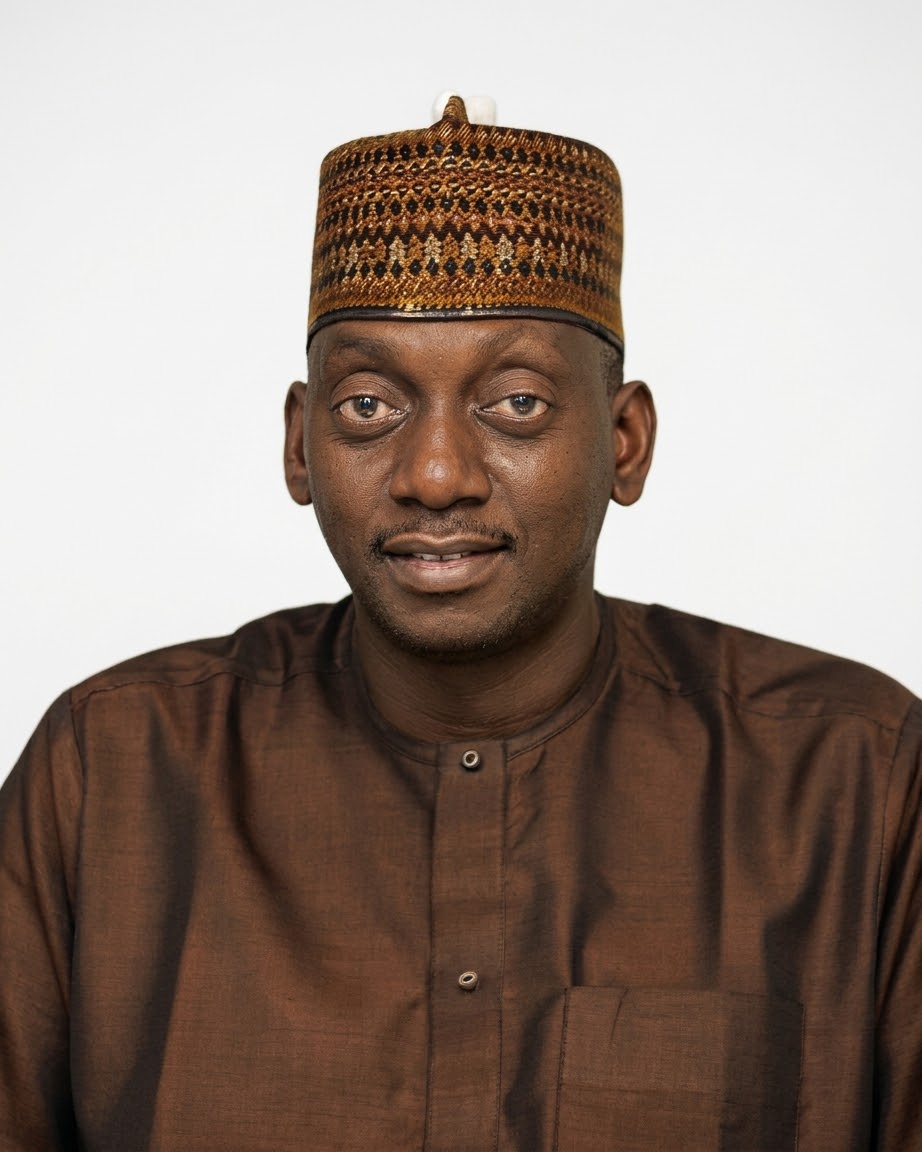
The Chairman of the Nigeria-China Friendship Relationship Group, Hon. Jafaaru Yakubu, has commended China Harbour Engineering Company for the remarkable progress recorded on the ongoing Makurdi-Enugu Road Expansion Project, noting that the construction has attained about 70 percent completion.
Hon. Yakubu gave the commendation during an inspection visit to the project site, where he expressed satisfaction with the quality of work executed by the construction firm and called on the Federal Government to expedite the release of funds to ensure the timely completion of the strategic highway.
Speaking after touring various sections of the road, the chairman described the project as a critical infrastructure development that would significantly improve transportation, enhance economic activities, and facilitate the movement of people and goods across the region.
According to him, the level of professionalism displayed by China Harbour Engineering Company is evident in the quality of the construction work, the durability of the pavement structure, and adherence to modern engineering standards.
“I am highly impressed with what I have seen on the ground. The quality of work being carried out by China Harbour is commendable. The road is being constructed to international standards, and the progress achieved so far demonstrates the company’s commitment to excellence and value delivery,” he said.
Hon. Yakubu noted that upon completion, the expanded highway would reduce travel time, improve road safety, boost interstate commerce, and open up new economic opportunities for communities along the corridor.
He further praised the construction company for maintaining a high standard of workmanship despite prevailing economic challenges, stressing that the project stands as a testament to the growing cooperation between Nigeria and China in the area of infrastructure development.
“The attention to detail, the engineering quality, and the pace of work are highly encouraging. This project is a shining example of the positive outcomes that can be achieved through strong bilateral cooperation and commitment to development,” he added.
The Nigeria-China Friendship Relationship Group chairman, however, appealed to the Federal Government to ensure the prompt release of outstanding funds required for the completion of the project.
He emphasized that timely funding would enable the contractor to sustain the current momentum and deliver the road within the stipulated timeframe.
“I want to respectfully appeal to the Federal Government to provide the necessary financial support and release funds as required. This will help ensure that the project is completed without unnecessary delays, allowing Nigerians to fully benefit from this important infrastructure investment,” he stated.
Hon. Yakubu described the Makurdi-Enugu Road Expansion Project as a vital national asset capable of transforming economic activities across the North Central and South Eastern regions, adding that its completion would further strengthen connectivity and promote national development.
He therefore urged all stakeholders to continue supporting the project, expressing confidence that the road would become one of the country’s most enduring and impactful infrastructure achievements when completed.
The Makurdi-Enugu Road Expansion Project is regarded as a key transportation corridor designed to enhance regional integration, improve access to markets, and stimulate socio-economic growth across several states along its route.


Civil Society Coalition Kicks Against Proposed 20% Deduction from NCDMB

2027: Kwara South APC Campaign Flagged Off

Kwara Jailbreak: Three Inmates Die

-
 Uncategorized6 years ago
FG, states urged to harness flooding for ranching, others with technology – Agbaje
-
 Headlines11 years ago
Breaking: EFCC seals Borno House of Assembly, as Hon members take to their heels
-
 News12 years ago
Nigeria Security Operatives Stage Manhunt For Homosexual Perpetrator
-
 News10 years ago
How 21-year-old Girl fled community over accusation of lesbianism
-
 News11 years ago
Yobe Gov Moves Against Deputy
-
 Opinion8 years ago
7 signs she has friend zoned you
-
Technology5 years ago
Online job placement company headhunts women
-
 Headlines11 years ago
Borno Dep Gov Abducts Another Church Leader