
PRESS RELEASE
NELFUND: EASING FINANCIAL BURDENS, IMPROVING STUDENT WELFARE AND PROMOTING SHARED PROSPERITY

The Nigerian Education Loan Fund (NELFUND), is a Federal Government financial institution established to provide interest-free student loans to eligible Nigerian students in public tertiary institutions, thereby expanding access to higher education and reducing the financial barriers that have historically prevented many young Nigerians from pursuing their academic aspirations. President Bola Ahmed Tinubu signed the Student Loans (Access to Higher Education) Act in June 2023, establishing the legal framework for student financing in Nigeria. Subsequently, the revised Student Loans (Access to Higher Education) (Repeal and Re-enactment) Act was signed into law on April 3, 2024, further strengthening the programme and removing certain restrictions, including family income thresholds and guarantor requirements, to make the facility more accessible. The official student loan application portal was opened on May 24, 2024, under the leadership of the Managing Director and Chief Executive, Mr. Akintunde Sawyerr.
Since its inception, the Fund has recorded remarkable achievements in disbursement, access, coverage and impact. It has provided financial support to millions of students and continues to expand its reach across the country. By July 2026, NELFUND had disbursed approximately ₦303.91 billion to more than 1.63 million beneficiaries, supporting students through institutional tuition payments and monthly upkeep allowances. The programme’s application figures have continued to rise, reflecting the growing confidence and demand among students nationwide. Its intervention covers institutional fees paid directly to participating institutions and upkeep allowances provided to eligible students, significantly reducing financial pressure, improving retention and helping students remain in school. The scheme also provides a structured, interest-free repayment framework, with repayment obligations tied to the beneficiary’s employment and income status and commencing in accordance with the provisions of the law.
Beyond the statistics, NELFUND is saving dreams, preserving futures, driving academic excellence and strengthening the educational prospects of Nigeria’s youthful population. Financial hardship has remained one of the greatest impediments to higher education, forcing countless talented students to postpone, abandon or discontinue their studies, sometimes in despair, while forfeiting opportunities to fulfil their academic and professional aspirations. This intervention, therefore, represents much more than a financial facility; it is a social safety net, a lifeline and a strategic investment in the future of the nation. For many beneficiaries, it has made the difference between attending lectures and dropping out, between pursuing a lifelong ambition and surrendering to economic circumstances. It has provided stability, renewed hope and an opportunity for academic growth. Even critics, sceptics and commentators cannot overlook the scale of the intervention and its emerging impact on the lives of young Nigerians across the length and breadth of the country. NELFUND has significantly altered the conversation about educational financing and demonstrated that deliberate public policy can make a meaningful difference in the lives of ordinary citizens.
As of July 2026, the Fund had disbursed approximately ₦303.91 billion to more than 1.63 million students across Nigerian tertiary institutions, covering institutional fees and upkeep allowances. It had also continued to expand its institutional coverage, reaching hundreds of participating tertiary institutions nationwide and positioning itself among the most ambitious social investment initiatives in Nigeria’s education sector. The student loan scheme became fully operational following President Bola Ahmed Tinubu’s assent to the re-enacted Student Loan Act on April 3, 2024, while the application portal was officially launched on May 24, 2024. The facility is interest-free and provides financial support for tuition and monthly upkeep allowances to eligible students. Repayment is structured in accordance with the law and is linked to the beneficiary’s employment and income, with provisions designed to prevent undue hardship. This approach reflects an understanding that the purpose of the programme is not to burden graduates but to empower them to complete their education, acquire relevant skills, secure meaningful employment and contribute to national development.
Just recently, the National Assembly (NASS), in collaboration with NELFUND management, unveiled a nationwide expansion strategy for the student loan scheme, targeting seven million direct beneficiaries. The initiative was announced on Monday, June 15, 2026, during a one-day national sensitisation programme organised in Abuja by the Senate Committee on Tertiary Education and TETFund in collaboration with NELFUND. The campaign was designed to deepen public awareness, strengthen stakeholder engagement and streamline access to educational funding for indigent and deserving students nationwide. The essence of the programme is to ensure that Nigerians understand what the scheme entails, its eligibility requirements and how qualified applicants can access the facility, particularly as many students who qualify are still awaiting the opportunity to benefit.
Nevertheless, the expansion must go beyond conventional higher education to embrace vocational training, technical education, skills acquisition and other professional development pathways. Such an expansion is necessary to drive the desired national transformation by ensuring that more young Nigerians have access to education, employable skills and opportunities for self-development. Incorporating Technical and Vocational Education and Training (TVET) into the programme could significantly expand its reach and produce broader social and economic benefits for millions of Nigerians. With legislative backing, institutional cooperation and expanded vocational pathways, NELFUND and the National Assembly are demonstrating a commitment to ensuring that financial constraints no longer limit the academic and professional potential of Nigerian youths.
NELFUND has brought considerable relief and stability to students while easing the financial stress experienced by parents and guardians. The scheme has enabled many students to concentrate more effectively on their studies without the additional burden of undertaking menial jobs or other demanding activities merely to pay tuition fees and meet basic living expenses while on campus. The initiative has consequently attracted the attention of policy experts, education stakeholders and institutional administrators, who continue to examine its long-term sustainability, funding arrangements, repayment mechanisms and overall impact. Since its rollout, the programme has represented a significant shift in Nigeria’s approach to financing tertiary education, moving towards a structured student loan system supported by dedicated funding arrangements. Its growing scale has also intensified discussions about sustainability as more students seek financial assistance. The scheme offers interest-free loans to cover institutional charges, while eligible beneficiaries receive monthly upkeep support to ease the cost of pursuing higher education. Sustained government commitment, institutional cooperation, prudent financial management, transparent implementation and effective recovery mechanisms will be essential to keeping the programme viable while meeting the educational aspirations of millions of Nigerian students in the years ahead.
Accordingly, the scheme has become a positive stimulant and a landmark legacy project in the nation’s education sector, particularly by easing financial pressure and emotional stress on students and their parents. In the earlier phases of its implementation, NELFUND recorded substantial disbursements for institutional fees and upkeep allowances, demonstrating the scale of government intervention and its commitment to supporting students from financially disadvantaged backgrounds. The availability of such support has helped address some of the inequalities that expose students from poor households to distractions, hardship and circumstances that negatively affect their academic performance and outlook on life. It has enabled students to devote more time and attention to their studies, research, innovation and academic pursuits, while reducing the pressure to combine education with survival-driven economic activities. The programme’s benefits extend beyond the immediate financial assistance, as it also strengthens students’ confidence, encourages persistence and creates a more equitable environment in which talent and determination can thrive irrespective of family economic circumstances.
NELFUND, according to Prof. Lafiaji-Okunneye, has a commendable social value and redeeming impact, fostering a stronger sense of patriotism among beneficiaries while strengthening parents’ sense of belonging and confidence in the government’s commitment to their children’s future. The initiative has also been commended for complementing the administration’s investment in information and communication technology (ICT), technical education and other critical areas of human capital development. Increasingly, students are embracing technological advancements, developing commercially viable products, pursuing innovation and exploring opportunities in laboratories, research centres and technical workshops. These developments underscore the importance of educational reforms in improving youth welfare, promoting shared prosperity and positioning Nigeria for economic stability, growth and national development. The Fund has onboarded hundreds of tertiary institutions, simplified the application process, strengthened transparency in disbursement and ensured that institutional charges are paid directly to beneficiary institutions. It has equally maintained public updates on applications, approvals and disbursements, helping to build confidence in one of Nigeria’s most significant interventions in student financing. The present administration is championing the philosophy that education should not become the exclusive preserve of the wealthy, and President Tinubu’s advocacy for inclusive access to education remains a defining objective of the Fund’s implementation strategy.
Consequently, Nigerians continue to speak from different perspectives about this national milestone and its significance in reducing the financial burden on parents while expanding access to public tertiary institutions. A student of Modibbo Adama University (MAU), Yola, and beneficiary of the scheme, Abbas Aminu, said the intervention had significantly reduced the burden of tuition fees and other educational expenses. According to him, the financial support, including the monthly upkeep allowance, had enabled him to concentrate more on his studies without undue worries about school-related expenses. He commended the government for introducing the initiative while appealing for delays in disbursement to be addressed to ensure that students receive their benefits promptly and as and when due. He also called for improved communication among NELFUND, tertiary institutions and beneficiaries to enhance transparency, accountability and efficiency in the implementation of the scheme. Such feedback, the group believes, should be viewed as constructive input towards strengthening the programme and ensuring that its benefits reach students without unnecessary delays or administrative bottlenecks.
The Rector of the Federal Polytechnic, Mubi, Dr. Abdulrahman Ishiaka, also commended the initiative, saying it had contributed significantly to ensuring that more young Nigerians gain access to higher education. He noted that the intervention had helped institutions support eligible students and ease the financial difficulties confronting many families. He explained that once funds are received and the necessary verification processes completed, institutions engage successful applicants and provide the required documentation for appropriate processing. Similarly, the NELFUND desk officer at MAU, Abdulwahab Shehu, described the scheme as a major intervention aimed at expanding access to higher education. He advised students to obtain adequate information on eligibility requirements, application procedures, documentation and repayment conditions before applying, stressing that informed participation would help beneficiaries avoid unnecessary complications and make the best use of the opportunity provided.
Mr. Sidiku Liman, State Project Coordinator of the Adolescent Girls Initiative for Learning and Empowerment, also echoed the positive impact of educational interventions in changing lives in Adamawa State. He explained that the programme was designed to improve access to education for adolescent girls through school construction, renovation and other critical interventions. According to him, more than 2,000 schools in Adamawa State have been listed for various interventions across the state’s 21 Local Government Areas (LGAs). He further disclosed that the programme had recruited more than 3,000 teachers, comprising both male and female educators, and had encouraged more girls to remain in school. These efforts, he noted, complement existing initiatives to improve access to quality education, strengthen human capital development and empower girls and vulnerable communities across Adamawa State. The combined impact of educational financing and targeted education programmes demonstrates the importance of a coordinated approach to tackling barriers to learning and building a more inclusive society.
The story of University of Lagos (UNILAG) student, Migwe Nicholas, is particularly touching and demonstrates the profound impact of the intervention. He described himself as the only member of his family to have gained admission into university, saying, “I am the only person in my family that made it to University.” He explained that he was currently using the student loan to finance his education. Born into a poor and broken family, Nicholas said financial challenges had almost forced him to abandon his academic journey.
NELFUND now provides support for his tuition fees, enabling him to continue his studies despite difficult living conditions. His story represents one of many educational dreams that might otherwise have been lost to poverty and financial hardship. Similarly, the story of Oladepo Olugbenga of LAUTECH, who graduated in the 2024/2025 academic session with an outstanding CGPA of 4.89 out of 5.00 in Electronic and Electrical Engineering, is worthy of commendation. Growing up in a rural community in Osun State without electricity for several years, his journey was characterised by hardship, determination and sacrifice. He reportedly expressed his appreciation, saying, “I am honoured to let you know that I am the best graduating student of LAUTECH; your loans made this possible.” He disclosed that he had submitted his application using his mobile phone when financial pressures threatened his academic focus, and the Fund subsequently recognised his achievement at its Abuja headquarters, underscoring the growing importance of celebrating beneficiary success stories and academic excellence.
Augustine Oreoluwa, another first-class graduate of LAUTECH, who graduated with a CGPA of 4.61 out of 5.00 and emerged as the second-best graduating student in the Department of Electronic and Electrical Engineering, equally described the student loan scheme as a lifesaver. He explained that the intervention enabled him to concentrate on his academic pursuits rather than being distracted by financial challenges. These remarkable stories of determination, academic excellence and resilience further demonstrate that when students are given access to the necessary financial support, they can overcome difficult circumstances and achieve outstanding results. They also reinforce the argument that investing in education is not merely a social obligation but a strategic economic investment capable of producing innovators, professionals, entrepreneurs, researchers and future leaders who will contribute meaningfully to the nation’s development.
Nevertheless, the testimonies of Nicholas, other beneficiaries and the LAUTECH graduates capture the two broad objectives of NELFUND: expanding access to education and improving educational outcomes. To one student, the intervention has provided the means to remain in school despite homelessness and financial hardship; to another, it has provided the support necessary to emerge as the best graduating student in one of the nation’s leading tertiary institutions. NELFUND’s impact is increasingly being felt across the country’s institutions, from Maiduguri to Calabar, Sokoto and throughout the South-West, South-South, South-East, North-Central and North-West geopolitical zones. The Minister of Education, Dr. Tunji Alausa, has aptly captured the essence of the intervention, acknowledging that financial hardship remains one of the major reasons many Nigerian students suspend or discontinue their studies. With tuition fees and other educational expenses significantly eased through the student loan scheme, more students are now able to remain on campus and participate in their academic programmes without unnecessary interruptions. Requests for leave of absence had become commonplace as students struggled to balance academic aspirations with harsh economic realities. The Minister noted that beyond increasing access to higher education, NELFUND is also improving student retention, emphasising that government interventions can deliver measurable outcomes when properly implemented and targeted at addressing the real challenges confronting students. He also acknowledged that, like every major initiative, the programme may encounter initial challenges relating to disbursement timelines, institutional verification processes and long-term sustainability. However, the growing number of beneficiaries, participating institutions and educational stakeholders, coupled with encouraging testimonies, suggests that the intervention is steadily redefining educational opportunities for the less privileged across the country. It is preserving dreams, protecting futures, creating opportunities and driving academic excellence across diverse institutions.
Indeed, Mr. President has demonstrated, through policy decisions and ongoing reforms, a commitment to changing the national narrative and steering the country towards stability, growth and shared prosperity.
These reforms have demanded sacrifice, patience and adjustment, while also seeking to address longstanding structural weaknesses in the nation’s economy. They were designed to lay stronger foundations for Nigeria’s economic future and create conditions for sustainable development whose benefits should ultimately reach ordinary citizens and households. The task before the present administration is to ensure that economic growth translates into meaningful employment, higher incomes, improved living conditions, greater opportunities and tangible benefits for Nigerians. The Renewed Hope Agenda and the administration’s medium-term development priorities are focused on consolidating reforms through job creation, human capital development, infrastructure, food security, social protection and other critical sectors. In this context, NELFUND represents an important component of the administration’s human capital development strategy, recognising that a nation cannot achieve sustainable economic growth without investing in the education, skills, creativity and productive capacity of its young people.
At the centre of this initiative is the Managing Director and Chief Executive of NELFUND, Mr. Akintunde Sawyerr, whose leadership has been instrumental in the Fund’s rapid expansion, nationwide sensitisation campaigns and engagement with vice-chancellors, rectors, institutional administrators and other stakeholders across the country. Under his leadership, the Fund has continued to onboard participating tertiary institutions, simplify the application process, strengthen transparency in disbursement and facilitate the direct payment of institutional charges to beneficiary institutions. The Chief Executive has also urged Ministries, Departments and Agencies (MDAs) to take the lead in driving public awareness of the Federal Government’s student loan scheme, insisting that they have a strategic responsibility to ensure that eligible Nigerians are informed and empowered to benefit from the initiative. This call is particularly important because the programme was designed not only to provide financial assistance but also to correct misconceptions, improve public understanding and make accurate information readily available on how qualified students can access the facility. Sustained public sensitisation, effective communication, transparency, accountability and cooperation among government agencies, educational institutions, students and the public will remain critical to the continued success and sustainability of NELFUND.
The Northern Youths Professional Progressive Association (NYPPA), therefore commends President Bola Ahmed Tinubu, the Federal Government, the National Assembly, the management of NELFUND, participating tertiary institutions and all stakeholders for their contributions towards expanding access to education and improving the welfare of Nigerian students. We urge the government to sustain, strengthen and expand the programme, address operational challenges, ensure timely disbursement, improve public awareness and extend its reach to vocational, technical and skills-acquisition institutions. We also encourage beneficiaries to use the facility responsibly, remain committed to academic excellence and recognise the opportunity as an investment in their future and a responsibility to contribute to national development. NELFUND is more than a student loan scheme; it is an investment in human capital, a pathway to social mobility, a catalyst for economic productivity and a powerful instrument for promoting shared prosperity. When young Nigerians are empowered through education, the entire nation stands to benefit.
Signed:
Com. Shehu Babangida Funtua
National Coordinator,
Northern Youths Professional Progressive Association (NYPPA).
Com. Abubakar Dan Lamido
Secretary,
Northern Youths Professional Progressive Association (NYPPA).
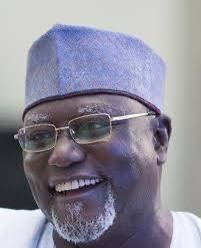
Mr. Lawal Musa Daura, former Director-General of the Department of State Services (DSS), has recently been reported in some online platforms to have made comments alleging that he possesses information concerning President Bola Ahmed Tinubu.
We at the Progressive Alliance for Justice, Unity and Democracy (PAJUD), find those reported comments unnecessary and unhelpful to public discourse, and we wish to respond to them.
We state categorically that President Tinubu has, over the decades, faced various political allegations and has had his record subjected to judicial and institutional processes, including decisions of the courts and the Code of Conduct Tribunal.
Firstly, we question the moral standing of Mr. Daura to present himself as a crusader for accountability, given the controversies that marked his tenure as DSS Director-General, including the widely reported invasion of judges’ residences in Abuja and Rivers State, and the high-handed treatment of judicial officers during that period.
It is our view that Mr. Daura’s tenure was marked by partisanship and a lack of vision in leading the organisation. As an example, we recall the detention of Mr. Gesila Khan, the then Resident Electoral Commissioner of INEC in Rivers State, over the 2015 general elections, an action that was widely criticised at the time.
It was also during the same period that DSS operatives were reported to have invaded the Ekiti State House of Assembly, an action that drew intervention and criticism from the House of Representatives.
It is also on record that hooded DSS operatives invaded the National Assembly during his tenure, obstructing lawmakers from discharging their constitutional duties in an incident that was televised nationally and internationally, to the embarrassment of the country.
Another case often cited is that of Mr. Jones Abiri, a journalist, who was detained for a prolonged period without trial during Mr. Daura’s tenure, an action that drew criticism from human rights organisations.
Mr. Daura’s predecessors and successors, including Mr. Yusuf Bichi and the present Director-General under President Tinubu, have, in our view, conducted the affairs of the Service with greater regard for the rule of law, dignity and professional standards.
We also recall that Mr. Daura was reported to have written a security report against Mr. Ibrahim Magu, which contributed to the non-confirmation of Mr. Magu by the Nigerian Senate as Chairman of the EFCC, after his name had been forwarded for screening.
It is also a matter of public record that during his tenure, several persons, including Col. Sambo Dasuki (rtd), Sheikh Ibrahim El-Zakzaky, Nnamdi Kanu and Omoyele Sowore, were detained despite court orders granting them bail, including orders of the ECOWAS Court.
Mr. Daura’s tenure, in our assessment, was resistant to rational persuasion and superior reasoning. He was also reported to have prevented the EFCC from carrying out its lawful investigation into the Ikoyi funds recovery, and to have interfered in the work of other anti-graft agencies.
If Mr. Daura is today reported to be threatening to release information on Mr. President, we consider such claims to be old, recycled and misleading, and a ploy to deceive the public. His reported association with the Allied People’s Movement (APM) as a vice-presidential running mate to Governor Seyi Makinde has also raised questions about his political motives.
To further justify our position, we recall the reported forceful ejection of his predecessor, Col. Kayode Are (rtd) and his family, from the DSS guest house in their absence, an action we consider arbitrary and an abuse of power. We also recall his reported altercation with then Governor Nyesom Wike of Rivers State over the attempted operation at judges’ residences in Port Harcourt.
Another statement once credited to him in an engagement with newspaper editors — to the effect that he could cause crisis in Nigeria within five minutes if he wanted — was, in our view, unprofessional and unbecoming of a security chief.
It is our view that the statement credited to Mr. Daura may be part of the reason why, during his tenure, banditry and kidnapping grew in the North-West, North-Central and parts of the North-East, without visible evidence of successful prosecution of actors and their sponsors.
Under Mr. Daura’s watch, criminal elements such as Buharin Daji, Bello Turji, Dogo Gide, Dankarami, Ado Alero and Auwalun Daudawa, among others, became notorious and held parts of the country under siege, yet there was no visible decisive action against them, even after the abduction of Magajin Garin Daura in Katsina State.
We are concerned that Mr. Daura expects commendation from Nigerians when his tenure should be critically examined for acts of omission and commission. There is no doubt that Nigeria cannot make progress without proper investigation of actors, sponsors, collaborators and promoters of banditry — an action Mr. Daura failed to undertake while in office.
In fact, as a demonstration of PAJUD’s genuine interest in solving the security crisis that has bedevilled our country in recent years, we are making a clarion call, in unmistakable terms, urging Nigerian security agencies and their foreign counterparts to revisit the handling of the Boko Haram prisoner swap and ransom payment issues that arose during his tenure as DG, DSS.
In several dossiers and published articles on the activities of Mr. Daura, including an article by Dr. Ann McGregor titled “Nigeria and State Complicity with Terrorists,” questions were raised about ransom payments and prisoner swaps allegedly midwifed by a Swiss intelligence officer, Mr. Pascal Holliger, who was said to be operating as an NGO worker in the North-East.
Subsequently, Boko Haram released a number of Chibok girls and Dapchi captives, excluding Leah Sharibu and others. It was reported that some Boko Haram detainees were exchanged and ransom was paid.
However, it has been alleged in some publications that Mr. Daura was accused of operating an offshore account into which part of the proceeds was diverted. These are allegations that we call on the relevant authorities to investigate thoroughly and transparently, in the interest of justice and accountability.
Against this background of poor leadership and compromise witnessed under Mr. Daura as DG, DSS, and for the people of Nigeria on whose resources he held office, the failures are particularly galling. We shall initiate action with every patriots, security agencies and friends of Nigeria at the international level to demand accountability for alleged gross negligence, intelligence failures, human rights abuses, loss of lives and the proliferation of terrorism witnessed during his tenure.
Signed.
Com Yakubu Dan Abba
Country Representative, PAJUD.

Let us first and foremost state that this development provides the long-awaited impetus to galvanise our organisation and Nigerians at large to confront what we consider the troubling tendencies of political power struggles, self-serving interests and the inordinate ambitions of politicians who, in our assessment, have failed to demonstrate meaningful commitment to the development of the country.
When Bayo Onanuga issued a statement a few days ago announcing President Bola Ahmed Tinubu’s planned Umrah pilgrimage to Saudi Arabia to offer prayers for the success of the forthcoming general elections and the security of Nigeria as a nation, some individuals expressed strong objections. One such individual, Phrank Shaibu, a publicist associated with Atiku Abubakar, issued a statement demanding that videos and photographs documenting President Tinubu’s movements and activities during his spiritual pilgrimage be made available to Nigerians daily. For all intents and purposes, the Nigerian Presidency provided timely updates on the activities of the President during his personal spiritual sojourn in Saudi Arabia.
To the surprise and dismay of many religiously tolerant Nigerians, Shaibu reportedly issued another statement questioning the spiritual significance of the Kaaba, which President Tinubu visited. We consider such comments deeply offensive to the religious sensibilities of Muslims and an unfortunate contribution to an already sensitive national discourse. The statement attributed to Atiku’s camp raises serious questions about religious understanding, moral responsibility and the need for restraint in political communication.
It appears that Atiku’s camp is expressing grievances over the spiritual significance of the Kaaba in a manner that could unnecessarily inflame religious sentiments and deepen political divisions in the country. Nigeria is a secular state with substantial Christian and Muslim populations, and political actors must recognise the importance of respecting the religious sensitivities of all citizens, irrespective of their ethnic, political or religious affiliations.
The controversies surrounding the Deborah episode in Sokoto have previously generated considerable debate about Atiku’s political positions and the consistency of his responses to sensitive religious matters. The latest comments attributed to his camp have once again brought these questions to the fore. We believe that political differences should never become an excuse for undermining the spiritual values and religious convictions of fellow Nigerians.
Atiku’s perceived grievances appear to revolve around the question of whether a Yoruba political leader should be accorded the privilege of access to the Holy Kaaba by the Saudi Arabian authorities. We believe that access to such a sacred place should not be reduced to a political contest or an instrument for measuring the religious standing of individuals.
Why does Atiku, through his associates, frequently allow political spokespersons such as Dino Melaye, Phrank Shaibu and Timi Frank to make comments on sensitive religious matters, particularly those relating to Umrah and Islamic pilgrimage, without demonstrating adequate sensitivity to the spiritual significance of such issues?
It is increasingly becoming apparent that the controversy surrounding President Tinubu’s spiritual visit to the Holy Kaaba has generated considerable political reactions. We recall that late Sir Ahmadu Bello, the Sardauna of Sokoto, also undertook spiritual journeys associated with his religious convictions. Such historical examples should remind political actors that matters of faith and worship deserve respect rather than partisan controversy.
If the Kaaba has no special spiritual significance, as the statement attributed to Atiku’s camp appears to suggest, why have generations of prominent Muslim leaders undertaken spiritual journeys to the sacred site? Is the spiritual significance of such visits being questioned merely because of the political identity of the individual undertaking the pilgrimage? We believe that religious worship should never be subjected to partisan interpretations or political rivalry.
It is still fresh in our memory that questions were raised concerning Atiku’s alleged replacement of an elected minority-tribe Muslim ADC governorship candidate in Adamawa State with another candidate. Such developments deserve objective examination, particularly when political actors make claims about religious inclusion, minority representation and national unity.
Atiku’s alleged discriminatory tendencies and the perceived selective application of religious and ethnic considerations in pursuit of political objectives raise important questions about national cohesion, inclusion and the protection of Nigeria’s diversity.
We are increasingly concerned about the apparent double standards in the treatment of Muslims within the political space. Why should some Muslims be accorded respect and recognition while others are subjected to criticism or marginalisation, irrespective of their religious convictions and spiritual commitments? We believe that every Muslim deserves equal respect, regardless of ethnic background, political affiliation or geographical origin.
We must state that the comments attributed to Atiku’s aide reflect an unfortunate lack of sensitivity towards Islamic spiritual values. Such statements, particularly when made within an already polarised political environment, could undermine inter-ethnic and interreligious harmony. Political spokespersons must exercise restraint and demonstrate a proper understanding of the religious implications of their public statements particularly in a matter as sensitive as religion.
If President Tinubu is being criticised by members of Atiku’s political camp over his spiritual activities and religious background, what implications could such attitudes have for the broader question of religious and ethnic inclusion in Nigeria? These are important concerns that deserve serious consideration, particularly in a country as diverse as ours.
Why has Atiku, whose political associates have frequently advanced arguments relating to Northern political representation, allowed the controversy surrounding President Tinubu’s special prayers at the Holy Kaaba to become another source of political division? We believe that the spiritual significance of Islamic pilgrimage should transcend political competition and personal ambitions.
The criticism directed at President Tinubu over his prayers for the prosperity, peace and security of Nigerian citizens at the Holy Kaaba represents an unfortunate development in the political discourse surrounding the 2027 general elections. Religious worship should not become another battleground for political rivalry.
We therefore appeal to Nigerians, irrespective of their ethnic, religious and political affiliations, to approach this controversy with wisdom, restraint and a commitment to peaceful coexistence. We also urge political leaders and their spokespersons to demonstrate greater responsibility when commenting on matters of faith. The Muslim Ummah deserves respect, and religious institutions must not be drawn unnecessarily into partisan political battles. We consider what was said in the statement as abominable, sacrilege and a blasphemy of the first order by these spentforces who are plagiarist, mental health patients and people that cannot be proud to be called matured individuals.
Dino Melaye’s previous legal controversies and public conduct have also attracted considerable political attention. However, we believe that public discourse must remain focused on verifiable issues and relevant questions of accountability rather than personal insults or unsubstantiated allegations. Public figures and political spokespersons should be held accountable for their statements and conduct through appropriate democratic and legal processes. Dino has never conducted himself as a matured individual since he was elected into the National Assembly and till date the pampers wearing individual behave as if he owns the country when he is supposed to be in a mental home due to his mental health issues. His display of personal effects on social media platforms is indeed a huge joke, shame and disgrace to the political trajectory of the country.
The public associations and political relationships among these trio individuals have also generated discussions and aberration. Nevertheless, political relationships should be examined through credible evidence and substantive issues. We leave this discussion for the future where we will unearth the necessaries to put the record straight once and for all. Whatever that is done behind the curtain is also known to the public. A word is enough for the wise.
We are glad that the controversy has not been allowed to degenerate into further allegations concerning the President’s personal conduct. Nigerians deserve a political environment where issues are addressed with facts, restraint and respect for public institutions.
Lastly, we urge the Supreme Council for Islamic Affairs, the Sharia Council of Nigeria, Jama’atu Nasril Islam (JNI), the Muslim Rights Concern (MURIC) and other prominent Islamic organisations to examine the comments attributed to Atiku Abubakar’s political camp concerning the spiritual significance of the Kaaba. We believe that the matter deserves appropriate clarification and a responsible response from the relevant Islamic authorities. Any statement perceived as undermining an important pillar of Islamic spiritual life should not be dismissed without careful consideration.
We must not be seen as playing to the gallery or dissipating our collective energy on disagreements with the Christian Association of Nigeria (CAN) over relatively minor or mundane issues while remaining silent when comments perceived to undermine an important pillar of Islamic pilgrimage are made. We have observed what appears to be a lack of sufficient public engagement by some practising Muslims, Islamic organisations and religious bodies across the country. We therefore call for constructive engagement, principled leadership and responsible intervention to protect the sanctity of Islamic values, promote religious understanding and preserve national harmony.
SIGNED:
Ustaz Yusuf Abdulaziz
Chairman
Alsunnah Islamic Redemption Network
PRESS RELEASE
NSCDC PANEL FINDINGS: ACSGN QUESTIONS THE SCOPE AND BASIS OF RECOMMENDATIONS, CALLS FOR FAIRNESS AND ACCOUNTABILITY

28th October,2026
The Amalgamated Civil Society Groups of Nigeria (ACSGN) has taken note of the recently submitted report of the Federal Government’s investigative panel, chaired by Mr. Jonathan Kure, alongside various reports circulating on social media concerning the deaths of 33 illegal miners in Minna, Niger State, on September 16 and 17, 2026.
The unfortunate incident, which reportedly resulted in the deaths of 33 detainees, has raised serious concerns about detention conditions, operational procedures, the protection of human rights and accountability within the Nigerian Security and Civil Defence Corps (NSCDC) and other sister agencies. According to reports on the panel’s findings, the deaths were attributed to factors including overcrowding, extreme heat, dehydration and inadequate detention conditions.
The Minister of Interior, Dr. Olubunmi Tunji-Ojo, reportedly received the panel’s report and pledged to implement its recommendations to ensure justice for the victims and their families.
Among the reported recommendations are the payment of ₦1.4 billion in compensation to the families of the 33 deceased miners and 44 survivors, as well as the summary dismissal of the former Niger State Commandant of the NSCDC, Suberu Siyaka Aniviye, and other officers found to have been directly involved in the detention and eventual deaths of the miners.
While the Amalgamated Civil Society Groups of Nigeria (ACSGN), recognises the importance of accountability, justice and institutional discipline, we believe that the implementation of the panel’s recommendations must be guided by fairness, established administrative procedures, due process and a clear understanding of the responsibilities of the officers concerned.
THE COMMANDANT-GENERAL’S LEADERSHIP AND TRANSFORMATIONAL STRIDES
As an organisation committed to accountability, transparency, justice and good governance in public service, ACSGN wishes to state that the Commandant-General of the NSCDC, Professor Ahmed Abubakar Audi, has made significant contributions to the repositioning, rebranding and institutional development of the Corps since assuming office.
His leadership has been associated with efforts to strengthen professionalism, improve personnel development, enhance operational capacity, promote discipline and raise the morale of officers and men of the Corps. These efforts, in our assessment, deserve objective recognition and should be considered fairly in any evaluation of the organisation’s overall performance.
The development of infrastructure, improvements in personnel capacity and the promotion of institutional discipline are important elements of effective leadership. They should neither be ignored nor dismissed because of an unfortunate incident involving officers operating at a particular command.
We emphasise, however, that recognising the achievements of the national leadership does not diminish the gravity of the deaths in Niger State. The lives lost demand a thorough investigation, appropriate accountability for those found culpable and effective measures to prevent a recurrence but we are not unmindful of the activities of fifth columnists and spentforces who are working clandestinely to use the panel’s report to thwart the leadership efforts of the organisation and paint management in bad light for the fact that they have an axe to grind.
In a press statement jointly signed by the National Convener of ACSGN, Comrade Wale Adegoke, and its Secretary, Comrade Musa Abdullahi, the group expressed concern over the reported recommendation for institutional reforms aimed at strengthening the leadership of the NSCDC.
According to the information available to the group, the panel reportedly recommended institutional reforms within the Corps. We believe that any such recommendation must be examined carefully within the context of the panel’s actual findings, the evidence presented and the specific shortcomings identified during the investigation.
Institutional reforms are not inherently objectionable. Indeed, every responsible organisation must continually review its procedures, address weaknesses and improve its operational standards. However, reforms should be based on demonstrable institutional deficiencies and clearly articulated objectives, rather than being interpreted as an automatic indictment of the national leadership or a means to cast aspersions on the leadership because of its performance. ” You cannot pass or transfer an individual mess to his boss just to hang him”. It is unacceptable in today’s world and very unethical practice globally.
DELEGATED AUTHORITY AND THE DISTINCTION BETWEEN NATIONAL AND STATE RESPONSIBILITIES
Our principal concern is the need to distinguish clearly between the overall supervisory responsibilities of the Commandant-General and the operational responsibilities exercised by a State Commandant under delegated authority.
The Commandant-General oversees the NSCDC nationally, providing strategic direction, institutional supervision and policy leadership. At the state level, however, the State Commandant is responsible for managing the command’s operations within the framework of applicable laws, regulations, directives and delegated powers.
This distinction is fundamental to any fair assessment of administrative and operational responsibility. Where an incident arises from decisions, omissions or actions taken at the state level, the investigation must establish who authorised the operation, who exercised direct control, which procedures were followed or violated, and whether any failure of supervision or institutional oversight contributed to the outcome.
It would therefore be inappropriate to assume that the Commandant-General bears direct personal responsibility for every operational failure occurring within a state command merely because he heads the organisation nationally.
At the same time, we must take into account the apology given by the state commandant of wrong doing and professional oversight. Accountability must follow the evidence and the actual responsibilities of the individuals and offices concerned.
This is the standard of fairness that ACSGN believes should guide the interpretation and implementation of the panel’s recommendations.
THE PANEL’S REPORTED FINDINGS AND THE NEED FOR EVIDENCE-BASED CONCLUSIONS
Of particular importance is the reported finding that the operation leading to the arrest and detention of the miners was conducted without an operational order or approval from the NSCDC national headquarters as stated by the panel’s report.
This finding raises an important question about the chain of command, the authorisation of the operation and the extent to which decisions were taken independently at the state level.
It is therefore necessary to examine the precise wording of the report and determine what conclusions can reasonably be drawn from that finding. The absence of an operational order or approval from the national headquarters may be relevant to establishing where the operation originated and who exercised direct operational control. However, the panel has exonerated the national headquarters by the admission in the report that there was no direct communication or procedural directive nor authorisation.
Accordingly, ACSGN urges the relevant authorities and the public to distinguish between the panel’s established findings, its recommendations and the interpretations subsequently placed on them by interested parties.
If the panel identified specific officers as directly responsible for violations, the appropriate disciplinary measures should be pursued in accordance with the applicable laws and regulations.
What must be avoided is the indiscriminate attribution of blame or the drawing of conclusions that go beyond the evidence contained in the report such as, it is clandestinely syndicated by fifth columnists in the social media platforms by changing the facts of the issue in trying to cast aspersions on the hard- earned reputation of the CG who oversees the entire organisation.
The group also notes and reports that the former Niger State Commandant apologised over the incident and acknowledged shortcomings under his watch. Any such admission should be considered alongside the full findings of the investigation, rather than treated as a substitute for a comprehensive determination of individual and institutional responsibility.
An apology may be relevant to an inquiry, but the final determination of culpability must rest on established facts, applicable rules and due process just as stated in this issue and nothing more.
NO ROOM FOR SCAPEGOATING, SELECTIVE ACCOUNTABILITY OR PREJUDGMENT
ACSGN is concerned that the panel’s recommendations and their subsequent interpretation could become the subject of political or institutional controversy, with the potential to shift attention away from the central issues of justice for the deceased, support for the survivors and the prevention of future tragedies.
We caution against any attempt to use the unfortunate deaths of the miners as a basis for an unjustified campaign against the Commandant-General or the national management of the NSCDC. Equally, we reject any attempt to shield officers who may have acted negligently, unlawfully or in violation of established procedures.
The appropriate response is neither indiscriminate condemnation nor unconditional exoneration. It is a fair, evidence-based assessment of the conduct of every officer and institution whose actions or omissions may have contributed to the tragedy.
Where responsibility is established, accountability must follow. Where allegations are unsupported, reputations must not be damaged through speculation, misinformation or the selective presentation of findings.
The group therefore calls on all stakeholders to refrain from using inflammatory narratives to prejudge the outcome of the investigation or to undermine public confidence in the NSCDC without a proper examination of the evidence.
RECOGNISING PERFORMANCE WHILE DEMANDING ACCOUNTABILITY
The group further observes that Professor Ahmed Abubakar Audi has reportedly been reappointed by President Bola Ahmed Tinubu for another four-year term. We believe that the continuation of his tenure should be assessed on the basis of institutional performance, measurable reforms, operational effectiveness and the Corps’ ability to fulfil its statutory responsibilities.
A single incident, however serious, should not automatically erase an institution’s achievements. Equally,
the appropriate approach is to preserve what has worked, correct what has failed and strengthen the safeguards necessary to protect lives, uphold human rights and ensure professional conduct.
We urge the Commandant-General and the management of the NSCDC to remain committed to strengthening internal accountability, improving detention standards, enforcing operational procedures and ensuring that all personnel understand the limits and responsibilities of their delegated authority.
These measures would reinforce public confidence in the Corps and demonstrate that institutional reform and responsible leadership can proceed together.
OUR CALL TO THE FEDERAL GOVERNMENT AND THE NSCDC LEADERSHIP
The Amalgamated Civil Society Groups of Nigeria call on the Minister of Interior, the Minister of Solid Minerals Development and the Commandant-General of the NSCDC to ensure that the panel’s recommendations are implemented fairly, transparently and in accordance with the law.
We further urge the relevant authorities to:
Publish or make available the relevant findings: Ensure that the panel’s conclusions and recommendations are communicated accurately, so that the public can distinguish established facts from speculation and partisan interpretations.
Establish individual and institutional responsibility: Clearly identify the respective roles of the officers involved, the state command and the
uphold due process: Ensure that disciplinary measures are proportionate to the findings and implemented in accordance with the applicable laws and regulations.
Provide justice for the victims and survivors: Pursue the recommended compensation through transparent and lawful procedures, while ensuring that the families of the deceased and the survivors receive the support to which they are entitled.
Strengthen operational safeguards: Review procedures governing arrests, detention, supervision and the welfare of detainees to prevent a recurrence of such a tragic incident.
Protect institutional integrity: Ensure that accountability is not converted into an instrument for personal vendettas, political pressure or the unjustified discrediting of any public officer.
Promote professional standards: Sustain reforms aimed at improving personnel training, discipline, operational efficiency and the protection of lives and property throughout the country.
The NSCDC remains an important national institution with responsibilities that include protecting critical national assets and infrastructure, supporting internal security and contributing to the preservation of public order. Its capacity to discharge these duties effectively is in the public interest.
We therefore encourage the Corps’ leadership to remain focused on its statutory responsibilities while treating the Niger State incident with the seriousness it deserves.
VOTE OF CONFIDENCE IN THE NATIONAL MANAGEMENT OF THE NSCDC
In view of the foregoing, the Amalgamated Civil Society Groups of Nigeria hereby express its confidence in the national management of the Nigerian Security and Civil Defence Corps under the leadership of Commandant-General Professor Ahmed Abubakar Audi.
Our position is based on our assessment of the national leadership’s institutional development efforts and our conviction that the Niger State incident must be addressed through a fair and evidence-based process that distinguishes individual operational responsibility from wider institutional oversight.
This vote of confidence is not a rejection of accountability, nor does it diminish the suffering of the victims and their families. Rather, it reflects our belief that justice must be pursued without prejudice, that responsibility must be established through evidence, and that the integrity of a national institution must be protected through transparency, professionalism and continuous improvement.
We urge the Federal Government, the NSCDC leadership and all stakeholders to ensure that the tragedy in Niger State becomes an opportunity to strengthen institutional safeguards, improve operational accountability and restore public confidence.


NELFUND: EASING FINANCIAL BURDENS, IMPROVING STUDENT WELFARE AND PROMOTING SHARED PROSPERITY

Previous Govt Ranched Humans Instead Of Cattle, Tondu Alleges

Hon. Jafaaru Yakubu Commends China Harbour on Makurdi-Enugu Road Project, Urges FG to Release Funds for Completion

-
 Uncategorized6 years ago
FG, states urged to harness flooding for ranching, others with technology – Agbaje
-
 Headlines11 years ago
Breaking: EFCC seals Borno House of Assembly, as Hon members take to their heels
-
 News12 years ago
Nigeria Security Operatives Stage Manhunt For Homosexual Perpetrator
-
 News10 years ago
How 21-year-old Girl fled community over accusation of lesbianism
-
 News11 years ago
Yobe Gov Moves Against Deputy
-
 Opinion8 years ago
7 signs she has friend zoned you
-
Technology5 years ago
Online job placement company headhunts women
-
 Headlines11 years ago
Borno Dep Gov Abducts Another Church Leader